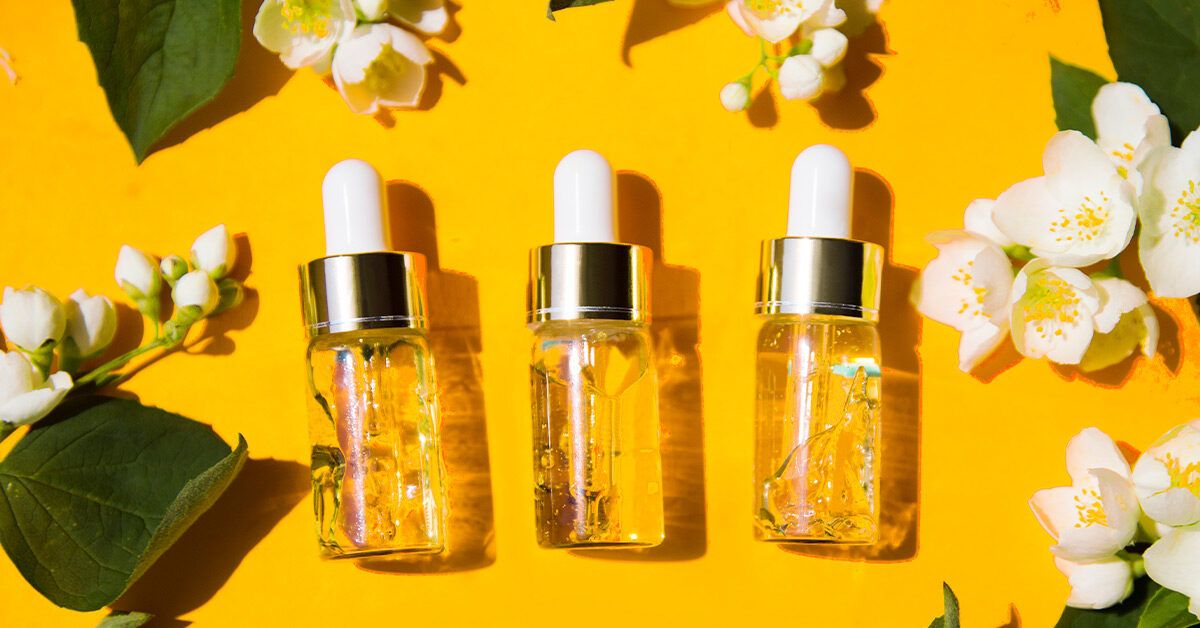

Jasmine oil in hair care is a little like a fancy houseguest: it smells amazing, it elevates the vibe instantly,
and if you don’t set boundaries (hello, dilution), it can overstay its welcome and irritate your scalp.
Used the right way, jasmine can be a surprisingly useful add-on for shine, softness, and a calmer-feeling scalp
plus it turns a regular wash day into a mini spa moment.
This guide breaks down what “jasmine oil” actually means, what benefits are realistic, how to use it safely,
and several DIY recipes (from scalp oiling to a frizz serum) that don’t require a chemistry degree or a second mortgage.
What Jasmine Oil Is (and What It Isn’t)
“Jasmine oil” can describe a few different products, and this is where people accidentally go from
“silky hair” to “why is my scalp angry?” fast.
1) Jasmine essential oil vs. jasmine absolute
True jasmine essential oil is uncommon and expensive. Many jasmine “oils” used in aromatherapy and perfumery
are actually jasmine absolute, typically made via solvent extraction because jasmine flowers are delicate.
Absolutes can smell richer and more true-to-flower than many steam-distilled oils.
2) Jasmine-infused oil (DIY-friendly)
This is a carrier oil (like jojoba, sweet almond, or sunflower) that has been infused with jasmine blossoms.
It’s not the same as an essential oil/absolute, but it’s gentler and often more scalp-friendly.
Think “botanical hair oil” rather than “super concentrated aromatic extract.”
3) Fragrance oil (not the same thing)
“Jasmine fragrance oil” may be synthetic or blended and is usually intended for candles/soapsnot leave-on scalp care.
If a product doesn’t clearly state it’s skin-safe for cosmetic use, skip it. Your scalp does not want to be a science fair project.
Potential Benefits for Hair and Scalp
Let’s set expectations: jasmine oil isn’t a magical hair-growth spell that makes your edges come in overnight.
But it can support a healthy hair routine in practical waysespecially when you use it as part of a
moisturizing, protective, scalp-comfort strategy.
Softer, smoother hair (aka “less Velcro, more velvet”)
When jasmine is blended into a carrier oil (or used in a well-formulated hair oil), it can improve slip and softness.
Oils coat the hair shaft, reducing friction. Less friction can mean fewer tangles, less breakage, and hair that feels easier to manage.
This is especially helpful for dry, curly, coily, or color-treated hair.
Shine and frizz control
Frizz often happens when hair is dry or the cuticle is raised (humidity loves this for you).
A small amount of oil on mid-lengths and ends can help smooth the cuticle and reflect light betterhello, shine.
Bonus: jasmine’s scent makes “wash day” feel less like a chore and more like self-care.
Scalp comfort (when diluted properly)
Some people find jasmine-scented oils feel soothing during a gentle scalp massage.
Massage itself can help loosen buildup and improve how your scalp feels. The key: proper dilution.
Undiluted essential oils can irritate skineven sensitive scalps that “usually handle everything.”
Aromatherapy perks: stress and sleep vibes
Hair care is not just hair care. The scent experience matters, and jasmine is widely used in aromatherapy.
If your stress shows up as scalp tension or “I’m too tired to do my routine,” a relaxing scent can make consistency easier.
What the Science Suggests (and What It Doesn’t)
Jasmine is a botanical with interesting chemistry, but most research on jasmine focuses on aroma, antimicrobial activity,
and general plant compoundsnot direct “grows hair like a superhero” outcomes in large human trials.
Here’s the honest breakdown.
Antimicrobial potential (promising, not a dandruff guarantee)
Jasmine extracts and jasmine-related compounds have shown antimicrobial activity in lab settings.
That’s relevant because certain scalp issues (like dandruff) are associated with yeast overgrowth and inflammation.
But a lab finding isn’t the same as a proven treatment. If you have persistent flakes, itch, redness, or sores,
a dermatologist-backed plan beats DIY experiments every time.
Relaxation effects are better supported than hair-growth claims
The aroma of jasmine and related compounds (like linalool) has been studied for calming effects in humans.
Does a calmer mood directly equal thicker hair? Not necessarily. But lower stress and better sleep can support healthier habits,
and healthy habits support healthier hair. That’s the “grown-up” version of a miracle claim.
Bottom line
The most realistic benefits of jasmine oil in hair care are: improved feel, shine, manageability, and the “scalp spa” effect
as long as you use it safely and don’t treat it like medicine.
How to Use Jasmine Oil Safely
Essential oils are concentrated. “Natural” doesn’t automatically mean “gentle,” and fragrance compounds can trigger irritation
or allergic contact dermatitis in some people. The goal is a good hair daynot an itchy scalp subplot.
Rule #1: Always dilute
For leave-on scalp blends, a conservative dilution is smart. Many people do well around 0.5% to 1%.
For rinse-off products (like a conditioner you wash out), slightly higher may be toleratedbut more isn’t “better.”
- Quick dilution guide (approximate): 1% = about 6 drops essential oil per 1 ounce (30 mL) carrier oil.
- Extra sensitive? Start at 0.5% (about 3 drops per 1 ounce / 30 mL).
Rule #2: Patch test like a responsible adult
Before applying anything new to your scalp, patch test on the inner forearm or behind the ear.
Wait 24 hours. If you get redness, burning, swelling, or a rash: congrats, your body has voted “no.”
Rule #3: Avoid broken or inflamed skin
If your scalp is scratched, sunburned, flaring, or actively irritated, skip essential oils.
Focus on gentle cleansing, barrier support, and dermatologist-recommended care if symptoms persist.
Rule #4: Keep it out of eyes, and keep it away from kids/pets
Scalp products migrate. Sweat happens. Towels happen. Eyes do not enjoy essential oils.
Be cautious around children and petsespecially cats, which can be more sensitive to certain aromatic compounds.
Rule #5: Don’t claim it treats disease
Jasmine oil can be a cosmetic add-on for comfort and hair feel.
If you’re dealing with hair loss, scalp psoriasis, seborrheic dermatitis, infections, or ongoing inflammation,
treat the root cause with a clinician’s help.
DIY Jasmine Hair Care Recipes
These recipes assume you’re using a skin-safe jasmine essential oil or jasmine absolute intended for cosmetic use.
If you’re using a jasmine-infused oil, it’s already diluted (though you should still patch test).
DIY #1: Jasmine Scalp Massage Oil (0.5%–1%)
Best for: dry scalp feel, stress relief, protective scalp massage
- 1 ounce (30 mL) jojoba oil or sweet almond oil
- 3–6 drops jasmine essential oil/absolute (start lower)
- Optional: 2–3 drops rosemary oil only if you tolerate it (skip if sensitive)
- Combine in a dark glass bottle.
- Part hair and apply a few drops across the scalp.
- Massage gently for 2–3 minutes (no aggressive scratching).
- Leave on 30–60 minutes, then shampoo thoroughly.
Pro tip: Do this once weekly at first. If your scalp stays calm, you can increase to 2x/week.
DIY #2: Jasmine Shine Serum for Ends (ultra-light)
Best for: frizz control, shine, dry ends
- 2 tablespoons argan oil or grapeseed oil
- 1 tablespoon squalane (optional but great for lightweight slip)
- 2–3 drops jasmine essential oil/absolute
- Mix in a small bottle.
- Rub 1–3 drops between palms and apply to mid-lengths and ends.
- Avoid roots unless your hair is very dry (oil + roots can equal “greasy by noon”).
DIY #3: Jasmine “Pre-Wash” Moisture Mask
Best for: coarse, curly, color-treated, or heat-styled hair
- 2 tablespoons coconut oil or olive oil (choose what your hair tolerates)
- 1 tablespoon honey (humectantgreat for softness)
- 3–5 drops jasmine essential oil/absolute
- Warm the oil slightly (not hotno fried scalp, please).
- Mix in honey and jasmine oil.
- Apply to damp hair, focusing on ends. Keep off the scalp if you’re prone to buildup.
- Cover with a shower cap for 20–30 minutes, then shampoo well.
DIY #4: Gentle Scalp-Soothing Treatment (No essential oils required)
If your scalp is sensitive, consider a jasmine-infused oil instead of essential oilor skip jasmine entirely and
focus on soothing basics.
- 1 tablespoon aloe vera gel (fragrance-free)
- 1 teaspoon colloidal oatmeal
- 1 teaspoon jojoba oil (or jasmine-infused jojoba oil)
- Mix into a thin paste.
- Apply to scalp for 10 minutes.
- Rinse and shampoo gently.
DIY #5: Jasmine-Infused Oil (Beginner-friendly infusion)
Best for: people who want jasmine benefits without strong essential oil concentration
- Dried jasmine flowers (cosmetic grade)
- Jojoba or sunflower oil
- Clean, dry glass jar
- Fill a jar 1/3 with dried jasmine flowers.
- Cover completely with oil (no flowers sticking outthis helps reduce spoilage risk).
- Seal and store in a cool, dark place for 2–3 weeks, shaking gently every day.
- Strain through cheesecloth. Store in a dark bottle.
Use it like a normal hair oil: a few drops on ends, or a light scalp massage if your scalp tolerates oils.
How to Choose a Jasmine Oil Product
Look for clear labeling
- Botanical name: often Jasminum sambac or Jasminum grandiflorum
- Type: “absolute,” “essential oil,” or “infused oil”
- Intended use: cosmetic/skin-safe (not candle fragrance oil)
Prioritize quality cues
- Dark glass packaging (protects aromatic compounds)
- Batch testing/GC-MS transparency if available
- No pressure to ingest it (topical/aroma use is the normal lane)
Choose your carrier like you choose friends: supportive and non-dramatic
If your scalp is oily or you’re prone to buildup, pick lighter carriers like jojoba, grapeseed, or squalane.
If your hair is coarse/dry, avocado, olive, or coconut might be helpfulthough some people find coconut too heavy.
Your hair porosity matters: low-porosity hair often prefers lighter oils and smaller amounts.
FAQs
Can jasmine oil help hair growth?
There’s no strong, direct clinical evidence that jasmine oil alone reliably regrows hair.
However, scalp massage, reduced breakage from better lubrication, and a healthier-feeling scalp environment can support the appearance of fuller hair over time.
If you have noticeable shedding or thinning, consider professional evaluation to identify causes like iron deficiency, thyroid issues, androgenetic alopecia, or scalp inflammation.
Is jasmine oil good for dandruff?
Jasmine has shown antimicrobial potential in lab settings, but dandruff is complex and often involves yeast, oil production, and inflammation.
For persistent dandruff, proven OTC ingredients like ketoconazole, zinc pyrithione, or selenium sulfide may work better.
If you still want jasmine in your routine, use it as a fragrance/comfort add-onnot as your main dandruff strategy.
Can I add jasmine oil directly to shampoo?
You can, but it’s easy to overdo. Also, essential oils don’t always blend evenly in water-based products.
If you try it, add a very small amount (like 1–2 drops to a single palmful of shampoo), not to the entire bottle.
For better control, use a pre-diluted scalp oil you measure precisely.
What hair types usually like jasmine oil?
Jasmine blends tend to be loved by dry, frizzy, curly, coily, or color-treated hairespecially on the ends.
Fine hair can use it too, but in tiny amounts, and mostly mid-lengths to ends to avoid looking weighed down.
Real-World Experiences: What People Tend to Notice
Because jasmine oil is used both for fragrance and for cosmetic “feel,” people’s experiences often split into two categories:
what it does for the hair and what it does for the mood. Here are common, realistic patterns
that show up when people use jasmine thoughtfully (read: diluted, patch-tested, and not poured on like salad dressing).
The “My Hair Feels Softer Immediately” crowd
Many people report that the biggest payoff is instant manageability: hair feels smoother, ends feel less crunchy, and brushing is easier.
This is most noticeable on hair that’s been through somethingheat styling, highlights, hard water, or a “dry shampoo era” that lasted a little too long.
The effect tends to be strongest when jasmine is in a lightweight serum used sparingly on ends, or in a pre-wash oiling routine.
A common “aha” moment is realizing you don’t need much: two drops too many can turn “glossy” into “greasy.”
The “Scalp Spa Night” routine builders
People who enjoy scalp oiling often describe jasmine as the oil that makes them stick with the routine.
The massage itself can feel relaxing, and the scent becomes part of a ritualdim lights, favorite playlist, and a 3-minute scalp massage
that feels like a reset button. Many find that doing this once a week is enough to keep the scalp feeling comfortable without buildup.
Folks with sensitive scalps usually do best with a jasmine-infused oil or a very low essential-oil dilution (0.5%),
and they’re the ones most likely to say, “Patch testing saved me.”
The “I wanted growth… but got something else useful” reality check
It’s common for people to try jasmine oil hoping for thicker hair, then stay for the other benefits:
better softness, a calmer-feeling scalp, less breakage from improved slip, and a routine that feels enjoyable instead of punishing.
Some notice that hair looks “healthier” in photos after a few weeksoften because frizz is lower, ends are smoother,
and the hair reflects light better. That visual improvement can be mistaken for “growth,” but it’s still a win:
hair that breaks less can retain length better over time.
The “Oops, my scalp didn’t like it” lessons
A smaller group learns quickly that fragrance compounds (even natural ones) can be a trigger.
Their experience is usually a clear warning: tingling that turns into itching, redness along the hairline, or a rash behind the ears.
When this happens, the fix is straightforward: stop the product, wash it out, and avoid re-testing on an already irritated scalp.
Many people who react to jasmine essential oil can still use fragrance-free hair oils, or they switch to soothing,
dermatologist-friendly scalp care and keep jasmine as a candlefar away from their skin.
If you want the most “realistic best-case” experience, keep the goal simple:
use jasmine to make your routine feel luxurious, support softness and shine, and treat your scalp gently.
Consistency beats intensity every timeespecially when your scalp is the one keeping score.
Conclusion
Jasmine oil can be a beautiful upgrade to your hair routine when you treat it like what it is: a powerful aromatic ingredient
that works best in small, well-diluted doses. The most reliable benefits are cosmeticsofter feel, better shine, easier detangling
plus the aromatherapy bonus that can make self-care feel genuinely enjoyable.
If you want to try it, start low, patch test, and pick a formula that matches your hair type.
And if your scalp is already irritated or you’re dealing with significant shedding, use jasmine as a “nice-to-have” while you get
evidence-based scalp support from a professional.