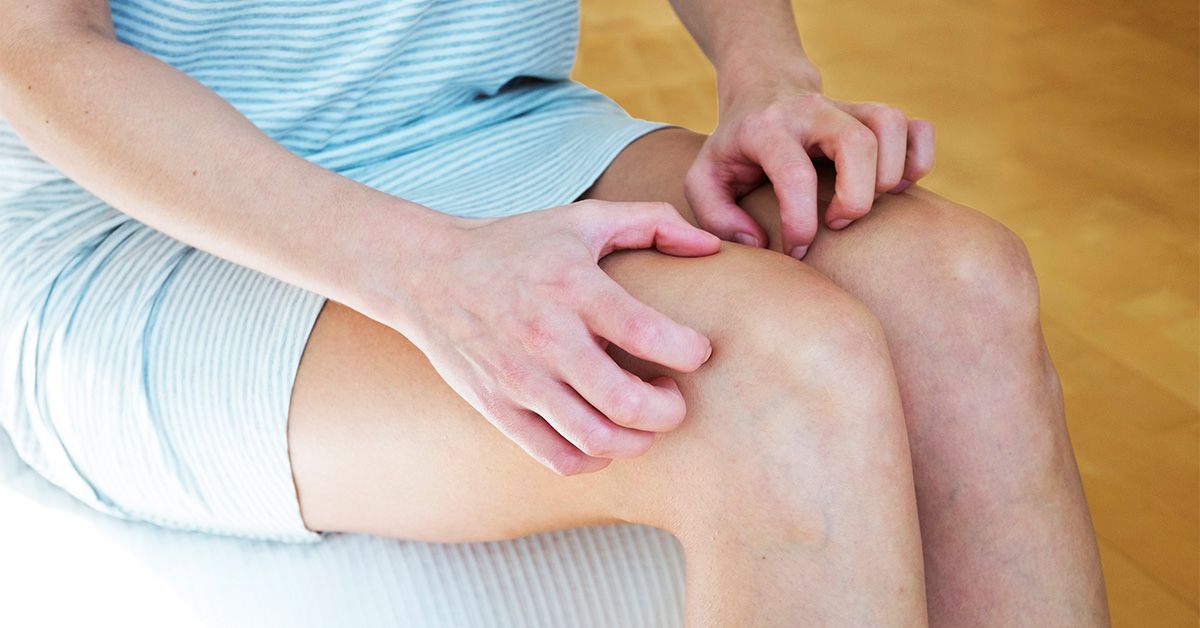

Few things ruin your day faster than that awkward moment when your thighs start itching like crazy and you’re trying
to pretend everything is fine. Itchy thighs can be mildly annoying, or they can be a sign that your skinor your
overall healthneeds some attention. The good news: most causes are common, treatable, and often preventable once you
know what you’re dealing with.
In this guide, we’ll walk through the most common causes of itchy thighs, how to tell them apart, and what treatment
options actually help. We’ll also talk about when thigh itching is a red flag that deserves a professional medical
checkup.
Quick reminder: This article is for general education, not a diagnosis. If your symptoms are severe, persistent, or
worrying, talk with a healthcare professional.
Why Your Thighs Are Prime Real Estate for Itching
Thighs live in a warm, often sweaty neighborhood, especially the inner thighs near the groin. That environment is
perfect for friction, moisture buildup, and even fungal overgrowth. On top of that, the skin here is sensitive and
constantly rubbing against clothingor against the other thigh. So when something irritates your skin, you’ll feel it
quickly as itching, burning, stinging, or a rash.
Most Common Causes of Itchy Thighs
1. Dry Skin and General Irritation
Sometimes itchy thighs are simply a case of basic dryness. If you live in a dry climate, spend a lot of time in
air-conditioned rooms, or love super-hot showers, your skin barrier can get stripped of its natural oils. That makes
the skin on your thighs flaky, rough, and itchy.
Harsh soaps, heavily fragranced body washes, or laundry detergents can add to the irritation. When the skin barrier is
damaged, it’s easier for irritants and allergens to sneak in and trigger more intense itching.
2. Chafing and “Thigh Rub”
Chafing happens when skin rubs against skin or fabric over and over, especially during walking, running, or working
out. The inner thighs are a classic spot. The result: redness, a burning sensation, and sometimes raw, itchy patches
known as “chub rub.”
Tight clothing, seams in the wrong place, and non-breathable fabrics make chafing more likely. Once the area is
damaged, sweat and salt can sting and increase itching.
3. Heat Rash (Prickly Heat)
If you live in a hot, humid area or exercise in the heat, sweat can get trapped in your sweat ducts. This can cause
heat rash (also called prickly heat), which shows up as small, itchy or prickly bumps, often in skin folds like
the inner thighs, groin, and under the breasts.
The rash may feel worse when you’re sweating or right after a workout. Cooling down, wearing loose clothing, and
letting the skin breathe usually helps it clear up.
4. Eczema and Dermatitis
Eczema (atopic dermatitis) and other forms of dermatitis are common causes of itchy, inflamed skin. On the thighs,
eczema may look like dry, red, scaly patches that itch intensely and sometimes ooze or crust. Flares are frequently
triggered by:
- Fragranced soaps, lotions, or detergents
- Rough fabrics like wool
- Stress, sweating, or sudden temperature changes
Contact dermatitis is another culprit. This happens when your skin reacts to something it touchessuch as a new
shaving cream, body oil, fabric dye, or even nickel in snaps or workout gear. The rash tends to appear where the
irritant or allergen touched your skin and can be very itchy.
5. Fungal Infections: Jock Itch and Ringworm
One of the best-known causes of itchy inner thighs is jock itch (tinea cruris), a fungal infection caused by
dermatophyte fungi. It thrives in warm, moist areaslike the groin and inner thighs. The rash often:
- Looks red or darker than surrounding skin
- Has a slightly raised, scaly border
- May form a half-moon or ring shape
- Feels very itchy or burning
Jock itch can spread from athlete’s foot (same family of fungi) via towels, hands, or clothing. Similar fungi can also
cause classic circular ringworm patches on the thighs or elsewhere on the body.
6. Folliculitis and Ingrown Hairs
If you shave or wax your thighs or bikini area, small red, itchy bumps around hair follicles may be folliculitis
inflammation or infection of the hair follicles. Ingrown hairs can trigger similar bumps that itch, hurt, or even form
small pustules.
Tight clothing, friction, and sweating increase the risk, especially if you shave frequently or use dull razors.
7. Psoriasis
Psoriasis is an autoimmune skin disease that speeds up skin cell turnover. It often causes thick, raised,
scaly plaques that can be red, silvery, or purple depending on skin tone. While classic spots are elbows, knees, and
scalp, psoriasis can absolutely show up on the thighs and buttocks.
In skin folds like the groin and inner thighs, inverse psoriasis may appear as smooth, red, and very itchy patches
without heavy scale, which can make it look similar to fungal infections or eczema.
8. Infections and Infestations: Scabies, STIs, and More
Some causes of itchy thighs involve infections that need prompt medical treatment:
- Scabies – Caused by tiny mites that burrow into the skin, leading to intense itching (especially at night) and a
small, pimple-like rash. It can affect the thighs and groin, among other areas, and is highly contagious through
close skin contact. - Sexually transmitted infections (STIs) – Genital herpes, pubic lice, and some bacterial infections may cause
itching, bumps, or rash on the inner thighs near the groin or pubic area. - Bacterial infections – If chafed or broken skin becomes infected, you may notice spreading redness, warmth,
tenderness, oozing, or fever.
These situations go beyond simple skin drynessthey require professional evaluation and targeted treatment.
9. Systemic Conditions: Diabetes and More
Sometimes, itching in specific areas (including the thighs) can be a sign of a deeper health issue. For example,
people with diabetes may experience localized itching due to dry skin, poor circulation, or fungal infections in
moist folds such as the groin and inner thighs.
Other systemic causes of itch can include liver or kidney disease, thyroid problems, or certain blood disorders.
These typically cause more widespread itching, but the thighs may still be part of the picture. If your itching is
persistent, severe, or accompanied by weight changes, fatigue, or other unusual symptoms, it’s important to get
checked.
How to Treat Itchy Thighs
Step 1: Identify the Likely Cause
Before you reach for random creams, take a quick inventory:
- Did you change soaps, detergents, lotions, or shaving products recently?
- Have you been working out more, sweating, or spending time in tight, synthetic clothing?
- Is there a visible rashred, ring-shaped, scaly, bumpy, or blistered?
- Is the itch worse at night, or are multiple people in your household itching too?
- Do you have medical conditions like diabetes, eczema, or psoriasis?
Your answers can help narrow down the cause and nudge you toward the right treatment option.
Step 2: Home Care for Mild Itching
For mild cases without alarming symptoms, start with simple skin-care strategies:
- Switch to gentle cleansing. Use a mild, fragrance-free body wash and avoid scrubbing aggressively.
- Moisturize daily. Apply a fragrance-free cream or ointment after showering, focusing on dry or rough areas.
- Cool the area. A cool compress or short, lukewarm shower can help calm itching. Avoid hot water.
- Hands off. Scratching can damage the skin, invite infection, and make itching worse. If you must, gently tap instead of digging in with nails.
- Wear loose, breathable clothing. Cotton or moisture-wicking fabrics are kinder to irritated thighs than tight jeans or stiff seams.
Step 3: Over-the-Counter (OTC) Treatments
Depending on the cause, certain OTC products can be very helpful:
- Anti-chafing balms or powders to reduce friction if thigh rub is your main issue.
- Moisturizers with ceramides or colloidal oatmeal for dry, sensitive, or eczema-prone skin.
- Low-strength hydrocortisone cream (usually 0.5–1%) for short-term relief of mild inflammatory rashes, unless a
fungal infection is suspected. - Antifungal creams or sprays with ingredients like clotrimazole, miconazole, or terbinafine if you suspect jock
itch or ringworm. - Anti-itch lotions containing pramoxine, menthol, or calamine for general itch relief.
- Oral antihistamines (like some nighttime formulas) can help reduce itching and improve sleep in allergy-related
cases.
If you don’t see improvement after a couple of weeks of appropriate OTC treatmentor if things worsenit’s time for a
medical evaluation.
Step 4: Prescription Treatments
A healthcare professional may recommend stronger options if needed, such as:
- Prescription-strength topical steroids for eczema, psoriasis, or certain inflammatory rashes.
- Topical calcineurin inhibitors for sensitive areas that need non-steroid options.
- Oral or stronger topical antifungals for stubborn or widespread jock itch or ringworm.
- Antibiotics if folliculitis or other bacterial infection is present.
- Scabies treatments (such as permethrin cream or oral medications) if mites are the cause, usually treating close
contacts at the same time.
Step 5: Lifestyle and Prevention Tips
Once the itch is under control, keeping your thighs happy becomes much easier:
- Shower and dry thoroughly (especially skin folds) after workouts or heavy sweating.
- Rotate between a few pairs of breathable underwear and workout clothes; wash them between wears.
- Use fragrance-free detergents and skip heavy fabric softeners if you have sensitive skin.
- Consider moisture-wicking shorts or anti-chafing bands if your thighs commonly rub together.
- If you have diabetes, follow your treatment plan, check your feet and skin regularly, and report any persistent
itching or rashes to your provider.
When Itchy Thighs Mean “See a Doctor ASAP”
Seek medical care promptly if:
- The itch lasts more than two weeks despite home care and OTC treatments.
- You notice spreading redness, warmth, swelling, yellow crust, or pain (possible infection).
- You have fever, chills, weight loss, night sweats, or unexplained fatigue along with the itch.
- Multiple people in your home or dorm suddenly become itchy, especially at night (think scabies or lice).
- You see blisters, open sores, or severe burning sensations.
- You have a history of eczema, psoriasis, diabetes, liver or kidney disease, or a weakened immune system.
Don’t power through severe itching. Getting the right diagnosis often means faster relief and fewer complications.
Real-World Experiences With Itchy Thighs
To make this less like a textbook and more like real life, imagine a few very relatable characters dealing with itchy
thighs in different ways.
Case 1: The Weekend Runner
Sam decides to start training for a 5K. The first couple of runs feel great, but by week two, the inner thighs are on
firered, sore, and intensely itchy by the end of each workout. Sam assumes this is “just part of running” and keeps
pushing through in the same cotton shorts. Eventually, the skin becomes raw and painful, and sweating makes it sting.
After a little Googling and a chat with a pharmacist, Sam learns about chafing and tries moisture-wicking shorts,
anti-chafing balm, and quick post-run showers. Within a week, the itching calms down. Lesson learned: gear and
prevention matter just as much as motivation.
Case 2: The New Detergent Disaster
Jordan switches to a new “spring meadow” laundry detergent. A few days later, the outer thighs and hips develop a
scattered, itchy rash. There’s no ring-shaped border, and the skin feels more inflamed than anything else. After
retracing recent changes, Jordan suspects the detergent, switches back to a fragrance-free version, and adds a gentle
moisturizer to the routine. Within a couple of weeks, the rash fades. The experience shows how contact dermatitis can
sneak up on youand why it’s worth paying attention to new products when a rash suddenly appears.
Case 3: The Stubborn “Jock Itch” That Wasn’t
Taylor notices a very itchy rash on the inner thighs and groin and assumes it must be jock itch. Over-the-counter
antifungal cream helps a little, but the rash never fully goes away and sometimes seems worse after working out.
Finally, Taylor sees a clinician, who examines the rash closely and notes that it looks more like inverse psoriasis
than a fungal infection. With a new prescription treatment and better moisture control, the itch improves dramatically.
Moral of the story: if your “self-diagnosis” isn’t responding to appropriate treatment, it’s worth getting a second
opinion.
Case 4: Itchy Thighs and Hidden Health Issues
Pat, who has type 2 diabetes, notices recurrent itching on the inner thighs and lower legs, plus a few red patches in
skin folds. At first, Pat blames dry air and hot showers. But during a checkup, the healthcare provider points out that
poorly controlled blood sugar can increase the risk of fungal infections and dry, itchy skin. After adjusting diabetes
medications, improving diet, and using targeted antifungal and moisturizing products, the itching becomes much easier
to manage. This highlights how sometimes thigh itch is more than “just a skin thing.”
These examples aren’t meant to replace a medical exam, but they do show how varied the story behind itchy thighs can
be. The same symptomitchingcan point to very different underlying causes, from simple chafing to chronic skin
disease or systemic conditions. Paying attention to patterns, timing, triggers, and associated symptoms helps you and
your healthcare provider figure out the real cause more quickly.
Bottom Line
Itchy thighs are common, and in many cases, the cause is something straightforward like dryness, chafing, heat rash,
or jock itch. But sometimes the itch is your body’s way of saying, “Hey, something bigger is going on.” By noticing
how the itch looks, when it shows up, what makes it better or worse, and how it responds to basic care, you can narrow
down what’s going on and choose smarter treatments.
Take care of your skin barrier, choose breathable clothing, practice good hygiene, and don’t be afraid to get a
professional opinion if the itch sticks around. Your thighs deserve to be comfortablewithout you having to sneakily
scratch them all day.