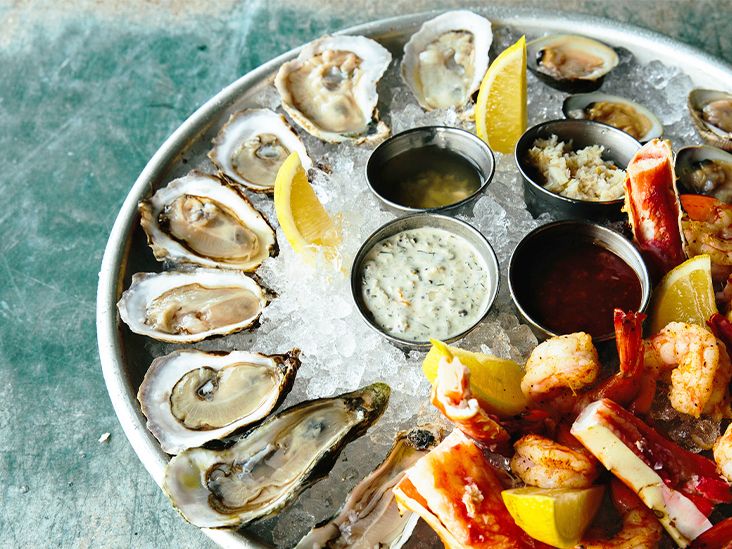

Seafood has one of the best reputations in the nutrition world, and for good reason. It is packed with protein, rich in omega-3 fats, and often lighter than heavier animal proteins like bacon cheeseburgers, fried sausage, or mystery freezer nuggets. But seafood is not a one-size-fits-all health halo. Some types are nutritional superstars, some are better in moderation, and some can be risky depending on mercury levels, allergies, and how they are prepared.
So, is seafood healthy? In most cases, yes. For many people, seafood can be one of the smartest proteins on the plate. The trick is choosing the right types, cooking them well, and knowing when “healthy fish dinner” quietly turns into “deep-fried regret basket.” This guide breaks down the main types of seafood, their nutrition, the biggest benefits, the possible risks, and how to enjoy seafood in a way that actually supports your health.
What Counts as Seafood?
Seafood is a broad category that includes fish and shellfish from oceans, rivers, lakes, and farms. Nutritionally, they can be very different, so it helps to know the groups.
1. Finfish
These are the classic fish most people picture first: salmon, tuna, cod, trout, sardines, halibut, mackerel, tilapia, and haddock. Some are oily fish, which means they are naturally richer in omega-3 fatty acids. Others are lean white fish, which are lower in fat but still high in protein.
2. Crustaceans
This group includes shrimp, crab, and lobster. They are generally high in protein and can provide minerals like zinc and selenium. Shrimp gets dragged into nutrition court more often than it deserves, but in reasonable portions it can fit well into a healthy diet.
3. Mollusks
Think oysters, mussels, clams, scallops, and squid. These foods can be nutritional heavy hitters, especially for vitamin B12, iron, zinc, and other minerals. Oysters, for example, are tiny, briny nutrient vaults with a fancy image and a very un-fancy ability to spoil your weekend if eaten raw from a questionable source.
Is Seafood Healthy?
For most adults, seafood is a healthy food choice when it replaces more processed or higher-saturated-fat proteins. It offers high-quality protein, helpful fats, and important vitamins and minerals in a relatively calorie-efficient package. Health organizations commonly recommend eating seafood about twice a week, especially varieties that are higher in omega-3s and lower in mercury.
That does not mean every seafood meal deserves a wellness trophy. A grilled salmon fillet and a breaded fish sandwich the size of a throw pillow are not nutritionally identical. Seafood’s health value depends on the species, portion size, and preparation method.
Seafood Nutrition: What Makes It So Good?
Seafood is famous for more than protein. Depending on the type, it may provide omega-3 fatty acids, vitamin B12, vitamin D, iodine, selenium, zinc, iron, and choline. In plain English: it brings more to the table than just “meat, but wetter.”
Omega-3 Fatty Acids
Fatty fish such as salmon, sardines, trout, herring, anchovies, and mackerel are among the best food sources of EPA and DHA, the long-chain omega-3 fatty acids linked with heart and vascular health. These fats are one reason seafood has such a strong reputation. They are especially important because your body cannot make enough of them efficiently on its own.
High-Quality Protein
Seafood is rich in complete protein, which means it contains all the essential amino acids your body needs. Protein supports muscle repair, immune function, and satiety. Many types of seafood deliver this protein without the heavier saturated fat load found in some red and processed meats.
Vitamin B12
Fish and shellfish are excellent sources of vitamin B12, a nutrient your body uses for nerve function, red blood cell formation, and DNA production. Shellfish in particular can be exceptionally rich in B12, making them especially useful for people who want nutrient-dense animal protein.
Selenium, Zinc, and Iodine
Seafood also supplies minerals that quietly do a lot of important work. Selenium helps support thyroid function and protects cells from damage. Zinc supports immune function and healing. Iodine helps the body make thyroid hormones. Many fish and shellfish bring these nutrients in meaningful amounts.
Vitamin D
Some seafood, especially oily fish, can help increase vitamin D intake. That matters because vitamin D is involved in bone health, immune function, and a long list of bodily processes people tend to appreciate only after their lab work gets annoying.
Types of Seafood and Their Health Profiles
Fatty Fish: The Nutrition MVPs
Salmon, sardines, trout, anchovies, and herring are often considered top-tier choices. They are rich in omega-3s, high in protein, and often lower in mercury than large predatory fish. If you want the greatest health return on your seafood budget, this group is hard to beat.
Lean White Fish: Light, Mild, and Useful
Cod, haddock, pollock, flounder, and tilapia are leaner than salmon or sardines, but they still offer solid protein and helpful micronutrients. They are a good fit for people who want a mild flavor or are easing into seafood without feeling like dinner is staring back at them from the plate.
Shellfish: Small but Mighty
Shrimp, oysters, mussels, clams, and scallops can be very nutritious. Shellfish often provide protein, B12, zinc, iron, and other minerals. Mussels and oysters, in particular, are surprisingly impressive nutritionally. The main caution is not their nutrient profile but food safety and allergies.
Tuna: Good, but Depends on the Type
Tuna can absolutely be part of a healthy diet, but it deserves a little more nuance. Light canned tuna is generally a lower-mercury choice than bigeye tuna, and albacore tends to contain more mercury than canned light varieties. Tuna is not the villain; it just requires smarter label reading than salmon does.
Health Benefits of Seafood
1. Supports Heart Health
One of the best-supported reasons to eat seafood is heart health. Regular seafood intake, especially non-fried fish rich in omega-3s, is associated with cardiovascular benefits. It may help lower triglycerides and support healthier blood vessels. When seafood replaces processed meat or heavily saturated-fat meals, the benefit becomes even more meaningful.
2. Helps With Healthy Weight Management
Seafood can be filling without being overly calorie-dense. A grilled fish plate with vegetables and rice is a very different metabolic adventure than a double bacon burger with onion rings. Because seafood is high in protein, it can help with fullness and make balanced meals easier to build.
3. Provides Key Nutrients for Brain and Nerve Function
Seafood offers nutrients involved in brain and nervous system health, including omega-3s and vitamin B12. During pregnancy, eating a variety of lower-mercury seafood is encouraged because it can support a baby’s brain and cognitive development.
4. May Improve Overall Diet Quality
People who eat seafood as part of a balanced eating pattern often end up with a better overall nutrient intake. Seafood works well in Mediterranean-style eating patterns and other heart-friendly meal plans because it brings protein and healthy fats without requiring a nutritional apology afterward.
How Much Seafood Should You Eat?
A practical target for most adults is about two seafood meals per week, or at least 8 ounces total per week. Pregnant or breastfeeding women are generally advised to eat 8 to 12 ounces per week of lower-mercury seafood. That is enough to capture many benefits without wandering into the danger zone of frequent high-mercury choices.
If you rarely eat seafood now, you do not need to transform into a lighthouse keeper overnight. Start with one or two meals each week and build from there.
Seafood Risks You Should Know
1. Mercury
Mercury is the big headline risk in seafood, but it is not a reason to avoid all fish. It is a reason to choose wisely. Large predatory fish tend to have the highest mercury levels because they accumulate more over time. Species commonly flagged as highest-mercury choices include king mackerel, marlin, orange roughy, shark, swordfish, Gulf of Mexico tilefish, and bigeye tuna.
For children and people who are pregnant or breastfeeding, mercury guidance matters even more. Lower-mercury choices such as salmon, sardines, trout, shrimp, oysters, scallops, cod, pollock, and canned light tuna are often better picks.
2. Food Allergy
Fish and shellfish are among the major food allergens. A seafood allergy is different from a food intolerance. An allergy involves the immune system and can be severe or even life-threatening. Someone who gets mild bloating from a food is dealing with a different issue than someone whose throat starts closing after shrimp.
Also important: fish allergy and shellfish allergy are not exactly the same thing. Some people react to one and not the other. Anyone with a suspected seafood allergy should get medical evaluation rather than playing seafood roulette at date night.
3. Raw or Undercooked Seafood
Raw seafood can carry bacteria, viruses, and parasites. Raw oysters are a particular concern because they can transmit Vibrio bacteria and other pathogens. Healthy people may get severe stomach illness, and people with liver disease, diabetes, cancer, or weakened immune systems can face more serious complications. Pregnant women should also avoid raw or undercooked fish and shellfish.
4. Fried and Heavily Processed Seafood
Seafood loses some of its health shine when it comes breaded, deep-fried, and served with enough sodium to season a driveway. Fried fish is still fish, yes, but frequent deep-fried seafood meals are not the same as eating baked salmon, grilled trout, or broiled cod. Preparation matters. So do sauces, sides, and portions.
5. Local Catch Advisory Issues
If you eat fish caught by family or friends, check local fish advisories. Self-caught fish can contain contaminants that are not obvious from appearance, smell, or taste. “Looks fine to me” is not an approved environmental testing method.
Best Seafood Choices for a Healthy Diet
If your goal is to eat more seafood without overthinking every forkful, focus on these often-smart choices:
- Salmon
- Sardines
- Trout
- Anchovies
- Herring
- Cod
- Pollock
- Shrimp
- Oysters
- Mussels
- Scallops
- Canned light tuna
These options can make it easier to get protein, omega-3s, and key minerals while staying more mindful of mercury. Variety is also helpful. Rotating your seafood choices is smart nutritionally and keeps dinner from becoming a salmon remake for the sixth time this month.
How to Make Seafood Healthier at Home
- Choose baked, broiled, grilled, steamed, or air-fried seafood more often than deep-fried.
- Pair seafood with vegetables, beans, whole grains, potatoes, or salads instead of always defaulting to fries.
- Use olive oil, lemon, herbs, garlic, or yogurt-based sauces instead of heavy cream sauces every single time.
- Keep portions reasonable, usually around 3 to 5 ounces cooked for a serving.
- For canned seafood, compare sodium levels and choose water-packed or lightly seasoned versions when possible.
Who Should Be Extra Careful With Seafood?
Seafood is healthy for many people, but some groups need more caution:
- People who are pregnant or breastfeeding
- Young children
- People with fish or shellfish allergies
- People with liver disease, diabetes, cancer, or weakened immune systems
- Anyone eating raw shellfish or recreationally caught fish without checking advisories
In these cases, seafood is not automatically off the menu. It just needs smarter choices, safer handling, and sometimes medical guidance.
Real-Life Experiences With Seafood: What People Often Notice
One of the most common experiences people report when they start eating more seafood is that it feels lighter than other dinner proteins. Someone who swaps a few red-meat meals each week for salmon, cod, shrimp, or trout often notices they feel satisfied without the same “I need to lie down and rethink my life” heaviness that can follow a giant greasy meal. Seafood tends to fit naturally into balanced plates, so people often find it easier to add vegetables, grains, and beans around it.
Another frequent experience is that seafood becomes more approachable once people stop assuming every fish has to taste intensely fishy. Beginners often do well with mild options such as cod, tilapia, haddock, pollock, or shrimp. After that, they gradually work up to salmon, tuna, sardines, or mussels. In other words, many people do not become seafood fans in one dramatic forkful. They get there one taco, rice bowl, or lemon-garlic sheet-pan dinner at a time.
Budget is another real-world factor. Some people assume healthy seafood means expensive restaurant salmon or wild-caught fillets wrapped like jewelry. But many discover that canned salmon, canned light tuna, sardines, frozen shrimp, and frozen white fish can be practical and affordable. That experience usually changes the conversation from “Seafood is too fancy for my routine” to “Wait, I can turn this into lunch in ten minutes?” Convenience matters, and seafood often wins when it comes ready to cook or ready to eat.
Pregnant women and families with young children often have a different experience: confusion first, confidence later. Mercury warnings can make seafood seem scary, so many people avoid it altogether. But once they learn the difference between lower-mercury and higher-mercury options, seafood often becomes much easier to include. Salmon, shrimp, sardines, trout, cod, oysters, scallops, and canned light tuna are examples that many families feel more comfortable using regularly. The experience is less “seafood panic” and more “Oh, so I just need to choose smarter species.”
Then there is the food safety lesson that some people learn the hard way. Raw oysters and undercooked shellfish carry a kind of glamorous reputation right up until they do not. People who have had a bad shellfish-related stomach illness usually become very loyal to proper cooking, trusted sources, and refrigeration rules. That experience tends to turn abstract safety advice into deeply personal wisdom. Nothing makes “cook it properly” sound persuasive like regretting a seafood tower for 36 straight hours.
Seafood allergy experiences can also be eye-opening. Some people discover an allergy after eating shrimp, crab, lobster, or fish and realizing the reaction is much more serious than an upset stomach. That is an important difference. People often say they originally brushed it off as “just food not sitting right,” then later learned that hives, swelling, wheezing, or throat symptoms are not normal and need medical attention.
Finally, people often notice that preparation changes everything. Someone who says they hate fish may actually hate dry, overcooked fish or seafood buried under greasy breading. But give that same person a well-cooked salmon bowl, shrimp stir-fry, tuna salad with less mayo and more crunch, or grilled tacos with cabbage and lime, and suddenly seafood gets promoted from “absolutely not” to “actually, this is great.” That may be the most relatable seafood experience of all: it is not just what you eat, but what you do to it.
Conclusion
So, is seafood healthy? For most people, yes, absolutely. Seafood can be one of the healthiest proteins you eat, especially when you choose a variety of lower-mercury fish and shellfish, cook them well, and keep fried versions as an occasional treat instead of a lifestyle. Fatty fish like salmon, sardines, trout, and herring stand out for omega-3s, while shellfish can deliver impressive amounts of protein, B12, zinc, iron, and more.
The risks are real, but they are manageable. Watch mercury in certain large fish, avoid raw shellfish if you are at higher risk, take allergies seriously, and do not let tartar sauce convince you that every seafood meal is automatically healthy. Smart seafood choices can support heart health, improve diet quality, and bring real nutritional value to the table. In short, seafood is healthy, but like most good things in nutrition, the details matter.