
If you garden in containers, you’ve probably stared into a tired fall planter and wondered whether the potting soil inside deserves a dignified retirement or a second chance. After all, fresh potting mix is not exactly free, and lugging home bag after bag every spring can feel like an upper-body workout no one asked for. So, is it better to toss potting soil in fall or reuse it next year?
The honest answer is: it depends on what happened in that pot this season. If the plants were healthy, the soil smells normal, and you’re willing to refresh it, reusing potting soil next year is often a smart move. But if that container hosted disease, pests, heavy weed growth, or a botanical soap opera starring rotted roots and sad stems, it is usually better to stop being sentimental and move on.
In other words, old potting soil is not automatically trash, but it is not automatically ready for a comeback tour either. The best strategy is to assess it in fall, clean it up, store it properly, and decide in spring whether it is fit for reuse, best for recycling into garden beds, or ready for the compost pile.
The Short Answer: Reuse Healthy Potting Soil, Replace Problem Soil
For most gardeners, the best rule is simple:
- Reuse potting soil if last year’s plants were healthy and the mix still has decent texture after being refreshed.
- Do not reuse it as-is for seed starting, finicky seedlings, or crops that struggled with disease.
- Toss, trash, or compost it elsewhere if the soil had pests, fungal problems, rot, or major weed issues.
That middle-ground answer may not be as dramatic as “always toss it” or “reuse it forever,” but it is the most practical. Potting mix is not like milk; it does not simply expire on a date. It changes gradually. Over one growing season, roots crowd it, watering leaches nutrients, fine particles break down, and the fluffy texture that once helped roots breathe starts acting more like a soggy sponge or compacted brick.
Why Old Potting Soil Changes Over One Season
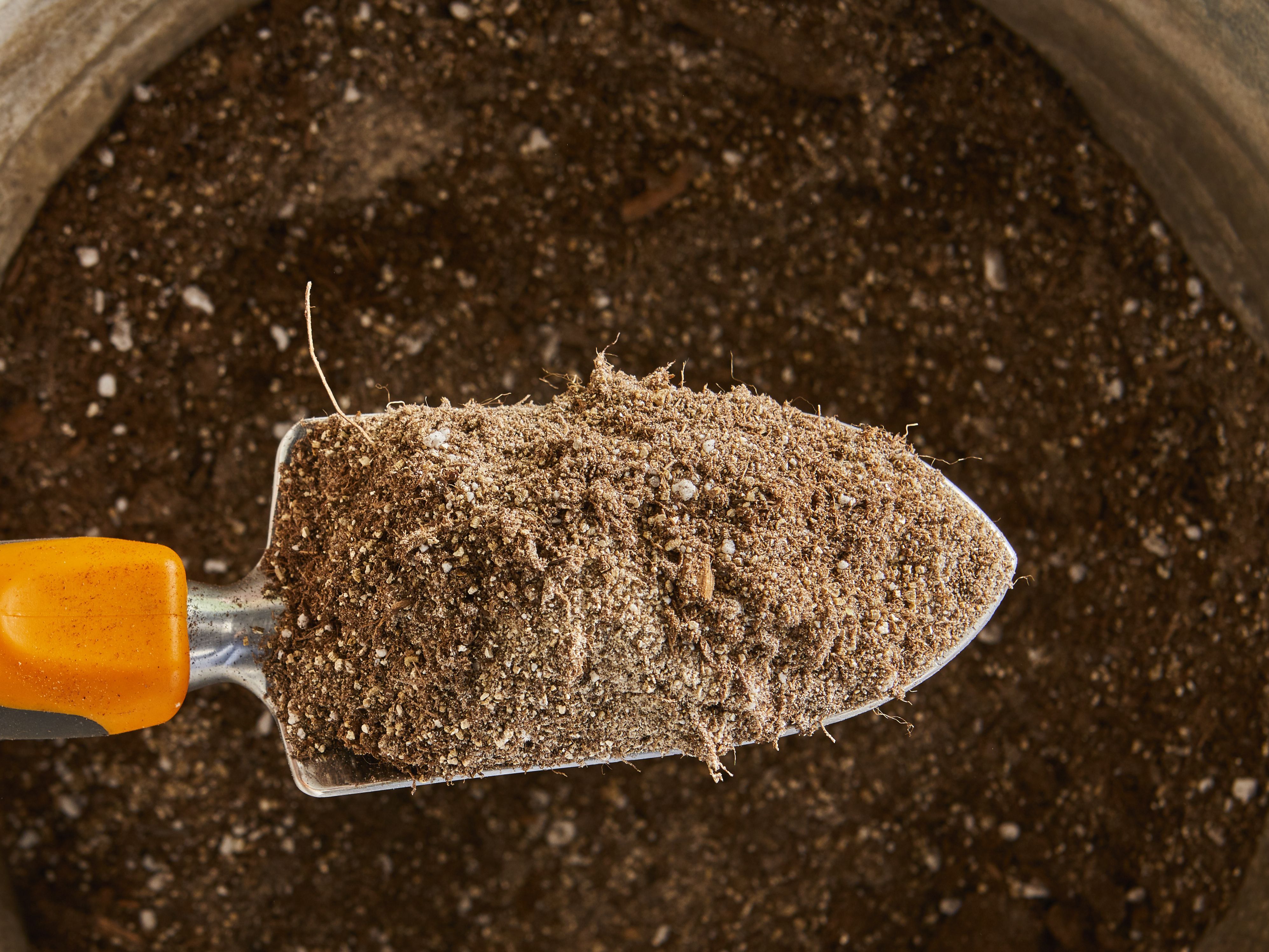
Fresh potting mix works because it is light, airy, and designed for containers. It usually contains ingredients such as peat, coir, bark, composted material, vermiculite, or perlite. That structure matters. In a container, plant roots need water, nutrients, and oxygen all in a small, enclosed space. Once the structure collapses, roots have a tougher time doing root things.
By fall, several things have usually happened:
1. The nutrients are mostly gone
Container plants are hungry. Annual flowers, herbs, tomatoes, peppers, and patio vegetables spend months pulling nutrients from a limited supply. Regular watering also washes nutrients downward and out of the pot. By the end of the season, the mix may still look acceptable, but it is often running on fumes.
2. The texture breaks down
Potting mix starts out loose. Over time, organic ingredients decompose and particles get smaller. That means less pore space, less airflow, and poorer drainage. Translation: roots are more likely to sulk.
3. Roots and debris take over
Pull up an old petunia, tomato, or coleus in fall and you may find more roots than mix. Those roots occupy space new plants will need next season. Dead stems and leaves can also leave behind debris that is basically an invitation for trouble if stored wet over winter.
4. Pests and disease can linger
This is the big one. If aphids, fungus gnats, root rot, blight, or mildew made themselves at home, the soil may not be something you want to reintroduce next spring like an unwelcome sequel.
When Reusing Potting Soil Makes Sense
Reusing potting soil next year can absolutely make sense if the container had a good season. That means the plants were reasonably vigorous, there was no obvious disease, and you are not planning to use that same mix for delicate seedlings.
Good candidates for reused potting soil include:
- Annual flower containers that stayed healthy
- Herb pots with no major pest issues
- Houseplants that simply need refreshed mix
- Large decorative containers where replacing every inch of soil each year is expensive
In these cases, reusing potting mix is not just budget-friendly. It is also less wasteful. If the mix is structurally improved and fed again, it can often perform well for another season, especially for less fussy plants.
When It Is Better to Toss Potting Soil in Fall
Sometimes the kindest thing you can do is let that potting soil go. Not with tears. Just with purpose.
You should skip reusing old potting soil in containers next year if you notice any of the following:
- Plant disease: blackened roots, stem rot, blight, severe mold, or recurring leaf spot
- Pest infestations: root maggots, slugs, persistent fungus gnats, or other soil-related pests
- Heavy weed pressure: lots of weed seedlings or seeds already mixed in
- Bad smell: sour, swampy, or rotten odor
- Severe compaction: the mix has become dense, muddy, or brick-like
- Seed-starting plans: you need a clean, sterile medium for germinating seeds
Also be cautious with reused mix from containers that grew tomatoes, peppers, eggplant, or potatoes. These crops can share disease issues, so gardeners often have better luck rotating to a different plant family or using fresh mix the following year.
If the soil is too risky for reuse in containers, that does not always mean it belongs in the trash. Healthy but tired mix can be spread into landscape beds, added to compost, or used to fill low spots in the yard. Truly diseased material, however, is better kept out of home compost if you are not sure your pile gets hot enough.
How to Refresh Potting Soil for Next Year
If your used potting soil passes the health test, do not just dump in a plant next spring and hope for a miracle. Refreshing matters.
Step 1: Remove roots and debris
Break apart the old root ball and pull out dead roots, stems, leaves, and any surprise residents. This gives you a cleaner base and helps restore better texture.
Step 2: Loosen compacted mix
Fluff it with your hands, a trowel, or a garden fork. If the mix feels dense, sticky, or overly fine, it needs airier material mixed in.
Step 3: Add new potting mix or compost
A common approach is to mix old potting soil with fresh potting mix at about a 50/50 ratio. Another good method is to blend in compost, especially if you also need better texture and microbial activity. The goal is not to resurrect exhausted mush. The goal is to create a renewed medium with better drainage, porosity, and organic matter.
Step 4: Restore drainage with coarse ingredients
If the old mix feels heavy, add perlite, bark fines, or another coarse amendment suited to container gardening. This is especially helpful for herbs, succulents, and anything that hates wet feet.
Step 5: Fertilize
Old potting soil is not a full meal. It is more like toast. You still need eggs. Add a slow-release fertilizer or plan to feed regularly during the season with a liquid fertilizer. Otherwise, your plants may look like they are trying their best while quietly filing complaints.
Should You Sterilize Old Potting Soil?
Sometimes, yes. Sometimes, no. This is where gardening advice gets spicy.
If the potting soil had pests or mild problems, some gardeners sterilize or pasteurize it before reuse. Heat treatment or solarizing can reduce pest and pathogen pressure. That said, not every gardener needs to go full laboratory mode. If the mix came from healthy containers, many people simply refresh it and move on.
A practical rule: sterilize only when you have a reason. If you had a disease outbreak, major insect issue, or you are especially cautious, sanitation can be worthwhile. If you had a perfectly normal season, refreshing and storing the mix correctly is often enough.
No matter what you do with the soil, clean the containers themselves. Scrub pots, remove mineral buildup, and disinfect them before replanting. Reusing dirty pots with clean soil is like washing your socks and stepping back into muddy shoes.
What to Do With Potting Soil in Fall
Fall is actually the best time to decide the soil’s fate. Waiting until spring often leads to mystery buckets, frozen pots, and the timeless question: “Was this the basil pot or the one that hosted root rot?”
Here is a smarter fall routine:
- Pull dead plants and inspect the root zone.
- Separate healthy mix from suspicious mix.
- Store reusable soil in a dry, covered container.
- Protect pots from winter moisture and freeze damage.
- Label containers if you want to remember what was grown there.
Keeping reusable potting soil dry over winter matters more than many gardeners realize. Wet, exposed pots can lose more nutrients, invite weeds, and leave porous containers vulnerable to cracking in freeze-thaw weather.
Fresh Potting Soil vs. Reused Potting Soil: Which Should You Choose?
Think of it this way:
Choose fresh potting soil for:
- Seed starting
- High-value crops like tomatoes or peppers if disease was an issue
- Plants that struggled badly last year
- Containers with severe compaction or odor problems
- Gardeners who want the simplest, lowest-risk route
Choose reused, refreshed potting soil for:
- Healthy ornamental containers
- Many herbs and houseplants
- Large pots where replacing all the mix is expensive
- Gardeners trying to reduce waste and save money
- Situations where you can blend old mix with new materials
So no, there is not a one-size-fits-all answer. But there is a useful one: reuse healthy mix wisely, and replace risky mix without guilt.
Common Mistakes Gardeners Make With Old Potting Soil
- Reusing soil from sick plants: This is the fastest route to repeat problems.
- Using old mix for seedlings: Seeds need a clean, light, reliable medium.
- Forgetting fertilizer: Reused soil without nutrients is a recipe for weak growth.
- Ignoring texture: If the mix drains poorly, roots will pay the price.
- Leaving containers exposed all winter: Wet storage creates extra problems before spring even begins.
- Adding garden soil to containers: It sounds thrifty, but it often leads to compaction and drainage issues.
Final Verdict
Is it better to toss potting soil in fall or reuse it next year? For most gardeners, the answer is neither extreme. Do not automatically toss it, and do not automatically trust it.
Instead, inspect it. If it came from healthy plants, refresh it with new potting mix or compost, improve the drainage, add fertilizer, and store it dry. If it came from a container that battled disease, pests, or serious decline, do not risk repeating the same mess next season. Recycle it into non-container areas if safe, compost healthy material, and use fresh mix where cleanliness matters most.
That approach saves money, reduces waste, and gives your plants a much better shot at thriving. Which, frankly, is more satisfying than pretending a tired old pot of mystery mix is “probably fine” and then acting shocked when your spring containers look personally offended.
Gardener Experiences: What People Learn After a Few Seasons
One of the most common experiences gardeners talk about is realizing that old potting soil can fool you. It often looks fine at first glance. It is dark, crumbly on top, and still sitting in the pot like it owns the place. But the moment you start planting, the truth comes out. The root ball from last year is still packed in the center, the lower half drains poorly, and the mix either turns to dust when dry or stays soggy forever after watering. That is usually the moment when gardeners stop asking, “Can I reuse this?” and start asking, “How much work will this take to make worth reusing?”
Another common lesson is that reused potting soil behaves very differently depending on what grew in it before. A pot that held healthy coleus, basil, or marigolds may be easy to refresh and plant again. A pot that held a struggling tomato with yellow leaves, root issues, and mystery spotting is a totally different story. Many gardeners only need one bad repeat season to become much more selective. Reusing potting soil from healthy plants feels resourceful. Reusing it from a disease-prone crop feels like inviting chaos back for a second season.
Gardeners also learn that the biggest difference between success and failure is not whether the soil is old. It is whether the soil was refreshed properly. People who dump in a new plant without loosening roots, adding fresh mix, or feeding the container often report disappointing growth. The plants survive, but they do not thrive. On the other hand, gardeners who take the time to fluff the mix, remove debris, blend in compost or new potting soil, and fertilize regularly often say the reused containers perform surprisingly well. In other words, reused potting soil is not lazy gardening. It is actually better gardening, because it forces you to pay attention.
Storage is another thing people learn the hard way. Leaving containers outside all winter may sound convenient, but it tends to create spring headaches. The mix gets wetter, denser, and less predictable. In cold climates, pots can crack. In milder climates, weeds may show up as if they prepaid rent. Gardeners who store reusable potting soil in bins, buckets, or covered containers usually have a much easier time in spring. The soil is drier, cleaner, and simpler to amend.
Then there is the seed-starting lesson, which many gardeners remember with dramatic clarity. Plenty of people try using old potting soil for seedlings at least once. Sometimes it works. Sometimes the seedlings emerge, wobble, collapse, and stage an early farewell. After that, many gardeners decide fresh seed-starting mix is money well spent. It is one of those small purchases that prevents a lot of muttering.
Perhaps the most useful real-world takeaway is this: experienced container gardeners rarely think in absolutes. They do not say, “I always reuse old potting soil,” or, “I never reuse it.” Instead, they sort it into categories. Best soil gets refreshed for another round in containers. Okay soil gets mixed into beds or compost. Bad soil gets discarded. That flexible, realistic system is what usually turns container gardening from an annual guessing game into a repeatable success.