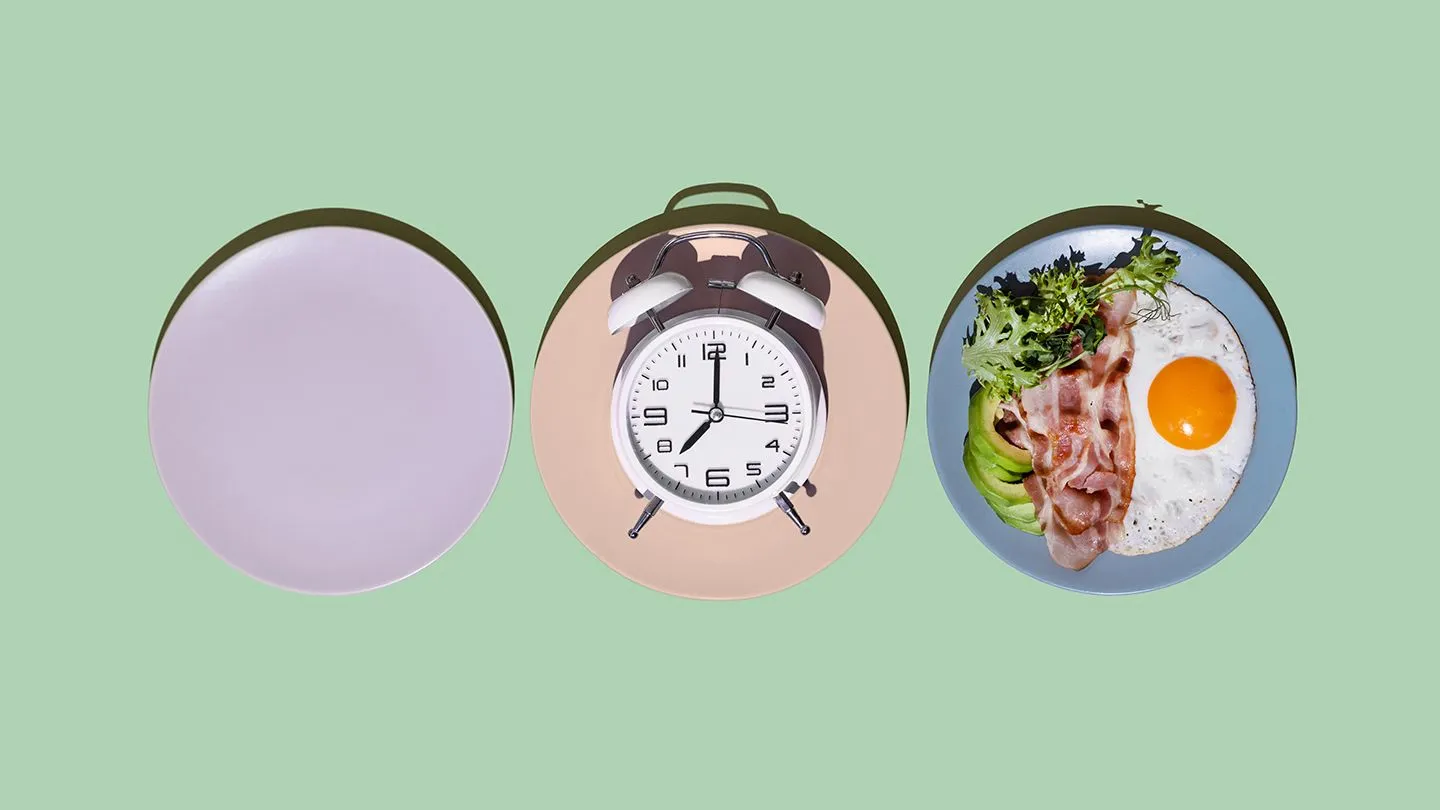

Combining intermittent fasting (IF) with a ketogenic (keto) diet has become the nutrition-world equivalent of putting a jet engine on a bicycle:
people do it because they want to go faster. Specifically, they want faster weight loss, fewer cravings, and a simpler routine.
And yessometimes the combo helps. But it can also backfire if you treat it like a “two diets are better than one” hack.
Here’s the deal: keto changes what you eat (very low carbs, higher fat, moderate protein). Intermittent fasting changes when you eat (a daily eating window or scheduled fast days).
Put them together and you’re dialing two powerful appetite-and-energy levers at once. For some people, that’s a smooth ride. For others, it’s dizziness, constipation, mood swings, and a 9 p.m. fridge raid that makes raccoons look disciplined.
This guide breaks down what research and major U.S. medical institutions say, who should be cautious, and how to combine keto and intermittent fasting in a way that’s more “sustainable lifestyle” and less “I lasted four days and now I hate everyone.”
Quick Refresher: What Keto and Intermittent Fasting Actually Are
Keto in plain English
A keto diet is a very low-carbohydrate eating pattern designed to shift your body toward using fat for fuel and producing ketones (a state often called “nutritional ketosis”).
Many people keep carbs extremely low (often in the 20–50 grams/day range, though tolerance varies), prioritize protein, and get most remaining calories from fats.
Keto is also famously restrictive. That’s not automatically badbut it does mean you need to plan for fiber, electrolytes, and micronutrients, not just bacon memes.
Intermittent fasting in plain English
Intermittent fasting is an eating schedule that alternates between fasting and eating periods. Popular versions include:
- 12:12 (12 hours fasting, 12 hours eatingoften a gentle starting point)
- 14:10 or 16:8 (time-restricted eating)
- 5:2 (two lower-calorie days per week)
- Alternate-day fasting (more intense, not for everyone)
Importantly, IF is not a magic spell. Many studies suggest it can help with weight loss and metabolic markers, but results often come down to an unglamorous truth:
people tend to eat fewer calories when their eating window shrinks.
Why People Combine Keto and Intermittent Fasting for Weight Loss
If keto and IF each have a “superpower,” it’s this:
keto can reduce appetite and cravings for some people, and intermittent fasting can reduce the number of opportunities to snack.
Put together, the combo can make a calorie deficit feel less like punishment and more like… a routine.
Common reasons the combo feels easier (at first)
- Appetite reduction: Some people feel less hunger once they’re adapted to lower carbs, which can make fasting windows easier.
- Fewer decisions: Eating twice a day (instead of six times “because metabolism”) can simplify life.
- Craving control: Cutting refined carbs may reduce “I need something sweet right now” moments.
- Consistency: A structured schedule can help people who do best with clear rules.
There’s also the “fat-burning” appeal: keto encourages fat use, fasting also encourages fat use, so people assume the combo must be double fat-burning.
It’s not that simplebut it’s also not nonsense. The big question is whether it’s helpful and safe for you.
What the Science Says (and What It Doesn’t)
Let’s separate three things people often mash together:
ketosis (a metabolic state),
weight loss (a long-term outcome),
and health improvement (a broad category that includes cholesterol, blood pressure, glucose control, and more).
They can overlap, but they aren’t identical twins.
Intermittent fasting: promising, but not automatically superior
Major medical and public health sources describe intermittent fasting as a potentially useful tool for weight loss and metabolic healthespecially time-restricted eating.
But controlled studies also suggest that calories still matter and that time windows don’t always beat structured meal plans.
Translation: IF can work, but it’s not required for weight loss.
Keto: often effective short-term, mixed long-term picture
Keto and very low-carb diets often lead to weight lossespecially early on. Some of that early drop is water weight (carbs store water with glycogen).
Longer-term outcomes vary widely, partly because sticking to keto can be tough, and partly because “keto” in real life ranges from
“salmon, olive oil, veggies, and nuts” to “processed meats plus cheese forever,” which are not the same diet wearing different hats.
The combo: limited direct research, lots of plausible mechanisms
Research specifically on keto + intermittent fasting together is still limited compared with the ocean of studies on each approach individually.
Some clinical reports and reviews suggest the combination can improve glycemic control and weight in certain populations, but it can also raise safety concernsespecially for people with diabetes on medication.
The safest takeaway: if combining the diets helps you eat fewer calories, maintain protein intake, and stay consistent without feeling miserable,
it may support weight loss. If it makes you dizzy, constipated, anxious, or obsessed with food, it’s not a winit’s just suffering with a schedule.
Potential Benefits (Beyond the Scale)
People often start keto + intermittent fasting for weight loss, but they hope for bonus perks too. Some benefits that are commonly reported or studied include:
- Improved insulin sensitivity and better blood sugar control in some people (especially when weight loss occurs).
- Lower blood pressure in some time-restricted eating studies.
- Reduced late-night snacking (if your eating window ends earlier).
- More predictable hunger cues once a routine is established.
Important caveat: if you have diabetes and take glucose-lowering medications (especially insulin or sulfonylureas), fasting and very low-carb eating can increase the risk of hypoglycemia.
“Better blood sugar” is not always a positive if it happens because your blood sugar went too low.
Risks, Side Effects, and “Don’t Ignore That” Warning Signs
Keto and intermittent fasting each come with potential side effects. Combine them and you may amplify the same issuesespecially in the first few weeks.
Common (and usually temporary) issues
- Headache, fatigue, irritability: often related to adaptation, hydration, and electrolyte shifts.
- Constipation: common when fiber drops and fluids/electrolytes aren’t managed.
- Dizziness or lightheadedness: can happen if calories drop too sharply or if electrolytes are off.
- Sleep problems: sometimes occurs when fasting windows are too aggressive or stress hormones rise.
Hormones and women: worth extra caution
Some clinicians warn that intermittent fasting may affect reproductive hormones and stress response in some women, especially those of childbearing age or who are already under significant stress.
This doesn’t mean women “can’t” do IFit means the dosage matters. A gentle 12:12 or 14:10 may feel very different from pushing daily 18–20 hour fasts.
Heart health: quality of fats matters
A keto diet can be built around unsaturated fats (olive oil, nuts, avocado, fatty fish) or around lots of saturated fat (butter, processed meats, heavy cream).
Major heart-health organizations emphasize limiting saturated fat and prioritizing unsaturated fats for cardiovascular risk reduction.
If your “keto” looks like a parade of bacon and cheese, you may be winning the carb battle and losing the bigger war.
Ketosis vs. ketoacidosis (not the same thing)
Nutritional ketosis is a normal metabolic state that can occur with carbohydrate restriction or fasting.
Diabetic ketoacidosis (DKA) is a dangerous condition most often affecting people with diabetes when insulin is insufficient and ketones rise along with acid buildup.
If you have diabetesespecially type 1, or type 2 with insulin dependencedo not combine keto and fasting without medical supervision.
Also note: certain diabetes medications (notably SGLT2 inhibitors) can increase the risk of euglycemic DKA, where blood glucose may not be extremely high but ketones are dangerously elevated.
Red-flag symptoms: get help
Stop and seek medical advice urgently if you experience symptoms like severe nausea/vomiting, confusion, rapid breathing, fruity breath with feeling very ill, fainting, or signs of severe hypoglycemia
(shaking, sweating, confusion, fast heartbeat). Weight loss is not supposed to feel like a medical emergency.
Who Should Avoid (or Be Very Careful With) Keto + Intermittent Fasting
This combo isn’t a good DIY project for everyone. You should avoid or use extra caution if you are:
- Pregnant, trying to conceive, or breastfeeding (you need steady nutrition and energy)
- Underweight or have a history of disordered eating
- Living with type 1 diabetes or type 2 diabetes on insulin/sulfonylureas (hypoglycemia risk)
- Taking SGLT2 inhibitors (discuss keto/fasting risks with your clinician)
- Managing kidney disease, recurrent kidney stones, or severe liver disease
- Prone to gallbladder issues (rapid weight loss can trigger gallstones in susceptible people)
- On medications that affect blood pressure or fluid balance (fasting + low-carb can change hydration needs)
If any of those apply, the “best” plan may be a less extreme approach: modest calorie deficit, higher protein, strength training, and a feeding schedule that doesn’t make your body panic.
How to Combine Keto and Intermittent Fasting Safely (and Actually Stick With It)
If you’re going to combine them for weight loss, your goal is not to be the toughest person in the room.
Your goal is to be the person who can still do it six weeks from now without hating food, friends, and daylight.
Step 1: Don’t start both aggressively on Day 1
Choose one change first:
- Option A: Start keto for 1–2 weeks, then add a gentle fasting window (12:12 → 14:10 → 16:8 if it feels good).
- Option B: Start time-restricted eating at 12:12 or 14:10, then reduce carbs gradually.
Step 2: Build “keto” around nutrient-dense foods, not just low carbs
A smarter keto plate often includes:
- Protein: eggs, poultry, fish, Greek yogurt (if tolerated), tofu/tempeh (yes, those can be keto-friendly)
- Non-starchy vegetables: leafy greens, broccoli, cauliflower, peppers, zucchini, mushrooms
- Fats: olive oil, avocado, nuts/seeds, fatty fish
- Fiber helpers: chia/flax, low-carb veggies, psyllium (if needed)
Step 3: Prioritize protein (especially for weight loss)
Keto is not “eat unlimited fat.” For weight loss, protein matters for satiety and muscle preservation.
Many people do better aiming for a solid protein target each day and using fats to feel satisfiednot stuffed.
Step 4: Treat electrolytes like part of the plan, not an afterthought
Low-carb eating and fasting can increase fluid and electrolyte shifts, especially early on.
If you’re getting headaches, cramps, or dizziness, the issue may be hydration/sodium/magnesiumnot “lack of willpower.”
(Also: don’t mega-dose random supplements without guidance, especially if you have heart or kidney issues.)
Step 5: Pick an eating window that fits your real life
The best fasting schedule is the one you can do while living like a human. Examples:
- 14:10 with lunch + dinner (often easier than skipping dinner)
- 16:8 with a 12 p.m.–8 p.m. window (common, flexible)
- Early time-restricted eating (finish dinner earlier if late-night snacking is your kryptonite)
Step 6: Watch for the “binge-restrict” trap
If fasting makes you so hungry that you eat past comfortable fullness, the schedule isn’t working.
A modest eating window with consistent meals usually beats extreme fasting followed by chaos.
Example: A Simple Keto + 16:8 Day (No Fancy Unicorn Foods Required)
Fasting window: 8 p.m. – 12 p.m. (water, black coffee/tea if tolerated)
Eating window: 12 p.m. – 8 p.m.
Meal 1 (12 p.m.)
- Big salad with chicken or salmon
- Olive oil + vinegar dressing
- Avocado or a small handful of nuts
Snack (optional)
- Plain Greek yogurt (or unsweetened alternative) with chia seeds
- Or: celery + nut butter
Meal 2 (7 p.m.)
- Turkey burger or tofu stir-fry
- Roasted broccoli/cauliflower
- Optional: berries in a small portion if it fits your carb target
Notice what’s missing: a stick of butter in coffee as a personality trait.
If you like it and it fits your calories, finebut it’s not required.
Troubleshooting: When the Combo Isn’t Working
If you’re not losing weight after the first few weeks
- Check portions of calorie-dense foods (nuts, cheese, oils can quietly add up).
- Make sure protein is adequate and consistent.
- Consider a slightly wider eating window if you’re rebounding with overeating.
- Add resistance trainingprotecting muscle helps long-term results.
If you feel awful (headaches, dizziness, constant fatigue)
- Scale back: try 12:12 or 14:10 first.
- Review hydration and electrolytes.
- Ensure you’re eating enough overall“weight loss” shouldn’t equal “near-fainting.”
- Talk to a clinician if symptoms are significant or persistent.
If constipation is your new full-time job
- Increase low-carb vegetables and fiber add-ins (chia/flax/psyllium).
- Increase fluids and consider magnesium (with medical guidance if needed).
- Don’t let your diet become 90% cheese. Your intestines did not sign up for that.
The Bottom Line
Intermittent fasting on keto can help some people lose weight because it often reduces appetite and total calories while simplifying food decisions.
But the combo is not automatically better than a well-designed, sustainable planand it can be risky for people with certain medical conditions or medications.
If you try it, start gently, prioritize protein and whole foods, manage electrolytes, and choose an eating window that fits your life.
The “best” plan is the one that helps you feel steady, not the one that makes you stare into the fridge like it’s a spiritual experience.
Real-World Experiences: What People Often Notice When Combining Keto and Intermittent Fasting (About )
In real life, combining keto and intermittent fasting tends to follow a few familiar story arcskind of like a movie trilogy, except with more meal prep and fewer car chases.
While everyone’s response is different, many people report a three-phase experience: an adjustment period, a “this is surprisingly easy” phase, and then the part where sustainability becomes the main character.
Phase 1: The “Why do I feel like a sleepy goblin?” week (Days 1–7).
When people cut carbs and shorten their eating window, it’s common to feel headachy, sluggish, and moodyespecially if hydration and electrolytes aren’t dialed in.
Some describe it as “keto flu plus a side of hangry.” A typical example: someone tries 16:8 on Day 1 of keto, skips breakfast, drinks coffee, powers through noon,
and then wonders why their brain feels like it’s buffering. Often, the fix isn’t dramatic: a less aggressive fasting window, more fluids, and more sodium can make a noticeable difference.
Phase 2: The “Wait… I forgot to snack” phase (Weeks 2–4).
Once the initial adaptation settles, many people notice that hunger feels calmer and more predictable.
They might naturally drift toward two meals a day without feeling deprived. This is the period where people say,
“I can finally stop thinking about food every 20 minutes,” which is honestly a premium feature of adulthood.
Busy professionals often like this phase because it reduces decision fatiguefewer meals to plan, fewer opportunities to graze.
Some also report improved control around sweets simply because those foods aren’t part of the plan anymore.
Phase 3: Sustainability auditions (Weeks 4–8 and beyond).
This is where the combo either becomes a workable routine or starts to crack.
A common issue is accidentally creating a too-large calorie deficitespecially for people who train hard or have demanding schedules.
They might do fine all day, then experience intense hunger at night and overeat during the eating window. Another frequent experience is the social factor:
dinners, celebrations, or travel can collide with rigid windows and strict carb limits. People who keep the most consistent results tend to treat the plan like a framework,
not a prison: they widen the eating window on high-activity days, focus on food quality (not just carb counts), and avoid turning “fasting” into a competitive sport.
Finally, many people find that the most useful lesson isn’t “keto + IF is the best.” It’s:
structure helps, but only if it supports your life. If the combo makes you feel steady, satisfied, and consistent, it can be a strong tool.
If it makes you anxious, dizzy, or obsessed with food, it’s a signal to adjustbecause the ultimate goal is weight loss you can keep, not a short-term streak you survive.