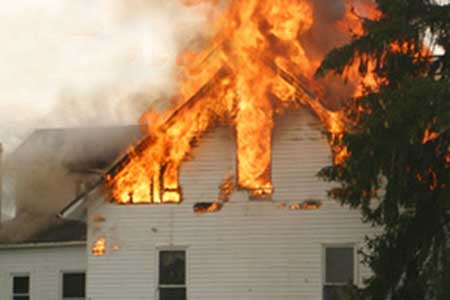

Fire is one of the only household “oops” moments that can go from tiny problem to life-altering event before your toast even has time to apologize.
The good news: insurance is built for exactly this kind of financial gut-punch. The tricky part: fire coverage is not a magic wandit’s a contract with limits,
exclusions, paperwork, deadlines, and a surprising amount of “did you keep the receipt for that?” energy.
This guide breaks down how Americans typically insure against fire, what policies usually cover (and what they don’t), how to avoid the classic mistakes that
turn claims into stress marathons, and how to build a simple “fire-ready” plan that protects your home, your stuff, and your sanity.
What “insuring against fire” really means
In the U.S., most people “insure against fire” through a property policymost commonly homeowners insurance (for a house), condo insurance (for a unit),
or renters insurance (for your belongings and liability). Fire is usually a covered peril in these policies. But the real protection comes from how your
coverages are set up: your limits, your deductible, your settlement type (replacement cost vs. actual cash value), and a few add-ons that matter a lot after flames meet drywall.
The core coverages that matter after a fire
- Dwelling coverage: Helps repair or rebuild the structure of your home after a covered fire.
- Other structures: Covers detached items like garages, sheds, or fences (policy terms vary).
- Personal property: Helps replace belongings damaged by fire, smoke, or even water used to put the fire out (subject to limits and settlement type).
- Loss of use / Additional Living Expenses (ALE): Helps pay extra costs if you can’t live at home during repairsthink temporary housing and increased living costs.
- Personal liability: Helps if someone gets hurt or property is damaged and you’re found responsible (not “fire coverage,” but still relevant in fire scenarios).
If you take nothing else from this article, take this: the label “covered” is not the same as “fully paid.” You’re covered up to your limits,
minus your deductible, and subject to the rules in your policy. That’s why setup matters.
Fire, smoke, and “the water that saved your house”
After a fire, damage rarely comes in a neat, single-flavor package. It’s often a combo platter: flames + smoke + soot + the heroic water that prevented the fire
from becoming an Instagram headline. Many standard policies treat fire as a covered peril and will typically address related damage like smoke and the water used in firefighting,
but your payout still depends on your limits, your settlement type, and documentation.
Smoke damage: the sneaky villain
Smoke damage can affect walls, HVAC systems, insulation, furniture, and electronicseven when flames never touched them. It’s also where disputes sometimes start,
because smoke can leave odors and residue that aren’t always “visible” in the way a charred beam is. A smart move is to document everything early and clearly:
photos, videos, and notes about what rooms smell like smoke, what surfaces are stained, and what items were exposed.
Replacement cost vs. actual cash value: the difference between “fine” and “financial faceplant”
Two identical houses can have wildly different outcomes after a fire because of one nerdy-sounding detail:
replacement cost vs. actual cash value (ACV).
Actual Cash Value (ACV)
ACV typically pays the depreciated value of what was damaged. Translation: your 8-year-old couch does not get treated like a newborn couch. You’ll get less than it costs to replace it,
because wear and tear is “baked in.”
Replacement Cost
Replacement cost coverage is designed to pay what it costs to replace the item (or rebuild the structure) with like kind and quality, without subtracting depreciation (subject to policy terms).
This is often the difference between “we can recover” and “we’re living in the land of folding chairs for two years.”
Practical example: If a fire destroys a 10-year-old roof or a well-loved sectional sofa, ACV may pay a fraction of today’s replacement price. Replacement cost is usually the better fit for
long-term financial protectionespecially in a world where construction and material costs can jump faster than your stress level.
Limits and deductibles: the guardrails that decide your check size
Your policy limit is the maximum your insurer will pay for a covered loss under that coverage bucket. Your deductible is what you pay out of pocket before insurance starts paying.
If your dwelling limit is too low, insurance can’t magically invent extra dollars. (If it could, it would probably also refill your coffee and fold laundry. Sadly, no.)
How people accidentally underinsure
- Confusing market value with rebuild cost: Your home’s real estate price includes land value. Fire doesn’t burn the land. Rebuild cost is the key number.
- Ignoring code upgrades: After a major loss, you may be required to rebuild to newer building codes. Some policies offer “ordinance or law” coverageothers don’t unless added.
- Assuming “other structures” is plenty: Detached garages and sheds can be expensive to rebuild, especially with electrical upgrades or specialized construction.
- Forgetting high-value items: Jewelry, art, collectibles, and some electronics can have special sub-limits unless scheduled or endorsed.
A healthy setup usually means: dwelling coverage that reflects realistic rebuild cost, personal property limits that match your actual stuff, and a deductible you could pay
without having to sell a kidney on the dark web. (Insurance companies do not accept kidneys as payment. Yet.)
Wildfire reality: when “fire is covered” gets complicated
In many parts of the U.S., wildfire risk has changed the insurance conversation. Standard homeowners insurance often covers fire, including wildfire, but availability and pricing in high-risk areas
can be a challenge. Some homeowners end up using “last resort” options (such as state FAIR Plans in certain states) when they can’t find coverage through the traditional market.
If you’re in a high-risk area, focus on three things
- Confirm you have adequate fire coverage (and understand any special terms or limitations).
- Ask about coverage gaps you may need to fill (for example, broader coverage wrapped around a basic fire policy, depending on your state and insurer options).
- Reduce your home’s ignition risk with practical mitigation steps that may also help with eligibility or pricing.
The point isn’t to panicit’s to be precise. In wildfire-prone regions, “close enough” planning can become “not enough” at exactly the wrong moment.
Renters and condo owners: yes, you still need fire coverage
If you rent, the building is your landlord’s problemyour stuff is your problem. Renters insurance commonly covers personal property losses from covered perils like fire,
and can also include liability and additional living expenses if your unit becomes unlivable.
If you own a condo, your condo association may insure parts of the building, but your unit’s interior finishes, upgrades, and your personal property may require your own condo policy.
The “who covers what” split can be confusing, so review your association’s master policy and align your personal coverage accordingly.
Before a fire: set up your “future self” for a smoother claim
Fire claims are easier when you can prove what you owned, what condition it was in, and what it costs to replace. You do not need a Hollywood-level inventory system.
You need something you can maintain in real lifebecause “real life” is already busy enough.
A simple pre-fire checklist
- Do a home video walkthrough once a year: open closets, show electronics, capture serial numbers when easy.
- Save key documents in a secure cloud folder: policy declarations, IDs, receipts for big purchases, appraisals.
- Know your coverages: dwelling limit, personal property limit, ALE limit (or time/percentage cap), deductible, and any special endorsements.
- Plan for temporary living: where would you go for a week? A month? Keep a short list of options.
- Reduce fire risk: smoke alarms, extinguishers, safe cooking habits, and (if applicable) wildfire hardening around your home.
After a fire: a calm, step-by-step insurance game plan
After a fire, your first job is safety. Your second job is preventing additional damage. Your third job is building a clean, well-documented claim file so you can get paid
what your policy promiseswithout turning it into a second full-time job.
Step 1: Safety and access
Don’t re-enter until authorities say it’s safe. Fires can leave structural hazards, toxic smoke residue, and electrical risks even after the flames are gone.
Step 2: Notify your insurer ASAP
Open the claim as soon as you can. Early notice helps get adjusters, emergency services, and ALE guidance moving faster. Keep notes of who you spoke with, when,
and what they said.
Step 3: Document everything (like you’re building a case file)
- Photos and videos from multiple angles
- A written list of damaged rooms and items
- Receipts for emergency purchases and temporary repairs
- Records of hotel stays, meals, laundromat runs, pet boardinganything tied to displacement (ALE)
Step 4: Prevent further damage (but don’t rush into permanent repairs)
Most policies expect you to take reasonable steps to prevent additional damagelike boarding up openings or tarping a roof. Save all receipts.
Permanent repairs are usually better handled after the insurer has inspected or given direction, unless there’s an urgent safety issue.
Step 5: Understand how payouts often work
Many claims involve a mix of payments: an initial amount to start repairs or replace essentials, and additional amounts after documentation, inspections, or proof of replacement.
If your personal property is settled on an ACV basis first, some policies pay the remaining amount after you actually replace the itemsso track what you replace and keep proof.
Step 6: If a disaster declaration applies, know how FEMA fits in
If there’s a federally declared disaster, FEMA assistance may help eligible survivors with certain needsbut generally can’t duplicate what insurance covers.
That’s one reason it’s important to file your insurance claim promptly and keep claim documentation organized.
Fire prevention that supports insurability (and helps you sleep better)
Insurance is about money. Fire safety is about lives. Conveniently, a few safety upgrades can do both: reduce the chance of a major fire and strengthen your position
when shopping for coverageespecially in higher-risk regions.
Inside the home
- Smoke alarms: Place them correctly (generally on every level, and in/near sleeping areasfollow manufacturer guidance).
- Regular testing: Test monthly, replace batteries as needed, and replace units when they reach end-of-life.
- Kitchen rules: Stay in the kitchen while cooking. Most “small” home fires start with “I’ll be right back.”
- Electrical sanity checks: Don’t overload outlets; address flickering breakers; use licensed electricians for upgrades.
Wildfire zones: focus on ember defense and the “home ignition zone”
In wildfires, embers can be the main troublemakerfinding their way into vents, under decks, in gutters, or into dry vegetation near the house.
Practical steps include cleaning debris from roofs and gutters, upgrading vents to resist ember entry, and managing vegetation and materials close to the home.
Community programs that encourage neighbors to reduce wildfire risk can also help, because wildfire doesn’t respect property lines.
Common mistakes that turn fire claims into headaches
- Choosing the cheapest personal property settlement: ACV can leave you short when replacing essentials.
- Not tracking ALE spending: You may need receipts and explanations for “increased” costs.
- Throwing away damaged items too soon: Insurers may need to inspect items. When in doubt, document first and ask.
- Underestimating rebuild cost: Construction inflation and code compliance can change what rebuilding really costs.
- Forgetting sub-limits: Jewelry, collectibles, cash, and certain business property may have special caps.
Quick FAQ
Does homeowners insurance cover accidental house fires?
Often, yesfire is commonly a covered peril. Coverage depends on your policy terms, limits, and exclusions.
What if the fire starts because I made a mistake?
Insurance is generally designed for accidents, not perfection. Negligence is different from intentional damage, though, and policy rules matter.
If you intentionally set a fire, don’t expect coverage.
Will insurance pay for a hotel and meals if we can’t live at home?
Many policies include Additional Living Expenses (ALE) or loss-of-use coverage for the extra costs of living elsewhere due to a covered loss.
Keep receipts and track the “extra” part compared to normal spending.
Conclusion: insure like a realist, not an optimist
Insuring against fire isn’t about being pessimisticit’s about being prepared. The strongest fire insurance plan usually has three legs:
(1) the right policy structure (limits, deductible, replacement cost where it counts),
(2) a simple documentation habit (inventory and receipts for big-ticket items),
and (3) prevention (smoke alarms, smart maintenance, and wildfire hardening where relevant).
If you want a practical next step today: pull up your declarations page, check your dwelling limit, personal property limit, and ALE coverage,
and ask yourself one honest question: “If the worst happened, would this be enough to rebuild our normal life?” If the answer is “maybe,” you’ve found your homework.
Real-World Experiences: What People Learn the Hard Way After a Fire (About )
Fires don’t just damage propertythey scramble routines, priorities, and decision-making. And while every situation is different, the experiences people report after a house
or apartment fire tend to rhyme. Here are a few real-world patterns (and the lessons hidden inside them) that can make your own plan smarter.
Experience #1: “It was a small kitchen fire… until it wasn’t.”
A pan flares up, someone grabs water (please don’t), and suddenly there’s smoke everywhere, cabinets are scorched, and the microwave looks like it fought a dragon.
The surprising part isn’t the damageit’s how expensive “small” can be. Even if flames never spread far, smoke and soot can migrate through vents and settle in places you’d never think to check.
The lesson: document early, and don’t minimize what happened when you open the claim. “It’s just smoke” can still mean professional cleaning, HVAC attention, and replacing porous items that hold odor.
Experience #2: “We didn’t lose everything… but we couldn’t live there.”
Many households discover that displacement is the real budget-breaker. Hotels, short-term rentals, pet boarding, commuting changes, and “we’re too tired to cook” meals add up fast.
People who track ALE spending from day one (a simple notes app + photo receipts) tend to have smoother reimbursements and fewer arguments. People who toss receipts into a mystery bag
often end up with the emotional sequel: Receipt Hunt 2: The Search for Lost Sandwiches. The lesson: treat ALE like a mini business expense reportannoying, but powerful.
Experience #3: “We were underinsured and didn’t know it.”
This one hits hard. Home values rise, remodels happen, construction costs jump, and policies sometimes lag behind reality. After a fire, people learn that “what the house would sell for”
isn’t the same as “what it costs to rebuild.” If code upgrades are required, costs can climb further. The lesson: review rebuild estimates periodically and ask about ordinance-or-law coverage,
especially if your home is older or you’ve renovated.
Experience #4: “Our stuff list took forever.”
The personal property inventory can feel impossible because it’s not just furnitureit’s every towel, every cord, every pair of shoes, every kitchen gadget you forgot you owned.
People who had even a basic pre-loss video walkthrough describe a huge difference: they weren’t relying on memory in the middle of chaos. The lesson: a 10-minute annual phone video is a quiet superpower.
Experience #5: “Wildfire risk changed our entire insurance strategy.”
In wildfire-prone regions, people often learn that insurance shopping isn’t just about price; it’s also about availability and coverage structure. Some end up combining policies or adding mitigation measures
(like clearing debris, improving vents, and reducing near-home combustibles) to stay eligible or improve terms. The lesson: in high-risk areas, prevention and insurance planning are a team sportyour home,
your community, and your coverage all influence outcomes.
The best “experience” is the one you never have to live through. But if a fire does happen, a well-structured policy, clean documentation, and a calm, step-by-step approach can reduce the financial damage
and shorten the time it takes to feel normal again.