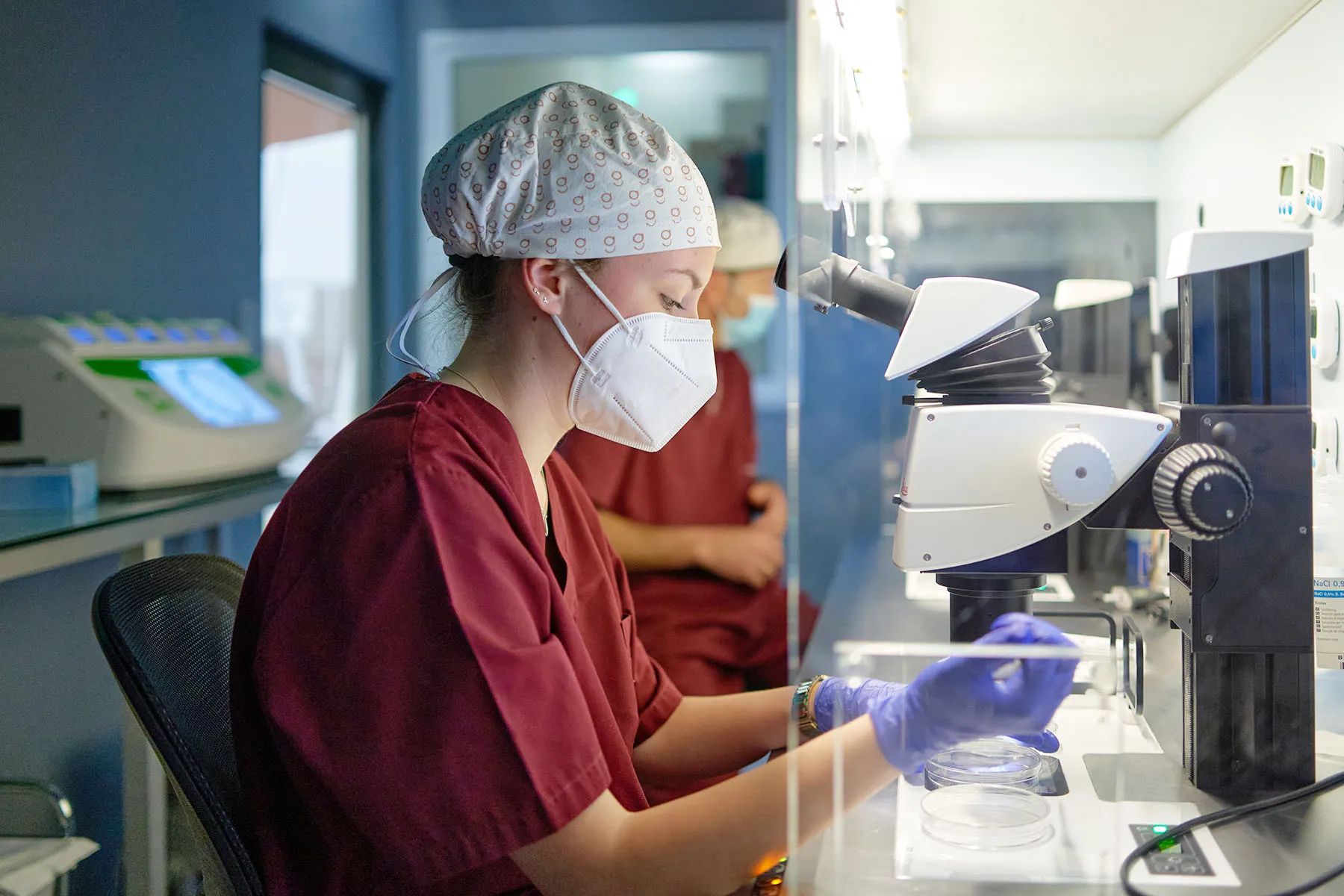

IVF has a reputation that’s part science, part suspense thriller: needles, lab dishes, phone calls that make your heart do parkour,
and an amount of calendar coordination that could qualify as an Olympic event. But underneath all the drama, IVF is a structured,
evidence-based fertility treatment that’s helped millions of families growstep by step, appointment by appointment, and sometimes
“cycle by cycle.”
This guide walks you through how IVF works, what actually happens during an IVF cycle, the biggest risks (from “annoying but common”
to “rare but important”), and how to interpret IVF success rateswithout drowning you in medical jargon or pretending emotions are
optional. (Spoiler: they’re not.)
What Is IVFand Who Is It For?
In vitro fertilization (IVF) is an assisted reproductive technology (ART) treatment where eggs are retrieved from
the ovaries, fertilized with sperm in a lab, and then an embryo is transferred into the uterus in hopes of pregnancy. It’s often
recommended when other treatments haven’t worked or when IVF offers the best odds from the start.
Common reasons people use IVF
- Blocked or damaged fallopian tubes (IVF can bypass the tubes completely)
- Male factor infertility (low count, motility, or morphology; IVF with ICSI may help)
- Ovulation disorders or diminished ovarian reserve
- Endometriosis or pelvic scarring affecting fertility
- Unexplained infertility after trying without a clear cause
- Genetic concerns (when preimplantation genetic testing is considered)
- Fertility preservation (embryo freezing prior to medical treatment or life timing)
- Family-building options for single parents by choice or same-sex couples (often with donor eggs/sperm and/or a gestational carrier)
How IVF Works: The Procedure (Step by Step)
An IVF cycle isn’t one single procedureit’s a series of phases. Most cycles take several weeks from start to pregnancy test, and
the exact path depends on your diagnosis, age, lab strategy, and whether you’re doing a fresh or frozen embryo transfer.
Step 1: Ovarian stimulation (a.k.a. “Let’s recruit more than one egg”)
In a typical menstrual cycle, your body chooses one dominant egg. IVF tries to mature multiple eggs at once using injectable
fertility medications. Monitoring is frequent and includes ultrasounds (to measure follicles) and bloodwork (to track hormone levels).
Real-life example: Someone might take injections for 8–14 days, come in for ultrasounds every few days, and get dose changes
depending on how their ovaries respond. (Yes, your ovaries can be overachievers or late bloomers. Both are frustrating in different ways.)
Step 2: Trigger shot (timing is everything)
When follicles look ready, a “trigger” medication prompts final egg maturation. Egg retrieval is typically scheduled about
34–36 hours after the triggerbefore ovulation occursbecause the goal is to retrieve eggs from follicles, not play
hide-and-seek after they’ve been released.
Step 3: Egg retrieval (outpatient, sedated, and surprisingly fast)
Egg retrieval is usually an outpatient procedure with sedation. A transvaginal ultrasound guides a thin needle through the vaginal
wall into the follicles, and suction collects the eggs. Many people go home the same day with instructions to rest and hydrate.
What it feels like afterward: cramping, bloating, and fatigue are common. Think “period cramps meet post-workout soreness,”
with a side of “I might nap right here on this couch forever.”
Step 4: Fertilization in the lab (classic IVF or ICSI)
In the lab, eggs and sperm are combined to create embryos. Fertilization may happen by:
- Conventional IVF: eggs and sperm are placed together and fertilization occurs naturally
- ICSI (intracytoplasmic sperm injection): a single sperm is injected directly into an eggoften used for male factor infertility or prior fertilization issues
Step 5: Embryo culture (the “wait and watch” stage)
Embryos develop for several days in the lab. Many clinics culture embryos to the blastocyst stage (often day 5–7),
when embryo selection and transfer may be more informative. You may hear about embryo “grading,” which is a lab-based way of describing
embryo appearance and developmentuseful, but not a guarantee.
Step 6: PGT (optional): genetic testing before transfer
Some patients choose preimplantation genetic testing (PGT). PGT-A screens for chromosomal differences; other types
(like PGT-M) test for specific inherited conditions. This step typically requires embryo biopsy and often leads to a frozen transfer
while results are processed.
Important nuance: PGT can be helpful in certain situations, but it’s not automatically right for everyone. It also doesn’t test for
every possible genetic condition or guarantee a healthy pregnancyso it should be discussed carefully with a fertility specialist and,
when appropriate, a genetic counselor.
Step 7: Embryo transfer (the calmest part of a not-calm journey)
Embryo transfer is usually quick and often feels similar to a pap test. A thin catheter places the embryo into the uterus.
Many clinics increasingly favor single embryo transfer when appropriate to reduce the risk of twins or higher-order
multiples, which carry greater pregnancy risks.
Step 8: Luteal support and “the two-week wait”
After transfer, progesterone support is common. Then comes the waittypically around 9–14 days for pregnancy testing.
This phase is famous for turning calm, reasonable adults into full-time symptom detectives. (Pro tip: your uterus does not issue press releases.)
Fresh vs. Frozen Embryo Transfer: What’s the Difference?
In a fresh transfer, an embryo created in the same cycle is transferred a few days after retrieval.
In a frozen embryo transfer (FET), embryos are frozen and transferred in a later cycle.
Why some people choose frozen transfer
- Time for PGT results (testing usually takes longer than a fresh transfer window)
- Lower risk strategy for those at higher risk of ovarian hyperstimulation syndrome (OHSS)
- Scheduling and uterine preparation in a more controlled setting
- Future family building using embryos already created
Frozen transfers are widely used, and many programs report pregnancy rates that are similar tosometimes even higher thanfresh transfers,
depending on patient factors and clinic protocols.
IVF Risks and Side Effects (What to Watch For)
IVF is considered generally safe, but it’s not risk-free. The key is understanding what’s common, what’s rare, and what requires a call
to your clinic right away.
Common side effects (usually temporary)
- Bloating, cramping, and pelvic discomfort (especially after retrieval)
- Breast tenderness, fatigue, mood swings (hello, hormones)
- Injection site bruising or soreness
- After transfer: mild cramping, bloating, constipation, or light spotting
Procedure-related risks (uncommon but real)
- Egg retrieval complications: bleeding, infection, or injury to nearby organs (rare)
- Embryo transfer complications: uncommon; clinics take precautions to minimize risk
- Anesthesia/sedation risks: typically low, but discussed beforehand
Ovarian Hyperstimulation Syndrome (OHSS)
OHSS is an exaggerated response to stimulation medications. Mild OHSS is relatively common and can involve bloating, nausea, and
short-term weight gain. Severe OHSS is much rarer but can require medical care. Clinics reduce risk with careful monitoring, medication
adjustments, and (in higher-risk cases) strategies like freezing all embryos and transferring later.
Multiple pregnancy (twins and beyond)
IVF can increase the likelihood of twins or higher-order multiples if more than one embryo is transferred. Multiple pregnancy is linked
to higher risks for both the pregnant person and babies (such as preterm birth). This is a major reason many clinics push for single embryo
transfer when appropriateaiming for “one healthy baby at a time” instead of “two tiny roommates competing for space.”
Ectopic pregnancy, miscarriage, and pregnancy complications
IVF does not eliminate the risk of miscarriage or ectopic pregnancy. Underlying health factors, age, embryo quality, and uterine conditions
still matter. If you become pregnant through IVF, your clinic will monitor early pregnancy closely.
Emotional and financial stress (not a side effect, but definitely a factor)
IVF often comes with emotional whiplashhope, anxiety, disappointment, relief, and “why am I crying at a dog food commercial?” It’s also
expensive and time-consuming, which can impact work, relationships, and mental health. Many fertility organizations encourage building
support systems and stress-management strategies during treatment.
IVF Success Rates: What They Mean (and How to Read Them Without Panic-Googling)
“IVF success rate” sounds like a single number you can tattoo on your brain. In reality, success is reported in multiple waysper cycle start,
per retrieval, per transfer, and as cumulative success over time. National reporting systems and clinic dashboards try to standardize these
numbers, but they still require context.
Big factors that influence IVF success
- Age (especially egg age): egg quantity and quality generally decline with age
- Diagnosis: tubal factor, male factor, endometriosis, diminished ovarian reserve, unexplained, etc.
- Ovarian reserve markers: AMH, antral follicle count, and response to stimulation
- Embryo stage and quality: day-3 vs. blastocyst, embryo development
- Transfer approach: single embryo transfer vs. multiple embryo transfer
- Uterine factors: fibroids, polyps, adhesions, lining development
- Lab quality and clinic experience: embryo culture and cryopreservation matter
- Previous pregnancy or IVF history: including prior outcomes and prior cycles
Age-based success: a realistic (but not destiny) picture
Large U.S. reporting programs show a consistent pattern: success tends to be higher at younger ages and declines as egg age increases.
To illustrate the trend, here are examples from national outcome reporting for patients using their own eggs (non-donor), with blastocyst
transfers. These figures are shown as live birth per transfer and vary by transfer type and whether PGT-A was used.
| Age at Retrieval | Fresh Transfer (No PGT-A), Live Birth per Single Embryo Transfer | Frozen Transfer (No PGT-A), Live Birth per Single Embryo Transfer | Frozen Transfer (With PGT-A), Live Birth per Single Embryo Transfer* |
|---|---|---|---|
| < 35 | 44.4% | 46.6% | 54.5% |
| 35–37 | 37.4% | 39.9% | 53.2% |
| 38–40 | 23.7% | 32.6% | 51.4% |
| 41–42 | 14.7% | 27.8% | 49.9% |
| > 42 | 5.1% | 21.9% | 46.3% |
*Important note about the PGT-A column: these figures typically include only embryos that were biopsied and deemed suitable for transfer.
They may not capture cycles canceled earlier or cycles where no embryos were suitable. That’s why PGT-A success numbers can look higher
the data set is “who made it to transfer,” not “who started the cycle.”
Single embryo transfer vs. multiple embryo transfer: the “twin trap”
Transferring more than one embryo can increase the chance of pregnancy per transfer in some situations, but it also increases the chance
of twins or higher-order multiplesalong with the medical risks that come with multiple pregnancy. Many clinics now aim to maximize a healthy
singleton birth rate, not just a positive pregnancy test.
What to Ask Your Fertility Clinic Before Starting IVF
IVF is both medical care and a major life projectso it’s fair to ask questions like a project manager with a clipboard (a polite one).
Consider asking:
- Which success rates are most relevant for my age and diagnosis: per transfer, per retrieval, or cumulative over time?
- How often do you recommend single embryo transfer for patients like me?
- What’s your approach to reducing OHSS risk?
- Do you recommend ICSI or conventional fertilization in my caseand why?
- When is PGT helpful, and what are its limitations?
- What happens with extra embryos (freezing options, storage fees, long-term choices)?
- How do you support mental health during treatment (counselors, support groups, resources)?
- What’s the likely timeline and a realistic plan if the first cycle doesn’t work?
How to Prepare for IVF (Practically and Emotionally)
Practical prep
- Build an appointment buffer: monitoring visits can be frequent and last-minute
- Organize meds early: storage, mixing instructions, injection schedule, and refill timing
- Plan recovery days: especially for egg retrieval
- Know your call list: after-hours clinic number and what symptoms require urgent contact
Emotional prep
- Agree on communication styles: one partner may want to talk; the other may want to do dishes aggressively
- Pick your “support team” wisely: tell people who help, not people who panic
- Protect downtime: schedule non-fertility life on purpose (movies, hobbies, small joys)
- Consider counseling: fertility treatment can strain even strong relationships
Conclusion
IVF is not a single momentit’s a process: stimulation, retrieval, fertilization, embryo development, and transfer, followed by a waiting
period that feels like time has stopped for everyone except your anxiety. The best way to approach IVF is with clear expectations, a strong
partnership with your clinic, and success-rate literacy that goes beyond one headline number.
The goal isn’t “perfect.” The goal is informed decisions, safer strategies (like preventing OHSS and avoiding high-risk multiple pregnancies),
and a plan that fits your medical reality and emotional bandwidth. And if you need permission to laugh at the absurdity of labeling syringes at
10 p.m.consider this your official permission slip.
Real-World IVF Experiences (What People Often Wish They’d Known)
Even when you understand the science, IVF can still surprise youbecause your body doesn’t read the brochure, and your emotions definitely
don’t RSVP politely. Here are common experiences many people describe during IVF, presented in a way that’s honest, practical, and
hopefully comforting.
1) The schedule becomes the third person in your relationship
IVF monitoring appointments can pop up quickly, and timing changes based on how follicles grow. Many people find that the hardest part isn’t
actually the injectionsit’s reorganizing work, errands, and family life around ultrasounds and blood draws. A helpful mindset shift is to treat
the cycle like a short-term “project sprint.” You don’t need to do everything perfectly. You need a plan that reduces chaos: flexible work hours
if possible, a ride lined up for retrieval day, and a medication routine that won’t fall apart if you get stuck in traffic.
2) Injections are less scary than the anticipation of injections
People often report that the first injection is the worst because it’s new. After that, it becomes routinestill annoying, but manageable.
Tricks that many find helpful include setting up a calm “med station,” using phone alarms, and giving yourself a tiny reward afterward
(yes, even if you’re an adult; adults deserve stickers too). If you feel squeamish, ask your clinic about demonstration videos or a nurse-led
teaching session. Learning the “why” behind each medication can also make you feel less like a human pincushion and more like a teammate in
your own care.
3) Retrieval recovery is real (even if you look fine on the outside)
After retrieval, bloating and discomfort can be surprisingly intense. Many people describe feeling “puffy” and tender for a few days.
It’s common to need rest, hydration, and gentle movement. This is also where clinics emphasize watching for warning signs of OHSS, especially
if you had a strong response to stimulation. The takeaway: plan retrieval day like you would plan a minor procedure. Clear your calendar,
prep easy meals, and give yourself permission to be offline.
4) The lab phase can feel like you’re waiting for grades you can’t study for
Once eggs are retrieved, you may get updates on fertilization and embryo development. People often say this stage is emotionally intense because
it’s out of your hands. It can help to ask your clinic upfront: “How often will you update me, and on what days?” That way, you’re not
refreshing your phone every 12 seconds. (Because, yes, we all try it. No, it does not improve embryo development.)
5) The two-week wait is its own psychological event
After transfer, your brain may interpret every sensation as either “a sign” or “a bad sign.” Many people find it helpful to set rules like:
limit symptom-searching, plan low-stakes distractions, and choose one or two supportive people to check in with. Some couples schedule a
“no fertility talk” hour each evening to keep their relationship from turning into a medical podcast. If anxiety or sadness feels heavy, it’s
worth asking your clinic about counseling resourcessupport is not a luxury in IVF; it’s part of coping well.
6) It’s normal to grieve and hope at the same time
IVF often comes after months or years of disappointment, which means people may carry grief into the processeven while feeling hopeful.
That emotional mix is common and valid. If a cycle doesn’t work, many people describe a “double hit”: the loss of the outcome and the fear of
what comes next. In those moments, it can help to shift from “Why did it fail?” to “What information did we gain?” Sometimes the next step is
a protocol adjustment, a different transfer approach, further testing, or simply taking a break to recover physically and emotionally.
Most importantly: IVF doesn’t require you to be endlessly optimistic. It requires you to be supported, informed, and cared forby your clinic,
your people, and yourself. You’re allowed to take it one step at a time. You’re allowed to feel what you feel. And you’re allowed to keep
living your life while you build your family.