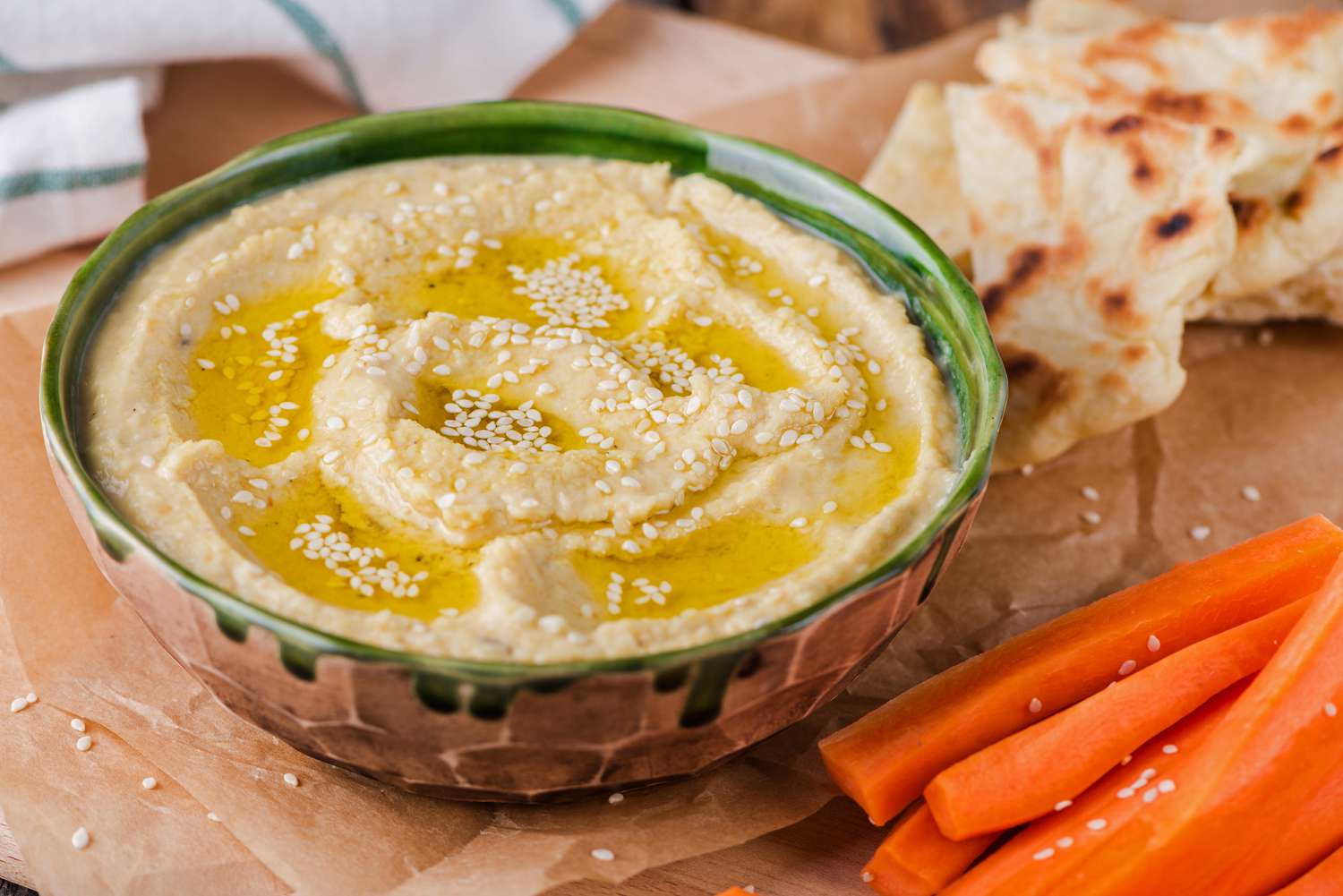

Ran out of tahini but still craving a bowl of creamy hummus to swipe with warm pita?
Good news: your hummus dreams don’t have to wait for a grocery run. Using
sesame oil instead of tahini is a smart, flavorful shortcut that gives you all
the nutty, toasty vibes of traditional hummus with ingredients you probably already have.
This guide walks you through an easy, blender-friendly hummus recipe without tahini,
plus pro tips for silky texture, bold flavor, and endless ways to serve it up for snacks,
meal prep, and party platters.
Why Make Hummus Without Tahini?
Classic hummus is built on chickpeas, tahini (sesame paste), lemon juice, garlic, and olive
oil. Tahini brings rich creaminess and a slightly bitter, nutty depth that defines the
traditional Middle Eastern dip.
But there are plenty of reasons you might skip tahini:
- You’re out of tahini. The most common one. Tahini isn’t always a pantry staple.
- It’s pricey or hard to find. In some areas, sesame oil is easier to grab than a jar of tahini.
- You want a milder flavor. Tahini can be intense and slightly bitter; sesame oil lets you dial the flavor in drop by drop.
- Texture control. Using oil instead of paste gives you flexibility with creaminess and consistency.
Several recipes and cooking sites agree that sesame oil can stand in for tahini
when you want that familiar sesame aroma without dealing with sesame paste.
Toasted sesame oil, in particular, offers a powerful nutty flavorso a little goes a long way.
Ingredients for Sesame Oil Hummus
This hummus recipe keeps things simple: pantry-friendly ingredients, one food processor (or
blender), and about 10 minutes of hands-on time.
Core Ingredients
-
1 (15-ounce) can chickpeas (garbanzo beans), drained and rinsed
You can also use about 1¾ cups of cooked chickpeas if you prefer cooking them from dry.
Chickpeas are the protein- and fiber-rich backbone of hummus. -
2–3 tablespoons fresh lemon juice
Lemon brightens the flavor and balances the richness of the oils. -
2 tablespoons olive oil
Adds fruity richness and helps create that luscious, spoonable texture. -
1½–2 tablespoons toasted sesame oil
The star of this version. Start with 1½ tablespoons; you can always add more to taste.
Toasted sesame oil is quite strong compared with tahini, so you don’t need much. -
2 cloves garlic, peeled
Raw garlic gives hummus its signature kick. If you’re garlic-shy, use 1 clove or roast it first. -
½ teaspoon ground cumin
A classic hummus spice that adds warmth and earthiness. -
½–¾ teaspoon salt, plus more to taste
Seasoning is crucial for hummus that doesn’t taste flat. -
¼ teaspoon black pepper (optional)
For a gentle peppery edge. -
3–5 tablespoons cold water or aquafaba (chickpea cooking liquid)
Adjust as needed for ultra-smooth texture. Using aquafaba can make hummus even creamier. -
1 small ice cube (optional but recommended)
Many home cooks find that blending hummus with an ice cube helps whip air into the mixture,
making it lighter and fluffier.
Optional Toppings and Mix-Ins
- Extra drizzle of olive oil and/or sesame oil
- Paprika, smoked paprika, or sumac for color and tang
- Chopped fresh parsley or cilantro
- Whole chickpeas, toasted seeds, or pine nuts
- Red pepper flakes for a spicy version
Step-by-Step: How to Make Hummus With Sesame Oil
-
Soften your chickpeas (optional but helpful).
For creamier hummus, you can simmer canned chickpeas in water for 10–15 minutes until
very tender, then drain. Some cooks also peel the chickpea skins to get a smoother
texture, though it’s not mandatory. -
Blend the aromatics first.
Add lemon juice, garlic, salt, cumin, and black pepper to the food processor. Pulse until
the garlic is finely chopped and the mixture looks slightly frothy. This step helps
mellow the raw garlic in the acid before you add the chickpeas. -
Add chickpeas and sesame oil.
Toss in the chickpeas, olive oil, sesame oil, 3 tablespoons of water or aquafaba, and the
optional ice cube. Blend on high for at least 1–2 minutes, scraping down the sides
as needed. -
Adjust texture.
If the hummus is too thick or grainy, continue blending for another 2–3 minutes,
adding more cold water or aquafaba a tablespoon at a time. Long blending is one of the big
secrets to velvety hummus, especially when using canned chickpeas. -
Taste and tweak.
Taste your sesame oil hummus. Need more brightness? Add a splash of lemon juice.
Want a stronger sesame flavor? Drizzle in another ½ tablespoon of sesame oil.
More salt or cumin? Go for it. Blend again briefly to combine. -
Serve and garnish.
Scoop the hummus into a shallow bowl. Use the back of a spoon to create swirls,
then top with olive oil, a few drops of sesame oil, paprika, chopped herbs, or
whole chickpeas. Serve with pita, crackers, or crisp veggies.
Tips for Ultra-Creamy Hummus Without Tahini
Using sesame oil instead of tahini doesn’t mean you have to compromise on texture.
These small tweaks make a big difference:
-
Cook the chickpeas until very soft.
Whether you’re using canned or home-cooked, gently simmering chickpeas until they’re
almost falling apart helps them blend smoother. -
Blend longer than you think.
Many top hummus recipes rely on extended blendingoften 3–5 minutesfor a silky result. -
Use cold water or an ice cube.
The temperature difference can help whip air into the mixture, creating a light,
fluffy texture. -
Don’t overdo the sesame oil.
Tahini is a paste; sesame oil is highly concentrated flavor. Too much can make the
hummus taste overpowering or even slightly bitter. Start small and build. -
Balance the flavors.
Taste for acid (lemon), salt, and smokiness (paprika or cumin). The best hummus hits
salty, tangy, nutty, and creamy all at once.
Serving Ideas: How to Enjoy Sesame Oil Hummus
Once your hummus is ready, treat it like a multipurpose flavor bomb in your kitchen.
-
Snacking platter. Serve with carrot sticks, cucumber slices, bell pepper
strips, cherry tomatoes, and pita wedges for an easy, healthy appetizer. -
Sandwich and wrap spread. Swap mayo for hummus in veggie wraps,
chicken sandwiches, or breakfast pitas for extra protein and creaminess. -
Grain bowls. Add a big spoonful of hummus to quinoa or rice bowls with
roasted vegetables and grilled chicken, tofu, or falafel. -
Mediterranean “mezze” night. Pair sesame oil hummus with olives,
feta, roasted eggplant, tabbouleh, and warm flatbread. -
Quick dressing shortcut. Thin leftover hummus with lemon juice and a
bit of water for a creamy salad dressing.
Is Hummus With Sesame Oil Healthy?
Hummus has a reputation as a nutritious dip, and that still holds even
when you use sesame oil instead of tahini. Chickpeas provide plant-based protein, fiber,
and minerals like iron and manganese, while olive oil and sesame oil add heart-healthy
unsaturated fats.
When you compare homemade hummus to many store-bought tubswhich can include extra oils,
preservatives, or stabilizersDIY hummus usually wins for freshness and ingredient
transparency. Enjoy it as part of a balanced snack plate with veggies,
whole grains, and lean proteins.
As always, the healthiness depends on your overall portion sizes and what you pair it with.
A modest scoop of hummus with raw vegetables is a very different snack than half a bowl
with a sleeve of chips (no judgment, just facts).
Frequently Asked Questions
Can I use regular (untoasted) sesame oil?
Yes. Untoasted sesame oil has a milder flavor than toasted. If you use untoasted oil,
you may want to use closer to 2 tablespoons to get a noticeable sesame note. With toasted
sesame oil, 1½ tablespoons is usually plenty.
Do I still need olive oil?
You could technically make hummus with only sesame oil, but the flavor would be
very intense. Combining olive oil and sesame oil gives you a more balanced taste and a
familiar hummus vibe.
How long does this hummus keep?
Store your hummus in an airtight container in the refrigerator for up to 4–5 days.
If it thickens after chilling, stir in a teaspoon or two of water or lemon juice
before serving.
Can I freeze hummus?
Yes, hummus generally freezes well. Portion it into small containers, leaving a little
room for expansion. Thaw overnight in the fridge, then stir and adjust seasoning before
serving. The texture might be slightly less fluffy but still tasty.
Real-Kitchen Experiences With Sesame Oil Hummus
Swapping tahini for sesame oil sounds simple on paper, but in real kitchens it tends
to come with some fun discoveries. Many home cooks report the same pattern: the first
batch tastes good but slightly “off,” and the second batch is when everything clicks.
The usual culprit? Too much sesame oil. The stuff is powerful. A drizzle can make your
hummus sing; a heavy pour can make it feel like you’re dipping into a bottle of stir-fry oil.
A helpful strategy is to treat sesame oil more like a seasoning than a base ingredient.
Start with a small amount blended into the hummus, then use a few extra drops on top
as a finishing oil. This approach keeps the flavor layered instead of overwhelming.
Think of it like using truffle oilyou wouldn’t dump half the bottle into your mashed
potatoes, you’d just add a hint at the end for aroma.
Another common experience is realizing how much flexibility this recipe offers for
different diets and preferences. For people who don’t love tahini’s slightly bitter
edge, sesame oil hummus can be a gateway versionmilder, softer, and easier to sell
to kids or tahini-skeptical eaters. Some families report a “house divide”: one group
loves strong tahini, the other prefers the lighter sesame oil hummus, and batch size
becomes the real problem because the bowl keeps emptying.
Texture experiments are also where things get interesting. If you’ve only ever known
hummus as the thick paste from supermarket tubs, making your own with sesame oil
and well-cooked chickpeas can be a revelation. When you simmer the chickpeas until
they’re extra soft, blend them with lemon and garlic, then slowly add cold water
or aquafaba, you end up with something closer to a silky dip than a solid spread.
The sesame oil adds a glossy sheen, and the longer you blend, the smoother it gets.
There’s also a playful side to this recipe that shows up once you’ve nailed the base.
Some home cooks swirl in roasted red peppers for a smoky, slightly sweet version.
Others add harissa for a spicy kick, or fold in roasted garlic for mellow sweetness.
Sesame oil works surprisingly well with these add-ins because it already leans toward
big, bold flavors. It stands up to spice mixes like za’atar or dukkah and plays nicely
with roasted vegetables like carrots and cauliflower.
Finally, making hummus with sesame oil instead of tahini is a good reminder that
recipes are flexible frameworks, not rigid rules. Hummus itself has many regional
variations, and home cooks worldwide have adapted it with whatever ingredients they
have on hand. As long as you respect the basic balance of creamy chickpeas, bright
acidity, enough salt, and a touch of fat, you can adjust the details to fit your
pantry, your budget, and your taste buds. Sesame oil is just one of many paths
to a seriously good bowl of hummus.
Conclusion
Making hummus with sesame oil instead of tahini is a practical, tasty
way to keep your snack game strong, even when your pantry is missing a classic ingredient.
You still get creamy, protein-rich chickpeas, bright lemon, and deep sesame flavorjust
in a slightly different, customizable package. Once you’ve tried it, don’t be surprised
if this no-tahini hummus becomes your go-to base for weeknight bowls, lunchbox spreads,
and last-minute party platters.