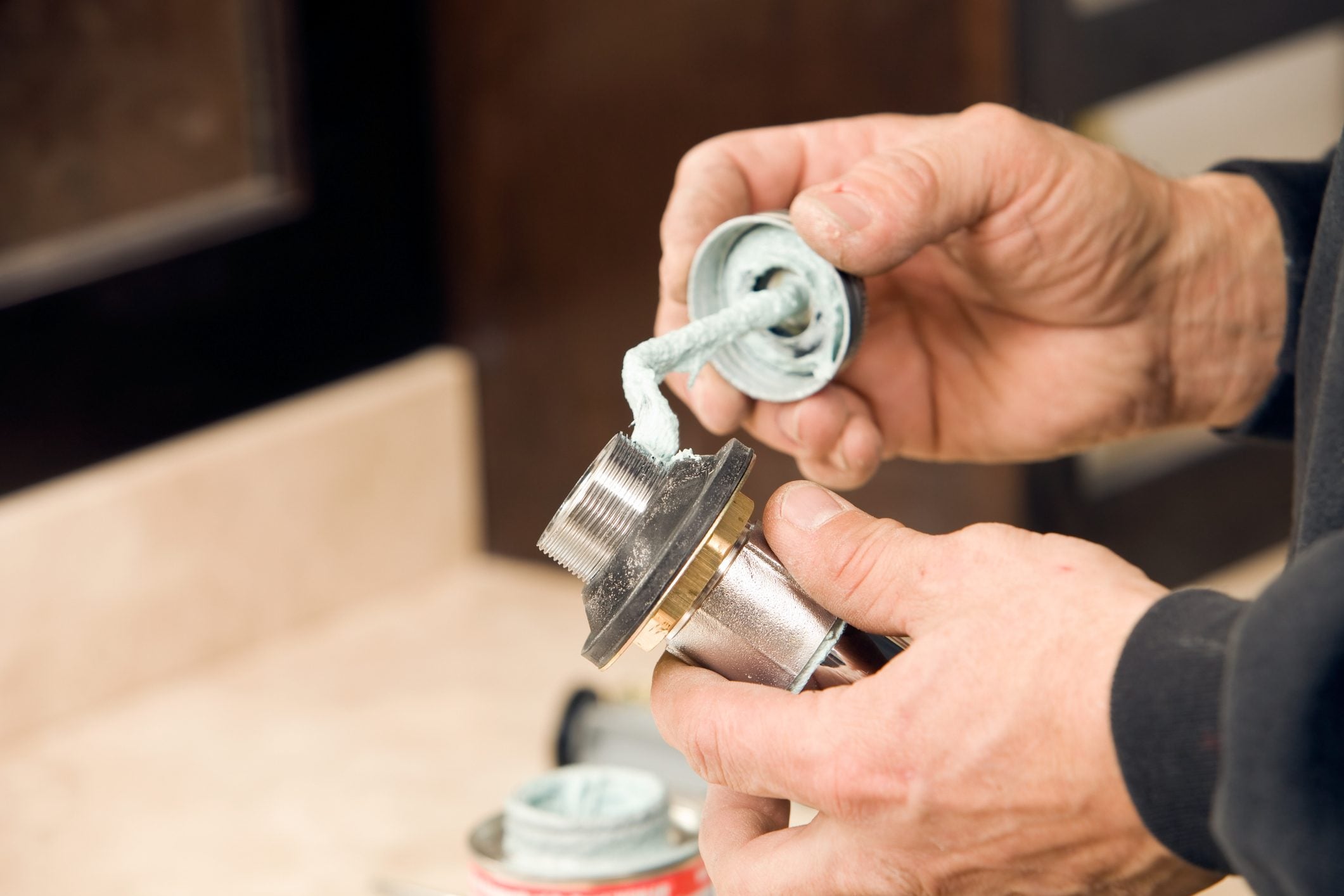

If plumbing had a love language, it would probably be “please seal the threads properly.” That is where pipe dope comes in. Despite the name sounding like a garage-band nickname from 1978, pipe dope is a legitimate plumbing helper. Used correctly, it can help create leak-resistant threaded connections, make fittings easier to tighten, and save you from the deeply humbling experience of fixing the same drip three times in one afternoon.
The trick, of course, is that pipe dope is not magic peanut butter for every fitting in sight. It works best on the right type of threaded joint, with the right formula, applied the right way. Smear it everywhere and you may create a mess, damage a seal, or still end up with a leak that mocks your confidence. In this guide, you will learn what pipe dope is, when to use it, when to skip it, and exactly how to apply it so your plumbing connections stay dry and drama-free.
What Is Pipe Dope, Exactly?
Pipe dope, also called pipe joint compound or thread sealant paste, is a thick sealing compound applied to pipe threads before assembly. Its job is simple but important: fill tiny gaps in threaded joints, lubricate the connection during tightening, and help create a tight seal that resists leaks.
Unlike PTFE thread seal tape, which wraps around the threads, pipe dope brushes or smears into the thread grooves. Many plumbers like it because it spreads well, stays where you put it, and can be easier to control on larger threaded fittings. Some formulas are designed for water lines, some for gas lines, some for metal only, and others for metal and plastic. That last detail matters more than many DIYers realize. The label is not decoration. It is the part that keeps you from making a bad decision with confidence.
Why Threaded Plumbing Joints Leak in the First Place
Here is the slightly annoying truth: threaded pipe connections are not perfectly smooth. Even when the threads look clean and sharp, they still have tiny spaces between the male and female threads. Water, air, or gas only needs a very small path to become a very irritating problem.
Leaks also happen because of dirt, old tape, rust, damaged threads, poor alignment, overtightening, undertightening, or using the wrong sealant for the material. In other words, a leaky joint is often less about bad luck and more about one of those “I thought that would be fine” decisions. Pipe dope helps by filling thread imperfections and adding lubrication so the fitting can seat properly without binding.
When Pipe Dope Works Best
Pipe dope is best used on threaded pipe connections, especially tapered threads that are meant to seal as the parts tighten together. Common examples include threaded galvanized pipe, brass fittings, some shower arms, threaded nipples, threaded black iron gas pipe where the product is approved, and certain water heater or fixture connections.
Good Uses for Pipe Dope
- Threaded metal-to-metal plumbing joints
- Approved threaded plastic or mixed-material connections, when the product label says it is compatible
- Water supply threaded fittings
- Certain gas line threaded fittings, but only with a sealant specifically rated and labeled for gas service
- Larger threaded joints where paste can fill gaps more effectively than tape alone
When You Should Not Reach for Pipe Dope
This is where people get into trouble. Pipe dope is not for every plumbing connection with threads visible somewhere in the neighborhood.
- Compression fittings: the seal is usually made by the ferrule or compression ring, not by dope on the threads. Some pros use a tiny amount in specific assemblies, but it is not a universal rule.
- Flare fittings: these seal at the flare surfaces, not the threads.
- Push-to-connect fittings: many rely on internal O-rings and specifically do not need pipe dope.
- Gasketed or washer-based connectors: if a rubber gasket or washer makes the seal, adding dope is usually unnecessary and can sometimes interfere.
- Products that explicitly say “tape only” or “no pipe dope”: always follow the manufacturer.
That last point deserves a gold star and a marching band. If the fitting instructions say not to use pipe dope, believe them. Plumbing products are not being shy. They are trying to save you from a leak and a return trip to the store.
How To Choose the Right Pipe Dope
Before you open the can, check four things on the label:
1. Material Compatibility
Some compounds are safe for metal only. Others are approved for plastic, CPVC, PVC, ABS, or mixed materials. Using the wrong sealant can crack plastic fittings, soften components, or simply fail to seal.
2. System Type
Not every pipe dope is approved for potable water, natural gas, propane, steam, or chemical lines. If you are working on a gas line, the sealant must clearly state that it is rated for that service. If you are unsure, stop there and verify the product before proceeding.
3. Cure Time
Some thread compounds can be pressurized almost immediately in certain applications. Others require curing time. Never assume. Read the instructions on the can and follow them exactly.
4. Working Conditions
If the line will carry hot water, face vibration, or see frequent disassembly, choose a product suited to those conditions. A one-size-fits-all approach in plumbing usually becomes a one-leak-fits-all regret.
Step-by-Step: How To Use Pipe Dope Correctly
Step 1: Shut Off the System and Gather Your Tools
Turn off the water or isolate the line. If you are replacing an old threaded fitting, relieve pressure and drain the section if needed. Gather a rag, a brush or the built-in applicator, adjustable wrenches or pipe wrenches, and your thread sealant. If you are redoing an old joint, keep a small wire brush handy.
Step 2: Clean the Threads
This step is boring, which is exactly why people skip it and then act surprised later. Remove old tape, old sealant, rust, grease, dirt, and debris from the male threads. Wipe everything dry. Thread sealant works best when it is bonding to clean metal or clean approved plastic, not to the fossil record of previous repairs.
Step 3: Inspect for Damaged Threads
If the threads are flattened, badly nicked, cross-threaded, or corroded beyond reason, pipe dope will not save the day. It is a sealant, not a miracle. Replace damaged fittings before you seal and assemble them.
Step 4: Stir the Compound if Needed
Many pipe dopes benefit from a quick stir before use, especially if the product has been sitting on a shelf for a while. You want an even consistency, not a chemistry experiment.
Step 5: Apply a Thin, Even Coat to the Male Threads
Brush or spread a thin, even layer over the male threads only unless the product instructions say otherwise. Aim to fill the thread grooves without gobbing it on like frosting. More is not better here. More is just messier.
Many plumbers leave the first thread bare. That helps reduce the chance of excess compound squeezing into the pipe interior, where it does not belong.
Step 6: Decide Whether To Use PTFE Tape Too
For some threaded joints, especially larger or more demanding ones, plumbers use both PTFE tape and pipe dope. The tape adds bulk; the compound helps lubricate and fill voids. If the product label allows both, wrap the tape in the correct direction first, then apply a light coat of pipe dope over it. If the manufacturer does not recommend combining them, do not freelance.
Step 7: Thread the Joint Together by Hand First
Start the connection carefully by hand to avoid cross-threading. If the fitting feels wrong immediately, back it off and start again. Forcing a crooked connection is a fast track to a leak and a vocabulary lesson.
Step 8: Tighten Snugly, Not Heroically
Use the proper wrench and tighten the joint until snug and secure. Do not over-tighten, especially on brass or plastic fittings. Too much force can distort threads, crack fittings, or squeeze out too much sealant. The goal is a sealed joint, not an arm-wrestling victory.
Step 9: Wipe Off Excess
After tightening, wipe away excess compound from the outside of the joint. Clean work is easier to inspect, easier to service later, and far less likely to make your project look like it was completed during an earthquake.
Step 10: Allow Cure Time if the Product Requires It
Some compounds are ready for service quickly in specific conditions. Others need hours before pressure testing. Read the can. Then do what the can says. Not what your cousin’s neighbor’s plumber allegedly does.
Pipe Dope vs. PTFE Tape: Which One Is Better?
This is the plumbing version of asking whether crunchy or smooth peanut butter is superior. The answer depends on the application.
PTFE tape is clean, quick, and great for many common threaded joints. Pipe dope can be better when you want lubrication, easier assembly, better gap-filling on larger threads, or a more robust seal in tough conditions. Some plumbers prefer one over the other. Many use both, but only when the products and fittings allow it.
If you want the most practical rule: use the sealant method recommended by the fitting manufacturer and the thread sealant label. Plumbing is full of traditions, but the product instructions still win.
Common Mistakes That Cause Leaks
Using Too Much Compound
An overloaded joint can squeeze excess sealant into the line and make assembly messy. Thin and even wins.
Applying It to Dirty Threads
Sealant needs a clean surface. Old tape, scale, and grime reduce the odds of a good seal.
Using the Wrong Formula
A metal-only sealant on plastic threads is a bad idea. A non-gas-rated product on gas fittings is an even worse one.
Putting Pipe Dope on the Wrong Connection Type
If the fitting seals with a washer, gasket, O-ring, or flare face, dope on the threads may do little or nothing. In some cases, it can create problems.
Overtightening
People often think a leak means “not tight enough.” Sometimes it means “you crushed the fitting, distorted the threads, or damaged the sealing surfaces.”
How To Check for Leaks After Assembly
Once the connection is assembled and any required cure time has passed, restore pressure slowly and inspect the joint carefully. Use a dry paper towel to wipe around the connection and check for moisture. On gas work, use a proper leak-detection method approved for that system. If you ever smell gas, stop immediately, shut things down if it is safe to do so, and contact a qualified professional.
If a joint leaks, resist the urge to simply crank harder on the wrench. First determine whether the issue is misalignment, damaged threads, the wrong sealant, or poor application. Often the best fix is to disassemble, clean, reseal, and reassemble correctly.
Best Practical Tips for Leak-Free Results
- Read the product label every single time, even if you have used “something like it” before.
- Clean and dry the threads thoroughly.
- Use a thin coat on the male threads.
- Keep the first thread mostly clear.
- Start threaded joints by hand to avoid cross-threading.
- Do not put pipe dope where a gasket, washer, flare, or internal seal is meant to do the work.
- Use a gas-rated product only where clearly approved.
- Pressure-test and inspect carefully before calling the job done.
Real-World Experiences: What This Looks Like on Actual Plumbing Jobs
If you talk to homeowners, maintenance techs, or plumbers about pipe dope, the stories tend to sound very similar. The first time someone uses it, they either use too little and end up with a slow drip, or use far too much and discover that thread sealant can, in fact, end up on your hands, shirt, wrench, bucket, and somehow your forehead. Pipe dope is one of those products that rewards restraint and punishes enthusiasm.
A common experience happens during a simple shower-arm replacement. A person removes the old arm, wraps tape, adds a little pipe dope because that seems smart, threads in the new arm, and suddenly the connection feels smoother and seats more predictably. The result is often a cleaner, tighter fit than tape alone. That is one reason many people become pipe-dope believers after the first successful repair. The connection just feels more controlled.
Another real-world lesson shows up on older threaded metal plumbing. In older homes, the threads may be a little rough, slightly worn, or less than perfect after years of service. On joints like those, pipe dope can be especially helpful because it fills small imperfections better than dry tape alone. People often report that a stubborn drip disappeared only after they disassembled the joint, cleaned the threads properly, and used a thin even coat of compound instead of slapping on more tape and hoping for the best.
Then there is the classic beginner mistake: putting pipe dope on every threaded thing in sight. Someone sees threads on a connector with a rubber washer and assumes the threads need sealing, when really the washer is doing the job. The result is confusion when the joint still leaks, because the real issue is a crooked washer, a damaged gasket, or overtightening. That experience teaches an important lesson fast: threads do not always mean the threads are the sealing surface.
Professionals often describe pipe dope as less about brute force and more about feel. A properly doped threaded joint usually starts easier, tightens more smoothly, and gives better feedback as it seats. That matters because good plumbing work is often about noticing small resistance changes before something gets cross-threaded or overtightened. In that sense, pipe dope is not just a sealant. It is also part of the assembly process.
Many experienced DIYers also mention that pipe dope makes callbacks less likely on certain repairs. A threaded brass fitting under a sink, a shower arm, a black iron nipple, or a water heater connection may all seem fine at first. But a connection that is only almost sealed tends to reveal itself at the worst time: after the wall is closed, the cabinet is full, or dinner guests are arriving. Using the right sealant the first time is often the cheapest insurance in the whole project.
The most valuable experience of all, though, is learning when not to use it. Once people understand that pipe dope belongs on approved threaded joints and not on every fitting with a nut, their success rate jumps fast. Plumbing gets easier when you stop asking one product to solve problems it was never meant to solve. That is really the heart of leak prevention: correct fitting, clean threads, approved sealant, careful tightening, and a little patience. Nothing flashy. Just a dry joint and a quiet sense of victory.
Conclusion
Pipe dope is one of the simplest ways to help prevent plumbing leaks on the right threaded connections, but it only works when you use it with intention. Choose a formula approved for your material and system, clean the threads, apply a thin coat to the male threads, avoid over-tightening, and respect any fitting that seals with a washer, gasket, flare, or O-ring instead. In short, treat pipe dope like a precision tool, not a confidence paste.
Get those details right, and you dramatically improve your chances of building a leak-free connection the first time. Get them wrong, and your plumbing project may turn into an accidental water feature. One of those is charming. The other is under your sink.