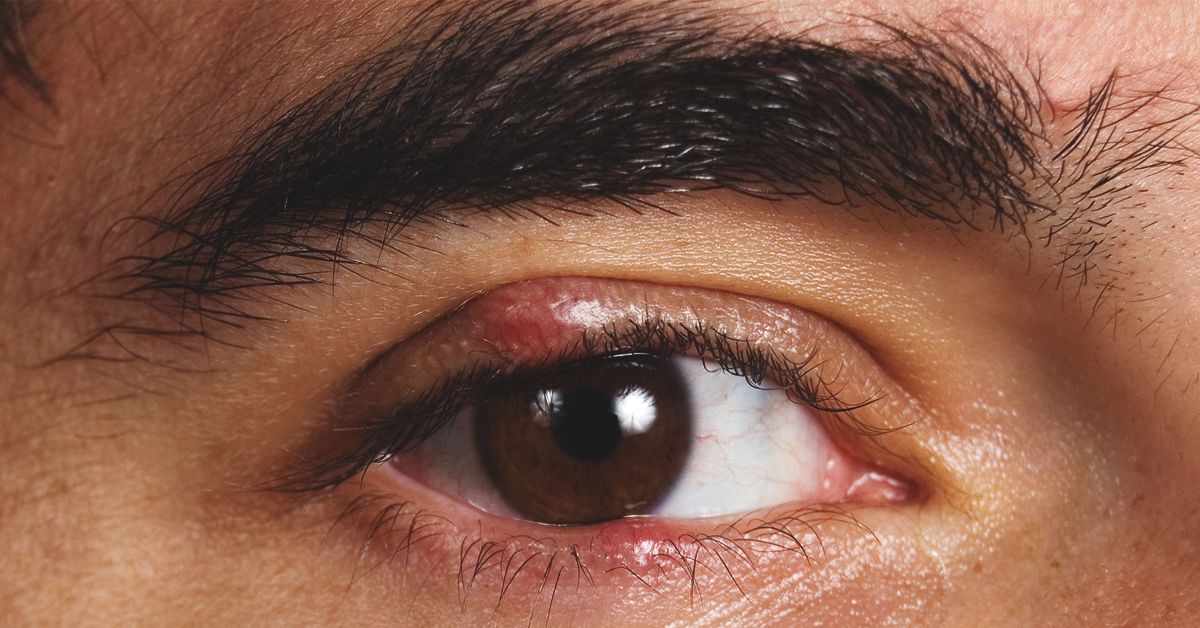

Severe eczema has a special talent for showing up at the worst possible time. Big meeting tomorrow? Flare. Family photo this weekend? Flare. Finally fell asleep? Congratulations, here comes the itch. If you’re dealing with severe eczema, also called severe atopic dermatitis in many cases, you already know this isn’t just “dry skin with a bad attitude.” It can affect sleep, work, school, confidence, relationships, exercise, and even the simple joy of wearing sleeves that don’t feel like sandpaper.
The tricky part is this: even when you have a treatment plan, that plan may stop working well enough. Or it may work, technically, but at a price you’re no longer willing to pay in side effects, hassle, or constant rebound flares. That’s when the real question shows up: is it time to switch severe eczema treatment?
Often, the answer is yes long before people realize it. Many patients stick with the same creams, routines, and “just push through it” mindset for months or even years. Meanwhile, the eczema keeps winning. This article walks through the most common signs your current severe eczema treatment may need an upgrade, adjustment, or full-on replacement, plus what doctors may consider next.
Note: This article is for educational purposes only and is not a substitute for medical advice, diagnosis, or treatment.
Why Severe Eczema Treatment Sometimes Needs to Change
Eczema treatment is not a one-size-fits-all system. Skin changes. Seasons change. Stress levels change. Hormones change. Insurance changes. Even your body’s response to a medication can change over time. A plan that worked beautifully last winter may suddenly flop in summer, or a cream that once calmed small patches may no longer touch widespread inflammation.
On top of that, eczema treatment has evolved. Today’s options go beyond basic moisturizers and steroid creams. Depending on your age, symptoms, medical history, and disease severity, treatment may include nonsteroidal topicals, wet-wrap therapy, phototherapy, biologic injections, or oral JAK inhibitors. In other words, if your current plan feels like a rusty umbrella in a thunderstorm, newer tools may be available.
The goal is not to collect medications like trading cards. The goal is better control with fewer flares, less itch, safer long-term management, and a life that doesn’t revolve around your skin.
7 Signs It’s Time to Switch Severe Eczema Treatment
1. Your skin is still flaring even when you follow the plan correctly
If you are using your treatment as prescribed and your eczema is still angry, red, cracked, and relentless, that is a major clue. Severe eczema should not be judged by one random bad day. But if you are doing the moisturizer routine, using prescriptions correctly, avoiding known triggers, and still seeing no meaningful improvement, the plan may be underpowered.
This is especially true if you have used prescription topicals for several weeks and the same areas keep coming back fast. A treatment plan should not feel like repeatedly mopping the floor while the ceiling keeps leaking.
2. You are sleeping poorly because of itch
Sleep disruption is not a minor side note. It is one of the clearest signs that eczema is not controlled well enough. If you’re waking up scratching, changing clothes at 2 a.m., or feeling exhausted every morning, your treatment may need to change.
Good eczema care should help reduce nighttime itch, not simply turn your bed into a scratching arena. When sleep suffers, everything else usually follows: mood, focus, school performance, work productivity, and patience levels that become thinner than a hotel tissue.
3. Flares are spreading, getting more painful, or showing up in hard-to-treat areas
Some body areas are especially stubborn. Hands, eyelids, face, neck, skin folds, and the area around the mouth can be difficult to manage with standard approaches. If your eczema is spreading to new areas, becoming more painful, or appearing where your current medication is not a good long-term fit, that can be a strong reason to reassess treatment.
For example, someone using repeated steroid courses on delicate skin may need a steroid-sparing option or a broader plan. Someone with severe hand eczema that affects typing, cooking, cleaning, or work tasks may need more than a “try this ointment again” strategy.
4. You keep needing rescue treatment over and over
If your routine is basically “flare, panic, prescription, temporary relief, repeat,” that is not stable control. It is crisis management wearing a fake mustache.
Rescue treatment has a role, especially during bad flares. But when you need it constantly, it may mean your maintenance plan is not strong enough. Frequent rebounds can signal that your skin barrier is still not protected, the inflammation is not being controlled at the right level, or your triggers and treatment type need a closer review.
5. Side effects, safety concerns, or treatment burden are becoming a real problem
Sometimes the treatment “works,” but everything around it feels impossible. Maybe a topical burns every time you apply it. Maybe you are worried about repeated use on sensitive areas. Maybe injections are effective, but side effects or eye symptoms are becoming a problem. Maybe the schedule is so hard to maintain that your treatment plan belongs in a project management app.
A good severe eczema plan has to be effective and realistic. If you dread treatment, avoid treatment, or cannot keep up with treatment, your doctor may need to simplify or switch the approach.
6. You have signs of infection or weeping skin
Oozing, crusting, increasing redness, warmth, pain, fever, or sudden worsening can signal infection or another complication. That is not a “wait and see for three months” moment. It is a prompt medical follow-up moment.
When infection enters the chat, the eczema plan may need to change quickly. Sometimes that means treating the infection first. Sometimes it means adjusting the anti-inflammatory treatment after the skin is stabilized. Either way, severe eczema with repeated infections deserves a closer look from a clinician.
7. Your quality of life is still lousy, even if the rash looks a little better
This one matters more than many people think. Maybe the rash is 30% better, but you still avoid exercise because sweat stings. Maybe you skip social events because your skin cracks and bleeds. Maybe you feel anxious about what to wear, what soap to use, and whether tonight will be another no-sleep episode.
If eczema still controls your schedule, mood, confidence, or daily functioning, the treatment may not be good enough. Doctors increasingly look beyond visible rash alone. Itch intensity, sleep, mental load, missed school or work, and daily limitations all help determine whether a switch is appropriate.
What “Switching Treatment” Can Actually Mean
Switching severe eczema treatment does not always mean tossing everything in the trash and starting from zero. Sometimes the smartest move is a step-up, not a total rewrite.
Moving from basic care to stronger topical treatment
If you have mostly relied on moisturizers and occasional steroid creams, your clinician may consider a more structured topical plan. That could include a different steroid strength, a nonsteroidal anti-inflammatory cream, or a steroid-sparing medication for sensitive areas.
Adding wet-wrap therapy during major flares
For severe flares, wet-wrap therapy may help calm inflammation fast and improve sleep. It can be very effective, but it should be done with proper guidance, especially in children or widespread disease.
Escalating to phototherapy
If topicals are not enough, phototherapy may be an option for moderate to severe eczema. It can help some patients significantly, especially when the main problem is widespread skin involvement and repeated flares.
Stepping up to systemic treatment
When severe eczema is not well controlled with topical treatment, doctors may discuss therapies that work throughout the body. These can include biologics or oral JAK inhibitors. This is often the big turning point for patients who have spent years treating severe disease like it is still a mild rash.
Systemic treatment may be considered when eczema is widespread, stubborn, sleep-ruining, infection-prone, or seriously affecting daily life. In some cases, newer biologics and small-molecule therapies have changed the conversation dramatically.
Switching because a newer option now fits you better
Eligibility matters. Age, severity, body areas involved, infection history, pregnancy plans, other medical conditions, and previous treatment failures all affect what makes sense next. If you were told years ago that “there isn’t much else to do,” it may be worth revisiting that assumption with a dermatologist now.
When Not to “Tough It Out” Any Longer
There is a difference between a brief flare and a pattern that clearly is not working. Severe eczema deserves re-evaluation when:
- you are not improving after using the treatment as directed;
- you need repeated rescue treatment with little lasting relief;
- itch is ruining sleep;
- eczema is spreading or becoming more painful;
- your skin is crusting, weeping, or may be infected;
- side effects or treatment burden are making adherence difficult;
- your life is still being shaped around the disease.
Also, if you are using oral steroids again and again as a quick fix, that is worth discussing. Long-term systemic steroid use is generally not preferred for atopic dermatitis management, and many specialists try to move patients toward safer long-term strategies.
How to Talk to Your Doctor About Switching Severe Eczema Treatment
You do not need a dramatic speech. You just need useful information. Before your appointment, track your symptoms for two to four weeks if possible. Write down:
- how often you itch, especially at night;
- how many times you wake up scratching;
- which body areas flare the most;
- what treatments you used and how often;
- any burning, stinging, or side effects;
- whether you missed school, work, exercise, or social plans;
- any signs of infection, oozing, or pain.
This gives your doctor a better picture than saying, “It’s been bad.” Accurate? Yes. Specific? Not exactly.
You can also ask direct questions like:
- Does my eczema count as moderate to severe right now?
- Is my current plan giving enough control?
- Would a nonsteroidal topical, phototherapy, biologic, or oral medication make more sense?
- Are my side effects a sign I should switch?
- What goals should we use to measure whether the next treatment is working?
Realistic Goals After You Switch
The perfect goal is not “skin like a movie star in a moisturizer commercial by Tuesday.” The real goal is meaningful improvement. That may include less itch, better sleep, fewer flares, fewer cracked areas, less need for rescue treatment, and a noticeable improvement in quality of life.
Some treatments work quickly for itch. Others take more time to show full results. Your doctor may look for trends rather than miracles in the first week. What matters most is whether your symptoms are moving in the right direction and whether the treatment is safe and sustainable for the long haul.
Common Experiences Patients Describe Before a Treatment Switch
The following are composite experiences based on common situations people with severe eczema often report. They are included to help readers recognize patterns, not as individual medical case reports.
One common experience is the “I thought this was normal” story. A person has had eczema for years, uses moisturizers faithfully, keeps a tube of steroid cream nearby, and assumes that waking up scratching three nights a week is just part of life. Over time, they stop noticing how much the condition controls their routine. They buy softer clothes, avoid travel, skip sleepovers, keep hand cream in every bag, and quietly rearrange life around the disease. The turning point usually comes when they realize their treatment is helping them survive, not actually helping them improve.
Another common experience is the “my skin looks better, but I feel worse” version. This person may have a medication that reduces visible redness, but the itch is still intense, the application routine is exhausting, or the side effects are too much. Some people describe spending so much time layering ointments, wraps, and moisturizers that eczema becomes a part-time job with terrible benefits. Others say they dread treatment because it burns, stains clothing, or makes them worry about long-term use on delicate areas like the face or eyelids. In these situations, the issue is not only whether a treatment works on paper, but whether it works in real life.
There is also the “flare, calm, flare again” cycle. This often happens when someone gets brief improvement from a rescue medication, only to see the rash return quickly. They start timing their life around the next crash. They may hesitate to call the doctor because the medication technically works for a few days, but the deeper pattern is instability. Patients in this cycle often describe frustration, guilt, and confusion. They wonder whether they are using the medicine wrong, missing a trigger, or somehow failing at skincare. In reality, repeated rebound flares often mean the disease needs a stronger or smarter long-term plan.
People with severe hand eczema often describe a particularly miserable experience. Their eczema is not just itchy; it interferes with work, cooking, typing, handwashing, cleaning, and even opening jars. Cracks can sting with soap, water, sanitizer, or basic life. These patients often reach a point where function becomes the deciding factor. Even if the rash seems limited to one body area, the daily impact is huge, and that can absolutely justify discussing a switch.
Finally, many patients describe relief once a treatment switch is made. Not always instant relief, and not always perfect skin, but relief in the form of better sleep, fewer infected patches, less panic during flares, and more mental space. That is an important point: a better eczema treatment does not just change skin. It can change mornings, workdays, exercise habits, confidence, and the ability to think about something other than scratching for once.
Conclusion
If your severe eczema treatment is no longer controlling symptoms, keeping you asleep, fitting your life, or protecting your skin from repeated flares, it may be time to switch. Severe eczema is a medical condition, not a personal failure, and sticking with an underperforming plan does not earn bonus points.
The best next step is to review your symptoms, treatment history, side effects, and quality-of-life impact with a dermatologist or other qualified clinician. With newer topical therapies, phototherapy strategies, biologics, and oral options now available, many people have more choices than they did just a few years ago. And honestly, that is good news for anyone whose skin has been acting like a tiny rebellion with elbows.