
Fish are often marketed as the “easy” pet. You buy a bowl, plop in a fish, and suddenly you’re a marine biologistright?
Not quite. In reality, an aquarium is a tiny, closed world where you play mayor, sanitation worker, meteorologist, and cafeteria manager
(with a strict “no leftovers” policy). The good news: once you understand a few key rules, fish care becomes simple, calming, and honestly
kind of addictivein a “just one more plant and maybe a shrimp” way.
This guide breaks down how to take care of your fish with clear, practical steps: choosing the right fish, setting up a stable tank,
mastering water quality, feeding without overdoing it, and spotting problems earlyso your fish can thrive instead of merely survive.
Start With the Right Fish (and the Right Expectations)
Before you buy anything with fins, decide what kind of fish life you actually want: a peaceful community tank, a single “centerpiece” fish,
or a lively school that zips around like they’re late for an appointment.
Match fish to your lifestyle, not your wishful thinking
- Beginner-friendly options: many livebearers (guppies, platies), some tetras, corydoras catfish, and hardy danios.
- “Looks easy, isn’t” warning label: goldfish (they get big, produce lots of waste), and many saltwater species (more complex water chemistry).
- Solo stars: bettas can do well alone, but still need heated, filtered wateryes, even if the cup at the store looked “fine.”
A smart first step is learning each species’ adult size, temperament, temperature range, and minimum tank size. Planning prevents the classic
plot twist: “Why is my adorable baby fish now the size of a burrito and mad at everyone?”
Your Tank Is a Life-Support System (Make It Boringly Stable)
Fish don’t need fancy. They need stable. A stable aquarium is like a good roommate: predictable, clean-ish, and not randomly changing the temperature at 2 a.m.
Essential fish tank setup checklist
- A properly sized tank: bigger tanks are often easier because more water dilutes waste and swings less.
- Filter: provides mechanical cleaning and, more importantly, a home for beneficial bacteria.
- Heater + thermometer (for tropical fish): stable warmth beats “sometimes warm-ish.”
- Water conditioner/dechlorinator: treats tap water so it’s safe for fish.
- Test kit: for ammonia, nitrite, nitrate, and pH (liquid kits are typically more reliable than strips).
- Light + timer: consistent day/night routine helps reduce stress and algae chaos.
- Substrate + hiding spots: décor, plants, caves, driftwoodfish like boundaries and cover.
The Secret Sauce: Cycling the Aquarium (a.k.a. The Nitrogen Cycle)
If you only learn one “fish care” concept, make it this: the nitrogen cycle. Fish produce waste, uneaten food breaks down,
and all of that becomes ammonia, which is toxic. In a cycled tank, beneficial bacteria convert ammonia to nitrite
(also toxic), then to nitrate (less toxic), which you control through water changes and plants.
What cycling looks like in real life
- Week 1–2 (often): ammonia rises as the tank starts producing waste.
- Next phase: nitrite rises as bacteria begin converting ammonia.
- Stabilization: nitrite drops to zero; nitrate becomes the main “end product” you manage.
During cycling, testing matters. You’re looking for the tank to consistently process waste without leaving ammonia or nitrite hanging around.
Some aquarists speed things up by adding live nitrifying bacteria products or seeded filter media from an established tank, but testing is still
your truth serum.
Practical goal: aim for ammonia = 0 and nitrite = 0 in an established tank. Nitrate should be kept low with routine maintenance.
Water Quality: The Part Everyone Skips (Until the Fish Complain)
Fish can’t walk away from bad water. If the aquarium water is off, everything is offimmune system, appetite, behavior, and overall health.
That’s why good fish care is mostly good water care.
Key parameters to monitor
- Temperature: keep it consistent for your species (sudden swings stress fish).
- Ammonia & nitrite: should be zero in a cycled tank.
- Nitrate: rises over time; controlled with water changes and plants.
- pH: stability matters more than chasing a “perfect” number; test regularly and watch for trends.
- Oxygen: good surface agitation and appropriate stocking help prevent low-oxygen stress.
One nerdy-but-useful detail: ammonia toxicity can increase as pH and temperature rise. Translation: if your tank runs warm and your pH creeps up,
you have less room for erroranother reason stability is the real flex.
Feeding Your Fish Without Turning the Tank Into Soup
Feeding is where love accidentally becomes pollution. Fish will often act hungry even when they’re notkind of like a dog, but wetter.
Overfeeding is a top cause of cloudy water, algae, and poor water quality.
How much should you feed?
A classic guideline: feed only what your fish can finish in about 2–5 minutes, and remove uneaten food promptly.
Most species do well with once or twice daily feedings, but it depends on species and life stage.
Build a simple “fish nutrition” routine
- Base diet: a quality flake or pellet appropriate to the species (tropical, goldfish, cichlid, etc.).
- Boosts: occasional frozen or live foods (like brine shrimp) for variety, if appropriate.
- Plant-eaters: algae wafers, blanched veggies, or specialized herbivore diets.
- One light day: some hobbyists do a “lighter feeding” day weekly to reduce waste buildup (not for all species, especially fry).
Routine Aquarium Maintenance: Small Actions, Big Results
The goal isn’t perfection. The goal is a steady rhythm that keeps the tank clean enough for fish health while preserving the beneficial bacteria
that make the ecosystem work.
A maintenance schedule you can actually stick to
- Weekly or every other week: partial water change (often 10–25%, adjusted for tank size, stocking, and test results).
- During water changes: vacuum the gravel/substrate to remove waste and leftover food.
- Weekly quick check: temperature, fish behavior, water clarity, and a glance at test readings.
- Monthly (or as needed): rinse filter sponges/media in removed tank water (not straight tap water) to protect beneficial bacteria.
Avoid replacing all filter media at once unless the manufacturer specifically designed it that way. Beneficial bacteria live in that mediaso if you
toss it all, your tank can act “new” again (and your fish will not be amused).
Algae: the uninvited green roommate
Some algae is normal. A full-on green takeover usually means too much light, too many nutrients (often from overfeeding), or inconsistent maintenance.
Consistent water changes, controlled lighting (often 6–8 hours for planted tanks, sometimes less for non-planted), and not overstocking help keep algae manageable.
Stocking, Tank Mates, and Stress: The Social Side of Fish Care
Fish stress is realand it shows up as hiding, fin clamping, rapid breathing, aggression, poor appetite, or increased disease risk.
Stress often comes from crowding, incompatible tank mates, lack of hiding spots, or unstable water.
Practical compatibility tips
- Research temperament: a “semi-aggressive” fish is basically a fish with boundary issues.
- Mind schooling needs: many tetras and rasboras do best in groups.
- Provide cover: plants and décor reduce bullying by breaking lines of sight.
- Go slow adding fish: adding too many at once can overload your biofilter.
Quarantine isn’t paranoiait’s prevention
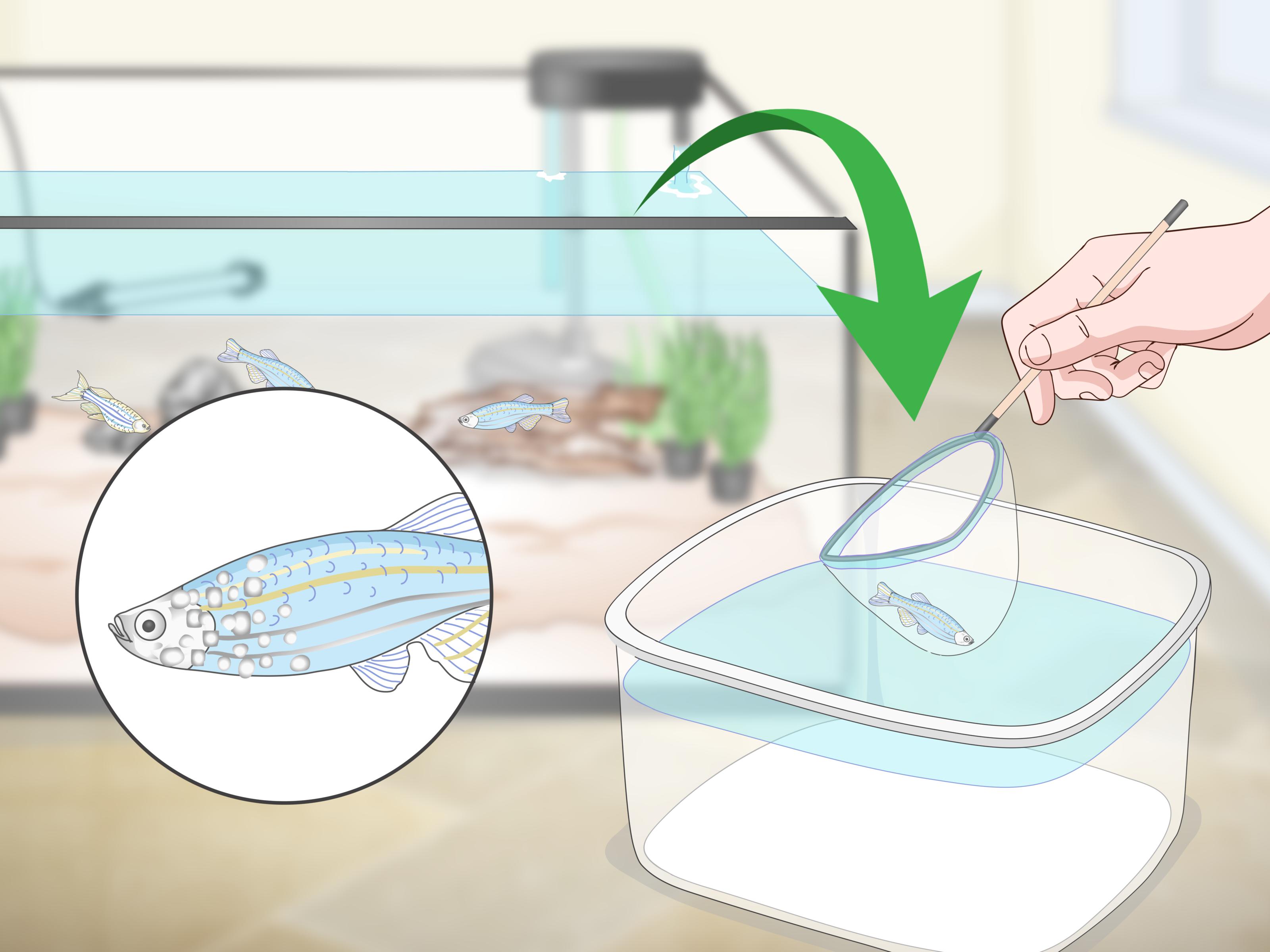
If you can, quarantine new fish in a separate tank for a couple of weeks. It helps prevent diseases and parasites from entering your main aquarium.
Even a simple quarantine setup can save you from treating the entire display tank later.
Common Fish Health Problems (and What to Do First)
When fish get sick, the first step is usually not “dump medicine in the tank.” The first step is:
test the water. Poor water quality can cause or worsen many problems, and fixing it can be the fastest improvement.
Signs your fish needs help
- Loss of appetite, lethargy, or sudden hiding
- Rapid breathing or hanging at the surface
- White spots (often associated with “ich/ick”), frayed fins, unusual fuzz or patches
- Clamped fins, flashing/scratching, or abnormal swimming
- Bloated body, raised scales, or persistent red irritation
If water tests show ammonia or nitrite above zero, prioritize water changes and correcting the root cause (overfeeding, overstocking, filter disruption).
If symptoms persist, identify the likely issue and treat thoughtfullypreferably in quarantine when possible. When in doubt, contact a veterinarian
familiar with fish or aquatic animals.
Vacations, Moves, and “Oh No” Moments
Fish care doesn’t stop just because you’re going to the beach. Luckily, a healthy, stable aquarium can coast for short periods with minimal intervention.
Vacation tips that reduce disaster potential
- Do routine maintenance several days before leaving (water change, filter rinse, water tests).
- Don’t “double feed” as a goodbye gift. Your fish do not need a farewell buffet.
- If someone is helping, pre-portion food to prevent accidental overfeeding.
- Check equipment (heater, filter, air pump) and keep backups if your setup is delicate.
Responsible Fishkeeping: Don’t Release Aquarium Fish (or Plants) Into the Wild
When fish outgrow a tank or you can’t keep them, releasing them into local waterways may seem kindbut it can spread disease,
disrupt ecosystems, and may be illegal. Aquarium plants and “bonus hitchhikers” can also introduce invasive species.
Better options than release
- Return fish to a local fish store (if they accept surrenders).
- Rehome through reputable aquarium clubs or community groups.
- Contact local shelters or aquatic organizations that handle surrendered pets.
- Dispose of plants safely (sealed bag in trash) and follow guidance for avoiding invasive spread.
Quick-Start Summary: The 7 Habits of Healthy Fish Tanks
- Choose fish that match your tank size and skill level.
- Cycle the tank before heavy stocking, and test the water regularly.
- Keep ammonia and nitrite at zero; control nitrate with water changes.
- Feed small amounts consistentlyno extra “just because they’re cute.”
- Do partial water changes on a schedule you can maintain.
- Avoid sudden changes (temperature, pH swings, massive cleanouts).
- Watch fish behavior dailyyour fish will tell you when something’s off.
Real-World Fishkeeping Experiences: Lessons Hobbyists Learn the Hard Way (500+ Words)
If you spend any time around fishkeepers, you’ll notice a funny pattern: the calmest aquarium owners are often the ones who’ve already survived
a few “character-building” moments. Not because fishkeeping is doomedit’s because the best fish care habits usually come from very memorable
mistakes. Here are common experiences fish owners report, and how to turn each one into a win.
1) The “Cloudy Water Panic”
A new tank looks great for a day or two, then suddenly turns hazy like someone poured milk into it. Many beginners assume the tank is “dirty,”
scrub everything, replace filter media, and do a massive water changeaccidentally wiping out helpful bacteria. In many cases, that cloudiness is
a normal bacterial bloom during early cycling. The better move is patience plus testing: keep feeding light, ensure filtration is running, and
monitor ammonia and nitrite until the system stabilizes.
2) The Goldfish Plot Twist
Lots of people start with goldfish because they’re common and inexpensive. Then Goldie grows… and grows… and grows. Goldfish are messy eaters,
heavy waste producers, and need far more space than most people expect. The “experience” lesson is to research adult size and care requirements
before buying. If you already have a goldfish in a small tank, upgrading filtration and tank size (or rehoming responsibly) is often kinder than
trying to force a pond fish to live in a shoebox.
3) The Overfeeding Love Language
Many owners bond with fish at feeding time, then accidentally turn every swim-by into a snack request. Extra food breaks down into extra ammonia,
and suddenly you’re fighting algae, odor, and cranky fish. A simple routine helps: feed measured portions, keep a “fast day” only if appropriate
for your species, and treat feeding as a scheduled eventnot an on-demand room service menu.
4) The Filter “Deep Clean” That Backfires
It’s common to rinse filter media under hot tap water until it looks brand-new. Unfortunately, chlorine and temperature shock can kill beneficial
bacteria. Many hobbyists learn this right after the tank starts showing ammonia or nitrite again. The fix is easy once you know it:
rinse filter sponges/media in a bucket of removed tank water during water changes. It’s less sparkly, but far more biologically useful.
5) The New Fish That Brings “Unwanted Souvenirs”
Adding a new fish is excitinguntil days later, multiple fish start flashing (scratching), showing spots, or acting stressed. This is where
quarantine earns its reputation. Fishkeepers often say the first time they quarantine feels like extra work; the first time they skip quarantine
and end up treating the whole tank feels like a full-time job. Even a modest quarantine tank can prevent weeks of stress and medication.
6) The “Why Is My Betta Miserable?” Mystery
Bettas are frequently sold with tiny containers and the myth that they “don’t need much.” Owners later notice lethargy, clamped fins, or lack of
appetiteoften linked to cold water, poor filtration, or inconsistent parameters. Hobbyists report that a heated, filtered tank with gentle flow,
plus hiding places and a steady day/night cycle, can transform betta behavior. The experience lesson: “surviving” isn’t the same as “thriving.”
7) The Joy Moment That Hooks People for Life
On the bright side, fishkeepers also share a moment that makes the effort feel worth it: the first time fish display natural behaviors in a stable
environmentschooling calmly, grazing, exploring plants, or even breeding behavior depending on species. This usually happens after routines become
consistent: regular water changes, controlled feeding, and steady parameters. It’s the aquarium equivalent of a well-run kitchenquiet, efficient,
and weirdly satisfying.
If you’re new to fish care, the takeaway is comforting: you don’t need perfection. You need a plan, a test kit, and a steady rhythm. Most fish
problems don’t appear out of nowherethey build slowly. When you test water, watch behavior, and keep maintenance consistent, your tank becomes the
calm little ecosystem you pictured in the first place (and you get to enjoy the fish instead of constantly apologizing to them).
Conclusion
Learning how to take care of your fish is really learning how to take care of their water, their space, and their stress level. Choose species that
match your tank and experience, cycle the aquarium properly, test water so you can fix issues early, feed with restraint, and keep a simple maintenance
routine you’ll actually follow. Do that, and your aquarium becomes less of a chore and more of a living, moving, sparkling little worldone that
rewards consistency with healthy fish and clear water.