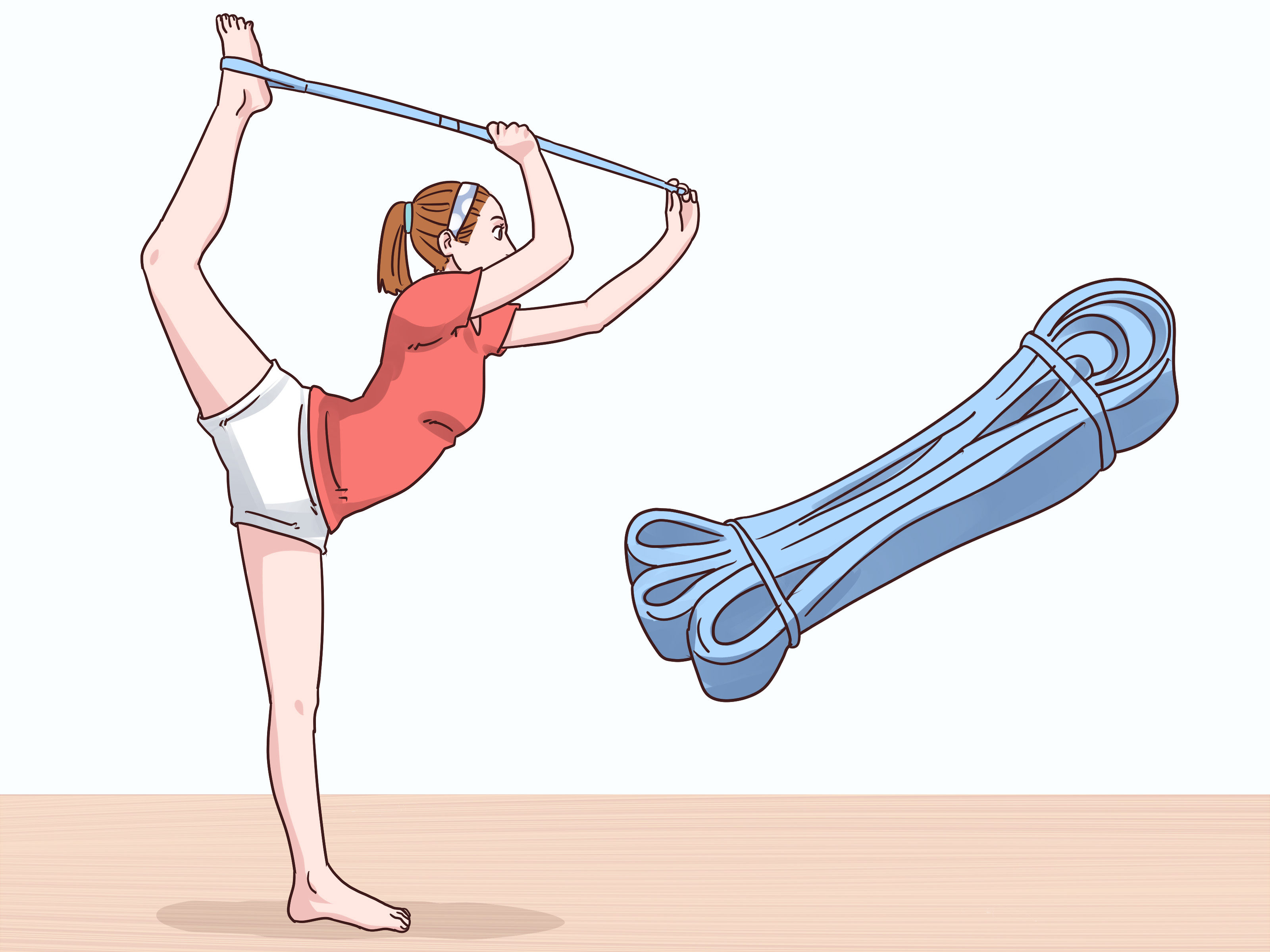

A cheerleading scorpion looks effortless when a flyer hits it cleanly: one leg planted, the other leg lifted behind the head, chest proud, balance steady, smile somehow still working overtime. In reality, the scorpion is not a “just pull your foot higher” skill. It is a full-body flexibility position that asks your hip flexors, quadriceps, shoulders, back, glutes, core, and balance system to cooperate like a team that actually read the group chat.
Learning how to stretch for a scorpion in cheerleading takes patience, smart progression, and safe technique. The goal is not to yank your leg into place and hope your spine sends a thank-you card. The goal is to build enough mobility and strength so your body can enter the position with control. That means warming up first, stretching the right muscle groups, practicing on the floor before standing, and listening carefully when your body says, “That is enough, bestie.”
This guide breaks down the best scorpion stretches for cheerleaders, how often to practice, common mistakes to avoid, and how to turn flexibility training into a routine that actually works. Whether you are a beginner flyer, a base who wants better body awareness, or a cheer athlete chasing a cleaner line, this article will help you stretch smarter, not scarier.
What Is a Scorpion in Cheerleading?
A scorpion is a cheerleading body position where the athlete grabs one foot behind the body and pulls the leg upward so the foot rises toward the back of the head. The shape resembles a scorpion’s tail, which explains the name and also explains why it looks mildly impossible the first time you see it.
In cheerleading, a scorpion may be performed on the ground, in a liberty, or as part of a stunt sequence by a flyer. A clean scorpion usually requires an open chest, flexible shoulders, mobile hips, strong balance, and enough back extension to lift without collapsing into the lower back. It is related to other flyer positions such as the heel stretch, bow and arrow, scale, and needle, but it has its own special brand of “wow, my quad is talking.”
Muscles You Need to Stretch for a Scorpion
To improve your cheer scorpion, you need more than one miracle stretch. The position combines several ranges of motion at once. Think of it as a flexibility recipe: if one ingredient is missing, the final dish gets weird.
Hip Flexors
The hip flexors sit at the front of the hips and help lift the thigh. In a scorpion, the lifted leg moves behind the body, so tight hip flexors can limit how high the leg travels. If your hips feel like rusty door hinges, start here.
Quadriceps
The quadriceps are the muscles at the front of the thigh. Because the knee bends deeply in a scorpion, quad flexibility is essential. Tight quads often make the position feel like your leg is arguing with your ambition.
Back and Spine
A scorpion needs controlled back extension, especially through the upper and middle back. The lower back should not be forced to do all the work. A strong, mobile spine helps create a prettier line and reduces the chance of dumping pressure into one small area.
Shoulders and Chest
Many cheerleaders focus only on the lifted leg, then wonder why they cannot grab their foot comfortably. Shoulder and chest flexibility help you reach behind your head without twisting, shrugging, or turning into a human pretzel with regrets.
Core and Glutes
Stretching matters, but strength holds the shape. Your core keeps your ribs and pelvis controlled, while your glutes help stabilize the hips. A scorpion without strength is like a cheer bow without elastic: cute idea, questionable outcome.
Safety First: Rules Before You Stretch
Before jumping into scorpion stretches, follow a few safety basics. These are not optional decorations; they are the difference between progress and sitting out practice with an ice pack named “I told you so.”
- Warm up before stretching. Do 5 to 10 minutes of light cardio or dynamic movement first.
- Never bounce. Use slow, steady stretches. Bouncing can irritate muscles and make them tighten.
- Stretch to tension, not pain. A gentle pull is fine. Sharp pain, pinching, numbness, or joint pain means stop.
- Train both sides. Even if you compete one side, balanced flexibility helps reduce compensation.
- Use a coach or spotter for standing work. Do not rush into elevated stunts until your floor position is controlled.
- Rest matters. Flexibility improves with consistency, not daily punishment.
Best Warm-Up Before Scorpion Stretching
Cold muscles do not love deep stretching. Start with movement that increases blood flow and gently wakes up your joints. A good cheerleading flexibility warm-up can take about 8 to 12 minutes.
Simple Scorpion Warm-Up Routine
- Light jog or jump rope: 2 minutes at an easy pace.
- Arm circles: 20 forward and 20 backward.
- Hip circles: 10 each direction.
- Walking lunges: 10 per side.
- Leg swings: 10 forward and backward per leg, then 10 side-to-side.
- Cat-cow stretch: 8 to 10 slow rounds to warm up the spine.
- Glute bridges: 12 reps to activate the back side of the hips.
This warm-up prepares your body for deeper static stretches. It also gives you a quick check-in: if something feels off during easy movement, do not force a scorpion session that day.
How to Stretch for a Scorpion Step by Step
The best way to stretch for a scorpion is to build the position from the ground up. Start with separate stretches for the hips, quads, back, and shoulders, then connect them into scorpion-specific drills.
1. Kneeling Hip Flexor Stretch
Start in a half-kneeling lunge with your right foot forward and left knee on the floor. Keep your front knee over your ankle. Gently tuck your pelvis under, squeeze the left glute, and shift forward until you feel a stretch in the front of the left hip.
Hold for 30 seconds, then switch sides. Repeat 2 to 3 times. For a deeper version, raise the arm on the kneeling side and reach slightly upward, not backward. The goal is length, not dramatic theater.
2. Low Lunge Quad Stretch
From the kneeling hip flexor stretch, bend the back knee and reach for the back foot with the same-side hand. If you cannot reach, use a towel or cheer stunt strap around the foot. Keep your hips square and chest lifted.
This stretch targets the quadriceps and hip flexors together, which makes it especially useful for a scorpion. Hold for 20 to 30 seconds per side and repeat 2 times.
3. Pigeon or Figure-Four Stretch
Although the scorpion mainly stretches the front of the lifted leg, hip rotation and glute flexibility still matter. For pigeon pose, bring one shin forward on the floor and extend the other leg behind you. Keep the hips as square as possible. If pigeon feels too intense, lie on your back and do a figure-four stretch instead.
Hold for 30 seconds per side. This can help reduce hip tightness that may make your scorpion twist or tilt.
4. Cobra Stretch for Back Extension
Lie on your stomach with your hands under your shoulders. Press gently through your hands and lift your chest, keeping your shoulders down away from your ears. Do not jam your lower back. Imagine lengthening forward and upward.
Hold for 10 to 20 seconds, lower slowly, and repeat 3 to 5 times. This teaches your spine to extend gradually. If your lower back pinches, reduce the height or skip this stretch and ask a coach or medical professional for guidance.
5. Bow Pose Prep
Lie on your stomach, bend both knees, and reach back to hold your ankles or use a strap. Gently press your feet into your hands to lift your chest and thighs. Keep breathing. Your face should not look like you are solving advanced calculus during finals week.
Hold for 10 to 20 seconds and repeat 2 to 3 times. Bow pose helps combine quad flexibility, hip extension, and back strength in a position similar to a scorpion.
6. Shoulder Opener With a Strap
Hold a towel, resistance band, or cheer strap with both hands wider than shoulder-width. Keeping your elbows straight, slowly lift the strap overhead and slightly behind you. Move only through a comfortable range.
Do 8 to 12 controlled reps. This helps open the shoulders and chest so reaching for the foot becomes easier and less twisty.
7. Wall Chest Stretch
Stand next to a wall and place one forearm or palm against it at shoulder height. Gently turn your body away until you feel a stretch across the chest and front of the shoulder. Hold for 20 to 30 seconds per side.
This is a small stretch with a big payoff. A tight chest can pull your shoulders forward, making the scorpion grip harder and less stable.
Scorpion-Specific Stretching Drills
Once your general flexibility work is done, practice drills that look more like the actual cheerleading scorpion. These drills help your body understand the skill pattern.
Floor Scorpion With a Strap
Lie on your stomach and loop a strap around one foot. Hold the strap over your shoulder and gently pull the foot upward behind you. Keep the hips as square as possible and avoid rolling completely onto one side.
Hold for 15 to 30 seconds and repeat 2 to 4 times per side. This is one of the most useful beginner scorpion stretches because it lets you practice the shape without balancing.
Standing Scorpion Prep at the Wall
Stand facing a wall or sturdy surface. Shift your weight onto one leg, bend the opposite knee, and grab the foot behind you. Use your free hand on the wall for balance. Lift your chest and gently guide the foot upward.
Hold for 10 to 20 seconds. Focus on keeping the standing leg strong and the hips controlled. This drill bridges the gap between floor flexibility and full standing skill.
Partner-Assisted Scorpion Stretch
A coach or trained teammate can help guide the lifted leg, but partner stretching must be gentle. The partner should never force the leg, push into pain, or “see how far it goes.” That is not training; that is a lawsuit wearing sneakers.
The athlete should stay in control and communicate clearly. Use simple words like “more,” “hold,” and “stop.” If the athlete says stop, the stretch stops immediately.
How Often Should Cheerleaders Stretch for a Scorpion?
Most cheerleaders make better progress with consistent, moderate sessions than with one heroic stretch marathon per week. Aim for 3 to 5 focused flexibility sessions weekly, depending on your practice schedule, recovery, and current level.
A good scorpion stretching session may last 20 to 35 minutes after a warm-up. On intense cheer practice days, keep the extra stretching lighter. On non-practice days, you can do a longer mobility session as long as your body feels fresh.
Beginner Weekly Plan
- Day 1: Full scorpion flexibility routine.
- Day 2: Light mobility and core work.
- Day 3: Full scorpion flexibility routine.
- Day 4: Rest or gentle stretching.
- Day 5: Full routine plus wall scorpion prep.
- Day 6: Cheer practice or conditioning.
- Day 7: Rest.
Progress should feel gradual. Some weeks your leg will lift higher. Some weeks your body will say, “Actually, we are maintaining today.” Both are normal.
Strength Exercises That Improve Your Scorpion
Flexibility opens the door, but strength lets you walk through it without falling into the snack table. Add these simple strength exercises 2 to 3 times per week.
Glute Bridges
Lie on your back with knees bent and feet flat. Squeeze your glutes and lift your hips. Do 2 to 3 sets of 12 to 15 reps. Strong glutes help support hip extension.
Bird Dogs
Start on hands and knees. Extend opposite arm and leg, pause, then switch. Do 2 sets of 8 to 10 per side. This improves back control and core stability.
Standing Balance Holds
Stand on one leg for 30 seconds. Add a lifted knee, then progress to holding your foot behind you. Balance is a skill, not a personality trait. Train it.
Shoulder Y-T-W Raises
Lie face down or stand hinged forward and lift your arms into Y, T, and W shapes. Use light resistance or bodyweight. Do 2 sets of 8 each. This supports shoulder control when reaching for the scorpion grip.
Common Mistakes When Stretching for a Scorpion
Forcing the Foot Too High
Pulling harder does not always mean improving faster. If your hips are tight or your back is not ready, forcing the foot can lead to pain and poor technique. Work the supporting stretches first.
Twisting the Hips Open
Many athletes turn the hips sideways to make the leg appear higher. This may look impressive in the mirror, but it can create an uneven line and make the stunt harder to control. Practice square hips on the floor before standing.
Skipping Shoulder Flexibility
If you cannot comfortably reach behind you, the scorpion will feel stuck. Shoulder and chest mobility are not bonus points; they are part of the skill.
Stretching Through Pain
Pain is not proof of dedication. It is information. If a stretch causes sharp pain, joint pressure, tingling, or lingering soreness, stop and adjust.
Ignoring Recovery
Flexibility training stresses the body in a real way. Sleep, hydration, nutrition, and rest days help your muscles adapt. Your scorpion does not improve while you are bullying your hip flexors 24/7.
How to Know You Are Ready to Try a Standing Scorpion
You may be ready to practice a standing scorpion when you can perform a controlled floor scorpion with a strap, hold a stable one-leg balance, reach your foot without pain, and keep your chest lifted without crunching your lower back. If you are a flyer, you should also have strong basics such as a liberty before adding advanced body positions in the air.
Always practice new standing positions on a safe surface with coach supervision. For stunt work, follow your team’s safety rules, use trained bases and spotters, and progress only when the group can control the entry, hold, and dismount.
Sample 25-Minute Scorpion Stretch Routine
Here is a simple routine you can use after practice or after a light warm-up on a flexibility day.
- Warm-up: 5 to 8 minutes of light cardio and dynamic movement.
- Kneeling hip flexor stretch: 30 seconds each side, 2 rounds.
- Low lunge quad stretch: 20 to 30 seconds each side, 2 rounds.
- Pigeon or figure-four stretch: 30 seconds each side.
- Cobra stretch: 5 gentle reps, 10 to 20 seconds each.
- Bow pose prep: 2 to 3 holds of 10 to 20 seconds.
- Shoulder strap opener: 10 slow reps.
- Wall chest stretch: 30 seconds each side.
- Floor scorpion with strap: 15 to 30 seconds each side, 2 to 4 rounds.
- Standing wall scorpion prep: 10 to 20 seconds each side, 2 rounds.
Finish with easy breathing and gentle movement. Do not pop up from deep stretches and sprint away like you are late for algebra. Give your body a minute to reset.
Realistic Progress: How Long Does It Take to Get a Scorpion?
The honest answer is: it depends. Some cheerleaders already have strong back and quad flexibility and may see progress in a few weeks. Others may need several months of consistent training. Your starting point, practice habits, recovery, strength, and body structure all matter.
A realistic goal is to measure progress by control, comfort, and alignmentnot just how close your foot gets to your head. A lower scorpion with strong balance and clean form is better than a high scorpion that looks like it was assembled during a fire drill.
Experience-Based Tips for Stretching for a Scorpion
One of the biggest lessons from cheerleading flexibility training is that the scorpion is usually won in tiny improvements, not dramatic breakthroughs. The athlete who stretches consistently for 20 minutes after practice often passes the athlete who does one giant Sunday session while watching TV and bargaining with her hamstrings. Small, steady work adds up.
A helpful experience is to treat the scorpion like a skill, not just a stretch. Many beginners lie on the floor, pull the strap as hard as possible, and assume that is the whole plan. But the scorpion also asks for balance, shoulder placement, rib control, and confidence. When athletes add wall drills, core work, and standing balance holds, the position usually starts to feel more connected. Suddenly the leg is not just floating behind them like it has its own schedule.
Another practical tip is to use video carefully. Recording a floor scorpion or wall scorpion once a week can show whether the hips are square, the chest is lifting, and the shoulders are reaching evenly. The key phrase is “once a week,” not “every seven minutes.” Too much checking can make athletes impatient. Flexibility progress is real, but it is not always obvious day to day. Video should be a tool, not a tiny courtroom where you judge yourself.
Many cheerleaders also discover that their “bad side” teaches them the most. The stronger side may look prettier, but the tighter side reveals where the body is compensating. Training both sides helps balance the hips and shoulders, which can make the main side cleaner. Even if you never compete the opposite-side scorpion, practicing it gently can improve overall control.
Breathing is another underrated trick. Holding your breath during a deep stretch makes the body tense up, especially around the shoulders and lower back. Slow breathing tells the nervous system that the stretch is safe. A good rule is to inhale before moving deeper and exhale as you settle. If you cannot breathe normally, you are probably forcing the position.
Finally, the best scorpion training usually happens in a positive environment. A coach who corrects form, teammates who encourage without pushing, and a routine that respects rest days will beat panic-stretching every time. Cheerleading already has enough pressure: counts, formations, performances, competitions, and that one hair bow that refuses to sit straight. Your flexibility routine should challenge you, but it should not scare you. Train patiently, celebrate small wins, and remember that a beautiful scorpion is built from smart habits long before it appears in the air.
Conclusion
Learning how to stretch for a scorpion in cheerleading is about building a strong, flexible, and controlled body position. Focus on hip flexors, quadriceps, shoulders, chest, back mobility, core strength, and balance. Warm up before stretching, avoid bouncing, stop when you feel pain, and progress from floor drills to wall drills before attempting a full standing or stunt scorpion.
The scorpion may look flashy, but the training behind it is surprisingly practical: move well, stretch consistently, strengthen the muscles that support the shape, and let your body improve at a safe pace. With patience and proper technique, your scorpion can become higher, cleaner, and more confidentwithout turning practice into a dramatic conversation with your lower back.
Note: This article is for educational fitness content only. Cheerleaders should practice advanced body positions under qualified coach supervision and stop any stretch that causes pain, pinching, numbness, or unusual discomfort.