
Your dog went outside for five minutes and came back looking like a walking craft project: burrs in the leg fluff, little “stickers” in the tail, and something that might be a foxtail doing the cha-cha in the chest hair. If you’ve ever tried to pull these hitchhikers out one by one while your dog performs interpretive dance, you already know: this is a job that rewards a plan.
This guide walks you through safe, practical ways to remove burs and foxtails from your dog’s fur coat, when to stop and call your vet, and how to keep your pup from becoming nature’s Velcro again tomorrow. (Because tomorrow always comes.)
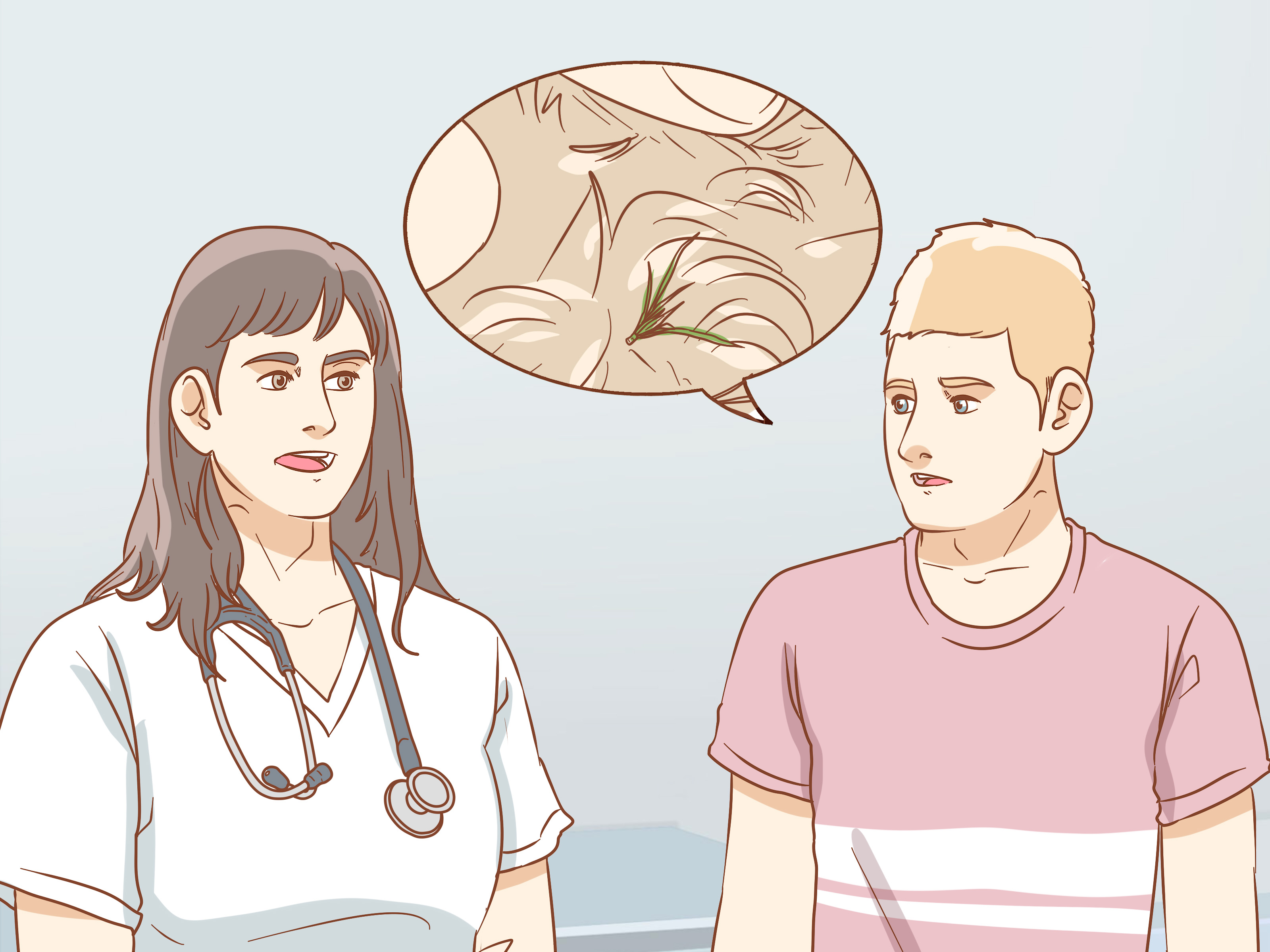
Quick note: This article covers removing plant debris from the coat. If you suspect a foxtail has penetrated skin or gotten into an ear, eye, nose, mouth, or paw, treat it as a medical issue and contact your veterinarian promptly.
Know Your Enemies: Burrs vs. Foxtails (They’re Not the Same Problem)
Burrs (a.k.a. stickers, hitchhikers, tiny medieval weapons)
Burrs are seed pods designed by nature to grab onto fur (and socks, and hoodie cuffs, and your dignity). They tangle hair, pinch skin, and can cause irritationespecially in sensitive places like armpits, behind ears, and between toes.
Foxtails (grass awns that can turn from “annoying” to “urgent”)
Foxtails are barbed grass seed heads (often called grass awns) that can cling to the coatbut unlike most burrs, they’re shaped to move in one direction and can work their way into tissue if they penetrate skin or enter an opening. That’s why foxtails are a bigger deal than their tiny size suggests.
Stop, Look, Decide: When It’s a DIY Coat Issue vs. a Vet Visit
If it’s only tangled in fur, you can usually remove burrs and loose foxtails at home with patience and the right tools. But if you see (or suspect) any of the following, hit pause and call your vet:
- Persistent sneezing, gagging, coughing, or breathing trouble after grassy areas
- Head shaking, pawing at ears, ear odor, or sudden ear pain
- Squinting, excessive tearing, eye redness, or rubbing the face on furniture
- Limping, intense paw licking/chewing, swelling between toes, or a painful lump
- A puncture mark, draining wound, swelling, heat, or worsening redness on the skin
- You can’t see the base of the plant piece and it seems embedded
Translation: if it’s acting like a splinter (or has disappeared into a place it does not pay rent), it’s time for professional help. Foxtails, in particular, can create infections and complications if they migrate or remain trapped.
Your Burr & Foxtail Removal Toolkit (No Heroics Required)
Gather your supplies first. Mid-removal scavenger hunts are how burrs win.
- High-value treats (the “please forgive me” kind)
- Good lighting and a small flashlight
- Gloves (optional, but your hands will thank you)
- Wide-tooth metal comb and/or a sturdy slicker brush
- Detangling spray or coat conditioner (made for dogs)
- Food-safe oil (a tiny amount of cooking oil can add slip if needed)
- Cornstarch (surprisingly useful for “de-gripping” sticky tangles)
- Blunt-tip scissors (use only when you can clearly see safe space from skin)
- Pet clippers (often safer than scissors near skin)
- Tweezers (for coat-only pieces you can clearly grasp)
If your dog is anxious, recruit a helper for gentle restraint and steady treat delivery. Your goal is calm, not wrestling.
Step-by-Step: How to Remove Burrs from Your Dog’s Fur Coat
Step 1: Make your dog think this is a spa appointment
Choose a quiet spot. Give a treat. Speak calmly. If your dog is wiggly, do a short “mini session” first30 seconds of touch + treatsthen begin. Less drama now = fewer mats later.
Step 2: Separate one burr area at a time
Don’t attack the whole dog at once. Start with the easiest area to build trust (and momentum). Use your fingers to part the fur until you can see where the burr is caught.
Step 3: Add “slip” before you pull
Burrs cling because friction is their love language. Reduce it:
- Detangling spray/conditioner: Mist the burr and surrounding fur, then wait 30–60 seconds.
- Cornstarch: Dust lightly and work it into the fur around the burr to help strands slide apart.
- A tiny bit of cooking oil: Use sparinglyjust enough to lubricate the fur. (Plan to wash later.)
Step 4: Hold the fur close to the skin (the “don’t tug the dog” rule)
Pinch the fur between your fingers right next to the skin and hold it steady. This prevents painful pulling and keeps your dog from deciding your relationship has ended.
Step 5: Work from the outside in
Use your fingers or a wide-tooth comb to tease the outer strands away first. Think “unbuttoning a shirt,” not “ripping off a Band-Aid.” If the burr breaks apart, that’s okayremove pieces gradually.
Step 6: Use the comb as a safety shield
Slide the comb between the burr and your dog’s skin. Then pull the burr away from the combthis reduces the risk of accidentally yanking skin or cutting too close if you need to trim.
Step 7: If the burr is matted tight, clip the hair (safely)
If you can’t get a comb between the burr and skin, don’t reach for scissors blindly. Clippers are usually safer because the blade rides along a guard and is less likely to nick skin folds.
If you must use scissors, only cut fur when you can clearly see “daylight” between the hair and skin. Move slowly. Small snips. Lots of treats.
Step 8: Brush, then re-check
Once you remove a cluster, brush that patch out fully and run your hands through the coat to feel for hidden burrs. Burrs love to throw after-parties in armpits, belly fluff, and tail feathers.
Step-by-Step: How to Remove Foxtails from Fur (and Not Get Fooled by Them)
If a foxtail is only sitting in the coat, removal can be simple. The problem is when it’s not only sitting in the coat. So your first step is always: confirm what you’re looking at.
Step 1: Do a targeted “foxtail scan” first
Focus on the highest-risk zones:
- Between toes and around paw pads
- Armpits, groin, and belly
- Ear flaps and the fur around the ear opening
- Face, muzzle, and under the collar area
Step 2: If it’s in the coat only, remove it gently and completely
Use your fingers to grasp the foxtail by the seed head (not the wispy tail), then pull it out in the direction it entered the fur. Follow with a comb to catch any fragments. If it’s tangled, add detangler firstsame idea as burrs: reduce friction, then remove.
Step 3: If it’s embedded or poking into skin, stop digging
If you see a puncture point, swelling, or your dog reacts sharply to touch, don’t play “backyard surgeon.” Foxtails can behave like foreign bodies that cause irritation and infection. Your vet can remove them more safely and may need to flush, sedate, or treat infection depending on location.
Step 4: Special warning zones (don’t DIY these)
- Eyes: A foxtail under an eyelid can scratch the cornea. If your dog is squinting or tearing, seek veterinary care quickly.
- Ears: Head shaking and ear pain can signal a foxtail in the ear canal. Deep ears are not a home project.
- Nose: Sudden, repeated sneezing or one-sided nasal discharge after tall grass can be a red flag.
- Paws: Foxtails commonly lodge between toes. Persistent licking, swelling, or limping warrants a vet visit.
Aftercare: What to Do Once the Plant Bits Are Out
1) Clean and soothe
If you used oil, detangler, or cornstarch, a gentle bath (dog shampoo) helps remove residue. Rinse well and dry thoroughlyespecially between toes.
2) Watch for “something’s still in there” clues
Over the next 24–72 hours, monitor for swelling, redness, discharge, continued licking, sudden sneezing, head shaking, or eye irritation. If symptoms persist or worsen, call your vet.
3) Reset the coat
A thorough brush-out after removal helps prevent mats. Long-coated dogs may benefit from a trim around high-catch zones (feet fringes, belly, tail, and ear feathering).
Prevention: Make Burrs and Foxtails Regret Choosing Your Dog
Grooming strategies that actually help
- Keep coats brushed so seeds don’t work down into tangles.
- Trim “collection areas” like paw fringes, armpits, belly feathering, and around the ears.
- Use a leave-in conditioner or detangling spray before hikes if your dog is a burr magnet.
Walk smart
- Avoid tall, dry grass and weedy trails during peak seed season.
- Stick to the center of paths rather than brushing the edges.
- Consider dog booties for high-risk hikes if your dog tolerates them.
Yard maintenance (boring, effective)
- Mow regularly and remove weeds before they go to seed.
- Check along fences and edgesfoxtails love the “nobody trims here” zones.
The 60-Second Post-Walk Check (Do This and Future You Will Celebrate)
- Run hands down legs and under the belly.
- Check between toes and around paw pads.
- Look at ear flaps and around the ear opening.
- Quick face scan: eyes, muzzle, under the collar.
- Brush once if your dog has a longer coat.
FAQ: Quick Answers for Real Life
Can I just cut burrs out with scissors?
Sometimes, but clippers are often safer near skin. Only use scissors if you can clearly see space between fur and skinno guessing, no “I think it’s fine.”
Is it okay if my dog licks a little cooking oil used for burr removal?
A tiny amount is generally less concerning than many chemicals, but keep it minimal and bathe afterward. If your dog has dietary restrictions or pancreatitis history, skip oil and use a dog-safe detangler instead.
What if my dog swallowed a burr?
Some dogs pass small plant material without issue, but watch closely. If you see coughing, drooling, trouble breathing, vomiting, refusal to eat, or signs of distress, contact your vet.
How do I know if a foxtail is still stuck?
Ongoing symptoms are the biggest cluerepeated sneezing, head shaking, eye squinting, limping, swelling, discharge, or nonstop licking of one spot. When in doubt, it’s safer to get a veterinary exam.
My dog hates being brushed. What now?
Go smaller: 30-second sessions, high-value treats, and stop before your dog melts down. You’re building tolerance, not winning a speed-brushing contest. A grooming table or non-slip mat can also help.
Do short-haired dogs get foxtails and burrs too?
Yes. They may collect fewer burrs, but foxtails can still lodge in paws, ears, noses, and eyescoat length doesn’t grant immunity.
Real-World Owner Experiences (the “I Thought It Was Just a Leaf” Chapter)
If you’ve ever said, “He’ll be finehe only ran through that field for a second,” welcome to the club. Pet owners regularly describe the same pattern: a normal walk turns into a post-walk inspection that feels like airport security for fluff.
One common experience goes like this: your dog trots in, looks proud of themselves, and you spot a few burrs on the chest or belly. You start pulling… and discover the burrs are not on the furthey are in the fur, tangled like they signed a long-term lease. The first attempt (dry pulling) makes your dog flinch, so you pivot to the “soft hands, calm voice” approach. You spray detangler, wait a moment, and suddenly the coat behaves like it remembers it has manners. The burrs come out in smaller pieces, and you realize the real secret isn’t strengthit’s lubrication and patience.
Then there’s the long-coated dog dilemma: burrs don’t just attach, they recruit. Owners often find that the “easy” burrs are a distraction, while the real problem is a tight cluster hiding in the armpit or behind an ear. That’s usually when someone learns a life lesson: if you can’t slide a comb between the burr and the skin, it’s time for clippers (or a groomer). Many people describe feeling nervous about trimming, then relieved when they realize clippers are actually safer than scissors in those tricky folds of skin.
Foxtails bring a different kind of stress because they can look harmlessuntil they aren’t. Owners frequently share that the first sign wasn’t a visible foxtail at all, but behavior: sudden sneezing that won’t stop, head shaking like a tiny drummer, or obsessive paw licking after a grassy trail. The dog may seem “mostly fine,” which tempts you to wait. But the stories that end well usually involve acting early: getting the dog checked promptly, discovering a foxtail in the ear canal or between toes, and removing it before infection sets in. The stories that end poorly tend to start with “We thought it would work itself out.” (It rarely does.)
The most practical takeaway owners report is adopting a routine: a quick, predictable post-walk check that becomes as normal as refilling the water bowl. People who do this consistently often say they went from 45-minute burr battles to 2-minute touch-ups. They also get better at spotting high-risk spots: paw webbing, belly hair, ear fringes, and that sneaky little area under the collar where foxtails like to hide.
If you’re new to this, don’t aim for perfection on day one. Aim for progress: one burr cluster removed gently, one foxtail found before it causes trouble, and one new habitlike keeping a comb and detangler by the door. Your dog will still occasionally return from the yard wearing half a shrub. But with the right tools and a calm plan, you’ll handle it faster, safer, and with fewer dramatic sighs from both species involved.
Conclusion
Removing burs and foxtails from your dog’s fur coat is mostly about reducing friction, working slowly, and knowing when to hand the problem to a professional. Burrs are typically a coat-and-comb situation: add detangler (or a little cornstarch), hold fur near the skin, and tease out from the edges. Foxtails demand extra caution because they can become dangerous when they embed or enter ears, eyes, noses, or pawsso coat removal is fine, but “digging” is not.
The best strategy is prevention: keep the coat brushed, trim high-catch zones, avoid seedy areas in peak season, and do a quick post-walk scan. That way, you spend more time enjoying the outdoors and less time negotiating with a burr-covered dog who insists this is all part of the adventure.