
Swapping a transmission in a 1998 Chevy truck is one of those projects that looks straightforward on YouTube
(cue upbeat music and magically clean bolts) and then immediately becomes a full-contact sport in real life.
A transmission is heavy, awkward, and attached to roughly a million things you didn’t notice until you’re
lying on your back wondering who invented “one more bracket.”
This guide is written to help you understand the process, plan the job intelligently, and avoid expensive
mistakes that commonly ruin a fresh install. It’s not a step-by-step “do this bolt, then that bolt” tutorial,
because transmission R&R (remove and replace) involves serious safety risks and varies by drivetrain
(2WD vs. 4WD) and transmission type. If you’re not fully equipped and experienced, the smartest “tool” is a
reputable shop. If you are experienced, treat this as a pre-flight checklist for how pros think about the work.
Safety First: This Job Can Hurt You Fast
A 1998 Chevy truck is not a lightweight object, and a transmission is not a lightweight component. If the vehicle
shifts, slips, rolls, or drops while you’re underneath it, the consequences can be catastrophic. That’s why
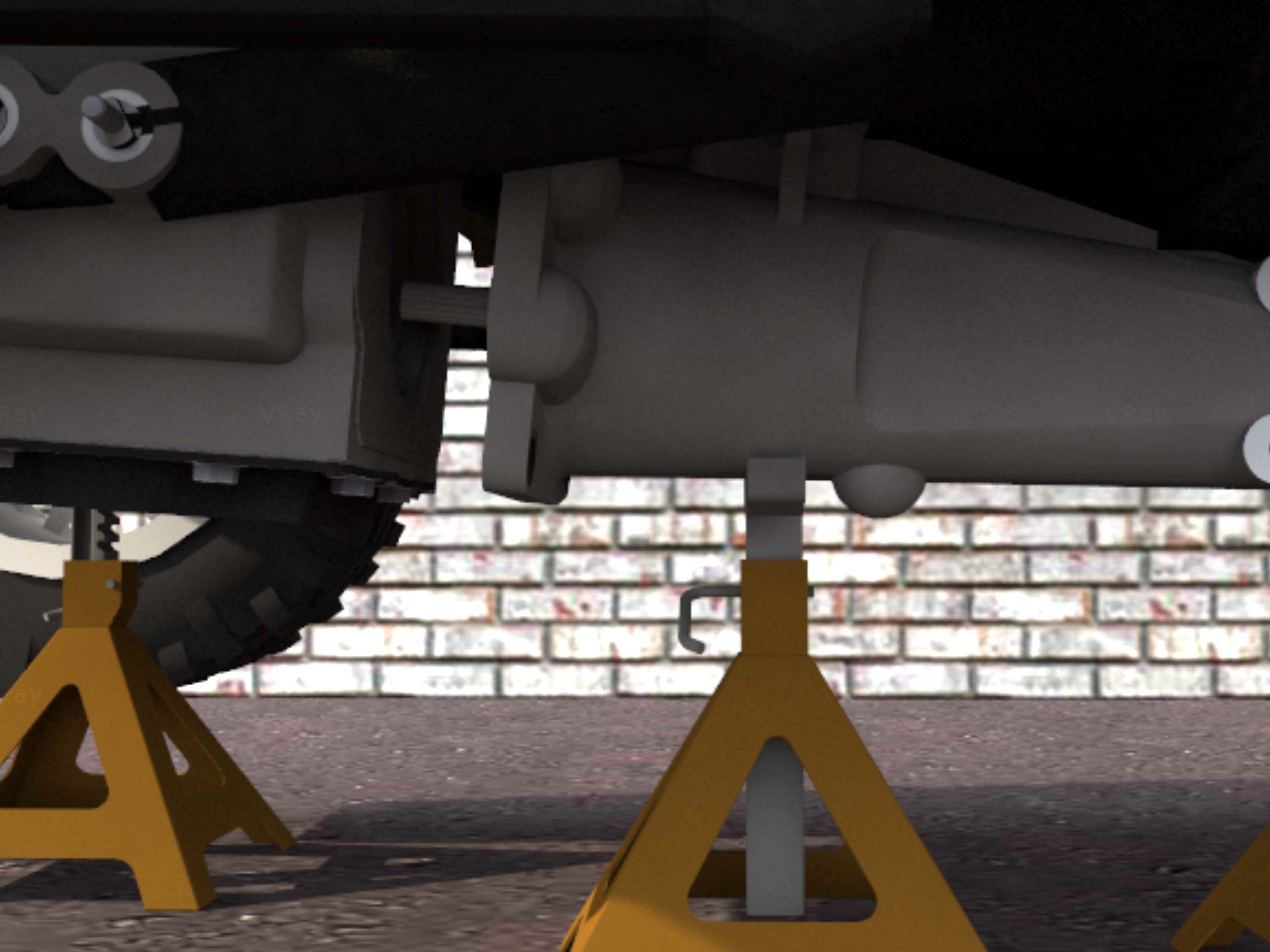
professional shops rely on lifts, transmission jacks, proper support stands, and strict proceduresnot vibes.
Non-negotiable safety mindset
- Never rely on a jack alone to support a vehicle you’re working under.
- Use equipment with adequate load ratings and place it on stable, level surfaces.
- Stabilize the truck so it cannot roll, shift, or settle as heavy parts are removed.
- Plan for weight transfer: removing a transmission changes balance and can stress mounts.
- If anything feels sketchy, stop and re-rig the setup. Your transmission is replaceable. You aren’t.
Know What You’re Working On: 1998 Chevy Truck Drivetrain Basics
“1998 Chevy truck” can mean several GMT400-era models (Silverado trim names started appearing, but the platform
overlaps with C/K terminology). The removal/install strategy changes depending on:
automatic vs. manual, 2WD vs. 4WD, engine size, and whether you have a transfer case.
Common transmission families you may see
- 4L60-E: Very common in half-ton applications. Electronic controls, torque converter, cooler lines.
- 4L80-E: Heavier-duty automatic often found in bigger trucks. Different size/weight and supporting parts.
- NV3500 / NV4500 (manuals): Different removal considerations (clutch components, hydraulics, etc.).
The fastest way to reduce mistakes is to identify what you actually have before buying parts. Many trucks include
an RPO (Regular Production Option) label listing codes for major components. That code-based reality check prevents
the classic problem: ordering the right transmission for someone else’s truck.
What a Professional Transmission R&R Typically Includes
Here’s the big-picture workflow shops followthink “chapters,” not a bolt-by-bolt script. The exact sequence and
details depend on your drivetrain, corrosion level, and what else is being repaired.
1) Diagnosis and scope (before removal)
A good shop doesn’t yank a transmission just because it “feels like it.” They confirm the complaint, scan for
codes (automatics), check fluid condition, inspect mounts and driveline angles, and verify whether the issue might
be external (wiring, sensors, cooler restriction, shift linkage, driveshaft/U-joints) rather than internal.
2) Preparation and access
Pros create safe access under the truck, protect components from fluid spills, and document connections so
everything goes back where it belongs. On a 4WD truck, removal is often more involved because the transfer case
and additional driveline components increase complexity and weight.
3) Disconnecting systems attached to the transmission
A transmission is the hub for multiple systems: electrical connectors, shift linkage, cooler lines, exhaust
clearance, crossmembers/mounts, driveline components, and (for automatics) the torque converter relationship to
the engine’s flexplate. Professionals treat this like unplugging a desktop PC: label everything, don’t yank
wires, and don’t “make it fit.”
4) Supporting the drivetrain and removing the unit
The transmission doesn’t just come out; it’s lowered and moved with controlled support. This is where the right
equipment matters. Professionals keep the unit stable, avoid stressing the engine, and prevent the torque converter
from sliding or misaligning during handling.
5) Installation, verification, and first run
Installation is not simply “reverse of removal.” Critical checks happen before final assemblyespecially on
automatics. A common expensive mistake is forcing alignment or drawing components together with bolts when they
aren’t properly seated. A shop confirms fitment, engagement, and freedom of movement where required before
tightening everything down.
Tools and Equipment Pros Use (and Why You Should Care)
This job isn’t “special tool only” so much as it’s “special stability required.” The right gear reduces injury
risk and prevents damage to the new transmission.
- Vehicle lift or properly rated support system: safe access and stable working height.
- Transmission jack: keeps the unit balanced while moving it.
- Torque wrench: prevents over/under-tightening critical fasteners.
- Line tools: reduces the chance of damaging cooler fittings.
- Scan tool (automatics): helps confirm sensor data, codes, and shift operation after install.
If you’re reading this and thinking, “I have a floor jack, a strong back, and confidence,” please re-read the
“strong back” part laterpreferably after watching someone try to bench-press 150+ pounds of awkward metal while
lining up a bellhousing. Confidence is not a safety device.
“While You’re In There” Items That Prevent Repeat Labor
Transmission labor is expensive because access is the hard part. That’s why shops often recommend addressing
wear-and-tear items while everything is already apart. This isn’t upselling when it’s done honestlyit’s avoiding
paying the same labor twice.
Common smart add-ons for automatics
- Torque converter (often replaced with the transmission, especially on reman units)
- Transmission mount (cheap compared to doing the job again)
- Cooler line inspection/replacement if cracked, rusty, or leaking
- Rear main seal inspection (engine-dependent) if you already have access
- U-joints and driveline inspection if vibration was part of the complaint
For 4WD trucks
- Transfer case seals inspection for leakage
- Driveshaft slip yoke condition and driveline angles
The Make-or-Break Details on Installation
Most “new transmission failed immediately” stories aren’t about bad parts. They’re about one of three things:
converter seating, cooler contamination, or forcing alignment.
Let’s talk about the big ones.
1) Torque converter seating (automatic transmissions)
The torque converter must be fully seated into the transmission before mating the transmission to the engine.
If it isn’t, and you force the bellhousing-to-engine connection with bolts, you can damage the pump and create
an instant (and expensive) no-go situation. In plain English: if it doesn’t sit right, don’t “tighten harder.”
Industry tech guidance repeatedly warns against using bellhousing bolts to draw the transmission into place and
emphasizes verifying proper seating and movement where applicable. This single mistake can turn your “new”
transmission into a very heavy paperweight.
2) Cooler flushing and contamination control
If the old transmission failed internally, debris can travel into the cooler and lines. Installing a replacement
transmission without addressing contamination is like pouring fresh milk into a cereal bowl you didn’t rinse.
You might get a few bites, but the ending is predictable.
Many transmission industry sources stress correct cooler serviceeither thorough flushing with appropriate
equipment or replacement when restriction/failure is suspected. Skipping this step is one of the easiest ways to
shorten the life of the replacement unit.
3) Fluid choice and fill strategy
Many late-1990s GM automatics originally called for older Dexron specifications, while GM later supported
Dexron-VI as a service fill that can replace previous Dexron fluids in older transmissions. The key is to follow
the transmission builder’s instructions (especially for remanufactured units) and avoid mixing random fluids
“because it was on sale.”
After Installation: What “Normal” Looks Like (and What Doesn’t)
The first start and first drive are not the time for full-throttle heroics. A professional approach is calm and
observant: verify fluid level properly, confirm there are no leaks, and confirm engagement and shifting behavior
under light load before returning to normal driving.
Common post-install issues to watch for
- Leaks at cooler connections, seals, or pan area
- Delayed engagement (unusually long time to move in Drive/Reverse)
- Harsh shifting or “hunting” between gears (could be adaptation or a control issue)
- Noise/vibration that wasn’t present before (mount/driveline alignment matters)
- Check Engine light or transmission-related codes
If something feels wrong, don’t keep driving and hope the truck “learns to behave.” Investigate immediately.
Early attention can prevent costly damage.
DIY vs. Shop: The Honest Cost Conversation
A transmission replacement can be a meaningful savings opportunity if you already have the right tools,
experience, and safe workspace. But for most people, the risk isn’t just “it takes longer.” The risks include:
injury, damaging the replacement unit, misdiagnosis (replacing the transmission when the real problem is elsewhere),
and having the truck stuck mid-project.
A professional shop also offers advantages that don’t show up on the price tag: correct lift equipment, torque
procedures, the ability to test drive safely, scan tools, and warranty support. If the job is critical to your
daily life, paying for predictability is often money well spent.
FAQ
How do I know whether my truck has a 4L60-E or 4L80-E?
Identification typically comes from the vehicle’s build information (RPO codes), transmission tag/ID, and drivetrain
configuration. When ordering parts, match by verified IDnot by guesswork or “it’s probably the common one.”
Do I need programming after installing a transmission?
It depends. Some installs are straightforward replacements; others (especially swaps or changes in unit configuration)
may require calibration, correct sensors, or compatibility checks. A shop can confirm with a scan tool and service
information.
Should I always replace the torque converter?
Many rebuilders and industry sources recommend replacing or properly reconditioning the converter with the transmission,
particularly if the previous unit failed or if contamination is suspected. Follow the remanufacturer’s warranty rules.
Real-World Experiences From the Garage (About )
Ask ten people about swapping a transmission in a late-’90s Chevy truck and you’ll get ten different war stories
but they’ll rhyme. The most common theme is that the job isn’t “hard” in the way advanced engine building is hard.
It’s hard in the way moving a refrigerator up a staircase is hard: heavy, awkward, and determined to make you
question your life choices.
Many DIYers say the project starts confidently: the truck is up, the tools are laid out, and everything seems
logical. Then reality shows up wearing rust like a winter coat. Bolts that look normal can be seized. Connectors
that should unplug politely may insist on being treated like a puzzle box. And if the truck has spent time in
harsher climates, “simple” can quickly become “creative.”
One of the best habits people mention is documenting everything. Photos, labels, and bagging hardware sounds like
overkill until you’ve got a handful of fasteners that all look identicalexcept the one that’s half an inch longer
and can cause a very bad day if it goes into the wrong place. The folks who enjoy the job the most are usually the
ones who treat it like a methodical teardown, not a speed run.
Another consistent lesson: alignment is everything. People often describe the moment of truth as “the transmission
is almost in… almost… why won’t it sit flush?” That’s the moment where patience saves money. Industry advice is
clear that forcing components together can cause damage, especially with automatic transmission pump/converter
relationships. The best experience reports sound boring: slow, careful alignment, double-checking fit, and refusing
to muscle it into place.
Cooler contamination comes up a lot in post-mortems. When an old unit fails, tiny debris can migrate into the cooler
system. Some people learned the hard way that a replacement transmission can suffer early problems if the cooler and
lines weren’t properly serviced. The “I should’ve flushed/replaced the cooler” regret is commonright up there with
“I should’ve replaced that mount while I was in there.”
Finally, there’s the emotional arc: you’ll have a high point (the transmission is out!), a low point (why is this
bracket here?), a second high point (it’s installed!), and then the longest five minutes of your life the first time
you start the truck and let it idle. The people who end up happiest are the ones who treat that first run as a
careful inspection period, not a victory lap. When it goes smoothly, it feels incrediblelike you just won a wrestling
match against gravity and won. When it doesn’t, the best move is to pause, diagnose calmly, and fix the root cause
instead of doubling down on hope.
Conclusion
Removing and installing a transmission in a 1998 Chevy truck is a serious project that rewards planning and punishes
shortcuts. The key wins are simple: identify your drivetrain correctly, treat safety as non-negotiable, avoid forcing
alignment, handle the torque converter correctly on automatics, and take cooler contamination seriously. Whether you
hire a shop or tackle it with the right experience and equipment, the goal is the same: a clean install that lasts.