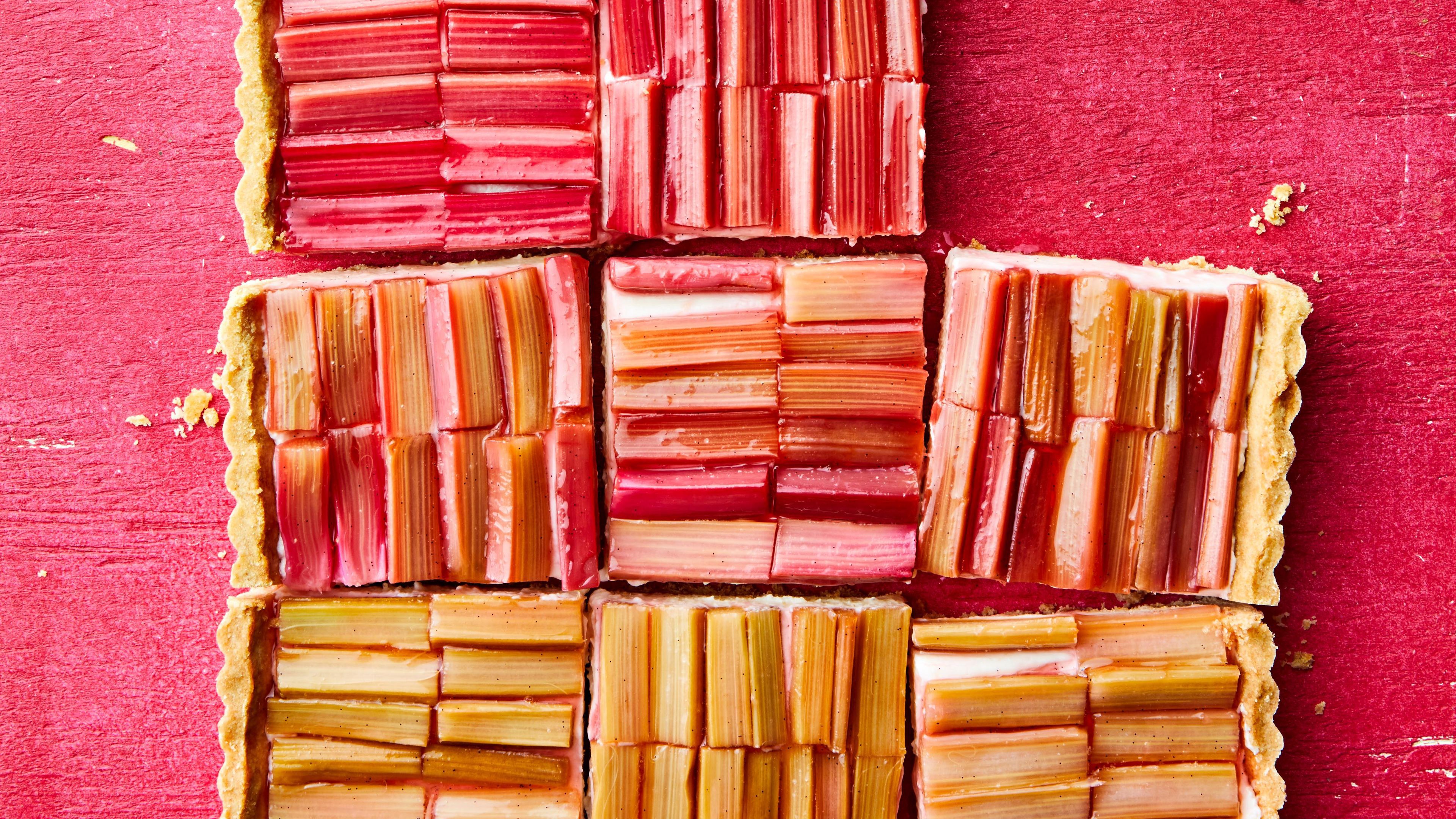

Rhubarb is the spring produce equivalent of a marching band: loud, bright, and absolutely impossible to ignore. It’s tart enough to make your face do that “I regret nothing” squint, and it turns into pure magic the moment sugar, heat, and a little planning show up to the party.
This guide walks you through exactly how to select, clean, cut, and prep rhubarb so it behaves in pies, crisps, cakes, compotes, jams, and even savory sauceswithout turning your dessert into a puddle or your kitchen into a crime scene. Let’s get you from “What is this celery-looking thing?” to “I made a show-stopping strawberry-rhubarb situation” in one delicious spring afternoon.
Meet Rhubarb (AKA: The “Not-Fruit” That Acts Like a Fruit)
Botanically, rhubarb is a vegetable, but culinary tradition basically shrugged and said, “Sure, but it’s going in pie.” The edible part is the stalk (the leaf stems). The leaves are not ediblemore on that in a momentso your relationship with rhubarb should be a stalk-only situation.
Step 1: Choose the Best Rhubarb Stalks
What to look for at the store or market
- Firm, crisp stalks (not limp or rubbery).
- Glossy skin with minimal blemishes.
- Medium stalks are often less stringy than giant baseball-bat ones (though big stalks can still be great when cooked down).
- Color ranges from green to deep red; color depends on variety and doesn’t automatically mean “riper” or “sweeter.”
A quick expectation reset
Rhubarb is tart. Even the reddest stalk in the bunch will not taste like strawberry candy. The goal isn’t to remove the tartnessit’s to balance it so the flavor reads as bright and refreshing, not like you just licked a lemon while thinking about your student loans.
Step 2: Rhubarb Safety (Two Rules, Zero Drama)
1) Don’t eat the leaves
Rhubarb leaves contain high levels of oxalic acid compounds and should be discarded. If you bought rhubarb with leaves attached (often at farmers’ markets), remove them promptly and toss them.
2) After a hard frost, be picky
If you’re harvesting from a garden and the plant has been hit by a hard frost, damaged stalks/leaves should be removed and discarded. When in doubt, don’t use questionable, wilted, or damaged stalks for food.
Step 3: Wash, Trim, and (Maybe) Peel
Wash
Rinse stalks under cool running water and gently rub off any grit. Pat dry. If the stalks are very muddy (garden life!), a quick soak followed by a rinse is finejust dry them well so you’re not adding extra water to already-juicy rhubarb.
Trim
Trim off the ends. If leaves are attached, cut them off completely and discard. Also remove any rough, browned, or scaly spots.
Do you need to peel rhubarb?
Usually, no. Most rhubarb is tender enough that peeling is unnecessary. But if stalks are older, very thick, or notably stringy, you can peel away tough fibers: make a small slit at an end and pull the stringy outer strips down the stalk. Think of it as rhubarb’s version of taking off a winter coat.
Step 4: Cut Rhubarb Like You Mean It (Size Matters)
How you cut rhubarb affects texture, bake time, and how much juice it releases. Match the cut to the dessert:
Best cuts for common desserts
- ½-inch slices: Great all-purpose size for crisps, crumbles, cobblers, muffins, and quick compotes.
- ¼-inch slices: Better for jam, sauce, and faster breakdown (less stringiness noticeable).
- 1–2 inch chunks: Nice for roasting or for rustic tarts where you want pieces to hold shape.
- Long batons: Pretty for decorative tarts, galettes, and layered pastries (best with fresh rhubarb, not frozen).
Step 5: Control the Juice (Because Rhubarb Is Basically a Drama Queen With a Water Bottle)
Rhubarb releases a lot of liquid as it sits with sugar and as it heats. That’s great for sauce; it’s a problem for pies if you want slices instead of soup. Here are the most reliable strategies:
Strategy A: Macerate (and don’t ignore the puddle)
Toss chopped rhubarb with sugar and let it sit 30–60 minutes. It will release juice. You can either:
- Use it all (and add a thickener like cornstarch/tapioca/pectin), or
- Drain some juice (especially for pie fillings) and reduce it on the stove into a syrup, then add back in. This concentrates flavor without flooding your crust.
Strategy B: Pre-cook a portion
For pie filling that sets nicely, cook down ⅓ to ½ of the rhubarb with sugar until it softens, then combine with the remaining raw rhubarb. You get thickened “glue” plus distinct piecesbest of both worlds.
Strategy C: Roast to concentrate
Roasting rhubarb (often with sugar and citrus) drives off some moisture and deepens flavor. It also helps the pieces keep their shape, which is ideal for fancy tarts and spoon-over-everything compotes.
Step 6: Pick Your Prep Path (Dessert Edition)
Path 1: Prep rhubarb for pies, crisps, and crumbles
- Cut into ½-inch slices.
- Macerate with sugar 30–60 minutes.
- Thicken with cornstarch, tapioca starch, or a cornstarch/pectin blend (especially for juicy strawberry-rhubarb fillings).
- Season with a pinch of salt and flavor helpers: vanilla, orange zest, ginger, or a tiny splash of bourbon.
Pro tip: If your filling is mostly rhubarb (no other fruit), it can taste sharply tart. Strawberries, apples, raspberries, or even a little orange juice can round the flavor without drowning out rhubarb’s signature zing.
Path 2: Prep rhubarb for compote (your springtime Swiss Army knife)
Compote is the easiest gateway dessert: it’s fast, forgiving, and makes everything look intentionalyogurt, ice cream, pancakes, cheesecake, pound cake, oatmeal, you name it.
- Cut into ½-inch slices.
- Simmer with sugar and a splash of water (or orange juice) just until softened. Rhubarb breaks down quickly, so keep an eye on it.
- Stop early if you want some shape, or cook longer for a smoother sauce.
Flavor add-ins: vanilla bean/paste, cinnamon, cardamom, ginger, citrus zest, or a few strawberries added near the end.
Path 3: Prep rhubarb for roasting (for “I brought dessert” energy)
- Cut into 1–2 inch pieces or long batons for presentation.
- Toss with sugar, pinch of salt, and citrus zest/juice.
- Roast until tender but not collapsed.
Roasted rhubarb is especially good on pavlova, shortcake, angel food cake, and tart shells. It also makes a bold topping for ricotta toast if you like your breakfast with a little chaos (the good kind).
Step 7: Rhubarb Beyond Dessert (Yes, It Can Do That)
Once you realize rhubarb is basically “edible acidity with personality,” you’ll start reaching for it like a chef reaches for lemon. Try it:
- In savory sauce for pork, chicken, or salmon (think chutney vibes).
- Quick-pickled for tacos, grain bowls, or charcuterie boards.
- As syrup for lemonade, iced tea, or cocktails/mocktails.
- As a shrub (a vinegar-based fruit syrup) for sparkling waterrefreshing and a little fancy.
Step 8: Storing Rhubarb So It Doesn’t Turn Sad
Refrigerator storage
For best results, remove any leaves, keep stalks cold, and avoid washing until you’re ready to use them (excess moisture speeds up spoilage). Wrap or bag the stalks and store in the fridge. If you already washed them, dry thoroughly before storing.
Freezing rhubarb (for future-you, who will be very pleased)
Frozen rhubarb is perfect for crisps, compotes, jam, and sauces. It will soften when thawed, so it’s not ideal when you need neat shapes for decorative tarts.
How to freeze rhubarb (tray pack method)
- Trim, wash, dry.
- Cut into your desired size (½-inch slices are the most versatile).
- Spread on a parchment-lined tray and freeze until firm.
- Transfer to freezer bags/containers, removing as much air as possible.
Do you need to blanch before freezing?
Not always. Many home preservers freeze rhubarb raw successfully, but a brief blanch (about 1 minute) can help retain color and quality for longer storage. Either way works; choose based on how long you want to keep it and what you plan to make.
Troubleshooting: Make Rhubarb Behave
“My rhubarb dessert is watery.”
- Macerate and reduce the juice, or drain some before baking.
- Use enough thickener and bake long enough for it to activate.
- Consider roasting rhubarb first for moisture control.
“It’s stringy.”
- Slice thinner, cook longer (compote/jam), or peel tougher stalks.
- Pair with strawberries or apples to soften the perception of fiber.
“It’s too tart.”
- Add sweetness gradually (especially in compote) and balance with vanilla, citrus, or warm spices.
- Combine with naturally sweet fruit like strawberries.
- Don’t forget salta pinch makes sweetness taste sweeter.
Quick Spring Dessert Ideas (So You Can Use This Immediately)
- Strawberry-rhubarb crisp: ½-inch slices, macerate, thicken, top with oats/butter/sugar.
- Rhubarb compote parfait: compote + Greek yogurt + granola + almonds.
- Rhubarb bars: fold chopped rhubarb into a custardy filling over a shortbread crust.
- Rhubarb upside-down cake: roast batons lightly first, then bake under vanilla cake batter.
- Rhubarb syrup lemonade: simmer rhubarb + sugar + water, strain, chill, mix with lemon.
Conclusion: Your Rhubarb Game Plan
If you remember nothing else, remember this: trim, wash, cut with intention, and control the juice. Rhubarb rewards a tiny bit of prep with big spring energybright flavor, gorgeous color, and desserts that taste like the weather finally stopped doom-scrolling.
Start with compote if you’re new. Graduate to crisps and pies once you’ve made peace with thickener math. Then try roasting when you want rhubarb to look like it belongs on a magazine cover. Either way, you’re now officially the person who “does rhubarb,” and that’s a very fun person to be.
Real-World Rhubarb Experiences (What You’ll Actually Run Into in the Kitchen)
Here’s the part nobody tells you until you’re standing over a bubbling pie filling wondering why it looks like strawberry soup: rhubarb is intensely cooperative after you learn its habits. These are the common, very human moments that tend to happen when you start cooking with itplus what to do so your spring desserts feel effortless instead of chaotic.
1) The “Why is there so much liquid?!” moment. The first time you toss rhubarb with sugar, you’ll come back to the bowl and find a shocking puddle. This isn’t a failureit’s rhubarb doing exactly what rhubarb does. Many home bakers end up learning a simple rhythm: macerate, then decide whether you’re in a “rustic and juicy” mood (crisp) or a “clean slice of pie” mood (drain and reduce some juice). Once you’ve reduced that pink liquid into syrup once, you’ll feel like you unlocked a secret level.
2) The “I thought red meant sweet” misunderstanding. Rhubarb’s color is gorgeous, but it’s not a guaranteed sweetness meter. People often expect deep red stalks to taste like candy and get surprised when it’s still tart. The win is learning to balance flavor instead of chasing sweetness: vanilla makes tartness feel rounder, orange zest makes it brighter, and ginger gives it a warm, bakery-style edge. After a few batches, you’ll start seasoning rhubarb the way you season foodon purpose, not just “add more sugar and hope.”
3) The “My crust is soggy” heartbreak. Pies are where rhubarb teaches the toughest lesson. In real kitchens, the fix is usually one of three things: use enough thickener, bake long enough for the filling to actually set, or pre-cook a portion of the fruit. Many bakers also discover that a crisp is the stress-free rhubarb dessert to bring to gatherings because it tastes amazing even when it’s a little juicyno one complains; they just ask for ice cream.
4) The stringy surprise (and how you adapt). Some stalks are tender, some are stringierespecially thicker or older ones. This is where experience kicks in: if it looks tough, slice thinner or peel a few outer strings. In compote and jam, strings basically vanish into softness; in cakes or muffins, smaller pieces blend in better. After you’ve made a dessert or two, you’ll start cutting rhubarb automatically based on what you’re making, the way you’d dice onions differently for salsa versus soup.
5) The “Rhubarb goes with that?!” discovery. People often start with strawberry-rhubarb and then accidentally fall in love with rhubarb in everything. A spoonful of roasted rhubarb over vanilla ice cream feels fancy with almost no effort. Rhubarb syrup turns lemonade into something you’d pay $8 for at a cute café. And once you try rhubarb in a savory sauce with pork or chicken, you realize it’s basically a spring version of cranberry saucetangy, bright, and ridiculously good with rich food.
6) The freezer win. Freezing rhubarb is one of those “future me is a genius” habits. The experience most people have is this: you freeze a few bags in spring, forget about them, and then in a random month you toss frozen rhubarb into a crisp and suddenly your kitchen smells like April again. The main lesson is choosing the right use: frozen rhubarb is perfect for anything cooked down (crisps, sauces, jam) and less ideal when you need tidy, picture-perfect stalks on top of a tart. Once you accept that, you’ll use the freezer confidently instead of feeling like frozen fruit is second-best.
If you take anything from these experiences, let it be this: rhubarb is not difficultit’s just honest. It tells you exactly what it’s going to do (release juice, taste tart, soften fast). When you prep with that in mind, rhubarb stops being “that weird spring vegetable” and becomes your seasonal superpower.