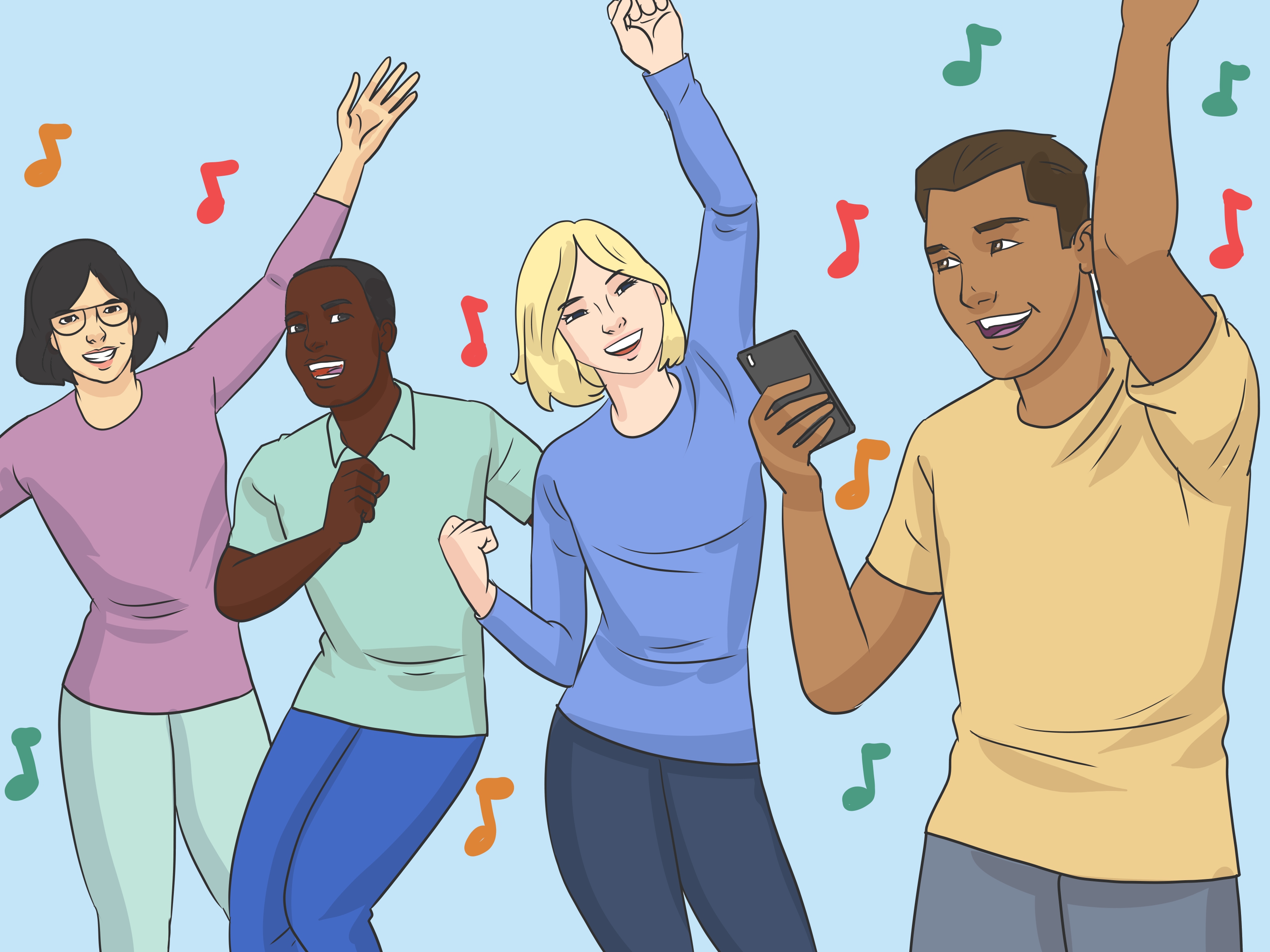

Freeze Dance is the rare party game that needs almost nothing, works almost anywhere, and somehow turns ordinary people into dramatic statues, disco penguins, and deeply committed living room ballerinas. The rules are simple: dance when the music plays, freeze when the music stops, and try not to wobble like a bowl of jelly on a trampoline. That is the basic idea, but the beauty of the Freeze Dance game is that it can be shaped for toddlers, preschoolers, elementary students, family parties, classroom brain breaks, summer camps, youth groups, and even adults who claim they “do not dance” right before they absolutely dance.
At its heart, Freeze Dance is a music and movement activity that builds listening skills, body control, quick reactions, confidence, and social fun. Children practice paying attention to cues, managing impulses, moving safely around others, and expressing themselves through rhythm. Adults get an easy activity that burns energy without requiring a complicated setup, expensive equipment, or a rulebook thick enough to stop a door.
This guide explains how to play Freeze Dance, the official-style rules most groups use, fun variations, safety tips, classroom ideas, party formats, and practical hosting advice. Whether you are planning a birthday party, a rainy-day indoor game, a preschool movement activity, or a quick classroom reset, Freeze Dance is a cheerful little powerhouse.
What Is Freeze Dance?
Freeze Dance, sometimes called Dance Freeze or Musical Statues, is a group game where players dance while music is playing and freeze like statues when the music stops. The leader controls the music or gives a verbal cue. Anyone who keeps moving after the stop cue may be asked to sit out, perform a silly challenge, or simply try again, depending on the version being played.
In the United States, Freeze Dance is especially popular at children’s birthday parties, preschool classrooms, elementary school recess programs, camps, and family gatherings. It is flexible because it can be competitive or noncompetitive. For younger kids, the best version usually keeps everyone in the game. Instead of eliminating players, you can use gentle reset activities such as five jumping jacks, a funny pose, or a quick balance challenge. That way, the game stays active and inclusive.
What You Need to Play Freeze Dance
Freeze Dance is delightfully low-maintenance. You do not need a gym, a stage, or a professional DJ named “Captain Beat Drop.” You only need a few basics.
Basic Supplies
- Music from a phone, speaker, computer, radio, or playlist
- An open space free of sharp corners, clutter, cords, and slippery rugs
- At least two players, though larger groups make it more exciting
- One leader to start and stop the music
- Optional props such as scarves, beanbags, ribbons, rhythm sticks, or costume accessories
Best Ages for Freeze Dance
Freeze Dance works well for ages three and up, but it can be adapted for toddlers, older children, teens, and adults. Preschoolers may need a clear verbal cue like “Freeze!” at first. Older children can handle trickier versions where the music stops without warning or where the leader changes tempo, pose, or movement style. Adults can play too, although they may require extra encouragement and possibly a very persuasive playlist.
How to Play Freeze Dance: Step-by-Step Rules
Step 1: Clear the Dance Area
Choose a safe, open area where players can move without bumping into furniture, walls, or each other. If you are indoors, move chairs, toys, bags, and cords out of the way. If you are outdoors, check for wet grass, uneven ground, rocks, or anything that could cause slipping. Remind players that dancing is fun, but crashing into someone like a runaway shopping cart is not part of the game.
Step 2: Explain the Rules Clearly
Before starting the music, explain the game in simple language: “When the music plays, dance. When the music stops, freeze like a statue. Stay frozen until the music starts again.” Demonstrate both actions. Dance for a few seconds, stop suddenly, and hold a silly pose. Children learn faster when they see the rule in action.
Step 3: Start the Music
Play an upbeat song and invite everyone to dance. Encourage big, creative movements while still keeping bodies safe. Players can wiggle, spin carefully, march, bounce, clap, sway, or create their own signature moves. For younger children, dance with them at first so they feel comfortable joining in.
Step 4: Stop the Music Randomly
Pause the music at unexpected times. When the sound stops, everyone must freeze immediately. The fun is in the surprise. Sometimes stop the music after three seconds; other times let the song play longer. Random timing keeps players alert and prevents them from guessing the pattern.
Step 5: Check the Freeze
Look around to see who stayed still. Players should hold their pose until the music starts again. For young children, avoid being too strict about tiny movements. Breathing, blinking, and small balance adjustments are normal. The goal is listening and body control, not turning children into museum sculptures guarded by laser alarms.
Step 6: Decide What Happens If Someone Moves
There are two common rule styles: elimination and non-elimination. In elimination Freeze Dance, players who move after the music stops are out until the next round. This can be exciting for older children who enjoy competition. In non-elimination Freeze Dance, players who move complete a playful challenge and then rejoin. For example, they might do five jumping jacks, make a superhero pose, spin once, or become the next music helper.
For preschoolers and mixed-age groups, non-elimination is usually better. It keeps everyone moving, avoids frustration, and supports the main benefits of the activity: listening, focus, movement, and fun.
Step 7: Restart and Repeat
Start the music again and continue for several rounds. A typical game can last five to fifteen minutes, depending on the age and energy level of the group. Stop before players become exhausted or the game turns into “tiny tornadoes in sneakers.” A short, happy game is better than a long one that ends with chaos and someone arguing with a couch cushion.
Freeze Dance Rules for Different Settings
For Birthday Parties
At parties, keep the rules simple and lively. Use popular clean songs, movie soundtracks, or kid-friendly dance tracks. Consider giving everyone a small sticker or applause moment instead of choosing one winner. If you do want a winner, play several short rounds so more children get a chance to win.
For Classrooms
Freeze Dance makes an excellent classroom brain break. Use it between lessons, after quiet work, or when students need to reset their bodies and attention. Keep the space controlled by assigning dance spots or using tape marks on the floor. Choose short song clips and set expectations: safe bodies, personal space, and silent freezing when the music stops.
For Preschool and Daycare
Preschoolers benefit from repetition and clear cues. Say “Freeze!” when stopping the music until they understand the pattern. Use visual examples like “freeze like a tree,” “freeze like a robot,” or “freeze like a sleepy cat.” Avoid elimination. Preschoolers learn best when they stay engaged and get many chances to practice.
For Family Game Night
Family Freeze Dance is wonderfully ridiculous. Let each person choose one song. Rotate the music leader. Add family challenges such as “freeze like Dad cooking pancakes” or “freeze like Grandma seeing a spider.” The more personal and silly the prompts are, the more memorable the game becomes.
Fun Freeze Dance Variations
Animal Freeze Dance
When the music stops, call out an animal. Players must freeze as that animal. Try flamingo, frog, elephant, crab, penguin, or sleepy lion. This version adds imagination and encourages different body shapes.
Superhero Freeze Dance
Players dance until the music stops, then freeze in a superhero pose. They can pretend to fly, lift a mountain, block a meteor, or save a sandwich from certain doom. This variation is great for confidence and dramatic expression.
Emotion Freeze Dance
Call out an emotion when the music stops: happy, surprised, sleepy, proud, confused, brave, or grumpy. Players freeze with a face and body shape that matches the feeling. This is a gentle way to help children explore emotional expression.
Fast and Slow Freeze Dance
Use songs with different tempos or adjust the volume. When the music is slow, players move slowly. When it is fast, they dance with more energy. When it stops, they freeze. This variation helps children notice tempo, rhythm, and movement control.
Copy-the-Leader Freeze Dance
Choose one player as the leader. Everyone copies that person’s dance moves while the music plays. When the music stops, everyone freezes. Rotate leaders so each child gets a turn. This supports creativity, leadership, and group participation.
Balance Freeze Dance
When the music stops, players must freeze while balancing on one foot, touching one hand to the floor, standing wide like a star, or making a yoga-style pose. Keep balance challenges safe and age-appropriate.
Theme Freeze Dance
Choose a theme for the whole round. Examples include outer space, jungle adventure, underwater party, dinosaurs, robots, sports, fairy tale characters, or weather. During a weather round, players might dance like rain, spin like wind, and freeze like snowflakes.
Why Freeze Dance Is Good for Kids
Freeze Dance may look like pure silliness, but it supports several important developmental skills. Children practice listening because they must respond to the music starting and stopping. They build attention because they need to stay aware even while dancing. They strengthen self-control because freezing requires them to stop their bodies quickly, even when they want to keep moving.
The game also supports gross motor development. Dancing can include jumping, marching, bending, clapping, swaying, spinning carefully, and balancing. These movements help children explore coordination, rhythm, and body awareness. When played in a group, Freeze Dance also encourages social skills. Players learn to share space, follow common rules, take turns, and laugh together when someone freezes in a wonderfully strange pose.
Physical activity is another big advantage. Children need regular movement, and Freeze Dance offers a simple way to add active play to the day. It can raise energy when kids feel sluggish or release extra energy when they are bouncing off the walls like popcorn kernels with sneakers.
Tips for Making Freeze Dance More Fun
Use a Great Playlist
Music matters. Choose songs with clear beats, positive lyrics, and enough energy to inspire movement. Mix familiar favorites with new tracks. For younger kids, short songs work best. For older kids, try themed playlists such as disco, movie music, pop hits, oldies, or international dance songs.
Keep Rounds Short
Freeze Dance works best in short bursts. Five to ten minutes can be perfect for preschoolers. Older children may enjoy fifteen or twenty minutes if you add variations. Stop while the group is still having fun, not after everyone has melted into the carpet.
Celebrate Creative Freezes
Instead of focusing only on mistakes, praise creativity. Try comments like “That robot freeze was amazing,” “Great balance,” or “I love how you froze like a tiny thundercloud.” Recognition encourages participation and helps shy players feel comfortable.
Rotate the Leader
Let different players control the music, call out poses, or choose dance styles. Leadership turns keep the game fresh and reduce arguments over who gets to be in charge. For groups, make the role quick: one leader for two or three stops, then switch.
Common Mistakes to Avoid
Making the Game Too Competitive
Competition can be fun, but too much elimination can leave younger children sitting out and losing interest. If the purpose is movement, learning, or group fun, use non-elimination rules. Save elimination rounds for older kids who understand the game and can handle losing gracefully.
Playing in a Crowded Space
Freeze Dance needs room. Crowded spaces lead to bumped elbows, stepped-on toes, and accidental dramatic collisions. Make the dance area smaller only if you also require smaller movements, such as finger dancing, shoulder dancing, or seated Freeze Dance.
Using Songs That Are Too Long
A long song can make the game drag, especially for young children. Use shorter tracks or stop after a minute and switch songs. Variety keeps attention high.
Forgetting to Demonstrate
Children understand better when they see what to do. Demonstrate dancing, freezing, and waiting for the music to restart. A funny demonstration also breaks the ice. Adults who are willing to look silly usually get better participation from kids.
Inclusive Ways to Play Freeze Dance
Freeze Dance can be adapted for different abilities, comfort levels, and spaces. A child who uses a wheelchair can dance with arms, head movements, facial expressions, rhythm instruments, or scarf motions. A child who feels shy can start as the music helper or pose caller. A child who becomes overstimulated can play a quieter version with slower music and softer movements.
Seated Freeze Dance is a great option for small rooms or mixed-ability groups. Players sit in chairs or on the floor and dance using hands, shoulders, heads, and facial expressions. When the music stops, they freeze. This version works well in classrooms, waiting rooms, family gatherings, and any space where full-body dancing is not practical.
of Real-Life Experience: What Playing Freeze Dance Actually Feels Like
One of the best things about Freeze Dance is that it looks simple from the outside, but the moment the music starts, personalities appear. The cautious child begins with two tiny shoulder wiggles. The confident child invents a move that looks like a helicopter trying to make toast. The quiet child suddenly becomes a statue artist. The adult in charge says, “Just one quick round,” and twenty minutes later is still holding the phone, laughing, and trying to catch a group of six-year-olds mid-wiggle.
In real settings, the first round is usually a warm-up. Some players test the rules. They freeze a little late, peek around to see who noticed, and grin like they have just committed a very small, very musical crime. This is normal. The game improves quickly once everyone understands the rhythm: music means move, silence means stop. By the third or fourth round, the group is usually more focused, and the freezes become funnier and more controlled.
For birthday parties, Freeze Dance often works best after children have eaten, opened gifts, or spent time running around. It brings the group together without needing complicated instructions. A good host keeps the mood playful. Instead of saying, “You moved, you’re out,” try saying, “Oops, the statue sneezed! Give us three jumping jacks and jump back in.” Children laugh, the game continues, and nobody feels embarrassed.
In classrooms, Freeze Dance can feel like pressing a reset button. After a long writing lesson or a quiet activity, students may need to move before they can focus again. A two-song Freeze Dance break can help release energy while still practicing self-control. The trick is to frame it clearly: “We are going to move safely, freeze silently, and return to our seats when the song ends.” When expectations are clear, the activity can be both joyful and orderly.
At home, Freeze Dance becomes even more personal. Families can use favorite songs, silly inside jokes, and customized freeze prompts. “Freeze like you just stepped on a Lego” is a surprisingly powerful prompt. So is “freeze like the dog stole your pizza.” These little moments create laughter, and laughter is often what children remember most. They may forget the exact rules, but they remember that everyone played together.
Another useful experience: not every child wants to dance immediately. Some children need to watch first. Give them a role. They can press pause, call out animals, judge the silliest statue, or choose the next song. Often, once they feel safe, they join naturally. Freeze Dance should never feel like a stage audition. It works best when participation has many forms.
The most successful rounds are not the perfect ones. They are the rounds where someone freezes mid-spin with one sock sliding off, where a parent tries to moonwalk and regrets it instantly, where a child invents a pose so strange that everyone demands a replay. That is the magic of Freeze Dance: it is structured enough to teach listening and self-control, but loose enough to let joy run around the room in sparkly sneakers.
Conclusion
Learning how to play Freeze Dance is wonderfully easy: play music, dance freely, stop the music, freeze, and repeat. But behind those simple rules is a flexible activity that supports movement, listening, focus, creativity, self-control, and social connection. It works for parties, classrooms, preschool activities, camps, family nights, and quick brain breaks. You can play it competitively, but for most groups, especially young children, an inclusive version keeps the fun going longer.
Freeze Dance proves that a great game does not need fancy supplies or complicated rules. Sometimes all you need is music, space, imagination, and the willingness to freeze like a superhero flamingo when the beat suddenly stops.
Note: For web publishing, you may customize the playlist examples, age recommendations, and party variations to match your audience, school policy, or event theme.