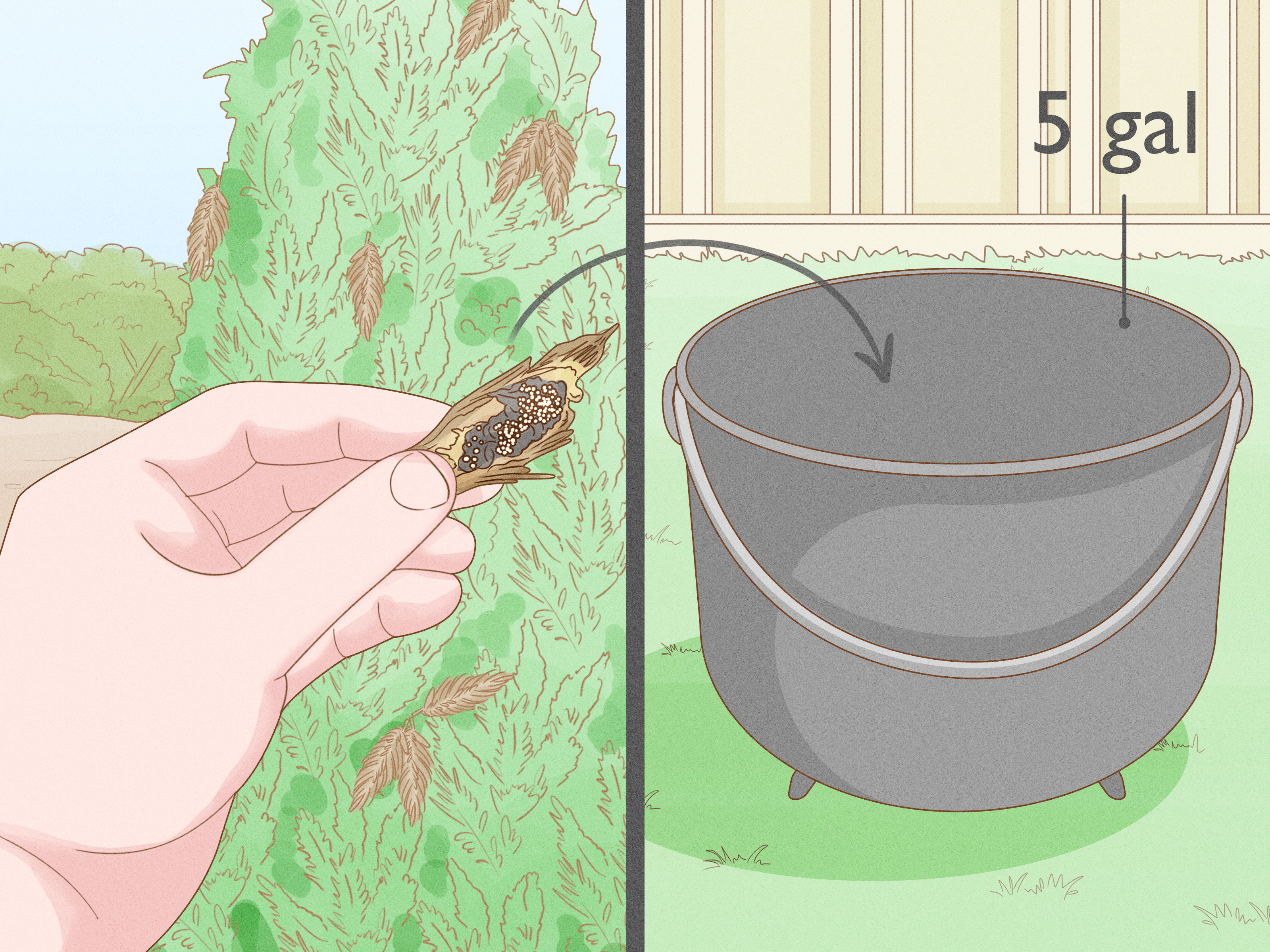

If you want a fast privacy screen, a dramatic windbreak, or a row of evergreens that says, “Yes, I would like my backyard to feel slightly more private than a reality show,” Leyland cypress is often the first tree people consider. It grows quickly, looks lush year-round, and can turn a bare property line into a green wall in a surprisingly short time.
But here is the catch: Leyland cypress is one of those plants that rewards good planting and punishes lazy planting. Put it in the wrong place, crowd it too tightly, bury it too deep, or treat it like an indestructible green stick, and it may spend the next several years looking offended. Plant it properly, though, and it can establish faster, stay healthier, and give you the screen you wanted without turning into a maintenance melodrama.
This guide walks through exactly how to plant Leyland cypress the right way, from picking the site to watering after transplanting. It also covers the common mistakes that cause browning, stress, and disease, so you can avoid the classic “I planted these for privacy and now they are plotting against me” scenario.
What to Know Before You Plant
Leyland cypress is a fast-growing evergreen conifer often used for privacy screening. That speed is the whole sales pitch, and to be fair, it is a good one. Young trees can put on several feet of growth per year under the right conditions. The problem is that people shop for them when they are small and adorable, then forget that those little trees are future giants.
Mature Leyland cypress trees can become very tall and broad. In other words, this is not a “tuck one beside the downspout and hope for the best” kind of plant. If your planting area is narrow, heavily shaded, or chronically soggy, you may be forcing the tree into a bad long-term relationship with your landscape.
Best uses for Leyland cypress
- Privacy screens
- Property borders
- Windbreaks
- Large-scale evergreen backdrops
Less-than-ideal uses
- Tight foundation beds
- Small urban yards
- Poorly drained sites
- Shady corners with limited airflow
If your goal is a dense living wall, the smartest move is to think about the tree at year 10, not just week one.
Choose the Right Planting Site
1. Prioritize full sun
Leyland cypress performs best in full sun. It can tolerate some light shade, but heavy shade tends to reduce vigor, thin out foliage, and create a more humid canopy. That last part matters because stagnant, damp foliage is basically an engraved invitation for disease problems.
Pick a location that gets strong sunlight for most of the day. More light generally means denser growth and better overall structure.
2. Look for well-drained soil
This tree is fairly adaptable, but drainage still matters. Leyland cypress prefers moist, fertile, well-drained soil. It does not enjoy sitting in waterlogged ground where roots stay wet for long periods. If you dig a test hole and it holds water after rain, that site is waving a red flag.
Clay soil is not automatically a deal-breaker, but compacted clay with poor drainage can slow establishment and increase stress. If your soil is heavy, loosen a broad planting area and make sure runoff does not collect around the root zone.
3. Give it room to grow
This is where many homeowners go wrong. A Leyland cypress may look skinny in the nursery pot, but it will not stay that way. If you plant trees too close together, they compete for light, water, and airflow. The result is often a crowded hedge that looks great for a while, then starts browning from the inside out.
For a screen planting, generous spacing is usually the healthier choice. A common rule of thumb is to plant them about 12 to 15 feet apart on center, and in many landscapes, even more breathing room is better. Yes, that can feel wide when the trees are young. No, your future self will not be mad about it.
4. Stay away from structures and hardscape
Do not plant Leyland cypress right up against a fence, wall, driveway, or house corner. You want space for branches to develop naturally and for air to move through the canopy. Planting too close to hardscape can also make pruning awkward, distort the plant’s shape, and create unnecessary stress.
When Is the Best Time to Plant Leyland Cypress?
The best time to plant Leyland cypress is usually during the cooler parts of the year, when the tree can focus on root establishment instead of trying to survive intense summer heat. In many parts of the United States, fall through early spring is ideal, as long as the ground is workable. Early fall is especially helpful for evergreens in warmer regions because it gives roots time to settle in before summer stress arrives.
You can plant container-grown trees outside that window if needed, but planting in peak summer heat is riskier and demands much more careful watering.
How to Plant Leyland Cypress Step by Step
Step 1: Lay out your spacing first
Before you dig, mark the planting line and measure the spacing from trunk center to trunk center. This is not the glamorous part, but it is the part that prevents the “Oops, these are four feet apart and now I own a green tunnel” problem. Use stakes or flags to visualize the mature arrangement before you commit.
Step 2: Dig a hole that is wide, not extra deep
Dig the planting hole two to three times wider than the root ball, but no deeper than the root ball itself. Wider holes help roots move into the surrounding soil more easily. Deeper holes are not a favor. They often cause settling, which leaves the tree planted too low.
For Leyland cypress, a shallow, broad planting area is usually better than a narrow, deep crater. Think “landing pad,” not “well shaft.”
Step 3: Check the root flare
Find the root flare before planting. This is the point where the trunk widens and transitions into the uppermost roots. It should sit at or slightly above the surrounding soil level after planting. If soil or potting mix is piled on top of the flare in the container, gently remove that excess so you can plant at the proper depth.
Planting too deep is one of the most common reasons landscape trees struggle. The tree may survive for a while, but it rarely thanks you for it.
Step 4: Remove the container and inspect the roots
Slide the tree out of the pot carefully and check the root ball. If roots are circling heavily, loosen or straighten the outer roots so they do not keep wrapping around themselves after planting. You are not trying to turn the root ball into a bare-root specimen. You are just helping the roots stop behaving like they are still stuck in a container forever.
Step 5: Set the tree in place
Place the tree in the center of the hole and make sure it is straight from several angles. The top of the root ball should sit level with the surrounding soil or just slightly above it. If it looks a little high, that is often safer than a little low.
Step 6: Backfill with native soil
Use the soil you removed from the hole to backfill around the root ball. Break up large clods, but do not overwork the soil into dust. In most home landscapes, native soil is the right backfill choice because it encourages roots to move outward instead of lingering in a soft pocket of overly amended soil.
If a soil test shows specific fertility or pH issues, correct those based on local recommendations rather than guessing with a random scoop of mystery garden products.
Step 7: Water slowly and thoroughly
Once the hole is backfilled, water deeply to settle the soil around the roots. A slow soak works better than a quick splash. You want moisture to move through the entire root ball and into the surrounding soil, not just dampen the surface long enough to create false confidence.
Step 8: Mulch the root zone
Apply 2 to 3 inches of mulch over the planting area, keeping it a few inches away from the trunk. Mulch helps conserve soil moisture, buffer temperature swings, and reduce competition from weeds and turf. What it should not do is touch the trunk like a soggy collar. No mulch volcanoes. Ever.
How Much Water Does Leyland Cypress Need After Planting?
The first year matters most. Newly planted Leyland cypress needs consistent moisture while it develops new roots into the surrounding soil. A common target is about 1 inch of water per week from rain or irrigation during establishment, though your exact schedule should depend on soil type, weather, and tree size.
Water slowly and deeply rather than lightly and often. Drip irrigation, a soaker hose, or a slow trickle from a hose is usually more effective than overhead watering. Check the soil before watering again. It should be moist, not swampy. Drought stress can make Leyland cypress more vulnerable to cankers and other problems, but constantly soggy soil can be just as damaging.
Should You Fertilize Right Away?
Usually, no aggressive fertilizer push is needed at planting time. The tree’s first job is root establishment, not a top-growth sprint. Too much fertilizer can create unnecessary stress and overly lush growth. If your soil is reasonably decent, let the tree settle in first. If fertility is a concern, base any feeding plan on a soil test rather than on optimism and a brightly labeled bag.
Pruning After Planting
Leyland cypress does not usually need major pruning at planting time, aside from removing damaged or broken branches. Later on, light shaping can help maintain a tidy screen, but repeated hard pruning is not a substitute for proper spacing. If you have to shear constantly just to keep trees from eating the driveway, the problem probably started with the layout, not the pruners.
Common Mistakes to Avoid
Planting too close together
This is the big one. Tight spacing may create faster privacy in the short term, but it also increases competition, reduces airflow, and raises the odds of disease.
Planting too deep
If the root flare disappears below grade, the tree is too deep. That mistake can haunt the planting for years.
Ignoring drainage
Wet feet are not a personality quirk Leyland cypress can simply learn to enjoy. Bad drainage stresses roots and invites trouble.
Underwatering during establishment
A newly planted evergreen cannot rely on wishful thinking and one dramatic thunderstorm. It needs consistent moisture while roots expand.
Assuming fast growth means invincibility
Fast-growing trees often need smarter site selection, not less. Vigorous growth does not cancel out poor planting decisions.
What Problems Might Show Up Later?
Leyland cypress is widely planted, but it can be prone to stress-related issues, especially when crowded or planted in poor conditions. Common trouble includes canker diseases, root problems in poorly drained soils, and pests such as bagworms in some regions. Browning branch tips, scattered dead limbs, and thinning interior foliage are all signs that something is off.
That does not mean every Leyland cypress is doomed. It means site selection, spacing, watering, and stress reduction matter more than many homeowners realize. A healthy tree in the right place has a much better shot than a crowded hedge installed like a green zipper.
A Simple Spacing Example
Say you want to screen a 60-foot property line. If you plant Leyland cypress 15 feet apart on center, you might use about five trees depending on edge clearance and your exact layout. That can feel sparse on planting day. A year or two later, it starts to make sense. A few years after that, it looks wise. Ten years later, it looks downright prophetic.
Real-World Experience: What Planting Leyland Cypress Usually Teaches People
In real yards, planting Leyland cypress tends to teach the same lesson again and again: the first day lies to you. On planting day, every tree looks tiny, every gap looks awkward, and every homeowner feels tempted to cheat the spacing by “just a little.” That is completely understandable. You stand there staring at a long fence line, imagining instant privacy, and those baby trees look like they will need a decade just to become respectable. So people slide them closer together, promise themselves they will prune later, and call it a victory.
Then time happens. The trees settle in, start growing hard, and suddenly the row that looked politely spaced begins acting like a crowd leaving a concert. Branches overlap. The interior gets darker. Airflow drops. The outside still looks green, so everything seems fine for a while, but inside the planting, stress quietly builds. That is why experienced gardeners often sound a little dramatic about spacing. They are not trying to ruin your dream hedge. They are trying to save you from your future weekend headaches.
Another common experience is realizing that watering a newly planted evergreen is less about frequency and more about consistency. People often overreact in one of two directions. They either water every day with a tiny sprinkle that barely wets the mulch, or they assume a tough-looking conifer can fend for itself after the first week. Neither approach works very well. The more successful plantings usually come from a simple routine: slow, deep watering, regular soil checks, and small adjustments based on heat and rainfall. Nothing flashy, just steady care.
There is also the emotional roller coaster of the first bit of browning. One tan twig appears and suddenly the homeowner is six seconds away from declaring the entire planting a disaster. Sometimes that panic is justified. More often, it is a reminder to inspect the basics: drainage, planting depth, mulch placement, and moisture. Experienced growers know that stress signs rarely appear out of nowhere. The tree is usually reacting to a condition that has been developing for a while.
Perhaps the biggest practical lesson is that Leyland cypress is not a “plant it and forget it” tree if you are using it as a formal screen. It needs observation. Not obsession, just observation. Walk the line occasionally. Look for dead tips, bag-like insect cases, crowded branches, or places where irrigation is missing the root zone. Catching a problem early is a lot easier than trying to rescue a fully stressed hedge that has already decided to enter its dramatic era.
And yet, when Leyland cypress is planted in full sun, with decent airflow, proper depth, enough room, and thoughtful watering, the experience can be extremely rewarding. A once-bare boundary becomes green, softens noise, frames the yard, and gives the landscape a finished look much faster than many other evergreens. That is why people keep planting it despite the warnings. The tree can perform beautifully. It just expects you to respect the math, the roots, and the long game.
Final Thoughts
If you are going to plant Leyland cypress, plant it like you expect it to become a real tree, not a permanent nursery sample. Give it full sun, good drainage, generous spacing, a wide planting hole, visible root flare, deep watering, and mulch that stays off the trunk. Most of the long-term problems people blame on the species begin with preventable planting mistakes.
Done right, Leyland cypress can still be a useful, handsome evergreen screen. Done carelessly, it becomes a very fast-growing reminder that shortcuts in the garden are rarely free.