
Creeping zinnia is the plant equivalent of that friend who shows up to the barbecue early, doesn’t complain about the heat,
and somehow still looks great in every photo. If you’ve got a sunny spot that needs a fast splash of colorfront-of-border,
rock garden, pathway edge, hanging basket, window boxthis little ground-hugging bloomer can deliver a bright “mini-sunflower”
vibe from summer until frost (without demanding a daily pep talk).
This guide walks you through what creeping zinnia is, where it thrives, how to plant it (seed or transplants),
and the simple routines that keep it blooming like it’s getting paid per flower.
Meet the Plant: What “Creeping Zinnia” Actually Is
Creeping zinnia is commonly sold under the botanical name Sanvitalia procumbens.
Despite the name, it’s not the same as the tall, cut-flower zinnias you might grow for bouquets.
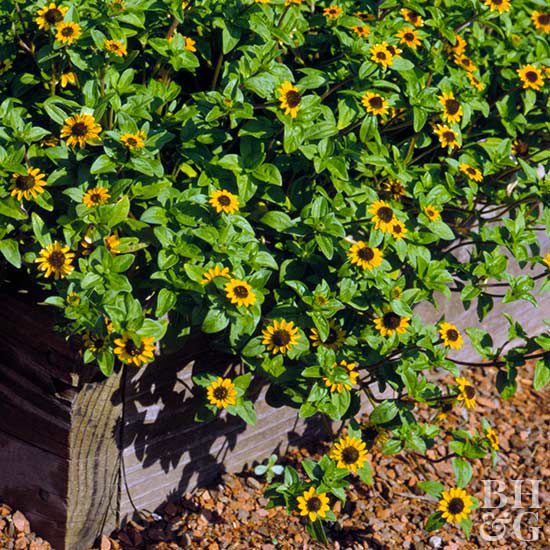
It earned the “zinnia” nickname because its leaves resemble zinnia foliage, while the flowers look like tiny sunflowers:
golden-yellow rays around a darker center.
In most U.S. gardens it’s grown as an annual, forming a low mat that spreads by trailing stems.
Expect a tidy mound or carpet, generally in the “cute and compact” categorygreat for edges, containers,
and anywhere you want color without a plant that tries to colonize the whole zip code.
Why gardeners love it
- Heat-friendly: It keeps blooming through hot weather when fussier annuals throw in the towel.
- Low maintenance: Many varieties don’t require deadheading to keep flowers coming.
- Versatile: Works as a groundcover annual, spiller/filler in containers, and a border “finisher.”
- Drought-tolerant once established: Especially in the ground with decent soil prep and mulch.
Where to Plant Creeping Zinnia for Best Results
Light
Give creeping zinnia full sun for the strongest growth and most flowers.
It can handle some part sun, but shade usually means fewer blooms and a looser, stretchier habit.
Soil
The winning formula is simple: well-draining soil. Creeping zinnia adapts to average garden soil
and even rocky spots, but it really dislikes “wet feet.” If water puddles after rain, fix drainage first
(raised bed, added compost for structure, or choose containers).
Smart placement ideas
- Front of borders: Create a tidy golden edge in front of taller summer bloomers.
- Rock gardens and hot strips: Sunny, reflective areas where heat builds (driveway edges, patios).
- Containers: Window boxes, bowls, and hanging basketsespecially paired with other heat-lovers.
- Path edging: A bright “welcome mat” that won’t trip your guests.
When to Plant Creeping Zinnia
Creeping zinnia is typically planted in spring. The safest rule:
plant after the danger of frost has passed, especially for transplants.
Some references also note direct sowing slightly earlier in spring in certain conditions,
but if your weather enjoys surprise frost parties, waiting until after the last frost
keeps things simple and less dramatic.
In warm climates with mild winters, you may be able to plant earlier and enjoy a longer season.
In colder regions, think “late spring into summer,” then enjoy blooms right up until fall frost.
How to Plant Creeping Zinnia
Option A: Plant nursery starts (fastest and easiest)
- Choose healthy plants: Look for compact growth and lots of green leaves (not tall, floppy stems).
-
Prepare the site: Loosen soil 6–10 inches deep. If drainage is poor, amend or raise the bed.
(This step is boring, but it’s the gardening equivalent of stretching before a run.) - Plant at the same depth: Match the pot depth; don’t bury stems deeper than they were growing.
-
Space properly: Most plantings do well around 12 inches apart
(give trailing varieties a little more room if they’re meant to spill). - Water in well: A thorough soak helps roots settle into their new home.
Option B: Grow from seed (budget-friendly and satisfying)
Creeping zinnia can be grown from seed, but there’s a catch:
it often dislikes transplanting. If you start indoors, the easiest workaround
is sowing into the container where it will ultimately live (like a basket or patio pot),
or handling seedlings gently with minimal root disturbance.
Direct sowing outdoors
- Timing: Sow in spring when conditions are warming and frost risk is minimal.
- Seed depth: Press seeds into the soil and cover very lightly (don’t bury them deep).
- Moisture: Keep the surface consistently moist until germination, then ease into deeper, less frequent watering.
- Thin/space: Aim for about 8–12 inches between plants for airflow and a fuller mat.
Starting seeds indoors
- Start time: About 6–8 weeks before planting out is commonly recommended for annuals like this.
- Temperature: Keep seedlings warm and bright; most annuals grow best around the mid-60s to low-70s °F once sprouted.
- Transplant gently: Harden off for about a week, then plant out carefully after frost danger has passed.
Seed-starting shortcut: If you’re growing creeping zinnia in containers, sow the seeds directly into the final pot.
You skip transplant stress, and the plant gets to keep its rootsand its dignityintact.
Care & Feeding: How to Keep It Blooming
Watering
Right after planting, water regularly to help the roots establish. After that, creeping zinnia is fairly forgiving.
A great rhythm is: water deeply, then let the top layer dry slightly before watering again.
In containers (especially hanging baskets), you’ll water more often because pots dry fastersometimes daily in heat waves.
Fertilizing
In garden beds with decent soil, creeping zinnia usually doesn’t need heavy feeding.
Too much fertilizer can sometimes push leafy growth at the expense of flowers.
In containers, light regular feeding helps because nutrients wash out with frequent watering.
- In-ground: Compost at planting time may be all you need.
- Containers: Use a slow-release, all-purpose fertilizer (or a gentle liquid feed on a schedule).
Deadheading and pruning
Good news for busy humans: many creeping zinnias don’t require deadheading to stay in bloom.
If the plant looks a little stretched late in summer, a light trim can encourage a fuller look and fresh growth.
Mulch (in the ground)
A thin layer of mulch helps moderate soil temperature, conserve moisture, and reduce splashing that can spread diseases.
Keep mulch from smothering the crown; think “donut,” not “buried treasure.”
Common Problems (and How to Fix Them Without Panicking)
1) Leggy growth and fewer flowers
Usually caused by: Not enough sun, overcrowding, or too much nitrogen fertilizer.
Fix: Move containers to a sunnier spot, thin plants for airflow, and ease up on fertilizer.
2) Lots of leaves, not many blooms
Usually caused by: Overfeeding or overly rich soil.
Fix: Stop feeding for a bit and let the plant rebalance. In containers, switch to a bloom-friendly, lower-nitrogen approach.
3) Root rot or sudden collapse
Usually caused by: Soil staying wet too long (poor drainage, too-frequent watering).
Fix: Improve drainage immediately. In containers, make sure there are real drainage holes (not “decorative dimples”).
4) Pests and diseases
Creeping zinnia is often described as relatively trouble-free, but like most annuals it can still run into issues.
In production notes and plant references, common pests include whiteflies, aphids, and thrips,
and moisture-related diseases can include Botrytis and root rots such as Pythium or Rhizoctonia.
Fix (IPM-style):
- Start with airflow: Proper spacing and sun reduce fungal pressure.
- Water smarter: Aim at the soil, not the foliage, and avoid constant soggy conditions.
- Scout early: If you see sticky leaves or clusters of tiny insects, treat early with a strong water spray or insecticidal soap as appropriate.
- Remove bad actors: Trim off badly affected sections and toss them (don’t compost diseased material).
Growing Creeping Zinnia in Containers Like a Pro
Creeping zinnia is a container superstar because it stays compact and flowers for months.
Use a well-draining potting mix and a pot with generous drainage holes.
For mixed containers, treat it as a filler or gentle spillertucking it near edges so it can trail.
Container combo ideas
- Hot-sun party bowl: creeping zinnia + lantana + verbena (color nonstop, minimal whining)
- Desert-chic planter: creeping zinnia + moss rose + ornamental grasses
- Pollinator-friendly mix: creeping zinnia + globe amaranth + compact salvias
One container tip that sounds obvious but saves plants every year:
pots dry out faster than beds. Check moisture more frequently in peak heatespecially baskets.
Propagation, Patents, and Practical Reality
You can propagate creeping zinnia from seed, and it’s a satisfying way to fill a bed on a budget.
That said, some named varieties are protected by plant patents, which restricts propagation.
If you’re buying branded cultivars, treat them as “buy and enjoy” plants for the season unless you’ve confirmed you’re allowed to propagate them.
Design Tips: How to Use Creeping Zinnia So It Looks Intentional (Not Accidental)
Use it as a “golden outline”
Plant a ribbon along a border edge and repeat it elsewhere in the yard.
Repetition is the secret sauce that makes gardens look designedeven if you planned it while holding an iced coffee.
Pair it with bold textures
Those small, bright flowers look even better next to plants with larger leaves or strong shapes.
Think: broad-leaved annuals, grasses, or upright bloomers that give creeping zinnia a backdrop.
Put it where heat collects
If you have a spot that roastssouth-facing walls, stone borders, pool deckscreeping zinnia can be a smart “heat sink” plant.
It’s built for sunshine and tends to perform when delicate flowers call for backup.
FAQ
Is creeping zinnia a perennial?
In most of the United States it’s grown as an annual. In very warm climates, it may persist longer,
but generally you’ll replant each year for best performance.
Does it need deadheading?
Often, no. Many varieties keep flowering without deadheading, and new blooms can quickly cover older ones.
A trim is still useful if plants get leggy late in the season.
How far apart should I plant it?
A common sweet spot is around 12 inches apart, adjusting a little based on whether you’re growing
a compact mound or a trailing type in containers.
Can I start it from seed?
Yesjust keep in mind it’s often described as a plant that doesn’t transplant easily.
Direct sowing or sowing into the final container can make life easier.
of Real-World Growing Experiences (So You Can Skip the Hard Lessons)
Garden advice is great, but experience is where the real learning happensusually the day you forget to water a hanging basket
and the plant responds with dramatic fainting. Here are common creeping zinnia experiences that show up again and again,
plus what growers wish they’d done sooner.
1) “It looked amazing in May… then it got weird in July.”
This is often a sunlight-and-spacing story. Creeping zinnia loves sun, but when it’s planted too close to taller neighbors,
midsummer growth can shade it out. The result: fewer flowers and longer stems reaching for light. The fix is surprisingly simple:
give it space and keep it in the front where it belongs. If the plant is already stretching, a light haircut can restore that compact shape.
The first time someone trims a “blooming plant,” it feels riskylike cutting your own bangsbut creeping zinnia typically rebounds
with fresh growth when the basics (sun + drainage) are right.
2) “My container dried out in five minutes.”
In-ground creeping zinnia can be drought-tolerant once established. Hanging baskets are a different universe.
The same plant that shrugs off dry spells in a border can crisp up in a basket during a heat wave, simply because baskets dry fast.
Experienced growers treat baskets like pets: quick daily check, water when the top feels dry, and don’t rely on one massive soak
to carry the plant through a blazing afternoon. Many also notice that a consistent watering routine improves flowering
not because creeping zinnia is needy, but because container roots have limited real estate.
3) “I fertilized a lot… and got leaves for days.”
A classic annual-flower trap: more fertilizer doesn’t always mean more flowers. Several growers report the best blooms come from
moderate feeding, especially in containers. Too much nitrogen can push foliage at the expense of flowers, giving a lush green plant
that forgets why it’s in your garden. The practical lesson: start modest, watch the plant’s response, and adjust slowly.
If flowers slow down and growth looks overly leafy, pause feeding and focus on sunlight and watering consistency.
4) “Seeds were easy… transplanting was not.”
People who start creeping zinnia from seed often find germination straightforwardthen lose momentum at transplant time.
The seedlings can resent rough handling, and a setback in early growth may delay flowering. A popular workaround is sowing in the final container
(especially for baskets and patio pots) or using biodegradable pots that reduce root disturbance when planting out.
Growers who adopt the “less root drama” approach often report better early vigor and quicker fill-in.
5) “It was the one plant that didn’t complain about the heat.”
This is arguably creeping zinnia’s main character moment. In gardens where summer is relentlessbright sun, hot pavement,
and humidity that feels personalcreeping zinnia often keeps flowering when other annuals slow down.
Gardeners frequently use it as a dependable “gap filler” after early-season blooms fade, especially along sunny edges and in rock gardens.
The experience-based takeaway: if you have a hot spot that eats delicate flowers for lunch, creeping zinnia is a solid candidate
for the next round.
Conclusion
If you want a low-growing annual that laughs at summer heat, blooms for months, and behaves nicely in beds and containers,
creeping zinnia is a strong pick. Give it sun, prioritize drainage, water consistently while it gets established, and keep feeding light.
After that, it mostly handles the jobyour role is to enjoy the color and take credit when guests say,
“Wow, what is that?” (You can casually reply, “Oh, this old thing? Creeping zinnia.”)