
Planning a wedding reception is basically hosting the biggest dinner party of your life… except the guests are dressed like they’re attending the Oscars, there’s a schedule, and someone will absolutely ask, “So when do we eat?” (Every five minutes. It’s a tradition.)
The good news: a great reception isn’t about doing everything. It’s about making smart choices so the night feels smooth, fun, and unmistakably you. Use the 13 steps below as your game planfrom budget to bar, layout to last dancewith practical tips, mini-checklists, and examples you can actually picture.
Step 1: Set your reception vision (and your “nope” list)
Start with a simple question: What do you want the reception to feel like? Not how it looks on Pinteresthow it feels in real life.
- Vibe words: “candlelit,” “garden party,” “black-tie,” “backyard cozy,” “dance club,” “brunchy,” “low-key.”
- Priorities: amazing food, nonstop dancing, a stunning room reveal, cultural traditions, a live band, a chill hangout vibe.
- Nope list: things you actively don’t want (bouquet toss, long speeches, loud club lighting, assigned seats, etc.).
This becomes your filter for every decision. If your goal is “intimate dinner party energy,” a 12-piece band and fog machine might be… emotionally confusing.
Step 2: Build a realistic reception budget (before you fall in love with anything expensive)
Your reception budget is the engine that drives your venue options, guest count, food style, and entertainment. Start with a total number you can afford, then build categories.
Budget categories to consider
- Venue + rentals (tables, chairs, linens, tent, heaters, dance floor)
- Food + beverage (catering, bar, staff, service charges)
- Entertainment (DJ/band, ceremony audio if needed)
- Decor + florals (centerpieces, candles, signage, lighting)
- Photo/video (often tied to reception hours)
- Extras (late-night snacks, photo booth, guest book, favors)
A reality-saving tip
Ask venues and caterers early about service charges, staffing fees, taxes, and minimums. A quote can look friendly until the “helpful” line items show up like uninvited plus-ones.
Step 3: Draft your guest list and ballpark headcount
Your guest count isn’t just a numberit’s a domino. It affects venue size, catering cost, bar staffing, table layouts, and even how long the buffet line takes (spoiler: the buffet line will always take longer than you think).
Try a three-tier list:
- Must invite: no-brainers, immediate family, closest friends
- Would love: people who matter but aren’t dealbreakers
- If space allows: the “it would be nice” group
If you’re stuck, decide what you want more: more people or more experience (food upgrades, band, open bar, décor). That’s not coldit’s math with feelings.
Step 4: Choose your date and book the reception venue
Your venue sets the stageliterally. Before you sign anything, confirm what’s included and what you’ll need to bring in.
Venue checklist (the questions people wish they asked)
- What’s included: tables, chairs, linens, lighting, sound system, getting-ready space?
- What are the capacity rules for seated dinner vs. cocktail-style?
- Preferred or required vendors (catering, bar, rentals) and any extra fees?
- Timing: setup window, last call, cleanup, overtime charges
- Weather plan for outdoor spaces (and who pays for Plan B)
- Contract details: deposits, payment schedule, cancellation terms, “force majeure” language
Pro move: ask for a sample timeline based on your ceremony time and their venue rules. It helps you picture the flow immediately.
Step 5: Outline the reception flow (arrival to grand exit)
A reception feels “expensive” when it feels smooth. Smooth comes from a clear order of events and enough time for people to eat, mingle, and dance without being herded like stylish cats.
Common reception beats
- Cocktail hour: guests mingle while you take photos
- Grand entrance: optional but fun
- First dance / parent dances: whenever you want (seriously)
- Dinner: plated, buffet, family style, stations
- Toasts: keep them short and scheduled
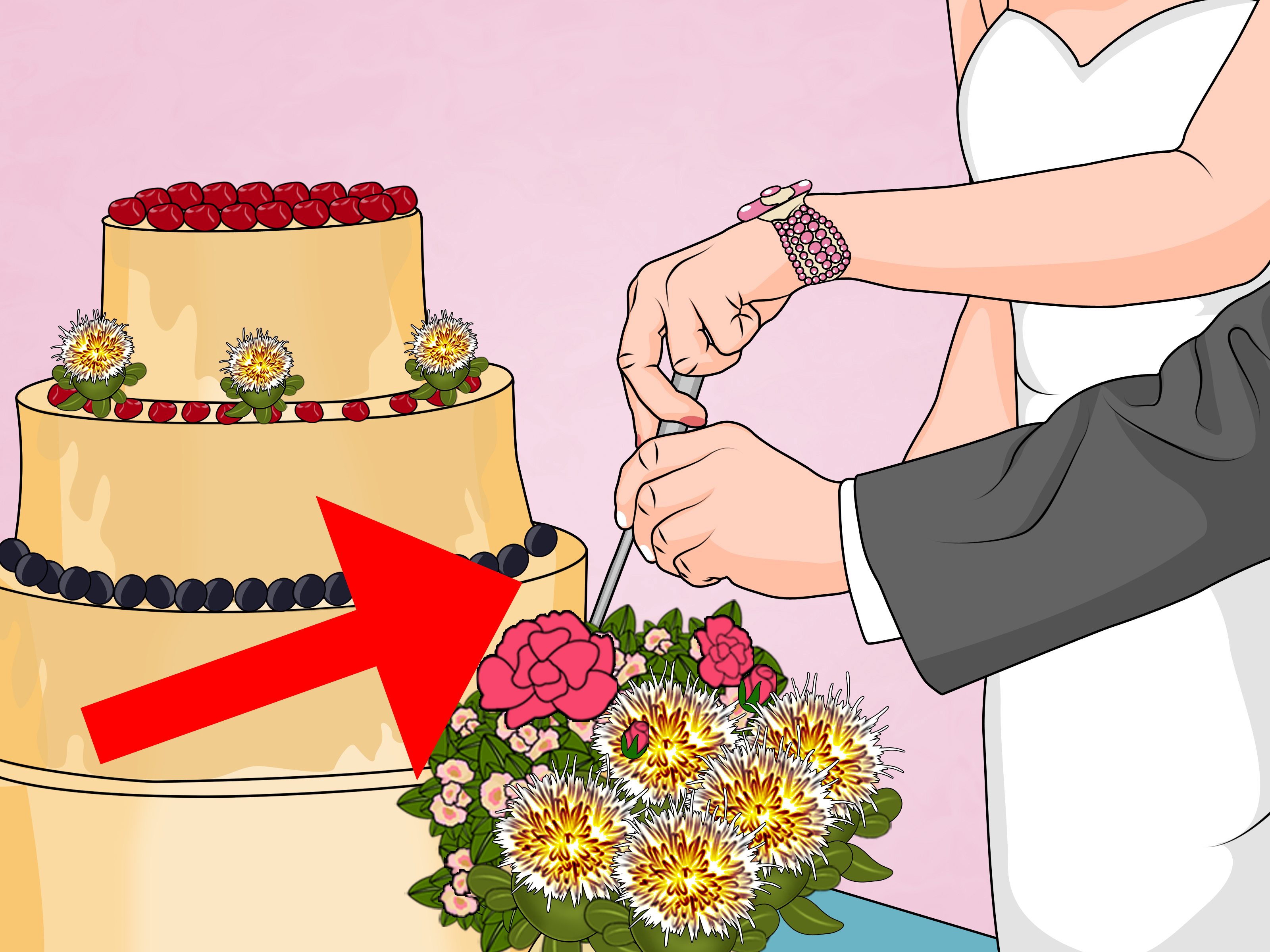
- Cake/dessert: cutting, serving, dessert table, donuts, whatever makes you happy
- Open dance floor: the main event for many guests
- Late-night snack + last call + exit
If you want more dancing, reduce “dead zones” (long speeches, long room flips, or a surprise 45-minute gap where everyone stares into space and checks their phones).
Step 6: Choose your food style and build a crowd-pleasing menu
Food isn’t just foodit’s timing, vibe, and logistics. Pick a service style that fits your space, budget, and guest experience.
Popular service styles (and who they’re best for)
- Plated dinner: structured, efficient timing, formal feel; great when you want a smooth schedule.
- Buffet: flexible and often budget-friendly, but needs space and smart line management.
- Family style: warm and communal; requires larger tables and enough food for sharing.
- Stations or cocktail-style reception: social and interactive; ideal for mingling, but consider seating needs for older guests.
Menu planning tips that prevent awkward moments
- Offer at least one solid vegetarian option (not just “salad, but sad”).
- Collect dietary needs with RSVPs and share them with your caterer early.
- Balance “adventurous” with “familiar.” Not everyone wants a foam.
- Make sure there’s enough food during cocktail hour if dinner starts late.
Step 7: Plan the bar (and design it to avoid long lines)
The bar can be the heartbeat of the receptionor the place where time goes to die in a slow-moving line. Plan it like you want guests to actually get drinks and have fun.
Bar decisions to make
- Hosted bar options: beer & wine, limited bar, full bar, or signature cocktails
- Non-alcoholic options: water stations, sodas, mocktails (a huge win for inclusivity)
- Staffing: plan enough bartenders so cocktail hour doesn’t turn into “The Great Thirst Games.”
Many event pros use a general guideline of about 1 bartender for every 50–75 guests, depending on drink complexity and how many bars you have. If you’re doing signature cocktails, batching them can speed service.
Also: if you’re supplying your own alcohol, don’t forget the “invisible” needsice, mixers, cups/glassware, garnishes, and plenty of water.
Step 8: Book entertainment that matches your vibe
Your entertainment choice changes the whole reception energy. A band can feel like a concert. A DJ can shift genres instantly. Either can be amazingjust match it to your crowd.
- DJ: flexible, usually lower footprint, great for mixed music tastes
- Live band: high energy, strong “wow,” typically needs more space and sound planning
- Extras: live musician for cocktail hour, photo booth, karaoke corner, or a chill lounge area
Share a “must play” list and a “do not play” list. (Yes, you can ban a song. It’s your party.)
Step 9: Design the layout and rental plan for comfort and flow
Layout is where receptions either glide… or feel like a maze with chairs. The goal is to keep people moving naturally between key zones:
entrance → drinks → food → tables → dance floor.
Flow-friendly layout tips
- Place the dance floor where guests can see it and join easily.
- Use multiple bar points or cocktail stations to reduce congestion.
- Keep pathways wide enough for servers and guests (and mobility devices).
- Think about acoustics: speeches are sad when nobody can hear them.
If you’re bringing in rentals (especially for a backyard or blank space venue), ask about delivery timing, setup labor, and teardown rules. Those fees can matter as much as the pretty chairs.
Step 10: Build the seating chart and table plan (without losing your mind)
Seating charts feel dramatic, but you can make them calmer with a simple method:
group by shared history (family branches, friend groups, workplace circles) and aim for tables where conversation can happen without forced small talk.
Seating chart sanity rules
- Seat VIPs (immediate family, wedding party) where they can access the action (toasts, dances, photos) easily.
- Consider guests with sensory, mobility, or hearing needs when choosing table locations.
- If family dynamics are complicated, prioritize peace over “tradition.”
Use a digital template or tool to move people around without erasing pencil marks until your paper looks like a conspiracy map.
Step 11: Plan decor, lighting, and comfort details guests actually feel
Decor isn’t just centerpieces. It’s the whole environmentespecially lighting. Great lighting can make a basic room feel magical. Bad lighting can make even gorgeous florals look like they’re under interrogation.
Reception comfort checklist
- Lighting: warm ambient lights, candles (if allowed), string lights, uplighting
- Climate: fans, heaters, shade, or indoor airflow planning
- Restrooms: enough for your guest count; consider upgrades for outdoor venues
- Signage: clear directions, seating chart display, bar menu, schedule if needed
- Accessibility: ramps, clear pathways, seating options beyond high-top tables
If you’re trying to save money, focus on “hero” elements guests notice most: lighting, a strong entry moment, and one standout focal point (like the sweetheart table or dance floor backdrop).
Step 12: Lock in logisticscontracts, permits, and insurance
This is the grown-up part of reception planning, but it’s also the part that protects your budget.
Contracts and paperwork to confirm
- Vendor contracts: payment schedule, cancellation terms, what happens if a vendor can’t perform, and any “force majeure” clauses
- Insurance: many venues require event liability insurance, sometimes including host liquor liability
- Permits: especially for public parks, outdoor spaces, amplified sound, or alcohol service
If you’re using a public space (or a venue near neighbors), check local rules for noise, end times, parking plans, and whether you need a special event permit. It’s better to know early than to learn at 9:58 p.m. when someone says, “Um, you have to turn the music off.”
Step 13: Finalize the day-of timeline, staffing, payments, and tips
The last step is turning your plan into something that runs itselfso you can actually enjoy the reception you worked so hard to create.
Final-week essentials
- Create a tight reception timeline: include entrances, dinner service, toasts, dances, dessert, last call, and exit.
- Assign a point person: planner, coordinator, or trusted adult who can handle questions.
- Confirm vendor arrival times: and who they check in with.
- Prepare payment + tip envelopes: and delegate delivery so you’re not doing math in formalwear.
A helpful approach is to tip vendors at the end of service (or have someone you trust distribute envelopes). If a service charge is already included, ask what it covers so you’re not tipping twice for the same thing.
Conclusion: Your reception plan in one sentence
The best wedding receptions aren’t the most complicatedthey’re the ones where guests feel cared for, the schedule feels natural, and you spend the night celebrating instead of troubleshooting.
If you follow these 13 stepsvision, budget, guest count, venue, flow, food, bar, entertainment, layout, seating, comfort, logistics, and day-of executionyou’ll build a reception that runs smoothly and feels unforgettable (for the right reasons).
Experience-Based Tips: of “What People Learn the Hard Way”
Here’s what tends to surprise people once reception planning gets realbased on the kind of behind-the-scenes patterns planners and couples talk about after the fact (usually while eating leftover cake for breakfast, which is honestly a wellness practice).
1) Everything takes longer when everyone is happy. Cocktail hour isn’t just “an hour.” If guests are laughing, hugging, grabbing a drink, and taking photos, they’re not sprinting into the ballroom like it’s a fire drill. Build buffers into your timeline. Five minutes here and there keeps the night calm. Without buffers, you’ll feel like you’re racing your own reception, which is not the vibe.
2) The biggest mood-killer is confusion. Guests can handle almost anythingweather shifts, minor delays, a dessert swapif they know what’s happening. Clear signage, a confident DJ/coordinator, and a simple flow (entrance → bar → seating → dinner → dancing) prevent that “What are we supposed to do now?” energy.
3) Food timing matters more than fancy food. People remember whether they were fed, not whether the sauce was infused with artisanal clouds. If dinner starts late, upgrade the cocktail hour bites. If you’re doing stations, keep them stocked and easy to find. If you’re doing a buffet, consider two lines or a double-sided setup. Nothing says “romance” like watching your friend stand in a 25-minute buffet line contemplating the meaning of life.
4) The seating chart is secretly a hospitality tool. When it’s done well, it’s invisiblepeople just have fun. When it’s done poorly, the table energy gets weird. One practical strategy: give every table at least two “connectors,” people who can talk to almost anyone. It turns a group of strangers into a table that feels like it already knows each other by dessert.
5) Bar lines are a solvable problem. If you want to avoid a bar traffic jam, make ordering easy. Offer one or two signature cocktails (pre-batched if possible), keep the beer and wine visible, and consider a second bar or a satellite drink station during peak moments like cocktail hour. Also: water should be everywhere. Hydrated guests dance longer and make better decisions.
6) The “best” reception is the one that fits your people. A black-tie plated dinner can be perfect for one crowd and totally wrong for another. Some groups want speeches and sentimental moments; others want a short toast and immediate dancing. If your friends are the “dance in the kitchen” type, prioritize music and floor space. If your family loves conversation, build in comfortable seating, good lighting, and a timeline that doesn’t rush dinner.
7) You will not remember everythingand that’s a win. The goal isn’t for you to notice every detail. The goal is for you to feel present. When planning, keep asking: “Will this make the guest experience better?” If yes, great. If not, it might be a detail you can skip with zero regret. Your reception doesn’t need to be perfect. It needs to be joyful.