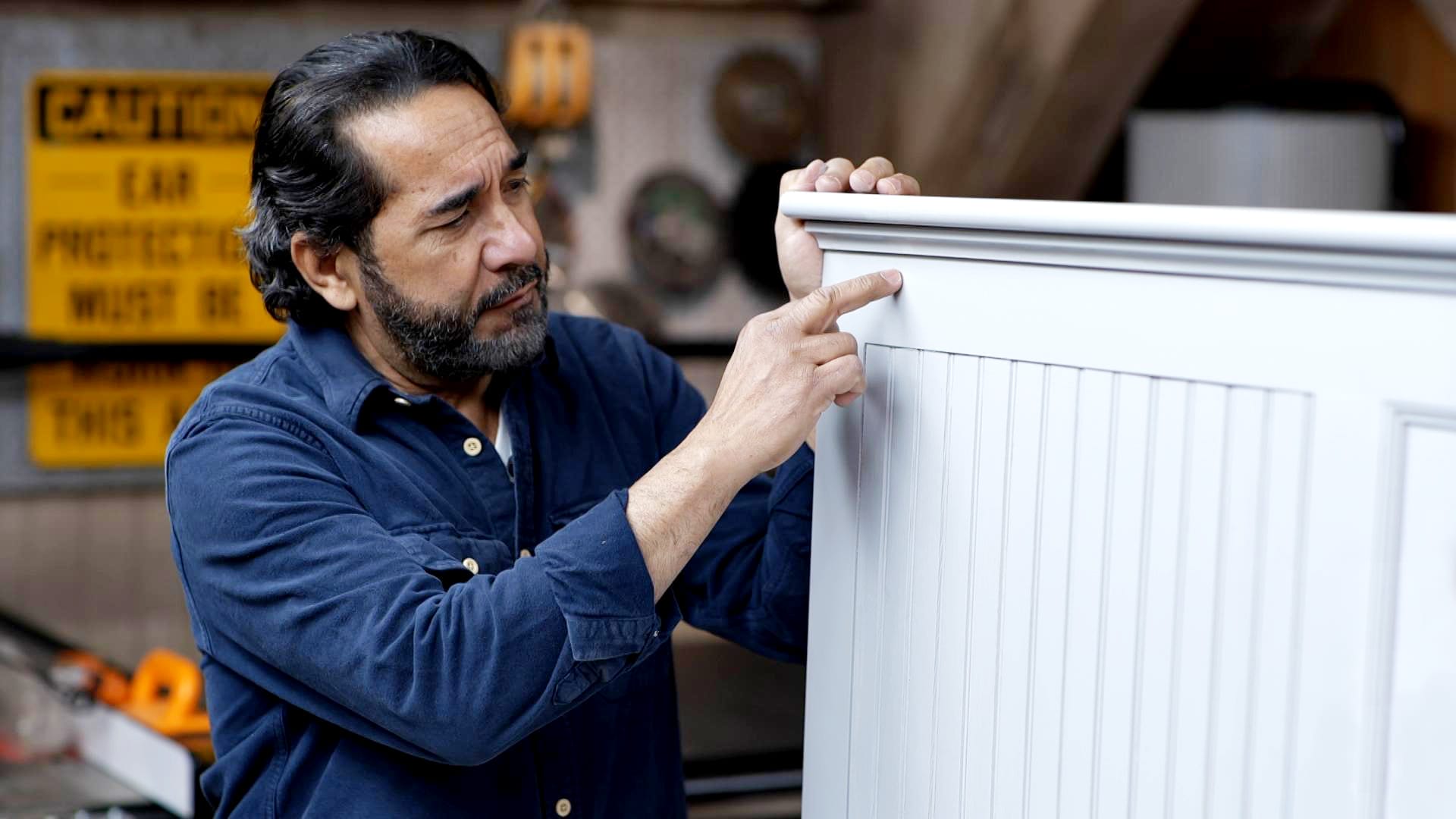

Wood paneling has a reputation problem. For decades, it conjured images of dark basements, cigar smoke, and furniture that squeaked when you looked at it wrong. But here’s the twist: painted wood paneling is having a full-on redemption arc. Thanks to smarter prep, better primers, and modern paint formulas, what once felt dated can now look clean, bright, and genuinely intentional.
This guide walks you through how to paint wood paneling the right waythe way seasoned pros and restoration experts approach it. We’ll cover prep, tools, techniques, common mistakes, and design tips, all synthesized from trusted U.S. home-improvement authorities and contractor best practices. Grab your roller. Your paneling glow-up starts now.
Why Paint Wood Paneling Instead of Removing It?
Tearing out wood paneling sounds satisfying until you price it outor discover drywall horrors underneath. Painting, on the other hand, delivers a dramatic change at a fraction of the cost and mess.
- Cost-effective: Painting is far cheaper than demolition and re-drywalling.
- Time-saving: Most rooms can be completed over a weekend.
- Less dust, less chaos: No dumpsters, no surprise studs.
- Design flexibility: Painted paneling can look modern, coastal, farmhouse, or classic.
Well-painted paneling doesn’t scream “I used to be wood.” It whispers “custom wall treatment.”
Know Your Paneling Before You Paint
Solid Wood Paneling
Often found in older homes, solid wood paneling is durable but prone to tannin bleed-through. It requires meticulous priming.
Veneer or Plywood Paneling
Common mid-century paneling made of thin wood veneer over plywood. Easier to paint, but sensitive to aggressive sanding.
Engineered or MDF Paneling
Smooth and uniform, but thirsty for primer. Skipping primer here guarantees uneven paint absorption.
Identify what you’re working with before choosing sandpaper or primer. This step alone prevents 90% of paint regret.
Tools and Materials You’ll Need
- Degreasing cleaner or mild detergent
- Medium and fine-grit sandpaper (120–220 grit)
- Wood filler or spackling compound
- High-quality bonding primer
- Interior latex paint (satin or semi-gloss recommended)
- Angled brush for grooves
- Foam or microfiber roller
- Painter’s tape and drop cloths
Quality tools matter. Cheap rollers shed. Cheap brushes streak. You’ll notice.
Step-by-Step: How To Paint Wood Paneling
Step 1: Clean Like You Mean It
Paneling collects decades of residuesmoke, oils, furniture polish. Paint hates grime. Clean every inch, especially grooves and seams, then let it dry completely.
Step 2: Lightly Sand the Surface
You’re not trying to erase the wood grain unless that’s your goal. Light sanding scuffs the surface so primer can grip. Wipe dust away with a damp cloth.
Step 3: Fill Seams (Optional)
Want a drywall look? Fill panel grooves with joint compound or wood filler, sand smooth, and repeat. This adds timebut transforms the aesthetic.
Step 4: Prime Everything
This is non-negotiable. Use a stain-blocking bonding primer. Brush primer into grooves first, then roll the flat areas. Let it cure fully.
Step 5: Paint with Purpose
Apply paint in thin, even coats. Two coats minimum. Work top to bottom. Let each coat dry properlyrushing causes lap marks and uneven sheen.
Best Paint Choices for Wood Paneling
Interior latex paint is the go-to, but sheen matters:
- Satin: Great balance of durability and softness
- Semi-gloss: Ideal for high-traffic areas and easy cleaning
- Eggshell: Works for low-traffic rooms with minimal moisture
Avoid flat paint unless you enjoy fingerprints as décor.
Color Strategies That Actually Work
White is popular for a reasonit brightens and minimizes texture. But it’s not the only option:
- Warm whites: Soften heavy grain
- Greige and taupe: Modernize without sterility
- Muted blues or greens: Great for offices and bedrooms
- Charcoal or navy: Stunning for accent walls
Always test swatches on actual paneling, not drywall. Texture changes color perception.
Common Mistakes to Avoid
- Skipping primer (the cardinal sin)
- Using cheap rollers or brushes
- Over-sanding veneer paneling
- Painting too thickly
- Ignoring drying times
If your paint peels or stains bleed through, it’s almost always a prep issuenot the paint’s fault.
Maintenance and Longevity Tips
Painted wood paneling is durable when done right. Clean gently with a damp cloth, avoid harsh chemicals, and touch up dings promptly. High-quality paint over proper primer can last a decade or more without rework.
Real-World Experiences Painting Wood Paneling (500+ Words)
Talk to anyone who’s painted wood paneling, and you’ll hear the same sentence framed ten different ways: “I thought it would be easieror harderthan it actually was.” The experience tends to land somewhere in the middle, with lessons learned along the way.
One homeowner tackled a 1970s basement lined with dark faux-walnut panels. The room felt like a time capsule. Cleaning alone took an entire afternoon. Years of air fresheners and dust had settled into the grooves, and the first wipe-down cloth turned brown almost immediately. Lesson one: you’re never over-cleaning.
Another DIYer learned the hard way about primer. They skipped it on a test wall, confident their “paint-and-primer-in-one” would handle the job. Within hours, amber stains bled through like ghost fingerprints. The fix required sanding everything back and priming properlydoubling the work.
There’s also the psychological transformation. Many people report that painting paneling changes how they use a room. Spaces once reserved for storage or occasional use become home offices, guest rooms, or play areas. Light reflects differently. Ceilings feel higher. The room stops apologizing for itself.
Professionals often mention patience as the defining factor. Paneling rewards slow work. Brushing grooves carefully before rolling prevents drips. Letting primer cure overnightrather than “just a few hours”results in smoother finishes. Experienced painters say the job isn’t physically hard; it’s mentally disciplined.
Design-wise, painted paneling often becomes a feature instead of something hidden. Subtle grain texture adds depth that flat drywall can’t replicate. In historic homes, keeping the paneling but updating the color preserves character while aligning with modern tastes.
Perhaps the most common surprise? Regretnot for painting, but for waiting so long. Homeowners consistently say the transformation exceeded expectations, especially given the modest cost. What once felt like a compromise solution ends up feeling intentional and polished.
Painting wood paneling isn’t just a cosmetic update. It’s an act of reclaiming spaceturning something dated into something distinctly yours.
Conclusion
Painting wood paneling is one of the highest-impact upgrades you can make without gutting a room. With proper prep, the right primer, and thoughtful color choices, yesterday’s paneling becomes today’s design asset. Take your time, respect the process, and don’t skip steps. The results are worth every brushstroke.