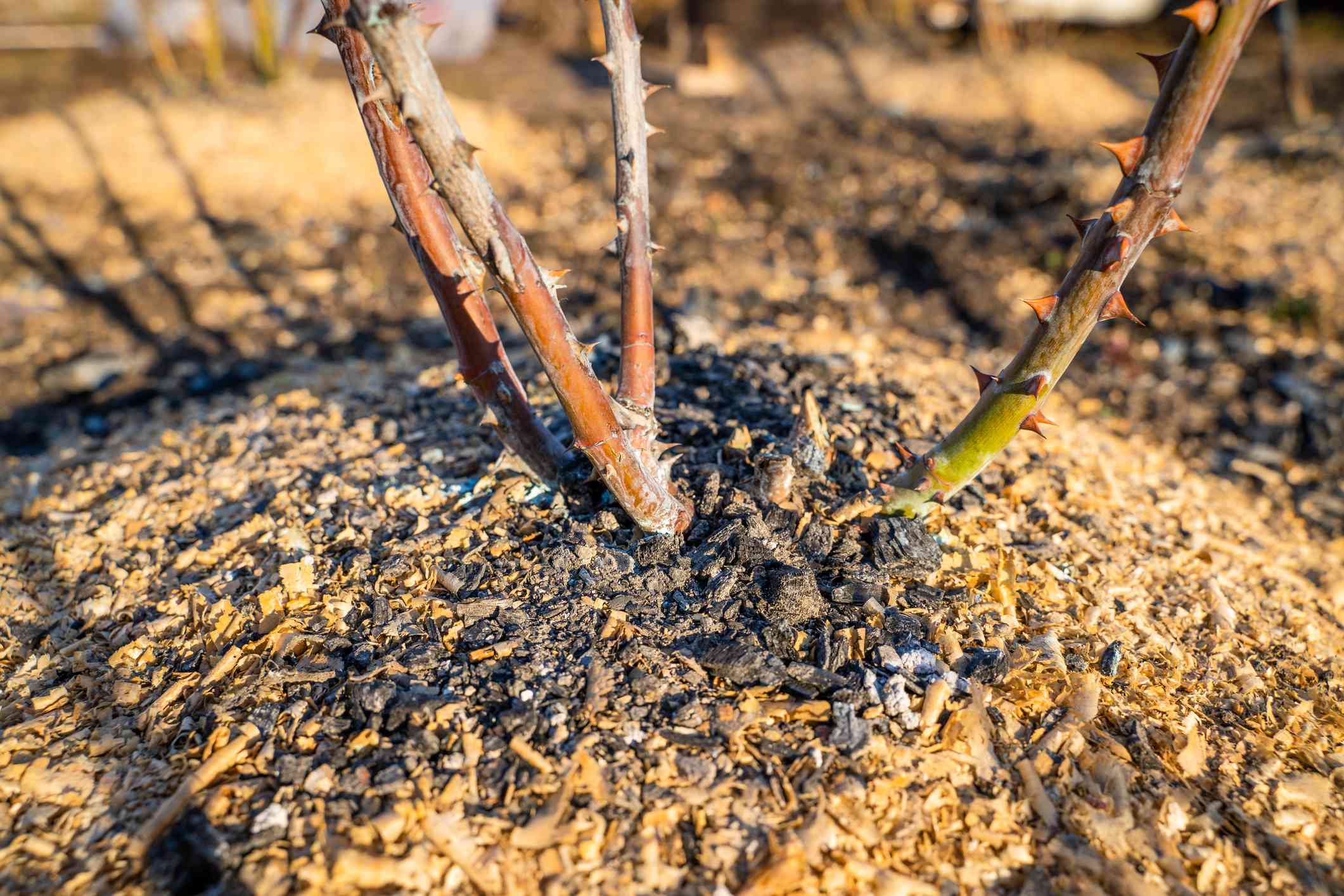

Roses are dramatic in the best way: showy blooms, big fragrance, and the uncanny ability to look personally offended by a cold wind.
The good news? Winter mulching isn’t complicated. The bad news? It’s easy to do almost right…and “almost” is how you end up
staring at spring canes that look like they auditioned for a zombie movie.
This guide walks you through when to mulch, what to use, and how to protect different types of roses
(hybrid teas, shrubs, climbers, miniatures, and container roses). We’ll keep it practical, zone-aware, and lightly comedicbecause if you can’t
laugh while shoveling mulch in sleet, what can you laugh at?
Why winter mulch matters (hint: it’s not a blanket)
Winter protection isn’t about keeping roses “warm.” It’s about keeping them stable.
The real villain in many climates is the freeze-thaw rollercoaster that causes plant tissues to alternate between freezing and thawing,
which can damage canes and the crown and even heave roots upward (a.k.a. frost heaving).
Mulch and mounding help by:
- Insulating the crown and graft union (the most cold-sensitive area on many modern roses).
- Reducing temperature swings in the soil so roots don’t get yanked through mood swings all winter.
- Preventing drying winds from desiccating canes (especially in exposed spots).
- Keeping the soil frozen once it’s frozen, which sounds weird until you realize “frozen-and-stable” beats “thawing-in-January.”
Before you mulch: set your roses up to succeed
Mulch is the final step, not the whole plan. A healthier rose going into dormancy is far more likely to survive winter and rebound fast in spring.
1) Help roses harden off (don’t accidentally encourage late growth)
- Stop nitrogen-heavy fertilizer in late summer so new growth has time to mature before cold hits.
- Ease up on deadheading in early fall so the plant naturally winds down and can form hips (a dormancy signal).
2) Clean up like a tidy neighbor with a very serious HOA
Fallen leaves and debris can harbor diseases that overwinter and reinfect your roses in spring. Once leaves drop, remove and discard
diseased foliage and old debris around the base. (This is not the time to be sentimental.)
3) Water until the ground freezes
Dormant roses still have living roots. If fall is dry, give a deep watering every couple of weeks until the soil freezes.
Think of it as sending your rose into winter with a full water bottle, not a “good luck out there.”
4) Do only light fall pruning (save the real haircut for spring)
Heavy fall pruning can backfire, especially in colder zones. Instead:
- Remove broken, diseased, or obviously dead canes.
- If the plant is tall, reduce height modestly (often to prevent wind whip).
- Tie canes together with soft twine to keep wind from rocking the plant and loosening your future mulch mound.
When to mulch roses for winter (timing is everything)
The most common mistake is mulching too early. Early mulching can keep the base warm and moist, delaying dormancy and encouraging problems like canker.
Instead, wait until the plant has truly headed into dormancy.
A solid rule of thumb:
- Wait for several hard freezes and for most leaves to fall.
- In many regions, mulch goes on in mid-November through early December, but use conditionsnot the calendaras your guide.
- In very cold areas, you may mound after the plant is dormant and the soil is cooling/freezing; in milder areas, mulch is more about freeze-thaw protection than deep cold.
If your soil never really freezes (hello, warmer zones), your “winter mulch” is usually a moderate layer to protect roots and reduce temperature swings.
In colder zones, you’re often building a mound to protect the crown and graft union.
Choose the right mulch (and avoid the weird stuff)
For roses, winter protection often works best as a two-layer strategy:
soil (or soil/compost mix) to mound + mulch on top once the mound freezes.
Soil is heavy, stays put, and protects the graft union well. Mulch adds insulation and helps keep the mound frozen.
Great winter mulches for roses
- Shredded leaves (best if dry and loosely packed, not matted).
- Straw or pine straw (light, airy, good insulationcan blow without a barrier).
- Shredded bark or wood chips (coarser materials create insulating air pockets).
- Loose compost (works well; don’t smother crowns with wet, compacted material).
- Evergreen boughs as a topper (great for holding lighter mulch in place and shading the mound).
Materials to use carefully
- Fine, soggy materials (they hold moisture and reduce airflowwinter’s version of leaving wet socks on).
- Fresh manure (can be too “hot,” may contain salts, and can encourage issues if packed against canes).
Important pro tip: don’t steal soil from around the rose
If you’re mounding soil, bring it in rather than scraping it from the rose’s root zone. Digging from right around the plant can expose roots and reduce winter survival.
Your rose does not want you to “borrow” its own insulation.
Step-by-step: the classic mounding method for bush roses
This is the go-to approach for many modern rosesespecially grafted hybrid teas, grandifloras, and floribundasin colder zones.
Step 1: Clear and prep
- Remove fallen leaves and debris around the base.
- Tie canes together loosely.
- Do only minimal height reduction if needed to prevent wind damage.
Step 2: Build the mound
Mound loose, well-drained soil (or a soil/compost mix) around the base:
- Target height: usually 8–12 inches over the crown/graft union in colder zones.
- Width: broad enough to cover the crown area thoroughly (think “gentle hill,” not “tiny volcano”).
- Where to focus: the crown and lower canesthis is where winter injury hurts most.
Step 3: Add insulating mulch after the mound freezes
Once the soil mound has frozen, top it with insulating material:
- Add another 6–12 inches of loose leaves, straw, or evergreen boughs depending on your climate.
- If using lightweight mulch, contain it with chicken wire/hardware cloth or a simple wire cylinder.
- In windy spots, evergreen boughs over the top help keep everything in place.
How much mulch do you need? (your USDA zone and rose type decide)
The right depth depends on your winter severity, whether your rose is grafted, and whether your soil freezes and thaws repeatedly.
Warm or mild-winter climates (often Zones 7–9)
- Many roses need only 2–4 inches of mulch over the root zone to reduce temperature swings.
- Main goal: protect from sudden cold snaps and freeze-thaw cycles, not deep arctic conditions.
Cold-winter climates (often Zones 3–6)
- Grafted modern roses often benefit from a 10–12 inch mound over the crown/graft union.
- Top with additional mulch after freezing for extra insulation and stability.
Mulching by rose type (because roses are not a single species of drama)
Hybrid teas, grandifloras, floribundas (the “fancy but tender” group)
These are commonly grafted and often need the most protection in colder zones. Use the full mounding method:
soil mound over the graft union + insulating mulch topper after freezing. Tie canes to prevent wind whip.
Shrub, landscape, species, and many “hardy” roses
Many hardy shrub roses can handle winter with minimal protection, especially if they’re on their own roots.
In colder regions, a wire cylinder filled with straw/leaves can reduce tip dieback, but you may not need a full mound unless winters are brutal or the site is exposed.
Miniature roses
Miniatures can be surprisingly tough, but they’re also small enough to get smothered if you bury them like you’re hiding evidence.
Aim to protect the crown with soil at the base and a loose mulch coveravoid packing materials tightly.
Climbing roses
Climbers are tricky because they rely on older canes for blooms. In colder climates, you may need to protect both the crown and the canes.
Options include:
- Base protection: mound soil over the crown like a bush rose.
- Wrap-in-place: tie canes, pack straw around them, and wrap with burlap to block drying winds.
- Lay-down-and-cover: in very cold areas, remove canes from supports, bend them down carefully, pin them, and cover with soil + mulch.
Key detail: canes become less flexible as temperatures drop. Do bending on a milder day in late fall, not on a day when your breath freezes mid-sigh.
Tree roses
Tree roses put the sensitive graft union up in the airexactly where winter winds can chew on it.
In cold climates, people often bend the entire plant down and cover the trunk and graft area with soil and mulch.
If that sounds like a workout, yes. Winter rose care counts as cardio.
Container roses
Pots get colder than in-ground soil. A rose left on a patio in a container can lose roots even if the top looks “fine” for a while.
Better options:
- Sink the pot in the ground in a sheltered spot and mound soil over the lower canes, then surround with straw in a wire cylinder.
- Store dormant in a cool, protected location like a garage/shed where temperatures stay roughly in the 30–45°F range.
Extra protection methods (for when winter doesn’t play nice)
Wire collars (a.k.a. the rose “puffer jacket frame”)
A simple cylinder of hardware cloth or chicken wire around the plant helps hold mulch in place all winter.
You can fill it with coarse mulch (straw, shredded leaves, pine bark), then cover the top with burlap if wind is a problem.
Collars are especially helpful where winter storms erode soil mounds.
Rose cones (use with caution)
Cones can work, but they’re fussy. If used incorrectly, they can trap heat on sunny winter days and encourage moisture buildupboth can cause trouble.
If you use one:
- Don’t put it on too early.
- Ventilate it (holes/slits).
- Anchor it, and still mound some soil around the crown for real insulation.
The Minnesota Tip Method (serious cold, serious technique)
In extremely cold regions, some gardeners protect tender roses by essentially “tucking the whole plant in.”
The basic idea is to dig a shallow trench near the plant, carefully bend the rose (and/or canes) into the trench, pin it, then cover with soil.
A mulch layer can go on top after freezing. This method is labor-intensive, but it can save roses that would otherwise die back hard.
Common winter mulching mistakes (and how to avoid them)
- Mulching too early: encourages lingering warmth/moisture and delayed dormancy. Wait for hard freezes and leaf drop.
- Volcano mulching: piling mulch tightly against canes and crowns can trap moisture and invite rot. Build a broad mound instead of a steep cone.
- Using wet, compacted materials: soggy mulch + poor airflow = problems. Choose coarse, well-drained materials and keep them loose.
- Stealing soil from the rose’s root zone: exposes roots. Bring in soil for mounding.
- Forgetting wind control: straw and leaves can blow away. Use wire cylinders, netting, or evergreen boughs to anchor.
- Ignoring pests: thick, cozy mulch can attract rodents. Keep the area tidy, avoid piling mulch directly against stems, and consider wire barriers if critters are common.
Spring un-mulching: when to remove winter protection
Removing mulch is a “slow peel,” not a dramatic reveal. If you uncover too early, a late freeze can damage tender new growth.
If you uncover too late, new shoots can grow into the mulch and snap when you pull it away.
- Start checking in late winter/early spring as temperatures begin to moderate.
- A common approach is to remove mulch in stages: pull back the bulk, leave a couple inches temporarily, then finish once you see new tips and the harshest cold is past.
- In cold regions, many gardeners remove protection around the time the ground thaws and consistent deep cold has passed, then prune out winter-killed wood.
Quick winter mulching checklist
- ✅ Stop pushing late-season growth (ease up on nitrogen; reduce deadheading in early fall).
- ✅ Clean up diseased leaves and debris after leaf drop.
- ✅ Water during dry fall spells until soil freezes.
- ✅ Tie canes; do only light fall pruning.
- ✅ Wait for hard freezes and dormancy before mulching.
- ✅ Mound soil 8–12 inches over crown/graft union in cold zones (less in warm zones).
- ✅ Add loose mulch after mound freezes; contain it if windy.
- ✅ Remove protection gradually in spring.
Real-world experiences: what gardeners learn the hard way (and then never forget)
If you talk to rose growers long enough, you’ll notice a pattern: the best winter mulching advice is usually delivered with a laugh that sounds like it was earned.
Here are some common experiences gardeners sharelittle “field notes” that don’t show up on a bag of mulch but absolutely show up in real life.
Experience #1: “I mulched early because I was being responsible.”
A lot of people mulch the moment the first chilly night arrivesoften because the garden center had mulch on sale and the weather looked threatening.
Then a warm spell hits, the soil stays cozy, and the rose keeps trying to grow. That tender new growth doesn’t harden off, and the first real freeze turns it into a brown, mushy apology.
The lesson gardeners repeat: winter mulch isn’t a comforter. It’s a temperature stabilizer. Waiting for several hard freezes feels like procrastination,
but it’s actually good timing.
Experience #2: “My straw blew into the next county.”
Straw and dry leaves are fantastic insulators…right up until a winter wind treats them like confetti.
Gardeners in exposed yards often learn to build a simple chicken-wire collar or wrap hardware cloth into a cylinder.
Some toss evergreen boughs over the top like nature’s paperweight. The surprising part is how little structure you need:
even a low wire ring can keep mulch from drifting away and leaving the crown exposed in the coldest stretch of winter.
Experience #3: “I made a mulch volcano and my rose hated it.”
New rose owners often pile mulch straight up against the canes, thinking “more coverage equals more protection.”
But when mulch is packed tight and stays wet, the crown can rot or develop disease issues. The more successful approach people describe is a broad, loose mound:
protect the graft union and lower canes without trapping moisture against living tissue. Think “gentle hill,” not “tiny Mount Mulchmore.”
Experience #4: “Spring came, and I yanked the mulch off like a bandage.”
There’s nothing like the first warm weekend to make gardeners overconfident. Many have pulled off winter protection in one triumphant afternoononly to get hit by a late freeze.
Others waited too long and found pale new shoots growing inside the mulch like they were auditioning for life underground.
Seasoned gardeners tend to remove protection gradually: pull back a chunk, wait a week or two, then pull back more as buds swell and the forecast looks steadier.
It’s less satisfying than a dramatic reveal, but it prevents heartbreak.
Experience #5: “I didn’t realize my rose was grafted until winter taught me.”
One of the most common “aha” moments happens when a rose dies back and then resprouts from below the graft unionoften with different flowers.
Gardeners learn to look for the graft (a knobby area where the top growth meets the rootstock) and to protect it with a proper mound.
After that, “protect the graft union” becomes a mantra, right up there with “don’t plant tomatoes in the shade.”
Experience #6: “The rodents moved in. They were not paying rent.”
Cozy mulch can look like prime winter housing to small animals. Gardeners in critter-heavy areas often keep mulch slightly back from direct stem contact,
use wire guards, and stay diligent about cleaning up debris that might invite nesting.
The point isn’t to create a sterile gardenjust to avoid building a luxury condo complex for gnaw-y tenants.
The shared theme across these stories is reassuring: winter mulching problems are rarely mysterious.
They usually come down to timing (too early), structure (mulch not contained), moisture (too wet), or spring impatience (too fast).
Once you’ve dialed those in, mulching roses becomes a dependable seasonal routineone that pays you back in spring with stronger canes, healthier crowns, and blooms that look
like your roses are saying, “Fine. I’ll forgive you.”
Conclusion
Winter mulching roses is equal parts timing, technique, and choosing the right materials. Focus on the crown and graft union, wait for real dormancy,
mound soil in colder zones, and top with airy mulch after the mound freezes. Contain lightweight mulch so it stays put, then remove protection gradually in spring.
Do that consistently, and your roses are far more likely to wake up ready for a strong, bloom-heavy season.