
Meeting people at the gym can feel a little like approaching a treadmill that is already running: possible, but slightly intimidating. The good news is that a gym is one of the most natural places to build casual friendships because everyone is already doing something positive, repetitive, and slightly sweaty. That creates easy conversation starters, shared routines, and the occasional bonding moment over a mysteriously squeaky cable machine.
Still, there is a right way and a very wrong way to socialize in a fitness space. A gym is not a cocktail party with dumbbells. People are there to train, decompress, focus, and improve their health. The goal is not to interrupt workouts or force conversations. The goal is to become a friendly, respectful regular who makes others feel comfortable.
This guide breaks down how to meet people in a gym in 12 practical steps, from simple smiles to workout buddies, group classes, and real friendships. Whether you are new, shy, recently moved, or just tired of nodding silently at the same people every Monday, these tips will help you connect without being awkward, pushy, or “that person” everyone avoids near the squat rack.
Why the Gym Is a Surprisingly Good Place to Meet People
The gym gives you something many social situations do not: repeated exposure. You see the same people at the same time, doing similar activities, week after week. That familiarity makes connection easier. A person who seems like a stranger on day one becomes “the person who always takes the 6 p.m. cycling class” by week three.
Fitness also creates shared motivation. People are working toward strength, energy, confidence, weight management, mobility, or stress relief. Social support, including buddy systems and activity groups, can help people start and maintain physical activity. In other words, gym friendships are not just nice; they can help you stay consistent.
The secret is to treat socializing as a bonus, not the main workout. Show up to train first. Be kind second. Let friendships grow naturally from there.
How to Meet People in a Gym: 12 Steps
1. Become a Familiar Face Before Starting Big Conversations
Consistency is the quiet superpower of gym social life. If you visit at random times every few weeks, everyone stays unfamiliar. But if you train on a regular schedule, people begin to recognize you. Recognition lowers the social barrier.
Start small. Make eye contact. Give a friendly nod. Smile when appropriate. Say “Hey, how’s it going?” to people you see often. You do not need to launch into your life story between sets. In fact, please do not. Nobody wants a dramatic monologue while holding a plank.
The first goal is not friendship. It is comfort. Let people associate you with being polite, calm, and respectful. Over time, short greetings can turn into real conversations.
2. Respect Gym Etiquette Like Your Social Life Depends on It
Because it does. Before people want to talk to you, they need to feel comfortable sharing space with you. Good gym etiquette is the foundation of every successful gym connection.
Wipe down equipment, re-rack weights, avoid filming others, do not hog machines, and keep phone calls away from workout areas. Give people space when they are lifting, stretching, or clearly focused. If someone has headphones in, treat that as a soft “do not disturb” sign unless there is a practical reason to speak.
Being considerate makes you approachable. Being careless makes people remember you for the wrong reasons. Nobody says, “I’d love to be friends with the guy who leaves 45-pound plates on every machine like gym confetti.”
3. Choose the Right Moment to Talk
Timing matters more than the perfect opening line. The best moments to talk are before class, after class, during a rest period, at the water fountain, while stretching, or near the front desk. The worst moments are mid-set, during heavy lifts, while someone is wearing headphones and staring into the fitness void, or when a person is rushing to leave.
A safe opener is short and gym-related. Try: “Have you taken this class before?” or “Do you know if this machine is working right?” or “That looked like a great variationwhat exercise is that?” These questions are specific, low-pressure, and easy to answer.
If the person gives a brief answer and turns away, let it go. Social confidence includes knowing when to stop. Respect is more attractive than persistence.
4. Join Group Fitness Classes
Group fitness classes are one of the easiest ways to meet people in a gym because the structure does half the work for you. You are already in the same room, following the same instructor, surviving the same burpees, and possibly questioning your life choices together.
Classes create repeated contact and shared experience. Yoga, cycling, boxing, Pilates, boot camp, dance cardio, strength circuits, and HIIT classes all offer natural conversation opportunities. Before class, ask someone, “Is this instructor intense?” After class, say, “That last set was brutal, right?” Congratulations, you have started a conversation without sounding like you rehearsed it in the parking lot.
For best results, attend the same class consistently. People bond faster when they see you regularly.
5. Ask Staff and Trainers About Social Opportunities
Gym staff often know the community better than anyone. Ask the front desk or a trainer whether the gym offers group challenges, beginner sessions, member events, run clubs, workshops, charity workouts, or small-group training.
Small-group training can be especially useful because it combines instruction with repeated interaction. You are not wandering around hoping to meet people; you are placed in a small setting where everyone has a reason to talk.
If you feel nervous, a trainer can also help you understand equipment and build confidence. Gym anxiety is common, especially for beginners. Knowing what to do makes it easier to look up, relax, and connect with others.
6. Give Genuine, Non-Creepy Compliments
A good gym compliment focuses on effort, consistency, skill, or progress. A bad gym compliment focuses too much on someone’s body. Keep it respectful and brief.
Good examples include: “Your deadlift form looks really controlled,” “You crushed that class,” or “I’ve noticed you’re super consistentthat’s motivating.” Avoid comments like “Your body looks amazing in those leggings,” unless your goal is to make the entire room mentally press the emergency stop button.
Compliments should open the door, not trap someone in a conversation. Say something kind, then give them space. If they continue chatting, great. If not, return to your workout.
7. Use Practical Questions as Conversation Starters
Practical questions are less awkward than random small talk. They also show that you respect the gym environment. Ask about equipment, classes, timing, or training ideas.
Try questions like:
- “Are you using this bench?”
- “Do you know when this class usually fills up?”
- “Have you tried the Saturday boot camp?”
- “Is this attachment better for rows or pulldowns?”
- “Do you mind if I work in between your sets?”
The beauty of practical questions is that they are useful even if no friendship forms. You get information, stay respectful, and avoid the dreaded “So… do you come here often?” energy.
8. Offer Help Only When It Is Welcome
Helping can build connection, but unsolicited coaching can backfire. Unless someone is in immediate danger, do not correct their form out of nowhere. Many people, especially beginners, already feel self-conscious. A surprise lecture from a stranger can feel embarrassing.
If someone asks for help, be kind and concise. If someone seems confused and looks around for assistance, you might say, “I’ve used that machine before if you need help adjusting it.” Then let them decide.
The key phrase is “if you need.” It gives people control. Helpful people are approachable. Pushy people become gym folklore.
9. Find or Become a Workout Buddy
A workout buddy can turn the gym from a solo errand into a social habit. Buddies provide accountability, encouragement, and someone to laugh with when a new exercise is harder than advertised.
You can find a workout buddy by asking a friend to join, connecting with someone from a class, joining a fitness challenge, or asking gym staff whether members ever partner up for training. Start with low-pressure invitations: “I usually come Tuesdays and Thursdays. Want to do the class together next week?”
A good workout buddy does not need to match your exact strength level. They need to be reliable, respectful, and encouraging. Bonus points if they do not vanish whenever leg day appears on the calendar.
10. Participate in Gym Challenges and Events
Many gyms offer monthly challenges, transformation programs, charity workouts, step competitions, themed classes, or member appreciation events. These are social gold mines because everyone is already participating in a shared activity.
Challenges give you built-in reasons to talk: “How many classes are you trying to hit this month?” or “Did you survive yesterday’s workout?” Shared goals make people feel like teammates, even if they started as strangers.
If your gym does not offer events, suggest one. A simple “bring-a-friend day,” walking group, or beginner strength workshop can create opportunities for connection.
11. Read Body Language and Respect Boundaries
This step is non-negotiable. Some people enjoy chatting at the gym. Others want silence, focus, and emotional distance from humanity until their cooldown is complete. Both are valid.
Positive signs include smiling, removing headphones, asking you questions back, facing toward you, or continuing the conversation. Negative signs include short answers, looking away, putting headphones back in, moving away, checking the clock, or saying they need to finish their workout.
When in doubt, keep it short. A respectful exit line works well: “Nice talking with you. I’ll let you get back to your workout.” That one sentence can save everyone from awkwardness.
12. Move Friendships Outside the Workout Slowly
Once you have had several friendly conversations, you can suggest a casual next step. Keep it simple and related to fitness at first.
Examples include: “Want to take the Saturday class together?” “A few of us are grabbing smoothies after class if you want to join,” or “Do you want to exchange numbers for workouts?” This feels natural because it grows from the shared gym context.
Do not rush. Gym friendships often develop like strength training: gradually, with consistency, and without trying to max out on day one. Let trust build through repeated positive interactions.
What Not to Do When Meeting People at the Gym
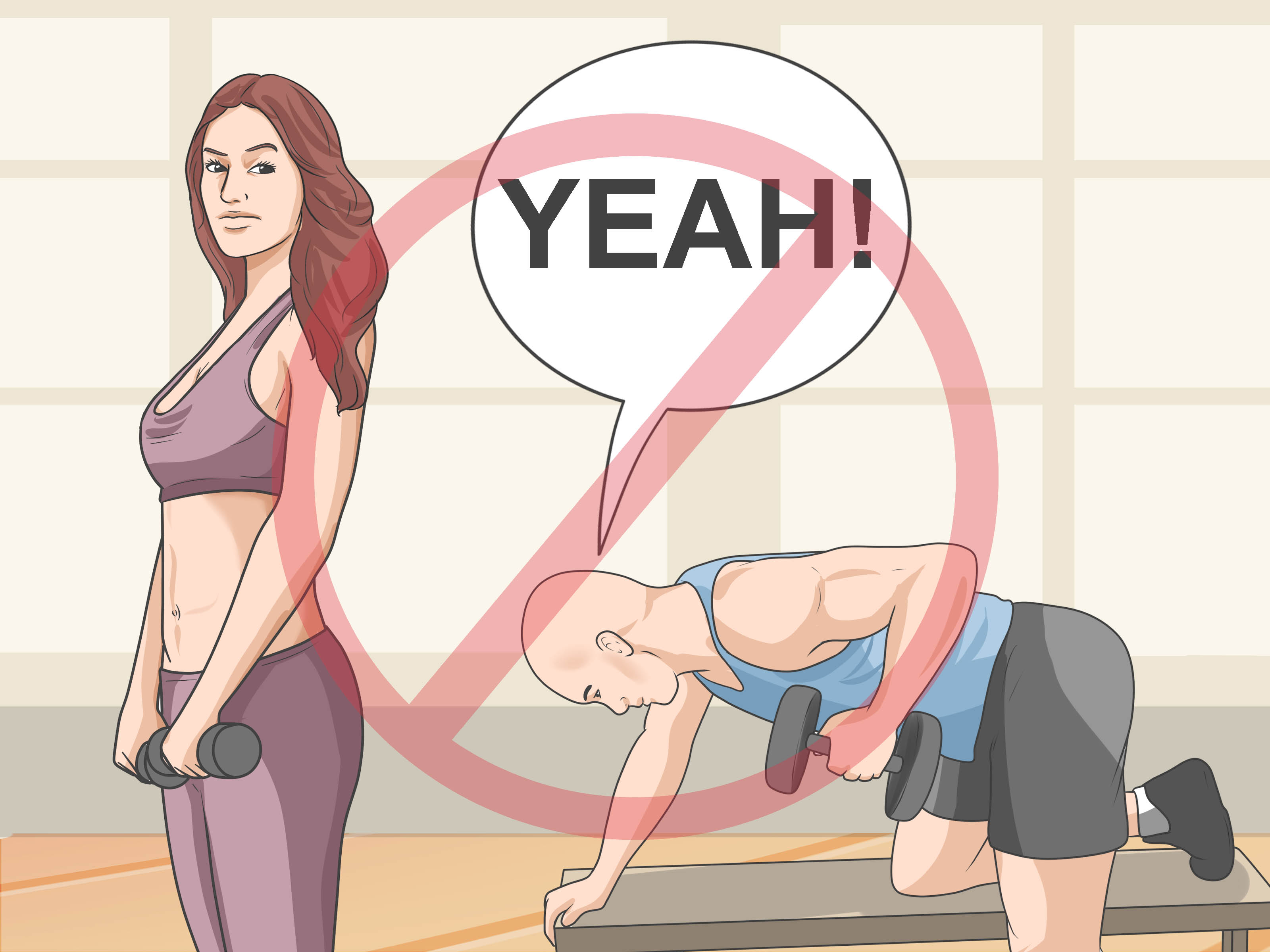
Knowing what not to do is just as important as knowing what to do. Avoid staring, hovering, interrupting intense sets, giving unwanted advice, commenting on someone’s body, or treating the gym like a dating app with dumbbells.
Also avoid trapping people in long conversations. A gym chat should usually be brief unless both people clearly want to continue. Remember, everyone paid to work out, not to attend your one-person podcast.
If you are interested in someone romantically, be extra careful. Focus on friendly, respectful interactions first. If the person does not show interest, back off immediately and continue being polite. A gym should feel safe and comfortable for everyone.
Conversation Starters That Actually Work
Here are simple openers that feel natural in a fitness setting:
- “Have you tried this class before?”
- “Do you know if this machine is available?”
- “That workout looked tough. Was it as bad as it looked?”
- “Do you recommend this instructor?”
- “I’m new here. Is there a good time when it’s less crowded?”
- “I see you here a lot. What days do you usually train?”
- “Do you know any good beginner-friendly classes?”
The best gym conversations are light, useful, and easy to exit. Think friendly neighbor, not motivational seminar speaker.
Experience-Based Tips: What Meeting People at the Gym Really Feels Like
At first, meeting people in a gym can feel strange because everyone seems busy. You may walk in and assume that every person has a perfect routine, a private playlist, and no interest in talking. But after a few weeks, you often realize most people are simply trying to get through their workout without dropping anything heavy on their foot.
One of the most common experiences is the “same time, same place” friendship. You see someone every Tuesday evening near the cable machines. The first week, you nod. The second week, you say hello. The third week, you ask whether they are using a handle attachment. By the fifth week, you are joking about how the gym playlist has played the same pop song three times. That is how gym friendships often begin: not with a grand introduction, but with tiny moments of familiarity.
Group classes create even faster connections. There is something bonding about struggling through a final round of mountain climbers with twenty other people who also look personally betrayed by the instructor. After class, a simple “That was rough” can turn into a conversation about favorite classes, schedules, and fitness goals. Before long, you may have someone saving you a spot or texting, “Are you coming today?” That kind of accountability can make exercise feel less lonely and more enjoyable.
Another real-life lesson is that confidence grows through action. Many people wait until they feel confident before speaking to others, but confidence usually comes after repeated small attempts. The first hello may feel awkward. The tenth feels normal. The fiftieth feels like part of your routine. You do not need to become the mayor of the gym. You only need to be approachable.
It also helps to accept that not every interaction will become a friendship. Some people will smile and move on. Some will give short answers. Some are simply there to train in peace. That is not rejection; it is normal social filtering. The gym works best when everyone can choose their level of interaction.
The best experiences usually happen when you stop forcing connection and start participating. Take the class. Join the challenge. Ask the practical question. Compliment effort. Show up consistently. Over time, the gym becomes less like a room full of strangers and more like a community of familiar faces. And one day, without making a dramatic announcement, you realize you have people to wave to, train with, and maybe even grab coffee with after a Saturday workout.
Conclusion
Learning how to meet people in a gym is not about being charming, loud, or fearless. It is about being consistent, respectful, and open to small moments of connection. Start with good etiquette. Choose the right time to talk. Join group classes. Ask simple questions. Respect boundaries. Let friendships build naturally.
The gym can be more than a place to lift weights, run miles, or pretend you understand every button on the elliptical. It can become a supportive social space where you find motivation, accountability, and people who understand why you are proud of adding five pounds to your lift.
Be friendly, be patient, and remember: the best gym relationships are built like good fitness habitsone respectful rep at a time.