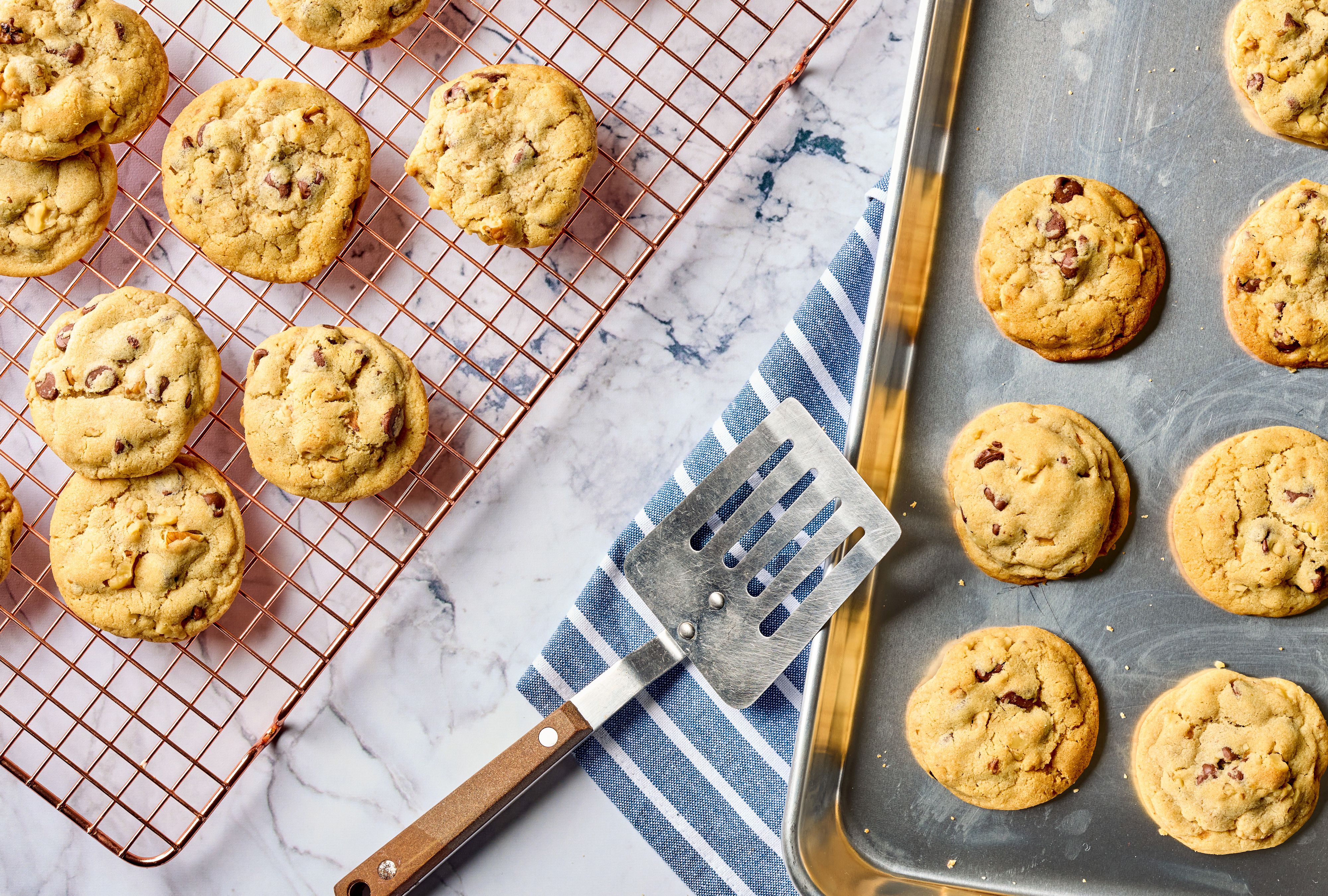

Cookies are basically the friendliest form of baking. They don’t demand fancy tools, they forgive minor mistakes, and they show up to parties with zero attitude. But if you’ve ever pulled a tray from the oven and thought, “Why are these cookies… doing that?”don’t worry. Cookie chaos is a rite of passage.
This guide will walk you through how to make cookies from scratch with the kind of calm confidence usually reserved for people who own matching storage containers. You’ll get a foolproof classic method, the science behind texture (chewy vs. crispy vs. “why are they cakey?”), and practical fixes that work in real kitchens.
Cookie Science in Plain English (So You Can Control the Outcome)
1) Butter (and why temperature matters)
Butter is flavor, tenderness, and spreadall wrapped into one delicious stick. For most drop cookies (like chocolate chip), you’ll cream room-temperature butter with sugar. Too cold, and it won’t trap air well; too warm, and your dough turns greasy and spreads like it’s late for a meeting. The goal: butter that dents when you press it, but still holds its shape.
2) Sugar decides chewy vs. crisp
White sugar tends to make cookies spread more and bake up crisper. Brown sugar brings moisture (thanks to molasses) and encourages chewiness. Want a classic balance? Use both. Want extra chew? Nudge the ratio toward brown sugar. Want thin-and-crispy edges? Increase white sugar slightly and bake a bit longer.
3) Eggs are structure (and yolks are richness)
Eggs bind the dough and add moisture. More egg (especially egg white) can push cookies toward puffy/cakey. More yolk leans rich and chewy. That’s why some “extra chewy” versions use an additional yolk rather than a whole egg.
4) Flour is the “don’t overdo it” ingredient
Too little flour and cookies overspread; too much flour and they bake up dry or cakey. Measuring matters. A kitchen scale is easiest, but if you’re using cups: fluff the flour, spoon it into the cup, then level it offdon’t scoop straight from the bag like you’re digging for treasure.
5) Baking soda vs. baking powder
Baking soda helps cookies brown and spread, especially when there’s an acidic ingredient (like brown sugar/molasses). Baking powder adds lift and can make cookies thicker and more “cakey” if overused. Many classic chocolate chip cookies rely mostly on baking soda for that chewy-spread sweet spot.
The Classic Cookie Blueprint (Works for Most Drop Cookies)
If you learn one method, learn this: cream fat + sugar, add eggs + flavor, then add dry ingredients gently. This sequence gives you consistent dough and predictable cookies.
Classic Chocolate Chip Cookies (Foolproof, Not Fussy)
Ingredients
- 2 1/4 cups (about 270g) all-purpose flour
- 1 teaspoon baking soda
- 1 teaspoon fine salt (or 1 1/4 teaspoons kosher, depending on brand)
- 1 cup (2 sticks / 226g) unsalted butter, room temperature
- 3/4 cup (150g) granulated sugar
- 3/4 cup (165g) packed brown sugar
- 2 large eggs, room temperature if possible
- 2 teaspoons vanilla extract
- 2 cups (about 340g) chocolate chips or chunks
- Optional: flaky salt for finishing
Equipment
- 2 baking sheets
- Parchment paper (recommended)
- Mixing bowls
- Hand mixer or stand mixer (a sturdy spoon works too, with some elbow grease)
- Cookie scoop or tablespoon
- Cooling rack
Method
- Prep: Heat oven to 350°F. Line baking sheets with parchment paper. (If you only have one sheet, no shamejust let it cool between batches.)
- Mix dry: Whisk flour, baking soda, and salt in a bowl. This prevents “surprise salty bite” incidents.
- Cream: In a second bowl, beat butter, granulated sugar, and brown sugar until light and fluffy, about 3–5 minutes. This step helps with texturedon’t rush it like it’s a terms-and-conditions checkbox.
- Add eggs + vanilla: Beat in eggs one at a time, then mix in vanilla. Scrape the bowl as needed.
- Add dry gently: Mix in the flour mixture on low just until you can’t see dry flour. Stop early and finish with a spatula if needed. Overmixing develops gluten and makes cookies tougher.
- Stir in chocolate: Fold in chips/chunks.
- Chill (strongly recommended): Chill dough 30 minutes to 24 hours. Even a short chill reduces spread and improves flavor.
- Scoop: Portion dough into 1 1/2 to 2 tablespoon mounds (about 35–45g). Space 2–3 inches apart.
- Bake: Bake 10–12 minutes, until edges look set and lightly browned, but centers still look slightly soft. They’ll finish setting as they cool.
- Cool smart: Let cookies rest on the baking sheet 3–5 minutes, then move to a cooling rack. If you want perfectly round cookies, swirl a glass around each warm cookie to “scoot” it into shape.
Pro Tips That Actually Matter (Not Just “Use Love”)
Chill the dough for better flavor and shape
Chilling firms the fat so cookies spread more slowly, and it gives the flour time to hydrate. Translation: deeper flavor, nicer browning, and a better chewy-to-crisp balance. If you’re impatient, 30 minutes helps. If you’re planning ahead, overnight is the “wow” zone.
Use parchment paper (and cool your baking sheets)
Parchment promotes even browning and easier release. Also: don’t put dough on a hot baking sheet unless your goal is accidental cookie lace. Let sheets cool between batches or swap pans.
Don’t overmix once flour goes in
Mix only until combined. Overmixing develops gluten and can make cookies tough or cakey. The best cookie dough looks slightly rusticnot like it went through a corporate rebrand.
Salt and vanilla are not optional vibes
Salt balances sweetness and makes chocolate taste more like chocolate. Vanilla rounds everything out. If your cookies taste flat, it’s usually not because you lacked “cookie aura”it’s because the seasoning and/or chill time needed help.
Chocolate strategy: chips vs. chopped bars
Chips hold their shape; chopped chocolate melts into pools. For a bakery-style look, use a mix and press a few chunks on top right after scooping. You’ll get dramatic puddles without having to stage a cookie photo shoot for 45 minutes.
Choose Your Texture: Chewy, Crispy, or Thick
How to make cookies chewier
- Use more brown sugar than white sugar.
- Add 1 extra egg yolk (and keep the whites the same).
- Chill dough longer (at least 1 hour, preferably overnight).
- Underbake slightly and let them finish on the pan.
How to make cookies crispier
- Use a bit more granulated sugar.
- Bake 1–3 minutes longer (watch edges closely).
- Use thinner dough portions and flatten slightly before baking.
- Let cookies cool fully on a rack (cooling crisps them up).
How to make cookies thicker (without being cakey)
- Chill dough thoroughly so it hits the oven cold.
- Use a slightly higher-protein all-purpose flour if available.
- Shape dough into taller mounds (like little dough towers) rather than wide balls.
- Don’t add extra flour unless you’re sure you measured correctlytoo much flour = dry/cakey.
Troubleshooting: When Cookies Misbehave
“My cookies spread too much and got thin.”
- Dough was too warm (chill it).
- Butter was melted instead of room temp (start cooler next time).
- Too little flour (measure carefully; consider weighing).
- Hot baking sheet from a previous batch (cool the pan).
“My cookies barely spread and turned out dry.”
- Too much flour (common when scooping directly from the bag).
- Dough was overmixed (gluten developed).
- Oven runs hot (use an oven thermometer if cookies brown too fast).
“Why are my cookies cakey?”
- Too much flour, too much leavening, or too many eggs/egg whites.
- Overmixing (incorporating too much air and developing gluten).
- Try: measure flour carefully, mix gently, and don’t add extra baking powder “for fun.”
Storage, Freezing, and Make-Ahead (Because Future-You Deserves Cookies)
Baked cookies keep best in an airtight container at room temperature for about 3–5 days. For extra softness, add a slice of sandwich bread to the container (it gives up moisture to the cookies). For crisp cookies, skip the bread and keep them very well sealed.
Cookie dough freezes beautifully. Scoop dough into portions, freeze on a sheet until firm, then store in a freezer bag. Bake from frozenjust add 1–2 minutes to the bake time. This is the closest thing to legal cookie magic.
Food Safety Note (Yes, We Have to Say It)
Raw cookie dough is risky because uncooked flour and raw eggs can carry germs. If you want “cookie dough” vibes, look for recipes designed to be eaten raw (using heat-treated flour and no raw eggs), or simply bake a small batch and enjoy the warm-cookie moment safely.
Experiences: The Stuff No One Tells You Until You’ve Ruined a Batch
If you’ve ever made cookies that looked like perfect dough balls going into the oven and came out as one giant cookie continent, welcome to the club. Most home bakers learn cookie skills the same way people learn to parallel park: a mix of hope, tiny adjustments, and the occasional “I’m never doing this again” (followed by doing it again next weekend).
One of the most common “aha” moments is realizing how much dough temperature changes everything. On a cool day, you can mix, scoop, and bake right away and still get decent cookies. On a warm day, that same dough can go glossy and loose in minutesespecially if your butter started too soft or your kitchen is running like a tropical greenhouse. The fix feels almost too simple: cover the bowl and chill. Suddenly your cookies stop auditioning to be lace doilies and start acting like cookies again.
Another classic experience: flour measurement drama. Cookies are one of the first things people bake, and they’re also where people discover that scooping flour from the bag can pack in extra flour like you’re trying to smuggle it through airport security. The result is dough that seems “nice and sturdy,” then bakes up thick, pale, and oddly bready. The first time you try spoon-and-level (or, even better, a scale), it can feel like upgrading from “guessing” to “knowing.” And your cookies taste like the difference.
Then there’s the emotional rollercoaster of bake time. Cookies are sneaky because they look underdone when they’re actually perfect. You stare through the oven window thinking, “They’re still soft.” You add two minutes. Then another minute. And suddenly you’ve invented the world’s tastiest hockey puck. Many experienced bakers learn to trust the signs: set edges, slightly soft centers, and a little carryover cooking on the hot pan. That tiny restraint is what separates “soft and chewy” from “why do these crack my teeth?”
Mix-ins can teach humility too. Dumping in an extra cup of chocolate chips sounds like a great decision until the dough can’t hold together and the cookies bake into crumbly, chocolate-studded rubble. The best approach is strategic: keep mix-ins balanced, save a handful to press on top, and remember that cookies need a dough structure to support all the fun stuff. Think of it as interior designyou can’t hang a chandelier from a ceiling that isn’t there.
Finally, there’s the joy of the “second batch.” The first tray teaches you what your oven really does (and whether that 350°F dial is telling the truth). The second tray is where you adjust: maybe a slightly smaller scoop, maybe a longer chill, maybe rotating the pan halfway. That’s when cookie baking stops being stressful and starts being satisfyingbecause you’re not just following a recipe, you’re learning your kitchen’s personality. And once you do, you can make cookies on purpose: chewy for movie night, crisp for dunking, thick for gifting, and “just one more” for absolutely no reason at all.
Conclusion
The secret to how to make cookies isn’t a single mythical recipeit’s understanding a few key levers: ingredient ratios, dough temperature, gentle mixing, and confident bake timing. Master the blueprint, and you can turn one solid base into endless cookie variations that fit your mood, your pantry, and your schedule.