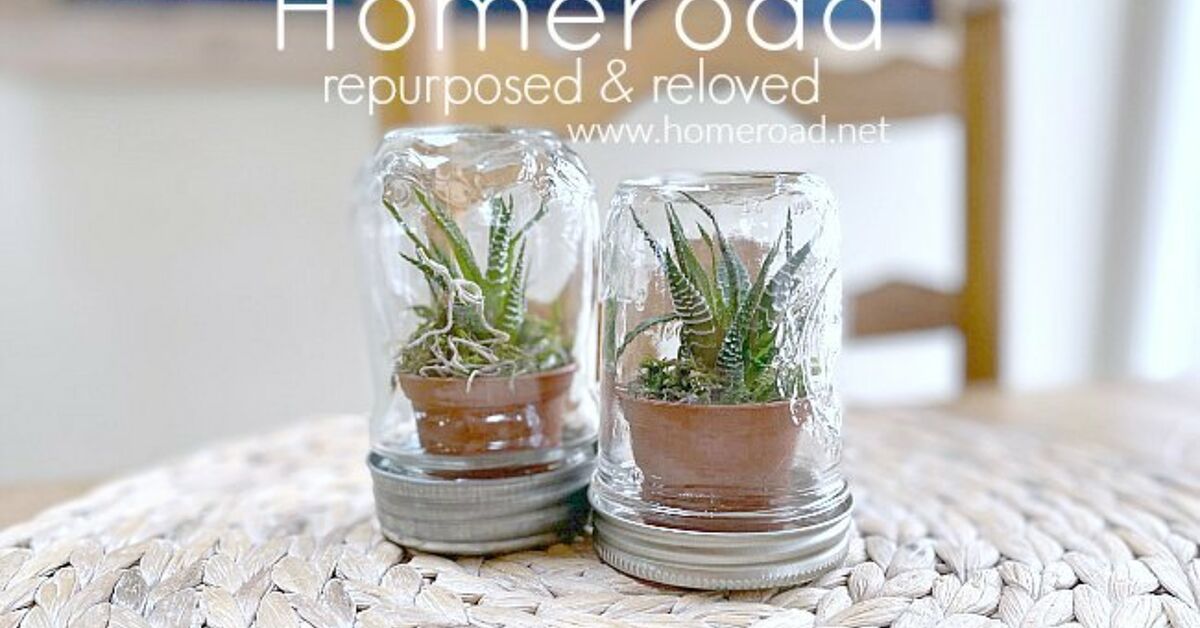

Note: For succulent health, use the mason jar as an open terrarium or display jar with the lid off. Sealing succulents inside a closed mason jar may look cute for a minute, but it usually creates too much humidity for desert plants.
If you love crafts, houseplants, and the kind of project that makes visitors say, “Wait, you made that?”, a mason jar succulent terrarium is your moment. This DIY is affordable, beginner-friendly, and stylish enough to sit on a desk, shelf, coffee table, or windowsill without begging for attention like a glitter cannon. Better yet, it gives you the charm of a mini garden without asking you to build a backyard greenhouse or develop a mystical connection with soil.
A succulent terrarium using a mason jar DIY setup combines two things people already adore: upcycled glass and low-maintenance plants. The trick is doing it the right way. Succulents are hardy, but they are not magicians. They still need light, airflow, and a soil mix that drains fast. A mason jar has no drainage hole, so the whole project depends on smart layering, modest watering, and resisting the urge to treat your plants like they are training for a rainforest.
In this guide, you will learn exactly how to make a succulent terrarium in a mason jar, which materials work best, what mistakes to avoid, how to care for it after planting, and how to make the final design look polished instead of like a science fair project that got nervous halfway through.
Why a Mason Jar Works for a Succulent Terrarium
A mason jar is clear, sturdy, inexpensive, and easy to find. It gives you that clean glass look people love in DIY terrarium ideas, and it is available in different shapes and sizes, from short squat jars to tall classic canning jars. That means you can build a terrarium to match your space, whether you want a tiny desk accent or a small centerpiece for a side table.
The glass also lets you show off the layers inside the jar. Pebbles, cactus soil, decorative sand, and small succulents create a miniature landscape that feels intentional and artistic. In short, a mason jar gives you maximum visual payoff for minimal square footage. Your bookshelf gets a desert makeover, and you get bragging rights.
That said, the best mason jar terrarium for succulents is not one with the lid screwed on tight. Succulents prefer drier air and good circulation. So think of the jar as a stylish open container, not a sealed ecosystem.
Best Succulents for a Mason Jar Terrarium
Not every succulent is a great fit for a jar. You want varieties that stay relatively compact, tolerate indoor conditions well, and do not immediately outgrow their cute little home. Small rosette or clumping succulents usually work best.
Top choices for a succulent terrarium
- Haworthia: One of the best indoor succulent options because it stays compact and handles bright indirect light well.
- Gasteria: Slow-growing, architectural, and forgiving for beginners.
- Mini echeveria: Beautiful rosettes that add classic succulent style, though they need strong light to stay compact.
- Small sedum varieties: Great for texture and contrast in mixed arrangements.
- Crassula varieties: Some compact types work well if you do not overcrowd the jar.
Try to choose plants with similar care needs. Mixing one plant that likes brighter light with another that prefers softer conditions can turn your terrarium into a tiny roommate conflict. Also, avoid stuffing in too many plants. A mason jar terrarium looks better with breathing room, and your succulents will thank you by not melting into one another like sleepy green pancakes.
What You Need
Before you start planting, gather all your materials so you are not halfway through the project with one hand full of cactus mix and the other scrolling for “where to buy tiny shovel immediately.”
Supplies list
- 1 clean mason jar with a wide opening
- Small pebbles or gravel
- Optional horticultural charcoal
- Cactus or succulent potting mix
- 1 to 3 small succulents
- Decorative sand, stones, or moss for top dressing
- Spoon, chopstick, or mini trowel
- Soft brush or dry paintbrush for cleanup
- Gloves, if your chosen plants are spiky or dramatic
Choose a mason jar with a mouth wide enough to fit your hand or at least your tools. A narrow jar may look adorable, but if you cannot place the plants properly, the project turns into a game of botanical claw machine.
How to Make a Succulent Terrarium Using a Mason Jar DIY
Step 1: Clean and dry the mason jar
Start with a spotless jar. Wash it with mild soap, rinse thoroughly, and let it dry fully. Any leftover moisture hanging around at the bottom is basically an engraved invitation to root rot. If the jar has stickers or adhesive residue, remove them before planting so the terrarium looks intentional instead of like it still costs $4.99.
Step 2: Add a base layer
Add a thin layer of pebbles or gravel to the bottom of the mason jar. Since the container has no drainage hole, this base helps separate excess moisture from the root zone. Keep the layer modest; you are building a tiny garden, not paving a miniature driveway.
If you want, add a very thin layer of horticultural charcoal above the pebbles. Many terrarium makers use it to help manage odor and moisture, especially in glass containers. It is optional in an open succulent terrarium, but many DIYers like the extra insurance.
Step 3: Add succulent soil
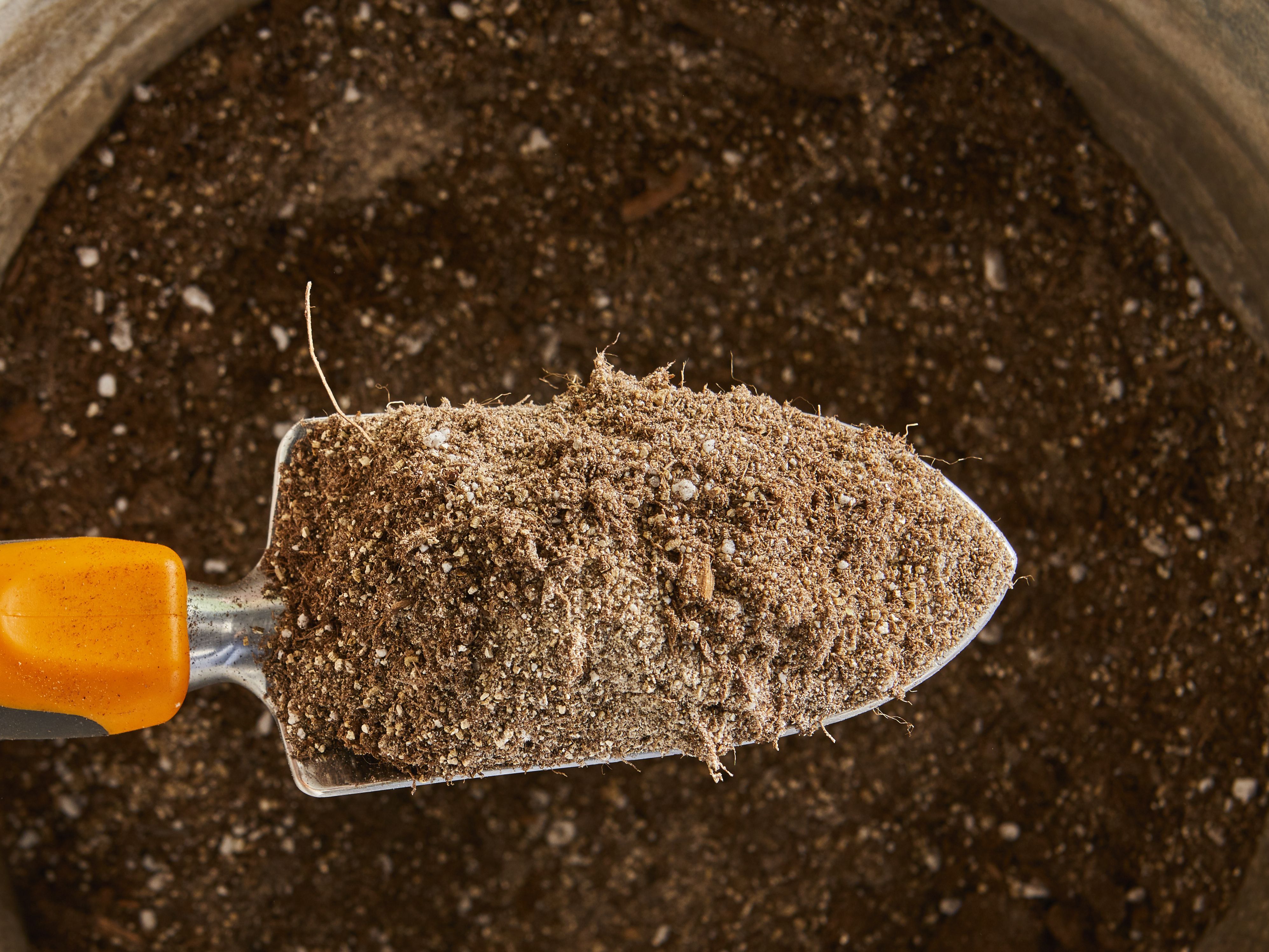
Pour in cactus or succulent potting mix. This part matters more than decorative extras. Succulents want fast-draining soil that does not stay soggy around the roots. Fill the jar with enough soil to anchor the plants securely while still leaving room at the top for arranging and top dressing.
As a rule, you want enough depth for the root balls plus a little extra. Gently slope the soil if you want a more natural desert-style look. Tiny hills and dips make the arrangement feel more like a landscape and less like a salad bar.
Step 4: Plan your arrangement first
Before planting, set the succulents on top of the soil to see how they will look. Put taller or more upright plants toward the back or center, depending on which side of the jar will face forward. Place trailing or lower-growing plants near the front edge.
This preview step saves you from digging up the whole design five minutes later while whispering, “No, no, that looked better before.” Good terrarium design uses contrast in height, color, and texture, but still leaves enough open space for each plant to shine.
Step 5: Plant the succulents
Remove each succulent from its nursery pot and gently loosen the roots if they are tightly packed. Make a small hole in the soil, place the plant, and firm the soil around it. Work slowly so you do not snap leaves or bury the crown of the plant too deeply.
If your mason jar opening is tight, use a spoon, chopstick, or long tweezers to guide the roots into place. This is also the stage where patience beats brute force every single time.
Step 6: Add decorative finishing touches
Now for the fun part. Add top dressing such as small stones, coarse sand, or a few decorative pebbles. This makes the terrarium look polished and can help keep succulent leaves from resting directly on damp soil. Use restraint here. You want a stylish accent, not a tiny casino floor.
You can also add one or two tasteful decorative pieces, such as driftwood, a small crystal, or a miniature figurine, if that suits your aesthetic. Keep it minimal so the plants remain the stars of the show.
Step 7: Skip the heavy watering
Right after planting, do not drench the jar. If the plants were healthy and the root balls had some moisture already, wait a bit before watering. When you do water, use only a small amount directed at the soil, not the leaves. In a container without drainage, less is definitely more.
How to Care for a Mason Jar Succulent Terrarium
A great DIY terrarium is only half the story. The other half is keeping it alive long enough to become décor instead of evidence.
Light
Place your succulent terrarium in bright light. Many indoor succulents prefer bright indirect light, though some can handle a little gentle direct morning sun. Avoid blasting a closed glass container in hot afternoon sun, because glass can intensify heat. If the jar gets too warm, your tiny desert scene can become tiny plant soup.
Water
Water only when the soil is completely or nearly completely dry. In a mason jar without drainage, that may mean watering far less often than you think. A small squeeze bottle, dropper, or spoon works well because it lets you control the amount.
Signs of overwatering include mushy leaves, yellowing, leaf drop, and soft stems. Signs the plant needs water may include wrinkling or slight shriveling, depending on the variety. When in doubt, wait one more day. Succulents usually forgive a dry spell faster than a swamp.
Airflow
Keep the lid off. Yes, even if the lid is cute. Especially if the lid is cute. Open airflow helps reduce humidity and gives succulents the drier conditions they prefer.
Cleaning
Use a soft dry brush to remove spilled soil or sand from leaves and the inside of the glass. Clean glass makes the terrarium look crisp and intentional, while dusty glass says, “I started a project and then got distracted by snacks.”
Pruning and upkeep
Remove dried leaves promptly, rotate the jar occasionally for even growth, and repot any plant that begins to outgrow the container. Succulents do not stay tiny forever just because the container is adorable.
Common Mistakes to Avoid
Using a sealed lid
This is the most common mistake with a mason jar succulent terrarium. Closed terrariums hold moisture and humidity, which works for moss and humidity-loving plants, not most succulents.
Overwatering
If you remember only one thing from this article, let it be this: succulents in glass jars need very little water. A no-drainage container changes the rules. You are not watering a flower bed. You are managing a tiny ecosystem with nowhere for excess water to go.
Choosing the wrong soil
Regular potting soil often stays too wet for succulents. Use a cactus or succulent mix designed for fast drainage and better airflow around the roots.
Overcrowding the jar
Too many plants means less airflow, more competition, and a cluttered design. Give each succulent enough room to be seen and to grow.
Ignoring light needs
If your terrarium sits in a dim corner because it “matches the vibe,” your succulents may stretch, fade, or decline. Pretty placement is important, but living placement is better.
Creative Mason Jar Terrarium Ideas
Once you know the basics, you can customize the project in all kinds of ways.
- Minimalist desert jar: Use one haworthia, pale gravel, and white sand for a clean modern look.
- Rustic farmhouse style: Pair a mason jar with natural pebbles, weathered wood accents, and muted succulents.
- Giftable mini terrarium: Make several small jars for party favors, housewarming gifts, or teacher presents.
- Color-themed arrangement: Mix succulents with silvery, blue-green, and dusty pink tones for a designer feel.
- Desk-friendly jar garden: Keep it simple with one small plant and clean top dressing so it looks polished in a work space.
These mason jar terrarium ideas work especially well when you choose a design direction before you start. Random layering can be fun, but a little planning turns your project from “cute craft” into “where did you buy that?”
Is a Mason Jar the Perfect Long-Term Home?
Honestly, sometimes yes, and sometimes it is more of a charming temporary home. A mason jar terrarium is ideal for small succulents, short-term styling, gifts, and compact spaces. But because the jar has no drainage hole, it requires more careful watering than a traditional pot.
If you fall in love with the arrangement, you can absolutely keep it going with smart care. Just remember that some succulents eventually outgrow their space. When that happens, repot them into a container with drainage and let them graduate to their next chapter like the little overachievers they are.
Final Thoughts
Learning how to make a succulent terrarium using a mason jar DIY style is one of those projects that checks every box. It is affordable, creative, practical, and surprisingly therapeutic. You get to play with texture, shape, color, and composition while building something genuinely beautiful for your home.
The real secret is respecting what succulents actually need. Keep the mason jar open, use a gritty succulent potting mix, go easy on the water, and give the arrangement bright light. Do that, and your DIY succulent terrarium can look fresh, modern, and delightfully alive for a long time.
So go raid the craft bin, rescue that mason jar from the back of the cabinet, and build yourself a miniature desert worth showing off. Your shelf has been waiting for a tiny glow-up.
My Experience With a Mason Jar Succulent Terrarium DIY
The first time I made a succulent terrarium in a mason jar, I was convinced it would be easy because succulents have a reputation for being nearly indestructible. In my head, the project was going to take fifteen minutes, look magazine-worthy, and somehow make my entire home feel curated. In reality, I spent a good chunk of time debating whether one pebble looked more “organic” than another. DIY confidence is a fascinating thing.
I started with a classic mason jar from the kitchen cabinet, which felt satisfyingly resourceful. I cleaned it, lined up my supplies, and immediately understood why people love this project. The materials are simple, the setup is manageable, and there is a lot of room for creativity without needing expert-level gardening skills. It felt like a craft project for adults who want to say they are gardening while staying very close to air conditioning.
The biggest lesson I learned was that the arrangement matters almost as much as the planting. Before I put anything in the soil, I tested where each succulent would sit. One haworthia had strong “main character energy,” while a smaller echeveria looked better off to the side. That little preview step made the finished design look far more intentional. Without it, I would have ended up with a lopsided jar that looked like the plants had boarded the wrong flight.
I also learned very quickly that watering a no-drainage jar requires restraint. My first instinct was to water the terrarium the way I water normal potted plants, and that would have been a mistake. In a mason jar, excess moisture has nowhere to escape. Using just a small amount of water felt almost suspiciously minimal, but it turned out to be exactly right. The succulents stayed firm and happy, and I avoided the dreaded mushy-leaf disaster that sneaks up on overenthusiastic plant owners.
Another surprise was how much the terrarium changed the feel of the room. It was a small object, but because the jar caught the light and showed off the textures inside, it added a lot of personality to the shelf. It looked handmade in the best way, not sloppy or overly crafty. Friends noticed it right away, and that is always the sign of a successful DIY. If people ask where you bought it, you are legally allowed to feel a little smug.
Over time, I realized that maintenance is not difficult, but it does require observation. You have to notice when the soil is dry, when a leaf has dropped, or when one plant starts leaning dramatically toward the light like it is auditioning for a soap opera. A mason jar succulent terrarium rewards that kind of low-key attention. It is not demanding, but it definitely appreciates being noticed.
If I were making another one today, I would still choose a wide-mouth mason jar, still keep the design simple, and still use only a few plants instead of crowding the space. That balance between beauty and breathing room is what makes the arrangement work. The finished terrarium ends up looking calm, modern, and just a little charmingly nerdy. Which, honestly, is a strong aesthetic category.
For anyone thinking about trying this DIY, my experience is that it is one of the most satisfying small plant projects you can do at home. It is accessible for beginners, customizable for creative people, and practical for anyone who wants greenery without committing to a full indoor jungle. As long as you remember that succulents want airflow, bright light, and a light touch with water, a mason jar terrarium can be both a fun weekend craft and a lasting piece of living décor.