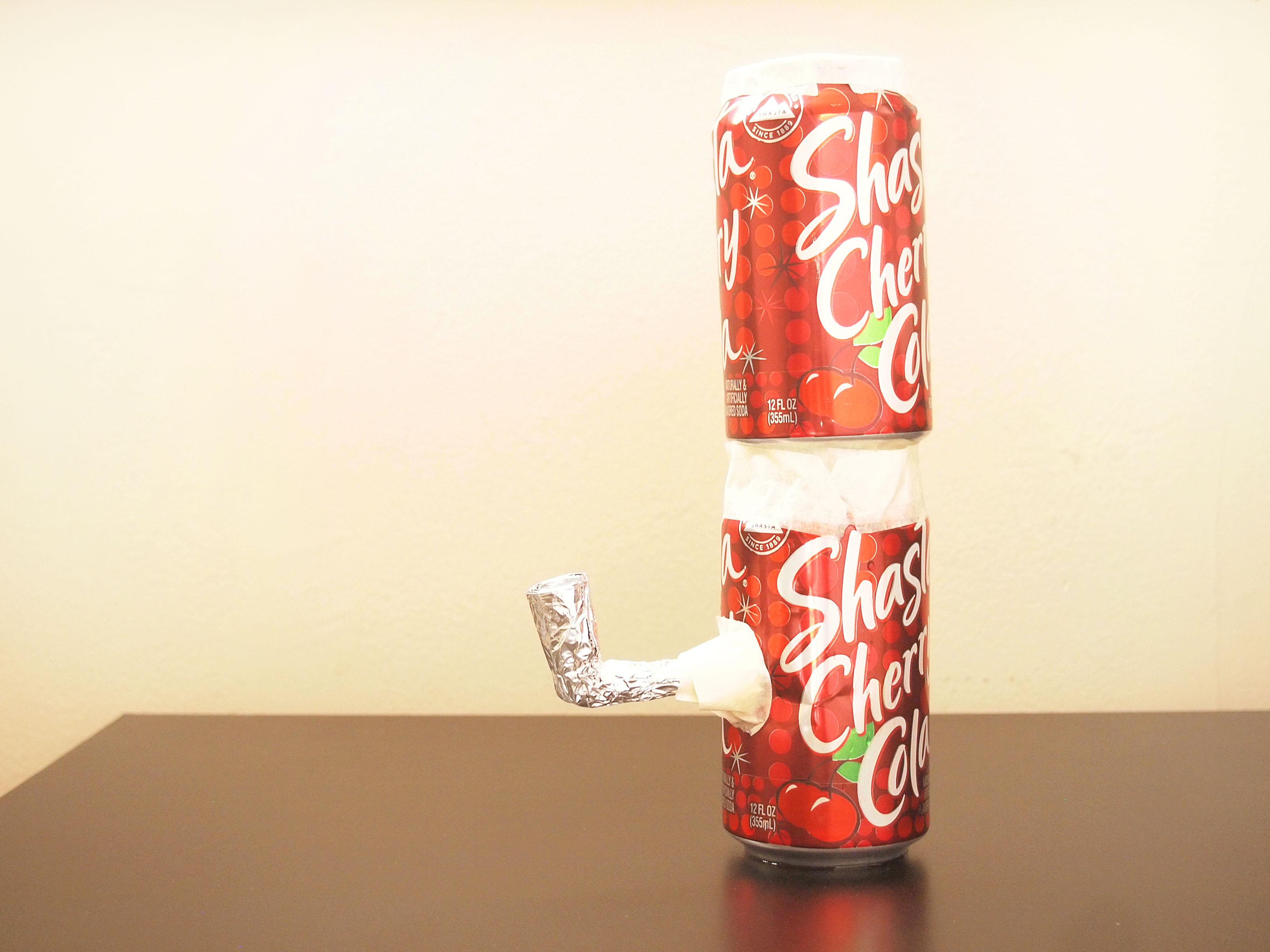

Quick reality check: If you came here looking for a step-by-step DIY tutorial, I’m going to hit the brakes. I can’t provide instructions for making an improvised pipe from a soda can. Not because I’m trying to ruin your fun, but because it’s a high-risk idea that can cause real harmand in many places, it can also create legal problems. Instead, this guide explains why the soda-can “pipe” is unsafe, what can go wrong, and what safer, legal options look like depending on what you’re trying to do.
Think of this as the article you’ll be glad you read before you turn a “quick hack” into a “why does my throat feel like I swallowed sandpaper?” situation.
Why the Soda-Can “Pipe” Idea Is Riskier Than It Looks
People search for “soda can pipe” because it seems convenient: the can is right there, it’s easy to crush, and it feels like a shortcut. But “easy” and “safe” are not the same thing. Here are the biggest reasons health and safety experts would tell you to skip it.
1) Cans Aren’t Just Metal: Liners and Coatings Can Be a Problem
Most beverage cans aren’t bare aluminum on the inside. Many have internal coatings (often epoxy-based) designed to protect the drink and keep the metal from corroding. The point of that coating is to keep the beverage from contacting the metalmeaning it’s not designed for high heat or inhalation scenarios.
When you introduce heat to coated surfaces (inside liners, outside paint, printed ink), you increase the chance of producing unpleasant fumes and degraded residues. Even if you don’t see smoke from the can itself, heat can still affect coatings in ways your lungs won’t appreciate.
2) Printed Ink, Paint, and “Mystery Gunk” Are Not Meant to Be Inhaled
That glossy logo and bright color on a soda can? It’s not edible (even if the cola is). It’s ink and paint. Heating printed surfaces can create harsh odors and irritants. Your lungs are great at absorbing oxygen; they’re also unfortunately great at absorbing things that don’t belong there.
Even if someone claims, “I burned it off first,” that doesn’t magically convert industrial coatings into something safe. It just means the can has been heatedpossibly producing more irritants along the way.
3) Cuts, Burns, and “Ouch” Moments Are Common
Aluminum is thin. When it’s crushed, folded, or punctured, it can create sharp edges. A minor slip can mean:
- small cuts on lips or fingers (annoying)
- burns from hot metal (painful)
- tiny metal burrs (the kind you don’t notice until you do)
And if you’re already impaired or distracted, your odds of a clumsy moment go upbecause gravity is undefeated.
4) The “Harsh Hit” Isn’t a Badge of Honor
People often describe soda-can smoke as harsher, hotter, and more irritating than smoke from a proper device. That harshness isn’t proof you “did it right.” It’s often your body saying, “Hey, I do not like this.”
Smoke and heated aerosols can irritate airways, trigger coughing fits, and worsen asthma or other respiratory issues. If you’re coughing so hard you’re seeing your life choices in slideshow form, that’s your cue to stop and reassess.
5) Legal Risk Can Be Real (and Not Worth It)
Laws vary widely by location and what substance is involved. But in many places, improvised pipes can be considered drug paraphernalia if used (or intended) for illegal substances. Even if you think you’re being “low-key,” getting caught with improvised equipment can create complications you did not schedule into your week.
So What Should You Do Instead?
This depends on what you’re trying to accomplish and what’s legal where you live. The safest answer is: don’t inhale questionable fumes from improvised metal-and-ink contraptions. The practical answer is: choose a safer method that’s purpose-built and legal for your situation.
If You’re Talking About Legal Tobacco
If you use tobacco (where legal), the simplest safer option is to use a properly made tobacco pipe or other intended product from a reputable retailer. These products are designed for heat, airflow, and materials that won’t flake ink into your mouth.
Also: smoking still carries major health risks. If quitting is on your mind, that’s not “being dramatic”that’s being smart. There are evidence-based cessation supports that can actually help.
If You’re Talking About Cannabis (Only Where Legal)
Where cannabis is legal for medical or adult use, regulated products exist precisely because safety and dosing matter. If someone is using cannabis in a legal setting, safer routes often mean devices made of appropriate materials (not printed aluminum) and products with clearer labeling.
Important: I’m not encouraging usejust pointing out that if someone is going to make a choice in a legal setting, improvised devices add avoidable risk.
If This Is Really About “I Don’t Know What Else to Do Right Now”
Sometimes a soda-can pipe search isn’t about curiosityit’s about stress, habit, or feeling stuck. If substance use is starting to feel like it’s driving the car, help is available and you don’t have to figure it out alone. In the U.S., confidential treatment referrals are available 24/7 through national helplines and treatment locators.
If You Already Used a Soda-Can Pipe: A Safer Next Step
I’m not here to scold you. If it already happened, the useful question is: what now?
1) Pay Attention to Symptoms (Your Body Gives Clues)
If you notice significant throat burning, wheezing, chest tightness, dizziness, severe headache, vomiting, or trouble breathing, take it seriously. Fresh air and stopping exposure are the first steps. For urgent symptoms (like difficulty breathing or chest pain), seek medical care immediately.
2) When in Doubt, Ask Experts
If you’re worried you inhaled fumes or had a reaction, Poison Control can advise you on what to watch for and what to do next. It’s confidential and free in the U.S., and you can call even if it’s “not an emergency.”
3) Don’t “Upgrade” the Hack
People sometimes respond to a bad experience by trying a different DIY version (foil, random tubing, etc.). That often just trades one set of risks for another. Improvised devices are unpredictable by design.
FAQ: The Questions People Ask (and the Straight Answers)
Is a soda can pipe actually dangerous, or is it just “internet drama”?
It’s not just drama. The risk comes from combining heat, coatings/inks, sharp metal edges, and inhalation. Even if someone “got away with it once,” that doesn’t make it a good ideajust a lucky outcome.
Does aluminum automatically mean “toxic”?
Not automatically. Aluminum is widely used in food and beverage packaging. The issue here is heating and inhaling near coatings/inks/liners and using a thin, easily damaged material in a way it wasn’t designed for.
What about cleaning the can first?
Cleaning helps with surface grime, but it doesn’t change what the can is made of or how coatings behave under heat. The bigger risks (heat + coatings + inhalation + sharp edges) remain.
Is there a “safe DIY pipe”?
If you’re looking for a way to inhale a substance, “DIY” is usually the wrong direction. Purpose-made, legal products exist for a reason. And if the substance is illegal where you are, the safest choice is not to create or use paraphernalia at all.
Real-World Experiences People Commonly Share (and What They Learn)
Because this topic is so common, a lot of people have stories about it. Not heroic storiesmore like “I can’t believe I thought that was a good idea” stories. Here are patterns people often describe, and the lessons that come with them.
The surprise harshness: A frequent first reaction is how rough it feels. People expect a quick, simple experience and instead get a hot, scratchy sensation that triggers coughing almost immediately. Some describe a metallic taste that doesn’t leave for a while, like licking a handful of spare change (but with more regret). The takeaway is usually: harshness isn’t toughness; it’s irritation.
The “why is my throat on fire?” moment: Another common report is throat and airway irritation that lasts longer than expectedsometimes for hours. This is where people realize the can isn’t just “metal.” There are coatings and printed layers involved, and heat plus inhalation is a bad combination. The lesson: if your body is protesting loudly, listen.
The accidental injury: Cuts on the lip, a nick on a finger, or a small burn from hot metal shows up in a lot of anecdotes. The can’s thin aluminum can crumple into sharp points, and a hurried grip can turn into a quick injury. People often say the injury is what snapped them into a more cautious mindsetbecause nothing says “this is not worth it” like cleaning blood off your hand over something that was supposed to be “convenient.”
The embarrassment factor: Many people later describe feeling embarrassednot necessarily because of what they used, but because of how improvised and risky it was. They look back and realize the “hack” was less about creativity and more about a lack of better options in the moment. The lesson: planning ahead (or choosing not to use at all) often prevents the worst decisions made under pressure.
The pivot to safer choices: A surprisingly common ending is that people stop using improvised devices after a bad experience and switch to legal, purpose-made options (or decide to quit). When quitting is the choice, people often mention that getting supporttalking to a clinician, using cessation aids, or contacting a helplinemade the difference between “I should quit” and “I actually did.” The lesson: you don’t have to solve everything alone, and you don’t have to keep repeating a risky workaround.
The bottom line from experience: The soda-can pipe idea is popular because it’s easy to imaginebut the real-world outcomes people describe (irritation, harshness, cuts, worry, and regret) are the opposite of “easy.” If you’re here out of curiosity, let it stay curiosity. If you’re here because you’re stuck, consider this your sign to choose a safer next stepone that doesn’t involve heated ink and sharp aluminum near your face.
Conclusion
“How to make a pipe from a soda can” gets searched a lot, but popularity doesn’t equal safety. The combination of heat, coatings/inks, sharp edges, and inhalation makes this a high-risk DIY move. If you care about your lungs, your mouth, and your future self, skip improvised devices and choose safer, legal alternativesor use this moment as a nudge toward reducing or stopping use altogether.