
There are few household disappointments more dramatic than this: you step out of a warm shower feeling like a serene spa goddess, spa king, or at least a reasonably clean human, and then your towel stages a rebellion. It slides. It sags. It drops at the exact moment you need both hands. Suddenly, your luxurious post-shower moment feels less “relaxing retreat” and more “slapstick sitcom.”
The good news? You do not need a fancy robe, a complicated sewing project, or one of those suspiciously expensive “innovative” bath wraps to solve the problem. In most cases, you can turn an ordinary bath towel into a secure body wrap towel in under a minute. The trick is choosing the right towel, placing it correctly, and using a simple tuck that actually holds while you move around your bathroom, bedroom, or hallway like a person with dignity.
In this guide, you’ll learn exactly how to make a body wrap towel after a shower in five easy steps. You’ll also learn which towels work best, what mistakes cause the dreaded towel drop, and how to make your wrap feel more comfortable, secure, and honestly a little more luxurious. Because yes, tiny upgrades to daily life matter. Especially the ones that keep your towel from betraying you mid-moisturizer.
Why a Body Wrap Towel Works So Well
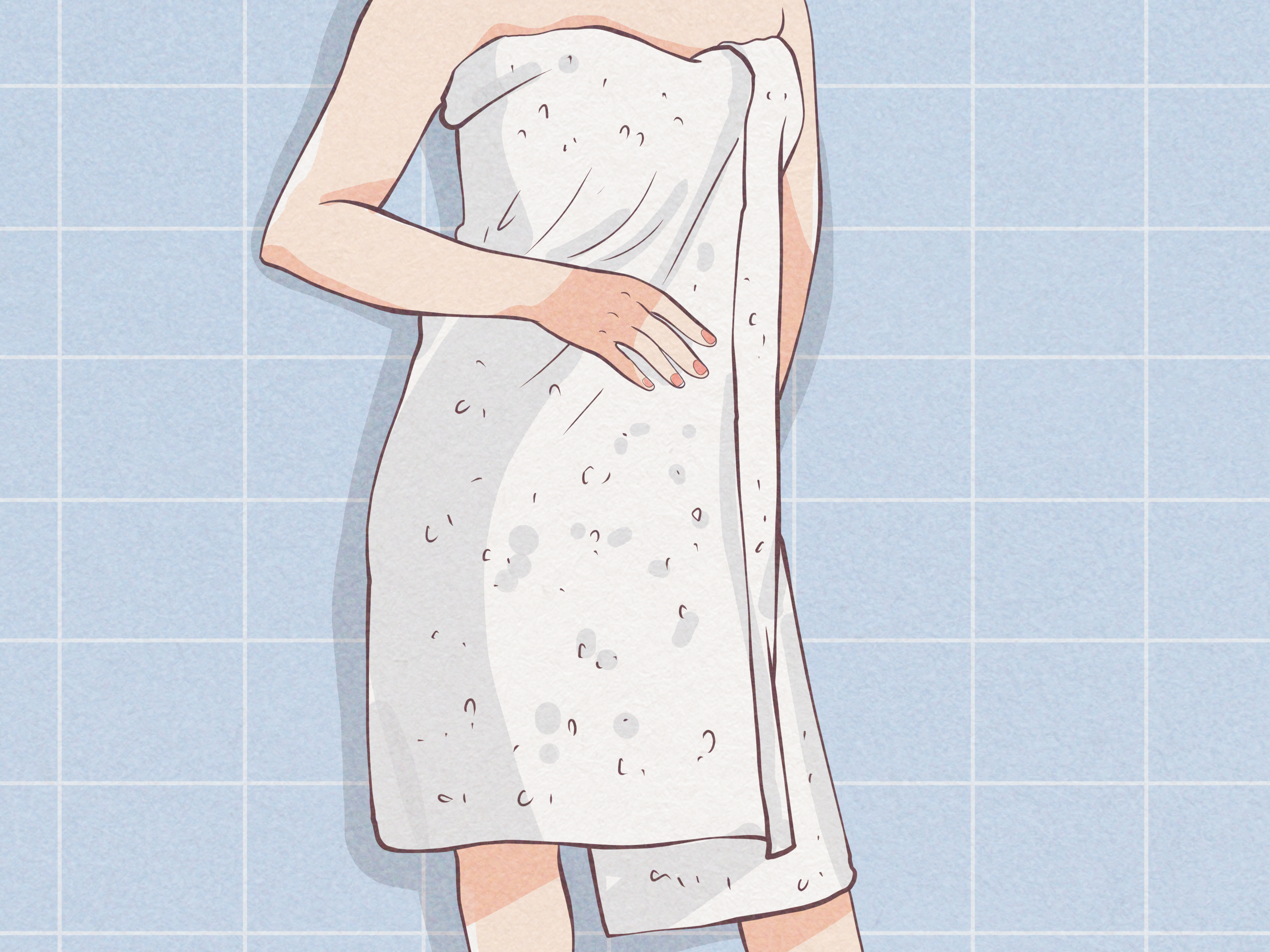
A body wrap towel is simply a bath towel or bath sheet wrapped snugly around your torso and secured by tension and a tuck. That’s it. No engineering degree required. When done correctly, it frees your hands so you can brush your teeth, apply lotion, comb your hair, or stare into the mirror wondering whether buying six skincare serums was an act of self-care or financial chaos.
The best body wrap towels usually have three things in common: decent size, good absorbency, and enough texture to grip instead of slipping. A towel that is too small will force you into a flimsy wrap that pops open the moment you bend, twist, or inhale with enthusiasm. A towel that is too slick or too thin may feel soft, but it will not stay put for long. That is why plush cotton terry towels and roomy bath sheets tend to work especially well for a post-shower towel wrap.
If you’ve ever wondered why some towels feel like they hug you while others behave like a reluctant napkin, it often comes down to the material and construction. A more absorbent, slightly textured towel tends to grip better and feel more secure against damp skin. In plain English: your towel needs to do more than look cute on a rack.
Before You Start: Pick the Right Towel
Before we get into the five steps, let’s talk strategy. Not all towels are equally good at becoming a body wrap. If your towel barely closes around you, do yourself a favor and size up. An oversized bath towel or bath sheet is often easier to wrap, easier to tuck, and much less likely to come undone while you’re trying to do something important, like not freeze.
What Kind of Towel Is Best?
Best choice: A medium-to-large cotton terry bath towel or bath sheet.
Also good: A lightweight but generously sized Turkish cotton towel if you want less bulk.
Less ideal: Very thin decorative towels, stiff old towels, or slippery microfiber towels that feel quick-dry but do not grip as well.
If you want your towel wrap to feel secure and cozy, look for a towel that is soft without being flimsy, absorbent without feeling waterlogged, and large enough to overlap across the front of your body. Bigger really is better here. Not in every area of life, obviously. But in body wrap towel situations? Absolutely.
How to Make a Body Wrap Towel After a Shower: 5 Steps
Step 1: Dry Off Lightly First
A body wrap towel works best when your skin is damp, not dripping like a rain-soaked window. Before wrapping the towel, quickly pat off excess water from your shoulders, back, arms, and legs. You do not need to be fully dry. You just want to remove the major droplets that make the towel heavier and more likely to slide.
This step matters more than people think. If the towel becomes instantly soaked on contact, it can stretch downward and loosen the tuck. A quick pat-dry gives the fabric a better chance to grip your body and stay in place. Think of it as setting the stage. Broadway has lighting. Your towel wrap has basic moisture control.
Step 2: Hold the Towel Horizontally Behind Your Back
Stand upright and place the towel horizontally across your back. The long edge should run straight across your upper body. For most adults, the top of the towel should sit just above the bust or across the chest. The bottom edge should fall to mid-thigh or knee, depending on the size of the towel.
The goal is coverage and balance. If the towel sits too low, it will not stay up well. If it sits too high under your arms without enough front overlap, you may feel like you’re negotiating with it the whole time. Center the towel so both ends are fairly even before bringing them forward.
If you are using a bath sheet, you may have extra fabric. That is a good problem. It gives you more overlap, which makes the final tuck sturdier. If you are using a standard bath towel, precise placement becomes more important, so don’t rush this part.
Step 3: Pull Both Ends Snugly Across the Front
Bring both top corners or ends toward the front of your body. Pull the towel snugly across your chest, but not so tight that you can’t breathe, move, or maintain friendly relations with your ribs. The wrap should feel secure, not like a compression device invented by a villain in a period drama.
One side should overlap the other by several inches. That overlap is what creates your hold. If the ends only barely meet in the middle, the towel is probably too small for a reliable body wrap. In that case, grab a larger towel rather than trying to force a heroic but doomed tuck.
At this stage, you should already feel whether the towel has potential. If it is sliding immediately, readjust the height or tension before moving on. Most towel-wrap failures happen because people skip the fit check and go straight to the tuck like optimists in a disaster movie.
Step 4: Tuck the Top Corner Into the Opposite Edge
Now for the magic move. Take the outer top corner of the towel and tuck it firmly into the upper edge of the wrapped towel across your chest. The tuck should go downward into the folded edge, not loosely into the middle of the towel where it can pop right out.
This is what turns a plain towel into a body wrap towel. You are using the towel’s own tension to create a hold. A good tuck is snug, flat, and secure. It should not create a giant lump in front unless your aesthetic goal is “Roman senator at bath time.”
If the towel still feels loose, unwrap and try again with a slightly tighter pull before tucking. Small adjustments make a big difference. Once you get the feel of it, the motion becomes automatic, and you’ll be able to do it in seconds without thinking.
Step 5: Test the Wrap and Adjust for Comfort
Before you walk away with confidence, do a quick movement test. Lift your arms. Bend slightly. Take a few steps. If the towel stays in place, congratulations: you have successfully made a body wrap towel after a shower. If it shifts or loosens, retuck it or raise the wrap a little higher on your chest.
You can also smooth the fabric around your torso so it lies flatter and feels more comfortable. If you have thick or long hair dripping onto the wrap, consider drying your hair separately or twisting it into a hair towel first. That prevents the body wrap from getting heavier on one side.
Once adjusted, your wrap should feel secure enough for normal post-shower tasks like skincare, getting dressed, or wandering around your room pretending your life is much more organized than it actually is.
Tips to Make Your Towel Wrap Stay Secure Longer
Choose texture over slipperiness
Towels with terry loops or a slightly textured cotton surface generally hold better than silky, ultra-smooth fabrics. If your towel feels fancy but keeps sliding, it may be great for display and mediocre for wrapping.
Use a bigger towel than you think you need
One of the easiest ways to improve your post-shower wrap is to use a towel with more width. Extra overlap gives you a stronger tuck and better coverage. This is especially helpful if you move around a lot while getting ready.
Skip fabric softener on bath towels
If your towels have become less absorbent over time, laundry habits may be the culprit. Towels that are coated with residue can feel oddly slick and less grippy. Washing them properly helps restore softness and performance, which also makes them better for wrapping.
Hang towels open after use
A towel that never dries fully can become stiff, musty, or just generally unpleasant. Let your towel dry completely between uses so it stays fresher, fluffier, and more effective when you need it next.
Common Mistakes That Ruin a Post-Shower Towel Wrap
Using a towel that is too small
This is the number one issue. A too-small towel forces a weak wrap with barely any overlap. You are not failing. Your towel is underqualified.
Wrapping over soaking-wet skin
If water is running down your body, the towel can become heavy before it has a chance to hold. A quick pat-dry first makes a real difference.
Tucking the wrong part of the towel
A random corner stuffed into the middle of the towel may feel secure for approximately six seconds. Tucking into the top edge works better because it uses the fold and tension to lock the wrap in place.
Pulling too loose or too tight
Too loose, and the towel slips. Too tight, and the tuck strains or becomes uncomfortable. Aim for snug and comfortable, like a confident handshake from a person who respects boundaries.
Best Towel Types for a Body Wrap After a Shower
Cotton terry towels
These are often the easiest to recommend because they are absorbent, soft, and naturally textured. If you want that classic spa-towel feel, this is your winner.
Bath sheets
If your current towel wrap feels like a negotiation, a bath sheet may solve the problem immediately. The extra size gives you more room to overlap, tuck, and move comfortably.
Turkish cotton towels
These can be a good option if you prefer something lighter and faster-drying. They may feel less bulky than plush terry towels while still offering a secure wrap if the size is generous enough.
Waffle towels
These are lighter and breathable, which some people love. They can work, but they usually feel less plush than terry towels. If warmth and softness are your priorities, terry often wins.
Real-Life Experiences: What This Actually Feels Like Day to Day
The funny thing about learning how to make a body wrap towel properly is that it seems laughably small until you do it well for a week. Then suddenly you realize this tiny bathroom skill has been improving your mornings in stealth mode. That was my experience, anyway. The first time I made a secure towel wrap that did not slide off while I brushed my teeth, I had the deeply ridiculous thought: So this is how the organized people live.
On rushed weekday mornings, the difference is huge. Instead of clutching the towel with one hand while trying to moisturize with the other, you get both hands back. That sounds minor until you are trying to apply body lotion, untangle hair, wipe fog off the mirror, and remember whether today was the day you meant to wear the blue shirt. A stable body wrap turns those frantic few minutes into something much smoother. Not perfect, obviously. You are still you. But smoother.
It is especially helpful in colder months. When the bathroom air feels like it has taken a personal issue with your comfort, a secure towel wrap gives you warmth without forcing you to fully dress before you are ready. You can move around, grab pajamas, do skincare, and dry your hair without that constant fear that the towel will puddle dramatically at your feet. No one needs that kind of betrayal before coffee.
There is also a surprising confidence factor. A good post-shower towel wrap makes you feel a little more put together, even when your hair is dripping and you are standing in mismatched socks. It is the difference between “I am barely functioning” and “I have a system.” Sometimes a system is just one good tuck. But emotionally? That tuck is doing a lot of heavy lifting.
I have also noticed that towel choice matters far more than most people assume. An old, overly softened towel may feel nice in the linen closet, but once wrapped, it can act like it has no interest in participating. A thicker cotton towel with some grip is usually much easier to trust. And once you use a bath sheet for a while, going back to a smaller towel can feel like trying to wear a napkin as outerwear. Technically possible, perhaps, but not ideal.
For people in shared homes, dorms, or busy family bathrooms, the body wrap towel trick is also practical because it buys you flexibility. You can leave the bathroom quickly without doing the awkward one-handed hold. You can get dressed in your room, carry your products, and move around without feeling like every step is a gamble. It is not glamorous advice, but it is very real-life advice.
And then there is the small luxury angle. A secure towel wrap creates a brief pause between showering and getting dressed. Instead of rushing from wet to fully clothed in thirty chaotic seconds, you get a little buffer zone. You can breathe. You can do your routine. You can stand by the sink and convince yourself that today is definitely the day you become the kind of person who folds laundry immediately. Maybe it won’t happen, but the towel wrap helps you believe in your potential.
So yes, making a body wrap towel after a shower is a simple skill. But it is one of those oddly satisfying, daily-life improvements that earns its keep fast. Less slipping, less fumbling, more comfort, more freedom, and a little more calm in the most ordinary part of the day. For something involving a rectangle of fabric, that is a pretty solid return on investment.
Conclusion
If you want to make a body wrap towel after a shower, the formula is simple: choose the right towel, pat off excess water, wrap it high and snug, tuck the top corner securely, and test the fit before moving around. That is the whole method. No sewing machine, no complicated hack, and no overpriced bathroom gadget required.
The best body wrap towel is usually one that is large enough to overlap comfortably, absorbent enough to handle post-shower moisture, and textured enough to stay put. Once you get the hang of it, this becomes one of those little everyday skills that quietly makes life easier. And honestly, any trick that reduces bathroom chaos deserves a standing ovation. Or at least a fresh towel.