
If your shower seems to go from “spa retreat” to “science experiment” in a matter of days, you’re not alone. Soap scum, hard water spots, and mildew love warm, damp spaces. The good news? You don’t need marathon scrub sessions to keep things under control. A few tiny habitsdone in under a minutecan keep your shower clean most of the time, so deep cleans become quicker and much less painful.
This guide breaks down simple, low effort shower cleaning tasks you can build into your daily routine. Think: quick sprays, swipes with a squeegee, and micro-habits that future-you will want to hug you for. No perfection, no harsh chemicals requiredjust smart strategy.
Why Daily Low-Effort Shower Cleaning Actually Works
Soap scum forms when soap’s fatty acids mix with minerals in hard water and body oils, then dry on surfaces. Once that film hardens, you’re stuck scrubbing. Mildew and mold also love wet surfaces and poor ventilation. The trick is to stop buildup before it gets a foothold.
Cleaning pros repeatedly recommend two core ideas:
- Keep the shower as dry as possible. A quick squeegee and good airflow after each shower dramatically reduce spots, soap scum, and mildew.
- Use “no scrub” daily cleaners. Daily shower spraysstore-bought or DIYare designed to be spritzed on wet surfaces to dissolve residue and prevent buildup between deeper cleanings.
In other words, an extra 30–60 seconds after your shower can save you 30–60 minutes of intense scrubbing later. Tiny effort now, big payoff later.
Set Up Your Low-Effort Shower Cleaning “Station”
If you have to dig under the sink for supplies, you’re not going to stick to a daily routine. The easiest system is the one that lives in your shower and practically trips you into using it. Many cleaning experts recommend keeping a small caddy or set of tools right where you need them.
Must-Have Tools for Effortless Maintenance
- Squeegee: A basic shower squeegee keeps glass, tile, and acrylic walls clearer and reduces hard water spots.
- Microfiber cloth or towel: For quick drying of metal fixtures, shelves, and stubborn corners.
- Daily shower spray: Either a store-bought daily cleaner or a DIY version in a labeled spray bottle.
- Handheld shower head (if possible): Makes rinsing walls and corners much easier and more thorough.
- Hair catcher: A simple drain cover prevents clogs and reduces the “swampy” feel around the drain.
Hang the squeegee and spray on hooks or a shower caddy at eye level. Seeing them is your cue to use themno overthinking required.
Daily 30-Second Tasks After Every Shower
Here’s your low effort, post-shower mini-routine. Once you’re used to it, it will feel as automatic as hanging up your towel.
1. Give the Walls a Quick Rinse
Before you turn off the water, use your handheld shower head (or the main shower head) to rinse shampoo drips, soap residue, and body wash from the walls, corners, and shelves. Focus on where water and products splash the mostaround chest height and near storage niches.
This simple rinse removes a lot of the gunk that would otherwise dry into a film and turn into soap scum later.
2. Squeegee Glass and Tile
After you shut off the water, grab the squeegee and run it down the glass doors and walls from top to bottom. A cleaning expert quoted by Martha Stewart suggests that even 30 seconds of squeegeeing can dramatically cut down on hard water staining and mildew.
No need to be perfectjust remove most of the water. You’re aiming for “less wet,” not “museum quality.”
3. Spritz With a Daily Shower Spray
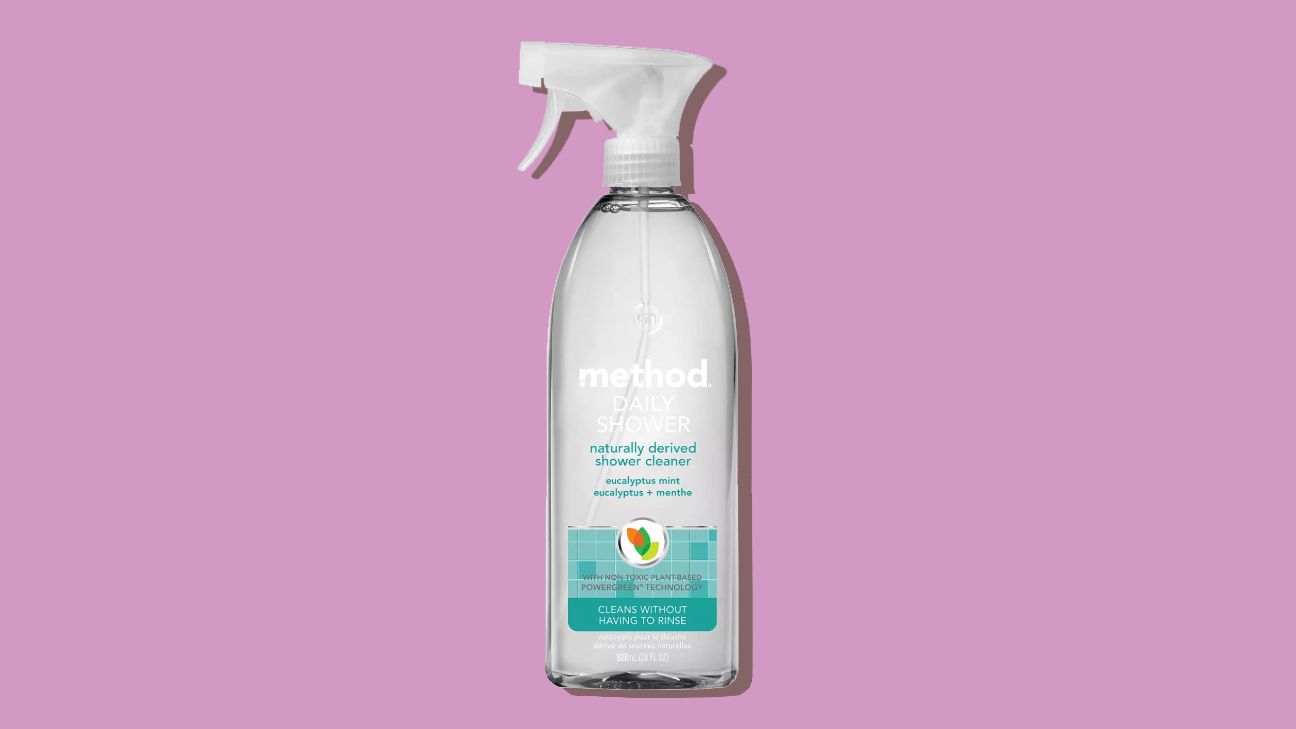
While surfaces are still damp, lightly spray your walls, door, and tub with a daily shower cleaner. These products (and DIY versions) are designed to be left onno rinsing or scrubbing necessary. They help dissolve residue and keep soap scum, mildew, and water spots from sticking in the first place.
If you prefer a homemade option, you can mix white vinegar with water and a bit of dish soap or essential oils, which many cleaning experts recommend for breaking down soap scum and hard water buildup.
4. Ventilate Like a Pro
Turn on the exhaust fan for at least 15–20 minutes after each shower, or crack a window and leave the shower curtain or door open to let moisture escape. Home and cleaning experts regularly emphasize that moisture is a key factor in mildew and mold growth, so getting the bathroom dry quickly is essential.
Bonus: a dry bathroom also means fewer weird smells and less dust clinging to damp surfaces.
Your Weekly 5–10 Minute Mini-Reset
Daily micro-tasks keep things under control, but a quick weekly reset keeps your shower looking truly fresh without turning into a chore you dread.
Spot-Treat Soap Scum and Trouble Zones
Once a week, spray a dedicated cleaner or DIY mix (such as a 50/50 blend of vinegar and dish soap) on any spots that look cloudy or grimyoften around the faucet, where water hits, or where shampoo sits. Let it sit for 10–15 minutes, then wipe with a non-scratch sponge or microfiber cloth and rinse.
This light weekly attention prevents soap scum from becoming a thick, stubborn layer that requires serious elbow grease.
Refresh the Floor and Drain
Pick up any stray hair from the drain or floor (sorry, but it has to be done). If the floor feels slick, lightly scrub it with your leftover cleaning solution and rinse. Keeping the drain clear not only looks better but also prevents standing water, which encourages slime and mildew.
Wash the Curtain, Liner, and Bath Mat on a Schedule
Textiles in the bathroom hold onto moisture, body oils, and soap residue. Many home experts suggest washing bath mats weekly and shower curtains or liners every month or so, depending on how often you shower. Hanging towels and mats so they dry fully between uses also helps reduce musty odors and mildew.
Pro tip: choose a fabric or washable plastic liner and toss it into the washing machine with towels, plus a bit of vinegar, to freshen it up.
DIY vs. Store-Bought: What’s the Lowest Effort?
You’ve got options when it comes to daily shower sprays, and both store-bought and homemade versions can be low effort if you choose wisely.
Store-Bought Daily Shower Sprays
Several brands make no-rinse daily shower cleaners that are specifically designed to prevent soap scum, mildew, and hard water stains with a simple daily spritz. Many are bleach- and ammonia-free and safe for most shower surfaces.
Pros:
- Ready to useno mixing or measuring.
- Formulas are tested for streak-free results on glass and tile.
- Often come with pleasant, light scents.
Cons:
- Ongoing cost of buying refills.
- Some fragrances or ingredients may bother sensitive skin or lungs.
DIY Daily Shower Sprays
DIY recipes commonly use white vinegar, water, and sometimes dish soap or essential oils. Cleaning educators and bloggers often share simple formulas you can mix directly in a spray bottlelike vinegar, water, and tea tree oil for a deodorizing, mildew-fighting spray.
Pros:
- Very inexpensiveuses ingredients you probably already own.
- Easy to adjust strength or scent.
- You control what’s in the product.
Cons:
- Vinegar scent isn’t everyone’s favorite (it fades as it dries).
- Not ideal for some natural stone surfaces that can be etched by acids.
For true low effort, pick one approach and stick with it. Consistency matters more than the exact recipe.
Low-Effort Habits That Make a Big Difference
Beyond sprays and squeegees, a few everyday tweaks help your shower stay cleaner with almost no extra work.
Switch to Body Wash or Liquid Soap
Traditional bar soaps often contribute more to soap scum because of their fatty acids and the way they interact with hard water. Some experts suggest that liquid body wash or “soap-free” cleansers can reduce residue on shower surfaces.
If you love bar soap, consider placing it on a well-draining soap dish so it doesn’t sit in a puddle and create slime.
Declutter Your Shower Products
The more bottles you have, the more sticky rings, drips, and grime you’ll find on shelves. Keep only what you actually use, and store backups in a cabinet. Fewer items mean fewer surfaces to wipe and fewer things to knock over during your daily rinse.
Handle Textiles the Smart Way
Instead of tossing damp towels on the floor or folding them into a humid corner, hang them fully open on hooks or bars. Spread bath mats between uses so they dry faster. Home guides frequently warn that damp textiles are a breeding ground for odor-causing bacteria and can make your bathroom feel dirty even when surfaces are clean.
If Your Shower Already Looks Scary, Start Here
If your shower is currently… not its best, don’t panic. You don’t have to fix it in one heroic afternoon. But you will want one reasonably solid “reset” before your low effort maintenance plan can work well.
- Do one focused deep clean. Use a soap-scum-cutting cleaner or a vinegar-and-baking-soda combo to tackle glass, tile, and fixtures. Let products sit long enough to work before scrubbing.
- Rinse thoroughly and dry. After the deep clean, rinse everything, squeegee, and dry fixtures and shelves with a microfiber cloth.
- Set up your tools. Hang your squeegee, stash your daily spray, and get a drain cover in place.
- Start the daily routine immediately. Even if you don’t manage a perfect weekly reset, that 30–60 second post-shower routine will keep things from sliding back as quickly.
Think of it as “hitting reset” and then switching your cleaning style from crisis management to maintenance mode.
Real-Life Low Effort Shower Cleaning Experiences (500+ Words)
On paper, daily habits sound great. In real life, you’re rushing to get to work, trying to keep kids from launching shampoo bottles, or just trying to remember if you already washed your hair. So what does this low effort shower routine look like in practice?
Many people who swear by daily shower sprays say the real game-changer isn’t the productit’s the habit. They hang the bottle and squeegee right beside the showerhead. The moment they turn off the water, they grab the squeegee almost without thinking, swipe the glass a few times, spritz everything, and get out. It takes less than a minute, and they notice that they don’t have to “scrub day” nearly as often.
One common experience: people who used to dread cleaning the shower suddenly realize they’re just doing tiny bits all the time. Instead of watching soap scum creep up the walls, they see water beading and rolling off, with little to no film. When they finally do a deeper clean, it feels more like a quick polish than a full-on workout.
Another recurring theme from cleaning pros and everyday users alike is the power of the squeegee. Some folks joke that they became “squeegee evangelists” after seeing how much it cut down on hard water spots on glass doors. A few passes after each shower mean they’re no longer fighting that cloudy, chalky haze that used to show up after a week or two.
People who live in hard water areas especially notice the difference. Instead of needing strong, chemical-heavy descalers, they can often get by with gentler cleaners or DIY mixes, simply because the mineral deposits never get the chance to build up into cement-like layers.
Real Simple, Southern Living, and other home-focused outlets echo what everyday users share online: routines you can stick with matter more than perfection. If you commit to just one or two micro-taskslike squeegeeing and turning on the exhaust fanyou’ll see noticeable improvements even if you skip the daily spray sometimes.
There’s also the “clean while you’re already in there” trick that some professional cleaners recommend. Instead of scheduling a separate shower-cleaning session, you keep a scrub sponge or cleaning cloth handy. Once a week, while your conditioner is doing its thing, you quickly scrub the corners, shelves, and faucet area, then rinse everything off before you step out. You’re not adding any extra time to your dayyou’re just multitasking in a way that future-you will appreciate.
People who embrace this habit often describe a shift in mindset: the shower isn’t something that goes from clean to dirty in big jumps; it’s just a space that gets a little bit of care every day. That mental reframe alone can make cleaning feel a lot less overwhelming.
Finally, there’s the very relatable experience of “resetting” a neglected shower. Many folks share that they let their shower get pretty rough before changing their habitsa full deep clean with vinegar, dish soap, or a commercial soap-scum remover, some serious scrubbing, and then a vow to never let it get that bad again. Once they pair that hard reset with simple daily tasks, they’re surprised at how easy maintenance becomes.
If you’ve ever looked at your shower and felt defeated, you’re in good company. But you don’t need a personality transplant to keep it cleanyou just need a tiny kit in the shower, a simple sequence (rinse, squeegee, spray, ventilate), and a willingness to spend 30 seconds now to save 30 minutes later. Your future self, stepping into a clean, fresh shower instead of a grimy one, will thank youpossibly out loud.
Conclusion: Small Daily Moves, Big Clean Payoff
Keeping your shower clean daily doesn’t require perfection, complicated products, or a ton of time. By combining a few low effort habitsrinsing the walls, running a squeegee, spritzing a daily cleaner, and ventilating the roomyou make it hard for soap scum, hard water, and mildew to stick around. Add a short weekly reset and smart choices like fewer products and drier towels, and you’ve built a system that quietly takes care of itself.
Start with the easiest habit for youmaybe just the squeegee or a quick sprayand build from there. A cleaner, fresher shower is just a few small daily moves away.