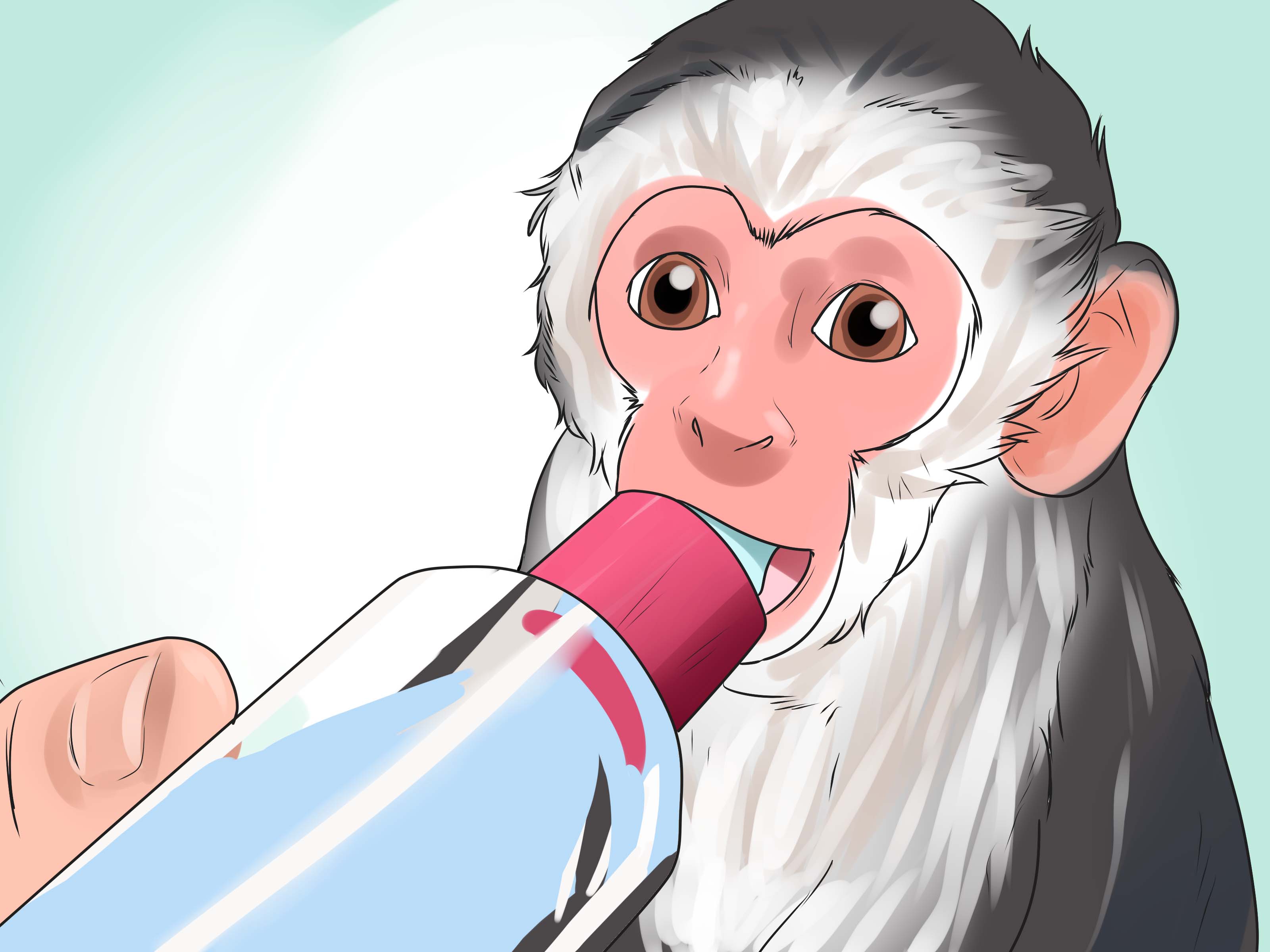

Capuchin monkeys look like they were designed by a Hollywood casting director: expressive face, clever hands, and the kind of “I definitely
understand what you’re saying” eye contact that makes people swear they’re basically tiny, furry roommates.
But here’s the not-so-cute part: capuchins are wild animals with complex social, physical, and psychological needs that are
extremely hard (often impossible) to meet in a typical home. In the U.S., laws are also a patchworksome places ban private primate ownership,
others require permits, and federal rules restrict importation and certain forms of commerce. This guide doesn’t help you “get around” any of
that. Instead, it lays out the realitylegal, ethical, logistical, and financialso you can make a responsible decision.
If you’re still reading, good. That means you’re doing the first responsible thing: research.
Before Anything Else: Ask the Two Big Questions
1) Can you legally keep a capuchin monkey where you live?
“But I saw someone on TikTok with one!” is not a legal standard. Capuchin ownership can be restricted by state law,
county rules, city ordinances, and even housing policies (HOAs, landlords, insurance).
If your plan relies on “nobody will know,” stop. That’s how animals end up confiscated and bounced between facilitiesor worse.
2) Even if it’s legal… can you meet the animal’s welfare needs for decades?
Capuchins are intensely intelligent and social. In professional settings, they require structured enrichment, safe containment, trained handlers,
and specialized veterinary care. In a home setting, many owners underestimate what “smart” really means. You’re not adopting a quirky pet;
you’re signing up for a full-time, long-term husbandry project with teeth.
The Honest Reality: Capuchins Don’t Stay “Cute Baby” Forever
The viral videos usually feature infants or juveniles. But capuchins mature, develop strong preferences, and can become aggressiveespecially
during adolescence and adulthood. They can bite, scratch, lunge, and use those clever hands to open doors, unlatch locks, and dismantle
anything you foolishly assumed was “monkey-proof.”
Also: lifespan. In captivity, capuchins may live for several decades. Some sources cite ranges into the 40s, and long lifespans aren’t unheard
of in well-managed captive care. That means you are planning not for “a pet,” but for a multi-decade responsibility that may outlast
jobs, relationships, mortgages, and your ability to lift heavy enclosure panels without making a noise like a haunted accordion.
U.S. Laws and Permits: What You Need to Understand (Without the Legal Gymnastics)
Laws change, and enforcement varies, so treat this as a frameworknot legal advice. In general, you’ll need to research:
- State rules (some states ban primates entirely; others require permits; some regulate by species).
- Local ordinances (cities/counties may prohibit “dangerous” or “wild” animals even if the state doesn’t).
- Animal control and public health requirements (reporting, inspections, disease controls).
- Federal rules related to importation and certain activities involving nonhuman primates.
Importation isn’t your loophole
In the U.S., imported nonhuman primates are regulated, and importation for the pet trade is not allowed. Even offspring of imported animals
have restrictions related to pet use. If someone tells you “It’s fine, it’s imported,” that’s a red flag, not reassurance.
USDA rules may apply depending on what you do
People assume “USDA stuff is for zoos.” Not always. If you breed, sell, exhibit, broker, or transport animals in certain regulated ways,
you may fall under federal oversight. The point here isn’t to scare youit’s to highlight that a monkey can pull you into a regulatory world
most pet owners never deal with.
Bottom line: call your state wildlife agency (or equivalent), check local ordinances, and confirm requirements in writing. If you can’t get
clear legal permission, the ethical answer is simple: don’t do it.
Costs: The Part People “Forget” Until Their Bank Account Screams
Keeping a capuchin monkey as a pet is expensive in ways that don’t show up in the purchase price. Major cost categories include:
1) Safe housing (the enclosure is the “real” purchase)
A proper primate enclosure needs secure materials, redundant locks, climbing structures, weather protection, and safe separation zones for
cleaning and feeding. If your setup looks like “a big bird cage,” it’s not a capuchin enclosure.
2) Veterinary care (specialists, not just “any vet”)
You’ll need an exotics veterinarian experienced with nonhuman primates. Routine exams, diagnostics, parasite screening, and emergencies can
be costly. And emergencies happenbites, broken nails, intestinal issues, trauma, stress-related illness.
3) Daily enrichment and consumables
Capuchins need constant mental engagement: puzzle feeders, destructible foraging materials, rotating enrichment objects, safe chew items,
and structured training time. This is not optional “extra.” For many primates, enrichment is a welfare requirement.
4) Insurance and housing complications
Some insurers and landlords won’t allow primates. Even if your state allows it, you may find your living situation does not.
If you’re looking for a simple number: assume the “true cost” is comparable to running a specialized animal care setup for decades, not the
cost of owning a dog. If that feels vague, that’s because real costs vary wildlybut they are rarely “cheap.”
Housing: What a Humane Capuchin Setup Should Include
A capuchin needs space to climb, explore, forage, retreat, and feel secure. In professional animal care standards, nonhuman primates require
attention to structural complexity, sanitation, temperature, and safety.
Core enclosure principles
- Redundant containment: think double-door entry (“airlock” style) to prevent escapes.
- Lock security: capuchins can manipulate latches; use primate-appropriate locks and consider secondary barriers.
- Vertical space: climbing is life. Platforms, ropes, branches, swings, and perches should be varied and rotated.
- Indoor/outdoor options: weather-safe shelter and climate control where needed.
- Safe separation: a way to shift the animal so you can clean without direct contact.
- Enrichment built-in: mount points for puzzles, feeders, browse, and destructible materials.
Sanitation without turning the home into a biohazard
Primates can be messy. Many pet owners resort to diapers, which can create hygiene and skin issues if used improperly. A better approach is
designing the enclosure and routines around easy cleaning, safe substrate choices, and protected feeding areas.
Diet: Feeding a Capuchin Isn’t “Fruit and Vibes”
Wild capuchins eat a varied diet (fruits, insects, plant material, nuts, and more). In captivity, diets often rely on a nutritionally balanced
primate chow as a foundation, plus carefully selected fresh foods and enrichment feeding.
Practical diet structure
- Base diet: formulated primate diet/monkey chow (as recommended by your primate-experienced veterinarian).
- Fresh produce: a rotation of vegetables and some fruit (fruit can be high in sugarportion matters).
- Protein variety: veterinarian-approved sources; insects are sometimes used as enrichment in professional settings.
- Foraging enrichment: hide food in puzzle feeders, scatter in safe bedding, or use timed feeders to mimic natural behavior.
- Clean water: always available, with containers designed to reduce tipping/contamination.
A common mistake is overfeeding sweet fruit and snacks because the monkey “likes it.” That’s like feeding a toddler only birthday cake
because it makes them smile. You want long-term health, not short-term applause.
Veterinary Care and Zoonotic Risk: The Health Part People Don’t Want to Talk About
Nonhuman primates can carry pathogens that affect humans, and humans can also transmit diseases to primates. Public health agencies warn about
risks from bites, scratches, and bodily fluidsespecially for children, older adults, pregnant people, and immunocompromised individuals.
What responsible care looks like
- Establish a relationship with an exotics vet before you have an animal.
- Routine screening (parasites, fecal testing, and other vet-directed monitoring).
- Quarantine protocols for any new primate entering a facility-like environment (your vet can advise).
- Bite/scratch plan: immediate medical attention and reporting if required.
- Household rules: no casual “meet the monkey” sessions; minimize risky contact and keep the public away.
In short: you’re not just caring for a pet; you’re managing a small “One Health” situation where animal health and human health are tightly
linked. If that sounds intense, that’s because it is.
Behavior, Social Needs, and Training: Smart Animals Get BoredThen They Get Creative
Capuchins are problem-solvers. If you don’t provide safe outlets, they’ll invent their own entertainment. Unfortunately, that entertainment
might be: shredding drywall, unlocking cabinets, tossing objects, or deciding your ear looks biteable today.
Social needs
Capuchins are social animals. In the wild they live in groups. Social isolation is a welfare issue and can contribute to stress behaviors.
Many private homes cannot provide appropriate social housing safely and humanely.
Training basics (humane and realistic)
- Use positive reinforcement: reward desired behaviors with vet-approved treats, praise cues, or preferred activities.
- Keep sessions short: multiple mini-sessions work better than one long battle of wills.
- Train cooperative care: targeting, stationing, and calm acceptance of routine handling can reduce stress.
- Avoid punishment: it increases fear and aggression and can worsen biting.
The goal isn’t to “make the monkey behave like a human child.” The goal is to create predictable routines and safe handling patterns that reduce
stress and conflict.
A Realistic Daily Schedule (Yes, Daily)
If you’re picturing a capuchin hanging out while you work from home, here’s a more realistic outline for welfare-focused care:
- Morning: health check (appetite, stool, behavior), enclosure inspection, fresh water, structured feeding.
- Mid-morning: enrichment rotation (puzzles, foraging, climb challenges), short training session.
- Midday: produce portion + browse/forage activity, supervised time in a safe primate-proof area (if available).
- Afternoon: second training session (cooperative care skills), social engagement (species-appropriate, not “party tricks”).
- Evening: cleanup, secure bedding/retreat space, quiet wind-down routine.
Now multiply that by decades. That’s the commitment.
Public Interaction, Travel, and the “Service Animal” Myth
Capuchins are sometimes portrayed as “assistive” animals in pop culture. But in reality, nonhuman primates as household companions bring major
safety and welfare concerns. Taking a monkey into public spaces can put the animal and the public at risk, and may violate local rules.
If your motivation includes “I want to take it places,” pause. Ethical primate care prioritizes low-stress environments and controlled exposure,
not errands and photo ops.
If You Already Have a Capuchin Monkey: Harm Reduction and Welfare Upgrades
Maybe you inherited one, rescued one, or made a decision years ago and now realize the situation is bigger than expected. The most responsible
next steps are:
- Vet assessment: full checkup with an exotics vet experienced in primates.
- Enclosure upgrade: prioritize safety, space, climbing complexity, and separation areas.
- Enrichment plan: rotate items weekly; build foraging into every feeding opportunity.
- Reduce risky contact: no public handling, no casual visitors, strict bite prevention rules.
- Plan B: identify accredited primate sanctuaries and understand surrender processes early.
Never release a captive primate outdoors. It’s dangerous, illegal in many places, and usually fatal for the animal.
The Responsible Alternative: Support Primates Without Owning One
If what you really love is primatestheir intelligence, their social lives, their weird little handsthere are better options than private
ownership:
- Sponsor a sanctuary primate and help fund lifelong care.
- Volunteer (where permitted) with accredited wildlife or primate organizations.
- Visit accredited zoos or sanctuaries that prioritize welfare and education.
- Choose a domesticated companion animal if what you want is a bonded pet relationship.
The most “pro-primate” choice is often the one that keeps primates out of private living rooms.
Experience Notes: What Long-Term Caretakers and Owners Commonly Report (Reality Check, ~)
I don’t have personal pet ownership experiences (and you shouldn’t trust anyone on the internet who claims they “handled it perfectly” with zero
downsides). But across veterinarians, sanctuary professionals, and long-term caretakers, a pattern shows up again and againespecially with
capuchins.
First comes the honeymoon phase. A young capuchin may cling, cuddle, and appear “trained” because babies are dependent and the
environment is still new. People describe it as living with a tiny toddler who can climb and make adorable facial expressions. That’s the phase
social media loves.
Then reality grows teethsometimes literally. As capuchins mature, caretakers commonly report boundary testing: grabbing items,
refusing to return to the enclosure, throwing objects, and escalating nips that become more serious. They’re not being “mean.” They’re being
intelligent animals with agency, strength, and stress triggers.
A frequent surprise is jealousy and attachment conflict. Capuchins may bond strongly with one person and react negatively to
others, including spouses, roommates, or children. Some caretakers describe behavior changes around big life shifts: a new baby, a new partner,
a move, or even a change in work schedule. The monkey doesn’t understand your calendarit just experiences disrupted routine and competing
attention.
Another common report: the home becomes “the enclosure”. Even with a dedicated primate space, capuchins can damage walls,
flooring, furniture, and wiring. Owners often describe spending as much time designing safety systems (locks, barriers, double doors) as they do
enjoying companionship. If you’re the kind of person who loves projects, that can feel manageable. If you just wanted a pet, it turns into a
lifestyle overhaul.
Caretakers also talk about the emotional weight of it. People can adore the animal and still feel trapped by the responsibility.
Travel becomes hard. Finding a sitter is difficult because most people are not trainedor willingto manage a primate safely. Housing options
shrink, and veterinary access can be limited depending on your area.
Finally, there’s the issue nobody wants to plan for: rehoming. Sanctuaries are often full. Ethical placements are limited.
Owners may discover that the animal’s needs exceed what they can provide long before the animal reaches old age. That’s why professionals
emphasize planning for decadesbecause the hard part isn’t getting a capuchin. The hard part is keeping the animal healthy, enriched, and safe
for the rest of its life.
Conclusion: If You Want to Do Right by a Capuchin, Be Brutally Honest
“How to keep capuchin monkeys as pets” sounds like a simple how-to search. In real life, it’s a question about legality, ethics, public health,
and whether a private home can meet a wild animal’s needs for decades. For most people, the most humane answer is not ownershipbut support:
sanctuaries, conservation, and education.
If you’re determined to proceed, do it only with clear legal permission, professional veterinary guidance, and a facility-level commitment to
housing, enrichment, and safety. Anything less risks harm to the animal and the humans around it.