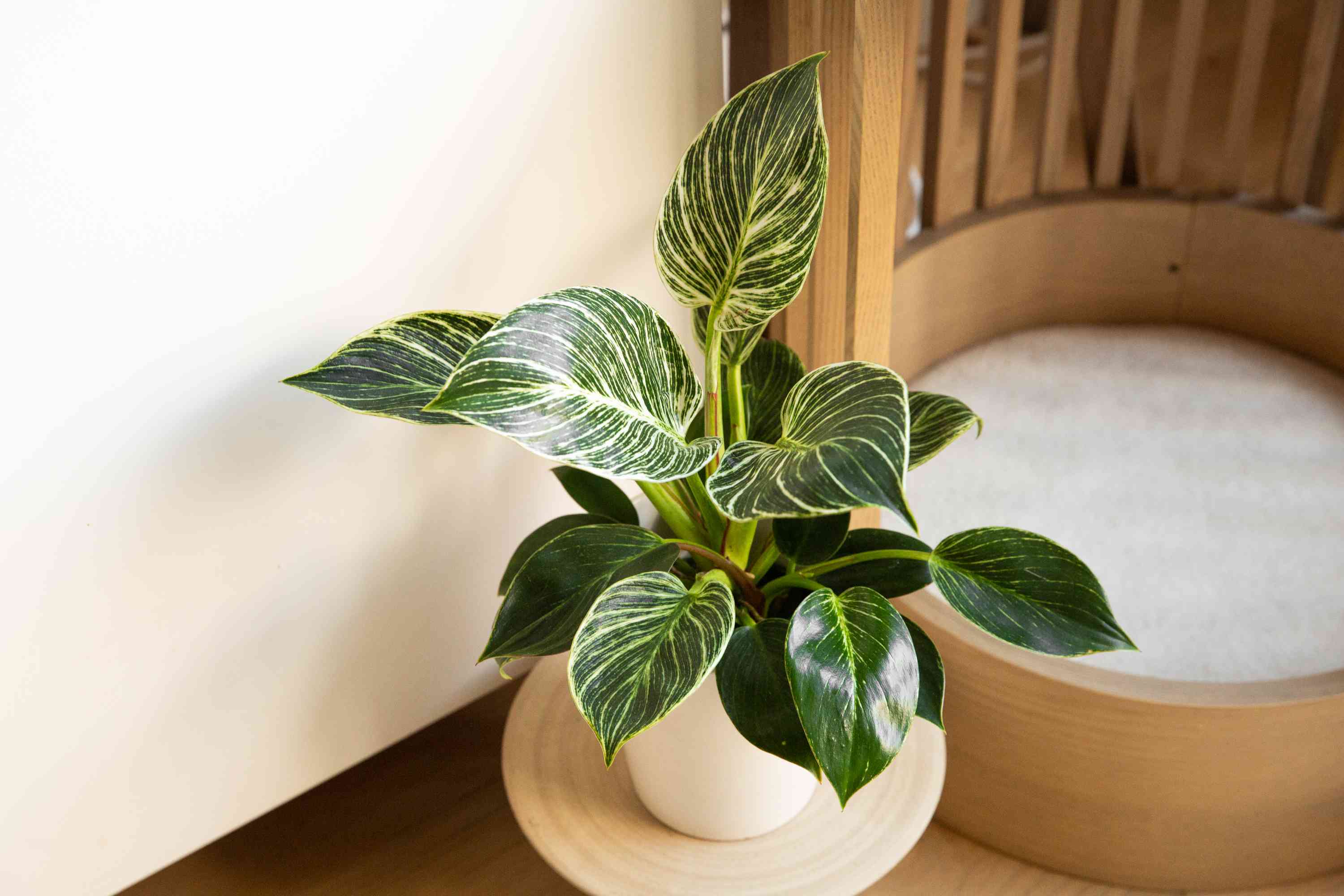

Philodendron Birkin is the houseplant equivalent of showing up to brunch in a tailored pinstripe suit: it looks fancy,
but it’s not actually high-maintenanceunless you make it high-maintenance. Give it the right light, don’t drown it,
and it will keep serving creamy stripes like it’s auditioning for a plant fashion show.
This guide covers everything you need to know to grow and care for Philodendron Birkin indoorslight, watering, soil,
humidity, fertilizing, pruning, repotting, propagation, pest control, and the big question every Birkin owner asks:
“Why is my pinstripe plant trying to turn green on me?”
Philodendron Birkin at a Glance (Quick Facts)
- Common name: Philodendron Birkin (often called “Birkin philodendron” or “pinstripe philodendron”)
- Look: Glossy green leaves with cream-to-white pinstripes (variegation can shift with conditions)
- Growth habit: Compact, upright, and generally slow-growing indoors
- Light: Medium to bright indirect light is the sweet spot
- Water: Water when the top layer of soil driesavoid soggy soil
- Pet safety: Toxic if chewed (keep away from pets and small kids)
Light: The “Pinstripe Maintenance Plan”
If Philodendron Birkin had a love language, it would be bright, indirect light. Light affects both growth rate
and how crisp your variegation looks. Too little light can lead to slower growth and greener leaves; harsh direct sun
can scorch the foliage.
Where to place it (windows, distance, and grow lights)
- Best spot: Near an east- or north-facing window, or a few feet back from a bright south/west window with a sheer curtain.
- Rotate weekly-ish: Turn the pot a quarter turn so it grows evenly instead of leaning like it’s trying to escape your bookshelf.
- Grow light option: If your space is dim, a simple LED grow light can help maintain stronger striping and tighter growth.
Signs your Birkin wants a light adjustment
- Too much light: Pale patches, crispy edges, or “sunburn” spots (often after direct afternoon sun).
- Too little light: Smaller new leaves, slower growth, longer gaps between leaves, and less defined striping.
Watering: Keep It Moist (Not Soggy, Not Dusty)
Most Birkin drama comes from watering. The goal is a gentle rhythm: water thoroughly, then let the top portion of the
potting mix dry before watering again. Think “tropical forest floor,” not “swamp” and not “desert cosplay.”
The simplest watering method (no calendar required)
- Stick your finger into the soil about 1 inch deep.
- If it feels dry at that depth, it’s time to water.
- If it still feels damp, wait a few days and check again.
How to water correctly
- Water deeply: Pour until water runs out the drainage holes.
- Dump excess water: Never let the pot sit in a puddle in the saucer or cachepot.
- Season matters: Expect to water less in winter (lower light + slower growth = slower drying).
Common watering mistakes (and fast fixes)
-
Overwatering signs: Yellowing leaves, limp stems, sour-smelling soil, fungus gnats, or mushy roots.
Fix: Let the soil dry more between waterings, improve airflow, and consider repotting into fresh, airy mix if the soil stays wet too long. -
Underwatering signs: Droopy leaves, curling edges, dry potting mix pulling away from the pot.
Fix: Water thoroughly. If the soil is extremely dry and hydrophobic, bottom-water the pot for 20–30 minutes, then drain well.
Soil: The Right Mix Prevents 80% of Problems
Philodendron Birkin wants a potting mix that holds some moisture but drains fast and stays airy. Dense, water-holding
soil is a shortcut to root rot, especially indoors where evaporation is slower.
An easy “Birkin-friendly” potting mix recipe
- 2 parts quality indoor potting mix
- 1 part perlite (for drainage and oxygen)
- 1 part orchid bark (for chunkiness and airflow)
If you want to level up: a small amount of coco coir or peat can help moisture retention, and a sprinkle of horticultural
charcoal can reduce funkiness. The key is still the sameair pockets for roots.
Temperature and Humidity: Tropical Vibes, Regular Apartment Reality
Birkin is happiest in typical indoor temperatureswarm, steady, and away from cold drafts. For humidity, it appreciates
a little extra, but it can still do well in average homes if your watering and soil are on point.
What “ideal” looks like
- Temperature: Aim for about 65–85°F. Avoid cold windows in winter and blasting HVAC vents.
- Humidity: Moderate humidity (roughly 50–60% is often cited as ideal), but many homes run lowerfocus on consistency.
Easy humidity upgrades that actually work
- Humidifier: The most reliable option for keeping leaves happy.
- Group plants together: A mini “plant neighborhood” raises local humidity slightly.
- Pebble tray: Can help a bit (especially in small spaces), as long as the pot isn’t sitting directly in water.
A quick myth-buster: misting can make leaves look refreshed, but it usually doesn’t raise humidity for long. Also,
constantly wet leaves can invite fungal issuesso don’t treat misting like a required daily ritual.
Fertilizer: Feed Lightly, Not Like You’re Training It for the Olympics
Philodendron Birkin isn’t a heavy feeder. Too much fertilizer can cause salt buildup and crispy leaf edges. A modest,
consistent approach works best.
Simple fertilizing schedule
- Spring through early fall: Feed every 4–6 weeks with a balanced houseplant fertilizer diluted to half strength.
- Late fall and winter: Pause or reduce feeding (growth slows with less light).
If you notice white crust on the soil or pot rim, that’s often mineral or fertilizer salt buildup. Flush the soil by
watering thoroughly and letting it drain completely, or refresh the top inch of soil.
Pruning, Cleaning, and Shaping (Yes, Your Plant Likes a Little Grooming)
Pruning a Birkin is mostly about removing older leaves, damaged foliage, or stems that are growing awkwardly. Cleaning
leaves also matters more than people thinkdust reduces how efficiently leaves photosynthesize.
Quick care habits that make a visible difference
- Wipe leaves: Use a soft damp cloth (support the leaf with your other hand).
- Remove yellow leaves: Snip close to the base with clean scissors.
- Rotate the pot: Helps keep the plant symmetrical and prevents “one-sided window worship.”
Variegation and Reversion: Why Your Birkin Might Go Green
Birkin is famous for pinstripesbut the stripes aren’t a permanent tattoo. The plant’s variegation can shift, and some
stems can produce greener leaves (sometimes called “reverting”). Light plays a big role, but genetics do too.
What causes weaker striping?
- Low light: The plant prioritizes chlorophyll (more green) to capture more light.
- Fast growth conditions: Sometimes rapid new growth shows less striping at first.
- Genetic variability: Birkin is associated with mutation/instability, so occasional odd leaves can happen.
How to handle “reverting” growth (without panicking)
- Step 1: Improve light (bright, indirect) and give it a few weeks.
-
Step 2: If a stem consistently produces solid green leaves, you can prune that stem back to encourage
striped growth elsewhere. - Step 3: Save the cutting if you wantgreen growth can still be a healthy, attractive plant.
Also note: new leaves can emerge more green and develop clearer striping as they harden off. Give fresh growth time
before you judge it like a plant critic on a reality show.
Repotting: When to Do It and How to Avoid the “Post-Repot Sulk”
Birkin generally doesn’t need constant repotting. Repot only when it’s truly root-bound (roots circling the pot or
poking out drainage holes, water rushing straight through, or the plant drying out unusually fast).
Repotting steps
- Choose a pot only 1–2 inches wider than the current one (oversized pots hold too much water).
- Use fresh, airy potting mix.
- Gently loosen circling roots, but don’t aggressively tear them apart.
- Water once after repotting, then let the plant settle.
After repotting, slight droop for a few days can be normal. Keep the plant in bright, indirect light, avoid heavy
fertilizing for a few weeks, and let it adjust.
Propagation: How to Multiply Your Birkin (Without Summoning Chaos)
Philodendron Birkin can be propagated through stem cuttings. The key word is node. If there’s no node,
there’s no new growthjust a very optimistic leaf in a jar.
Step-by-step stem cutting method
- Pick a healthy stem section with at least one node (and ideally an aerial root nub).
- Cut with clean shears just below the node.
- Place the cutting in water or a moist medium (like sphagnum moss or perlite).
- Keep it warm with bright, indirect light; refresh water regularly if using water propagation.
- Pot up once you have a small network of roots (not just one skinny root).
Propagation troubleshooting
- Cutting turns mushy: Too cold, too wet, or bacterial rot. Cut away rot, sanitize tools, try again in cleaner water/medium.
- No roots after weeks: Usually low light or low warmth. Increase brightness (indirect) and keep temps steady.
- Leaves droop after potting: Transition shockkeep soil lightly moist and humidity a bit higher for a short time.
Pests and Problems: What to Watch For (and What to Do)
A healthy Birkin is fairly resilient, but common houseplant pests will absolutely RSVP if conditions are right (especially
dry air + dusty leaves + “I forgot to check for three weeks”).
Common pests
- Spider mites: Fine webbing, speckled leaves. Increase humidity and wipe leaves; treat with insecticidal soap as needed.
- Mealybugs: White cottony clusters. Remove with alcohol-dipped cotton swabs; follow up with a gentle treatment.
- Aphids: Often on tender new growth. Rinse off and treat early.
- Fungus gnats: Usually a sign of consistently wet soil. Let soil dry more between waterings and improve drainage.
Most common care issues (and what they usually mean)
- Yellow leaves: Often too much water or too little light (check soil moisture first).
- Brown tips: Dry air, inconsistent watering, or fertilizer salts. Adjust and flush soil if needed.
- Leaf curl: Underwatering, cold drafts, or very low humidity.
- Soft stems + bad smell: Root rotact fast: trim rot, repot into airy mix, reduce watering.
Is Philodendron Birkin Toxic? Pet and Kid Safety
Yeslike many philodendrons, Birkin is considered toxic if chewed because it contains insoluble calcium oxalate
crystals. For homes with curious pets or toddlers, place it out of reach (high shelf, plant cabinet, or a room that
stays closed).
If a pet bites the plant, signs can include mouth irritation, drooling, and pawing at the face. When in doubt, contact
your veterinarian or a pet poison helpline promptly.
FAQ: Quick Answers for Everyday Birkin Questions
How big does Philodendron Birkin get?
Indoors, Birkin typically stays compact compared to many climbing philodendrons. With good care, it can become a
fuller floor-plant over time, but it’s not usually a “take over your living room” type.
Can Philodendron Birkin live in low light?
It can survive in lower light, but growth slows and variegation often fades. If you want crisp pinstripes, give it
medium to bright indirect light.
Do I need a moss pole?
Usually no. Birkin is generally more self-supporting and upright than many vining philodendrons. If it gets top-heavy,
a discreet stake can help, but it’s not a must.
How often should I water?
There’s no one-size schedule. Water when the top inch (or two) of soil is dry, then water thoroughly and drain.
Your home’s light, temperature, and pot size will change the timing.
Real-World Grower Notes (Extra Experience-Based Tips)
People who grow Philodendron Birkin long-term tend to report the same “aha” momentslittle practical discoveries that
don’t always show up in short care blurbs. If you want your plant to look consistently good (not just “alive”), these
experience-based tips can save you weeks of guesswork.
First, most growers notice that Birkin reacts more to light consistency than to almost anything else.
A plant that sits in bright, indirect light for months usually develops tighter growth and more reliable striping.
Move that same plant to a dim corner and the change is gradual but obvious: new leaves arrive smaller, the spacing
between leaves stretches, and the pinstripes can soften. It’s not that the plant is being “difficult”it’s simply
optimizing for survival. The practical takeaway: if you’re chasing that crisp pinstripe look, treat light like a
long-term habit, not a temporary fix.
Second, many Birkin owners learn the hard way that watering is a pot-and-soil equation, not a weekly ritual.
In a chunky, well-draining mix, you can water thoroughly without fearbecause oxygen stays around the roots. In a dense
mix, the same watering routine can keep roots wet for too long, leading to yellow leaves and fungus gnats. A common
“grower upgrade” is switching to a more airy mix and using a pot with reliable drainage. Once that’s done, the plant
often becomes dramatically easier: fewer mystery yellow leaves, less droop, and fewer pest flare-ups.
Third, experienced growers often point out that Birkin has a personality quirk: new leaves can be misleading.
A fresh leaf may emerge more green, then develop clearer striping as it hardens. This is why many people stop
overreacting to every single new leaf after they’ve lived with the plant for a season. If the plant is healthyupright
stems, firm leaves, steady growthgive it time before you start “correcting” everything. Over-correcting (moving it
daily, changing watering constantly, swapping fertilizers every two weeks) is a surprisingly common reason Birkins
look stressed.
Fourth, growers who keep their Birkin looking sharp often practice a simple routine: rotate, wipe, inspect.
Rotating prevents leaning. Wiping keeps leaves glossy and functional. Inspecting (especially the undersides of leaves)
catches pests early, when treatment is quick and gentle. This is one of those unglamorous habits that turns “plant
ownership” into “plant confidence.”
Finally, the reversion conversation is real. Many people have seen a Birkin push out a stem with greener leaves and
worry they’ve “ruined” the plant. In practice, seasoned growers treat it like selective editing: if one stem is
consistently producing solid green leaves, they prune it back and focus on improving light. Some even root that green
cutting as a separate plant. The mindset shift is helpful: a Birkin doesn’t have to be perfect to be beautiful, and
odd growth doesn’t automatically mean failure. It usually just means the plant is responding to its environmentand
you now know exactly which lever to pull.