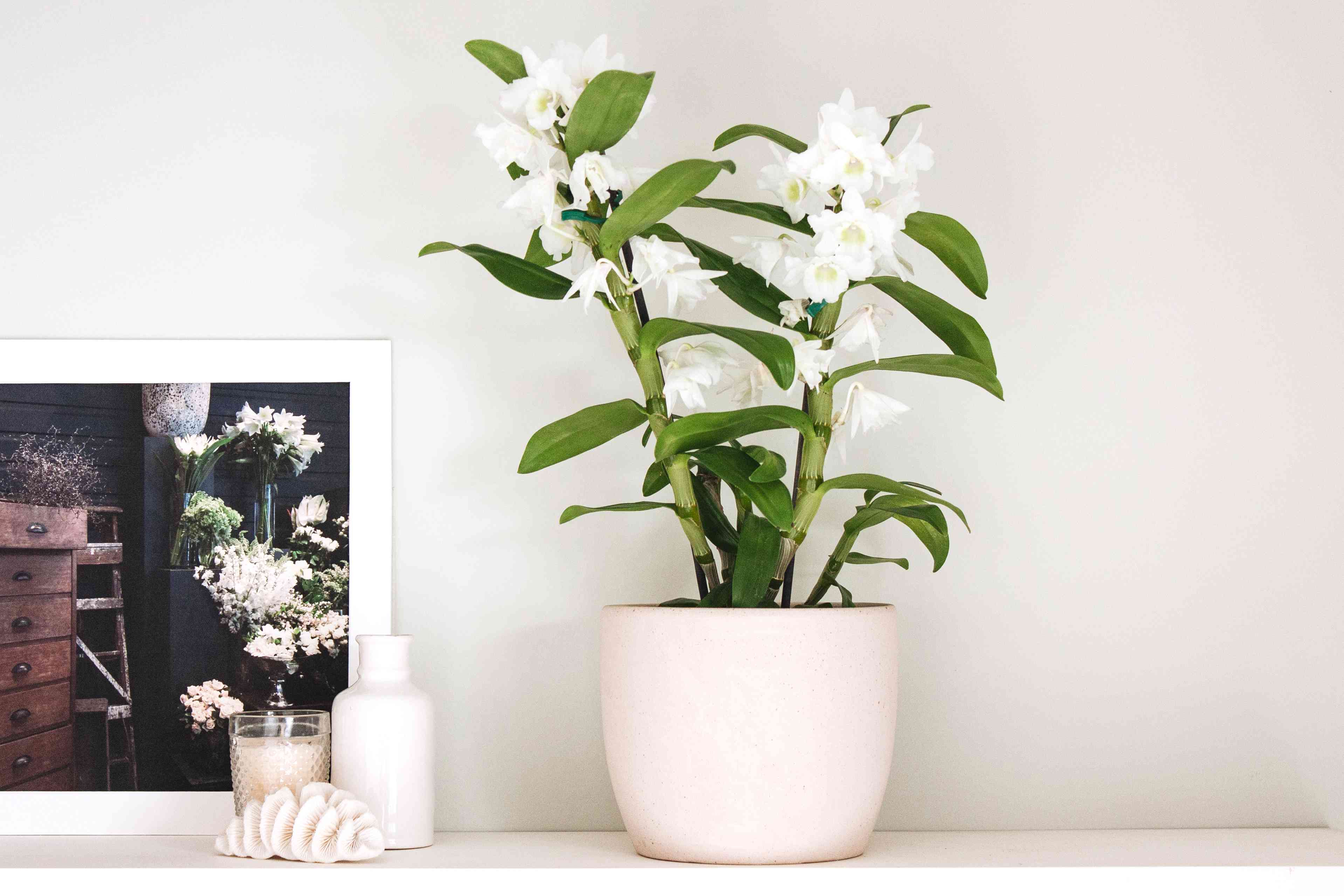

Dendrobium orchids are the kind of houseplants that make you feel like a plant genius… right up until you
water them “just to be nice” and they respond by dropping leaves like it’s a dramatic soap opera.
The good news: Dendrobiums aren’t impossible. They’re just specific. Once you match the plant’s
type to the right rhythm of light, water, and temperature, they can bloom like they’re trying to win an award.
This guide breaks Dendrobium orchid care into real-life steps you can actually follow: choosing the right
spot, watering without panic, potting mixes that don’t turn into swamp soup, and bloom tricks that make
your orchid remember it’s an orchid.
Meet the Dendrobium: A Big, Beautifully Confusing Orchid Family
“Dendrobium” isn’t one orchidit’s a huge genus with wildly different personalities. That’s why the single
best move you can make is figuring out what type you have. Many popular store-bought plants in
the U.S. fall into two beginner-friendly categories:
Phalaenopsis-type Dendrobiums (often called “Den-Phals”)
- Evergreen (usually keep leaves year-round)
- Like warm, steady care and don’t need a dramatic winter “rest”
- Often bloom from the top area of the canes with showy sprays of flowers
Nobile-type Dendrobiums
- Often semi-deciduous (may drop leaves on older canes in fall/winter)
- Need a cooler, drier seasonal rest to set buds well
- Bloom along the length of mature canes, giving that “flowers everywhere” look
If your orchid tag is long gone (classic), use these clues: Den-Phals often have leaves clustered more toward
the top of tall, upright canes, while many nobile-types carry leaves along more of the cane length and can look
a bit “reed-like.” When in doubt, treat it like a Den-Phal at first (steady warmth, bright light, careful watering),
then adjust if you notice it wants a cooler winter pause.
Light: Bright, But Not “Fry an Egg on the Leaves” Bright
Light is the engine of Dendrobium orchid care. If you do everything else right but keep the plant in a dim corner,
it will surviveand then refuse to bloom out of pure stubbornness. Most Dendrobiums want
bright, indirect light and can handle more brightness than many common moth orchids.
Best indoor window placements
- East window: Gentle morning sun. Great starting point.
- South window (filtered): Bright light with a sheer curtain. Often ideal in winter.
- West window (cautious): Hot afternoon sun can scorch leavesfilter it.
Use the leaf color “cheat code”
Orchids give you visual feedback if you know what to look for:
- Dark green leaves: Usually not enough light (common reason for “no blooms”).
- Medium grassy green: Often a sweet spot for growth and blooming.
- Yellowing or red/purple stress tones + crisp brown patches: Too much sun (sunburn).
If your home is low-light (or it’s winter and the sun disappears at 4:45 p.m.), a simple LED grow light can be
the difference between “nice leaves” and “wow, it’s blooming again.”
Temperature and Humidity: Aim for Comfortable, Not Tropical Panic
Many popular Dendrobiums do well in typical household temperatures, with a little extra attention to humidity and airflow.
Think “bright bathroom with a fan” energy, not “steamy jungle terrarium” energy.
Temperature guidelines that work for most homes
- Daytime: roughly 65–80°F is comfortable for many hybrids
- Night: a mild drop is helpful; some types bloom better with cooler nights
For nobile-types specifically, cooler nights in fall/winter can help trigger bud formation. You don’t need to
turn your living room into a ski lodgejust avoid keeping it constantly tropical.
Humidity that helps without turning your house into a swamp
- Target: around 50–60% humidity is a solid goal for many Dendrobiums.
- Use a pebble tray: Set the pot on pebbles above the water line (no “wet feet”).
- Try a small humidifier: Especially during winter heating season.
- Prioritize airflow: Humidity + still air = fungal drama.
Watering: The #1 Way We Accidentally Murder Orchids
If Dendrobiums had a motto, it would be: “I like water, but I also like breathing.”
Most Dendrobiums are epiphytes in naturegrowing on trees with fast drainage and lots of air around the roots.
So your goal is a cycle of thorough watering followed by partial drying, not constant dampness.
A watering routine that works
- Check the medium, not the calendar. Water when the top feels dry and the pot feels noticeably lighter.
- Soak and drain. Water thoroughly until it runs out the bottom, then let it drain completely.
- Morning is best. Wet leaves + cool nights can invite disease.
Adjust for your potting mix and your home
Bark-heavy mixes dry faster than moss-heavy mixes. A small pot dries faster than a big pot. A sunny windowsill
dries faster than a shaded shelf. Translation: two people can own the “same” Dendrobium and water on totally different schedules.
Seasonal watering: Den-Phal vs. Nobile
-
Den-Phal types: Often prefer more consistent moisture during active growth, letting the mix dry slightly between waterings.
Keep them warm and avoid drastic drying-out. -
Nobile types: In fall/winter, many do better with reduced watering and cooler nights to help set buds.
You’re not aiming for bone-dry miseryjust a noticeably drier rest period until buds form, then gradually resume normal watering.
The most common mistake is watering a resting orchid like it’s still in full summer growth. If the plant isn’t actively growing,
it’s sipping, not chugging.
Potting Media and Pots: Airflow Is Not Optional
Dendrobium orchid care is less about “soil” and more about building a breathable root environment. Standard potting soil is
usually too dense and water-retentive for orchids. Instead, choose an orchid potting mix designed for epiphytes.
Good potting mix options
- Chunky bark mix: Great airflow and drainage; a common go-to.
- Bark + a little sphagnum moss: Helps retain moisture if your home is dry or you forget to water.
- Add-ins like perlite or charcoal: Improve aeration and reduce compaction over time.
Choose the right pot
- Drainage holes are a must. More is better.
- Clear plastic pots (optional): Helpful for monitoring root health and moisture.
- Clay pots: Dry faster (great if you tend to overwater).
- Don’t oversize. Orchids often prefer snug pots; oversized pots stay wet too long.
If you’re repotting a store orchid, look for hidden “death plugs” (dense nursery cores) around the roots and remove them carefully.
Those little plugs can hold moisture like a sponge and start rot where you can’t see it.
Fertilizer: Feed Like a Responsible Adult, Not a Buffet Manager
Dendrobiums can grow vigorously when they’re happy, and that growth needs nutrients. The trick is giving fertilizer in a way that
doesn’t salt-burn the roots.
A simple feeding plan
- During active growth (often spring/summer): Use a balanced orchid fertilizer at low strength.
- “Weakly, weekly” works: Light doses more frequently can be easier on roots than heavy doses occasionally.
- Flush monthly: Water with plain water thoroughly to rinse fertilizer salts from the mix.
- During rest or slow growth: Reduce or pause fertilizing (especially for nobile-types in winter rest).
If your fertilizer label says “use full strength every week,” that’s adorable marketing optimism. Orchids generally prefer gentler feeding.
Repotting Dendrobium Orchids: When, Why, and How Not to Panic
Repotting sounds scary until you realize it’s mostly: remove old broken-down mix, trim dead roots, put plant in fresh airy medium.
Repotting is also a huge step in preventing root rot.
When to repot
- When the potting mix breaks down and looks more like mulch than bark
- When roots overcrowd the pot or grow wildly over the edges
- When drainage slows and the mix stays wet too long
- When the plant is struggling despite “correct” care
Best timing
Repot when you see new growth and new roots startingoften after blooming or as the growing season begins. Avoid repotting mid-bloom unless
there’s a real problem (like rot), because it can shorten flowering.
How to repot (quick method)
- Water the day before so roots are flexible.
- Gently remove from the pot; tease away old media.
- Trim mushy/black roots; keep firm roots (green/silver when dry).
- Position the plant so new growth has room to expand.
- Fill with fresh orchid mix, tapping lightly to settledon’t pack it tight.
- Water lightly at first, then resume normal watering as new roots establish.
Blooming Tips: Convincing Your Orchid to Do the Thing You Bought It For
If your Dendrobium grows leaves but never blooms, it’s usually missing one of these: enough light, the right seasonal signal, or a sane fertilizer routine.
Den-Phal bloom boosters
- Increase light gradually (bright, filtered sun is your friend).
- Keep temps steady and avoid cold drafts.
- Feed during growth and flush salts regularly.
- Don’t cut green canes. They store energy and can bloom again.
Nobile bloom boosters (the “winter signal” strategy)
- Bright light in fall/winter (often more than you think).
- Cooler nights can help set buds.
- Reduce watering during the rest period; resume when buds form and growth restarts.
- Hold fertilizer during rest, then restart in spring growth.
When buds appear along the cane, resist the urge to “celebrate water.” Buds are not a coupon for overwatering. Keep conditions stable.
Troubleshooting: Common Problems and What They Usually Mean
Yellow leaves
- One or two older leaves yellowing: often normal aging.
- Many leaves yellowing quickly: overwatering, root issues, or too much direct sun.
Wrinkled or shriveled canes
- During active growth: likely underwatering or damaged roots.
- During rest (especially nobile-types): mild wrinkling can be normal; severe shriveling means it’s too dry.
Brown/black spots
- Dry, crispy patches: sunburn.
- Soft, spreading spots: possible fungal/bacterial issuesimprove airflow, avoid wet leaves, isolate if needed.
Pests you might meet (uninvited)
- Mealybugs and scale: wipe with isopropyl alcohol on a cotton swab; repeat weekly until gone.
- Spider mites: fine webbing, stippled leavesraise humidity slightly and rinse leaves; treat if needed.
Whatever the issue, check the roots. Healthy Dendrobium roots are firm. If roots are mushy, smelly, or hollow, fix the root environment first.
Fancy fertilizers can’t outsmart rot.
Quick Care Summary (Print This in Your Brain)
- Light: bright, indirect; more light = better blooming (within reason)
- Water: soak thoroughly, then let mix partially dry
- Humidity: aim moderate-high with airflow
- Potting mix: airy orchid mix (usually bark-based)
- Fertilizer: low strength during growth; flush regularly
- Repot: when mix breaks down or plant outgrows the potideally when new roots start
- Blooming: Den-Phals like steady warmth; nobile-types often need cooler/drier winter cues
of Real-World Dendrobium Growing Experience
The first time I tried “serious” Dendrobium orchid care, I did what many optimistic plant people do:
I loved it too much. I watered it whenever I walked past, like hydration was a form of encouragement.
The orchid responded by looking fine for two weeks (classic orchid delay tactic), then slowly slipping into
that mysterious decline where nothing seems obviously wronguntil you unpot it and discover the root system
has turned into overcooked noodles.
That experience taught me the most useful Dendrobium lesson: the pot should dry because the roots need air,
not because the plant “likes being thirsty.” Once I switched to a chunkier bark mix and a pot with great drainage,
watering became simpler. Instead of tiny sips, I watered thoroughly and let the plant do its thing. I also started
lifting the pot after watering to learn its “heavy” weight and then checking it again a few days later. It sounds silly,
but this one habit saved me from guessworkand from watering just because it was Tuesday.
Light was the second big “aha.” My orchid was growing, but it wasn’t blooming. I moved it closer to a bright window
with a sheer curtain, and within a couple months the growth looked sturdierfatter canes, tighter spacing, stronger leaves.
I learned to watch leaf color like a mood ring: dark green meant “I’m alive but not impressed,” while a brighter medium green
meant “okay, now we’re talking.” When I accidentally gave it too much direct sun, the leaf got a scorched patch that never healed,
which was an annoying but effective reminder that orchids don’t do sunscreen.
The most dramatic improvement came when I finally treated canes with respect. I used to think old canes were “dead sticks.”
Then I learned they’re storage batteries. Even when leafless, they can support blooms and feed new growth. Once I stopped cutting
canes too early, the plant became more resilientnew growth started faster, and blooming was more consistent.
For nobile-types, the seasonal rest concept felt intimidating until I reframed it: it’s not neglect, it’s timing.
In late fall, I reduced watering and kept the plant brighter and slightly cooler at night. The first year I did it correctly,
tiny buds showed up along the cane like a line of buttonsand I nearly ruined it by watering extra in excitement. I didn’t.
I kept things steady. The flowers lasted for weeks, and suddenly Dendrobiums went from “difficult” to “predictable,” which is
the highest compliment you can give any plant.
Conclusion
If Dendrobium orchids had a personality, they’d be the friend who says, “I’m low maintenance,” then sends you a detailed
calendar invite for how to treat them. Give them bright light, airy roots, and watering that respects drying time,
and they’ll reward you with strong canes and frequent blooms. The real secret is matching care to the type:
Den-Phals love steadiness, while many nobile-types want a seasonal cue. Once you learn your plant’s rhythm,
Dendrobium orchid care stops being stressful and starts beingdare we sayfun.