
Growing a chilli (or “chili,” if you’re feeling extra American) plant from seed is one of those gardening projects that looks intimidating until you realize it’s basically: warmth + light + patience + not drowning the tiny plant. Do it right and you’ll have a leafy, pepper-scented roommate that eventually produces glossy green fireworks… then ripens into the red-hot stuff dreams (and tacos) are made of.
This guide walks you through the whole journeyfrom seed to harvestwith easy steps, realistic timelines, and “here’s what usually goes wrong” troubleshooting. Whether you’re starting sweet peppers or face-melting hot varieties, the early care is nearly identical. The difference is that super-hots tend to take longer and demand more warmth like they’re tiny tropical divas.
What You’ll Need (The “Don’t Overcomplicate It” Checklist)
- Chilli/pepper seeds (fresh-ish seeds germinate more reliably)
- Seed-starting mix (light, sterile, and fluffynot heavy garden soil)
- Small containers or cell trays with drainage holes
- Humidity dome or plastic wrap (optional but helpful)
- Heat mat (highly recommended for peppers)
- Grow light or very bright window (grow light is the cheat code)
- Spray bottle or gentle watering can
- Labels (future-you will not remember which mystery pepper is which)
Step 1: Pick the Right Timing (So Your Plants Don’t Get Stuck Indoors Forever)
Most chilli plants need a long warm season, so gardeners commonly start seeds indoors. A practical rule: start pepper seeds indoors about 6–10 weeks before your last expected frost. If you live somewhere with a short summer, lean earlier; if you have a long warm season, you can relax.
Why timing matters: pepper seedlings grow slowly when they’re cold or under weak light. Starting too early without strong lighting can create tall, floppy seedlings that look like they’re auditioning for a fainting couch commercial. Starting too late can mean your plant is still “thinking about becoming an adult” when summer is already packing its bags.
Step 2: Set Up the Best Germination Conditions (Warmth Is the Whole Secret)
Use a seed-starting mix (not garden soil)
Pepper seeds like a light, well-draining medium. A sterile, soilless or seed-starting mix helps prevent fungal problems like damping-off (the heartbreak where seedlings collapse at the soil line). Fill your containers, tap them to settle, and moisten the mix so it feels like a wrung-out sponge: damp, not swampy.
Heat = faster, more reliable sprouting
Chilli/pepper seeds germinate best with warm soil. Many growers aim around 80–90°F soil temperature during germination, often using a heat mat. If you try to germinate at cool room temps, seeds may take much longeror just sulk.
Step 3: Plant the Seeds (Small Seed, Small Hole)
- Make a small hole about 1/4 inch deep.
- Drop in 1–2 seeds per cell/pot (insurance is fine).
- Cover lightly with mix and gently press so seed meets soil (contact matters).
- Label each variety right now, not “later.” Later is a lie.
Mist the surface or water gently from below. If you water from above like you’re power-washing a driveway, you’ll uncover seeds and rearrange your whole tray like a tiny landslide.
Step 4: Keep Moisture Consistent (Not a Desert, Not a Pool)
Cover the tray with a humidity dome or plastic wrap to keep moisture steady during germination. Check daily. The goal is consistently damp mix, not dripping wet. Overwatering invites fungus; underwatering stalls germination. You’re looking for “pleasantly humid,” like a spa, not “abandoned basement.”
Step 5: Light After Sprouting (Or You’ll Grow Spaghetti Seedlings)
The moment you see sprouts, give them strong light. A bright window can work, but a grow light usually produces sturdier plants. Keep the light close enough to prevent stretching (follow your light’s guidance), and aim for a long, consistent day length (many gardeners run lights for much of the day).
If seedlings stretch tall and thin, it’s almost always a light issue. More light intensity (or closer light), not more pep talks. (Although your seedlings do deserve emotional support.)
Step 6: Thin the Seedlings (Yes, You Have to Choose)
If two seedlings pop up in the same cell, keep the strongest one. Snip the weaker one at soil level with scissors rather than yanking it outpulling can disturb roots of the seedling you’re trying to keep.
Step 7: Pot Up When They Outgrow Their First Home
Once seedlings have a few sets of true leaves and roots are filling the cell, transplant them into a larger pot (often 3–4 inches). Use a quality potting mix (not straight seed mix). This is the plant’s “teen growth spurt” phasemore room equals better roots, and better roots equals a plant that can actually handle summer.
How to transplant without drama
- Water the seedlings first so the root ball stays together.
- Lift from the leaves (they can regrow) rather than the fragile stem (it can’t).
- Plant at the same depth as before (pepper stems don’t root along the stem the way tomatoes do).
- Water in gently to settle the soil.
Step 8: Feed Lightly (Because Seedlings Are Not Competitive Eaters Yet)
Seed-starting mix has little nutrition, and seedlings eventually need food. After they’re established (and have true leaves), you can begin light feeding. The keyword is light. Over-fertilizing seedlings can cause weak, fast growth or leaf burn. Think “snack,” not “all-you-can-eat buffet.”
Practical approach: use a gentle, diluted fertilizer and watch the plant’s response. If growth is pale and slow even with good light, they may need more nutrients. If leaves look dark and overly lush but stems are weak, you might be feeding too heavily.
Step 9: Harden Off (The Outdoors Is Not a Gentle Place)
Your seedlings have lived a sheltered indoor life with no wind, mild temperatures, and zero surprise thunderstorms. If you move them straight outside into full sun, they can scorch, stall, or sulk for weeks. Hardening off is the gradual transition that prevents “sunburned seedling sadness.”
A simple hardening-off schedule
- Days 1–2: 1–2 hours outside in bright shade, protected from wind.
- Days 3–5: Increase time outdoors; introduce a little morning sun.
- Days 6–10: Longer outdoor days; gradually increase sun exposure.
- Final step: Only leave out overnight when temps are reliably warm.
If temperatures dip or wind is intense, slow down the process. Hardening off isn’t a race; it’s a confidence-building montage.
Step 10: Transplant Outdoors (Warm Soil, Warm Nights, Happy Peppers)
Chilli plants are warm-season crops. They dislike cold soil and can stall hard if transplanted too early. A good rule is to transplant after frost danger has passed and soil is genuinely warm. Many guides suggest waiting until soil temperatures are around 60–65°F+ (and warmer is better), with nights staying comfortably mild.
Where to plant
- Sun: Full sun is ideal (at least 6+ hours, more is better).
- Soil: рых? (Just kidding.) Loose, well-draining soil enriched with compost is perfect.
- Spacing: Give each plant room for airflowcrowding invites disease and reduces yields.
Transplant day tips
- Plant on an overcast day or late afternoon to reduce stress.
- Water the hole, plant, then water again to settle soil around roots.
- Add mulch after soil warms to conserve moisture and reduce weeds.
Ongoing Care: How to Keep Your Chilli Plant Thriving
Watering: deep and consistent beats frequent and shallow
Peppers prefer consistent moisture, especially while flowering and fruiting. Letting the plant dry out severely can cause blossom drop or stress. But soggy soil can lead to root problems. Water deeply, then allow the top layer to dry slightly before watering again. Your goal: steady growth, not dramatic mood swings.
Feeding: support fruiting without overdoing nitrogen
Too much nitrogen can create huge leafy plants with fewer peppers. Once flowering begins, many gardeners shift to a more balanced or fruit-friendly feeding approach. Watch the plant: lots of leaves and no flowers can mean you’re feeding too heavily or the plant is dealing with temperature stress.
Temperature: peppers hate cold, and extreme heat can affect fruit set
Peppers grow best in warm conditions. Cold nights can slow growth, and extreme heat can reduce fruit set. If your summers are brutally hot, some afternoon shade (or strategic placement) can help flowers stay on the plant long enough to become fruit.
How Long Does It Take? A Realistic Timeline
- Germination: commonly about 7–21 days (faster with warm soil; slower if cool)
- Seedling phase indoors: about 6–10 weeks before transplanting
- First flowers: often a few weeks after transplant (variety and conditions matter)
- First harvest: depends on variety; many peppers mature in summer after transplanting
Hotter varieties often take longer than sweet types. If you’re growing super-hots, patience is not optionalit’s the hobby.
Troubleshooting: Common Problems (And Fixes That Actually Work)
Problem: Seeds won’t germinate
- Cause: Soil too cool
- Fix: Use a heat mat and aim for warm soil; keep moisture steady
- Cause: Old seeds or inconsistent moisture
- Fix: Try fresh seeds; cover tray to stabilize humidity
Problem: Seedlings are tall and floppy
- Cause: Not enough light
- Fix: Use a grow light, keep it appropriately close, and increase light intensity
Problem: Seedlings collapse at soil line (damping off)
- Cause: Too wet, poor airflow, non-sterile medium
- Fix: Use sterile seed mix, avoid overwatering, add gentle airflow, remove humidity dome after sprouting
Problem: Flowers drop without fruit
- Cause: Temps too hot or too cool; inconsistent watering
- Fix: Stabilize watering; provide shade in extreme heat; wait for weather to moderate
Problem: Lots of leaves, few peppers
- Cause: Too much nitrogen; not enough sun
- Fix: Ease up on high-nitrogen fertilizer; ensure full sun; be patient as plant matures
Harvesting Tips (So You Don’t Pick Too Early… Unless You Want To)
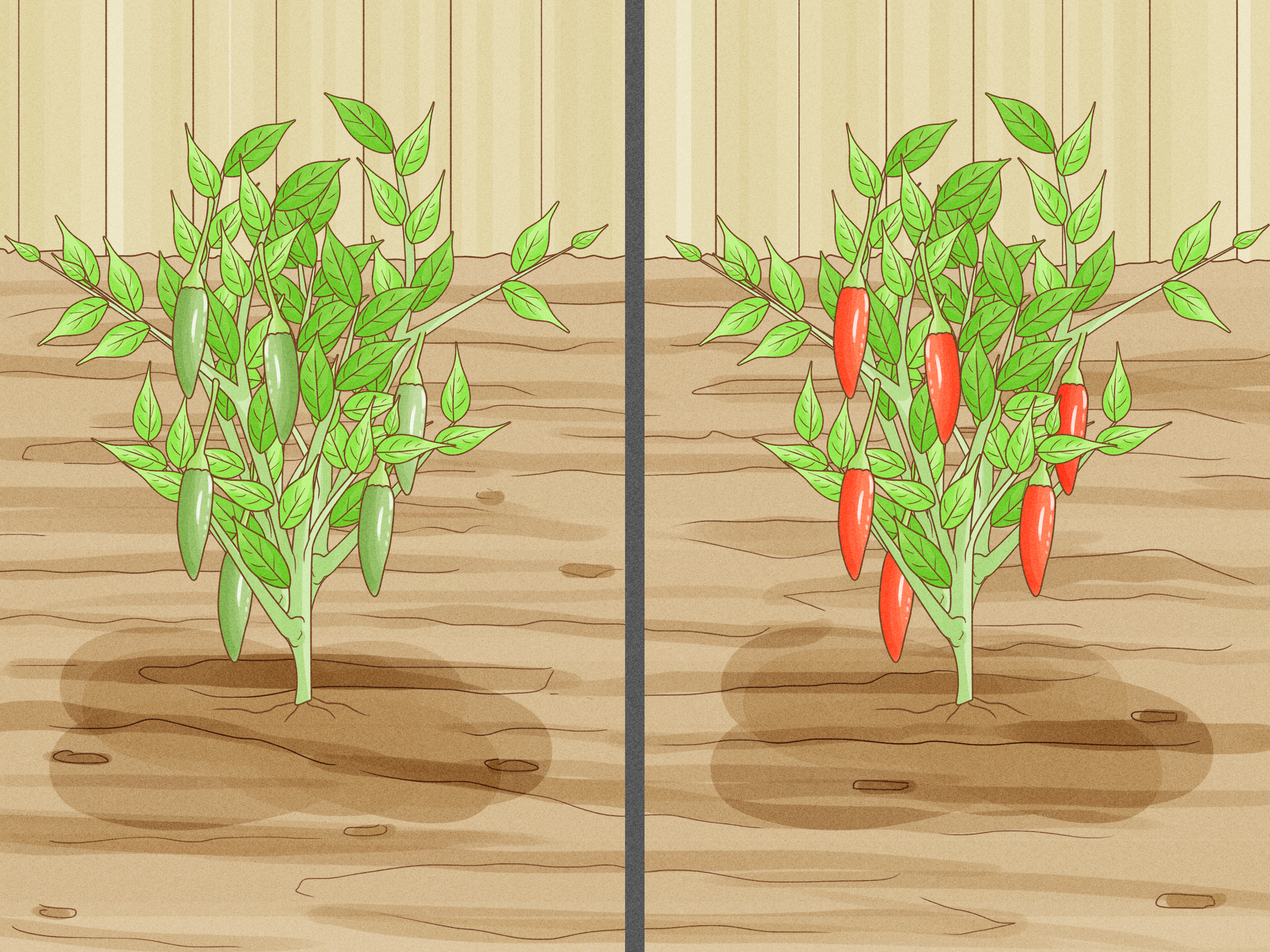
Many chillies can be harvested green (immature) or left to ripen to their final color (red, orange, yellow, purplepepper fashion is wild). Leaving peppers to fully ripen usually increases sweetness and heat (depending on variety). Use clean scissors or pruners so you don’t snap branches. Your plant is not a wishbone.
of Real-World Growing Experiences (The Stuff Guides Don’t Always Say Out Loud)
Here’s the honest truth: the hardest part of growing a chilli plant from seed isn’t the techniqueit’s the temptation to “help” too much. The first time you do this, you’ll probably check the soil five times a day like it’s a suspense thriller. Then you’ll water “just a little” each time, and suddenly your seed tray becomes a tiny indoor swamp with fungus gnats applying for residency.
The biggest upgrade I ever made (and the one most beginners underestimate) is a simple heat mat. Pepper seeds don’t want lukewarm; they want warm. When the soil is reliably toasty, germination goes from “maybe someday” to “oh hello, I live here now.” And once you see that first green hook emerge, you’ll experience a completely irrational level of pride. Congratulations: you have become emotionally attached to a plant the size of an eyelash.
Next lesson: light changes everything. I’ve seen seedlings grown on a windowsill look like they’re reaching for the last helicopter out of a disaster movielong, pale, and leaning hard. Under a decent grow light, the same varieties grow stocky and confident, with thick stems that don’t flop over when you breathe near them. If you can’t buy fancy equipment, you can still succeed, but you’ll need the brightest window you’ve got and you’ll rotate trays often so plants don’t bend into modern art sculptures.
Potting up is another moment where experience helps. Beginners sometimes keep seedlings in tiny cells too long, and the plants stall because roots have nowhere to go. Moving them into a larger pot feels risky the first time, but peppers usually respond with a burst of growthlike you just upgraded them from a cramped studio apartment to a place with closets. That said, don’t pot up into a massive container too soon; small root systems in a big wet pot can stay too damp and invite problems. Step them up gradually.
Hardening off is where many perfectly healthy seedlings meet their tragic plot twist. A plant grown indoors does not understand sunlight. The first time you set it outside in direct sun for “just a few hours,” it can scorch and look awful by dinner. The fix is boring but effective: shade first, sun later, and increase exposure slowly. Wind matters tooseedlings that never felt a breeze can get shredded or dry out quickly outside. If you harden off properly, your transplants look a little tougher each day, and when they finally go in the ground, they keep growing instead of freezing in place like they’re reconsidering their life choices.
Finally, don’t panic if your peppers take time. Chilli plants can be slow to “get going,” especially if nights are cool. Once the weather settles into real warmth, they often shift from lazy to unstoppable. One day you’ll notice buds, then flowers, then suddenly you’ve got tiny peppers that make you want to announce the news to strangers. (Try to resist. Or don’t. Gardening is joy.)
Conclusion
If you remember only three things, make them these: start warm, give strong light, and wait for real warmth outdoors. Do that, and growing a chilli plant from seed becomes less of a science experiment and more of a delicious seasonal tradition. Start a few varieties, label them, and by the time you’re harvesting, you’ll already be planning next year’s lineup like a tiny pepper talent scout.