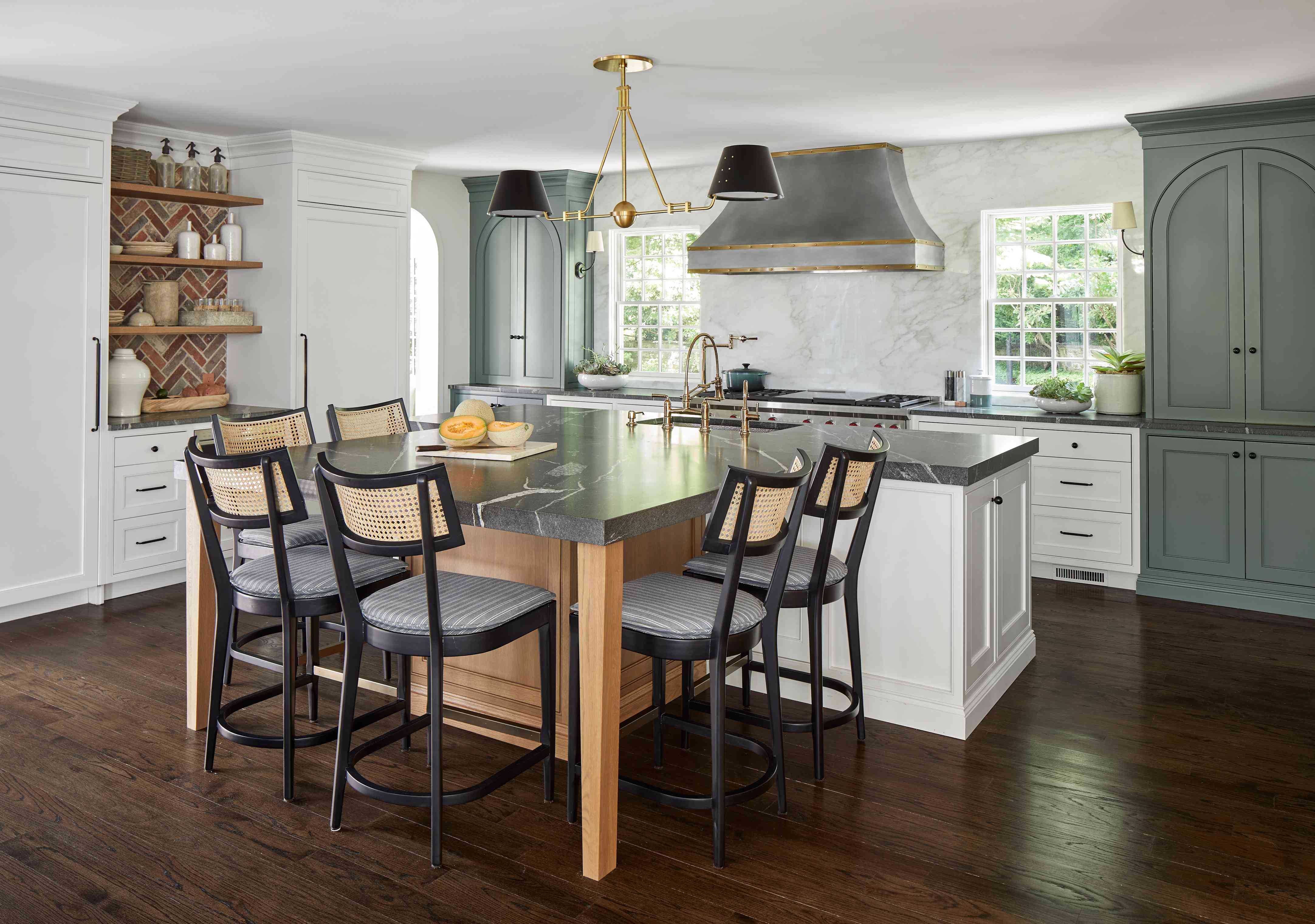

Old kitchen countertops have a special talent: they can make an otherwise lovely kitchen look like it got stuck in a time capsule with a landline phone and a rooster border. The good news is that tired counters do not always need a full demolition crew, a dust storm, and a budget that makes your wallet cry. According to designers, many old countertops can be refreshed with the right strategy, especially when the problem is visual rather than structural.
The smartest countertop makeover starts with one simple question: What exactly is making the surface look old? Is it a dated color? Worn edges? A dull finish? Busy speckles that scream 1997? Or is the countertop actually damaged, swollen, cracked, and ready for retirement? Once you know whether the issue is cosmetic or serious, the makeover path becomes much clearer.
Designers tend to agree on one thing: a good kitchen makeover is not just about hiding what is ugly. It is about improving how the room feels. That means balancing style, durability, budget, and the kind of life your kitchen actually sees. A high-traffic family kitchen needs a different solution than a lightly used rental. A dramatic faux-stone finish might make sense on old laminate, while a real stone counter may only need polishing, re-honing, and better styling around it.
Below is a practical, designer-inspired guide to making old kitchen countertops look fresh again without making reckless choices you will regret sometime around the first spaghetti spill.
Start With a Reality Check Before You Make Anything Pretty
Before choosing paint, peel-and-stick film, or a dramatic new slab, inspect the countertop like a designer with a measuring tape and a mild trust issue. A makeover works best when the existing surface is still solid. If the countertop is mostly dated but stable, you have options. If it is sagging, swollen from water, separating at seams, or cracked all the way through, replacement is usually the wiser move.
Cosmetic issues that are usually makeover-friendly
Faded laminate, minor scratches, worn shine, old-fashioned colors, dated edge profiles, stained grout on tile, and small chips can often be improved. These problems may be annoying, but they are not necessarily fatal. In many kitchens, the counters are not ugly because they are beyond saving. They are ugly because they are visually tired.
Problems that usually mean replacement
If the substrate underneath is soft, the laminate is bubbling badly, the tile base is loose, or water damage has already spread, stop trying to negotiate with the countertop. Designers know when to refresh and when to replace. A makeover should not become a decorative bandage over a failing surface.
Designer-Approved Ways to Make Over Old Countertops
1. Clean, repair, and simplify before doing anything dramatic
This may not be the thrilling makeover moment you were hoping for, but it works. Many countertops look older than they are because they are surrounded by clutter, dingy caulk, chipped edges, and too many little objects fighting for attention. Designers often begin by editing the scene. Replace stained caulk, repair loose edges, fix misaligned adjoining surfaces, and remove visual clutter. Suddenly, the counters stop looking “ancient” and start looking merely “in need of a better outfit.”
This approach is especially effective if you have natural stone or solid-surface countertops that are not actually outdated in material, only dulled by neglect. Sometimes the best makeover starts with less stuff on the counter, not more stuff purchased for it.
2. Refinish laminate countertops with paint or a countertop coating
If your kitchen has old laminate countertops, designers and home renovators often see them as prime makeover candidates. Laminate is one of the easiest surfaces to refresh because it responds well to careful prep and specialty coatings. This is where sanding, deglossing, priming, and sealing matter. Skip prep, and the finish may look good for one hot minute before chipping, scratching, or peeling.
A painted laminate countertop can work beautifully in a low- to medium-wear kitchen when the goal is to change the color fast and affordably. Soft white, warm greige, charcoal, and stone-inspired tones tend to look more designer-friendly than loud faux finishes. If you want the surface to look elevated, think understated rather than theatrical. The countertop should whisper “fresh update,” not shout “I was painted on a Saturday during a strong coffee episode.”
3. Use a resurfacing kit for a more convincing stone look
Designers who want more depth than plain paint often lean toward resurfacing kits. These systems usually build a layered finish with base coats, texture, decorative chips, and a protective topcoat. The result can mimic stone more convincingly than simple paint alone, especially from a normal standing distance, which is where most guests will be admiring your kitchen anyway.
This option works best when you want an affordable transformation but also need more durability and visual texture. It is particularly useful on laminate countertops that are structurally sound but aesthetically tragic. If your current counters are an unfortunate yellow-beige with tiny random flecks that resemble old cereal, a faux-stone resurfacing system can be a surprisingly respectable rescue mission.
4. Try self-adhesive film or contact paper for a renter-friendly refresh
Not every makeover needs to last a decade. In rentals or ultra-tight-budget kitchens, removable self-adhesive paper can create a temporary improvement with very little commitment. Designers do not usually treat this as a forever fix, but they do recognize its usefulness when you want a cleaner, lighter, more current look without replacing anything.
The secret is choosing a pattern that does not try too hard. A quiet marble look, muted concrete effect, or subtle stone print usually works better than a pattern that appears determined to audition for a game show set. The edges must also be wrapped neatly. Sloppy corners are the fastest route from “clever budget update” to “obvious cover-up.”
5. Add butcher block strategically instead of redoing everything
One trick designers love is mixing countertop materials instead of insisting every inch must match. If a full replacement is not in the budget, consider changing only one key zone. A butcher-block surface on the island, a coffee station, or a small prep area can add warmth and distract the eye from older counters elsewhere.
This approach works because wood brings texture, softness, and a furniture-like quality to the kitchen. It can make the room feel intentionally layered rather than half-finished. In older kitchens, even a modest addition of butcher block can make the space feel more custom and more current. It says, “Yes, this kitchen evolved,” not “We ran out of money halfway through.”
6. Re-hone, polish, or professionally refinish stone instead of painting it
If you have granite, marble, quartz, or another stone-like surface, designers usually recommend caution before reaching for paint. Natural stone often looks better after polishing, honing, buffing, or professional refinishing. A honed finish can make older stone feel more modern and softer to the eye, while polishing can revive a dull surface that has lost its sparkle.
This is one of the most overlooked countertop makeovers because it does not come with the drama of a dramatic before-and-after color change. But in many kitchens, it is exactly the right solution. The material itself may still be beautiful. It just needs a better finish and better company around it, such as updated backsplash tile, fresher cabinet color, or simpler styling.
7. Make over the surroundings, not just the countertop
Designers know the eye reads a kitchen as a whole. That means old countertops can look better when the elements around them improve. A new faucet, updated hardware, a slimmer backsplash, modern sconces, or even cleaner styling can make the old counter feel more intentional. You may not need a countertop miracle. You may need better supporting actors.
For example, a speckled brown granite countertop that once felt dated can look much more current next to creamy cabinets, warm brass hardware, matte black accents, and a simple backsplash. The stone did not change. The context did. That is not cheating. That is design.
How to Choose the Right Makeover by Countertop Type
Laminate
Laminate is the easiest candidate for paint, refinishing kits, or temporary coverings. If the structure is sound, it offers the most makeover flexibility for the least money. For older laminate, avoid heavy faux finishes that look overly busy. A soft stone effect or solid neutral usually feels more current.
Tile
Tile countertops can be painted or resurfaced, but grout is the troublemaker. Even after a makeover, the grout lines may still make the surface feel busy or harder to clean. Designers often prefer minimizing visual chaos here with a lighter finish and very clean styling.
Wood or butcher block
Wood countertops often benefit more from sanding, re-oiling, sealing, or re-staining than from dramatic surface coatings. If the wood is worn, lean into its warmth rather than trying to turn it into fake marble. Wood looks best when it is allowed to be wood.
Granite, marble, quartz, and other stone surfaces
These are rarely the best candidates for paint. If they feel dated, first consider professional refinishing, changing the edge profile if possible, updating the backsplash, or redesigning the room around them. A countertop can stop looking dated when the kitchen around it stops fighting with it.
Rental kitchens
In a rental, removable solutions are usually the smartest move. Think self-adhesive coverings, better organization, fewer items on the counters, improved lighting, and decor choices that pull attention upward or outward. When you cannot change the material, change the eye path.
Mistakes Designers Want You to Avoid
The biggest mistake is choosing a makeover method that does not match the material. Painting a surface that resists adhesion is like trying to frost a moving bicycle. It may be possible in theory, but it is not going to end with dignity.
The second mistake is underestimating prep. Old countertops collect grease, residue, and years of invisible kitchen life. If you do not clean and prep thoroughly, even the best coating will struggle. Designers may talk a lot about aesthetics, but every good makeover has a boring backbone: cleaning, sanding, patching, taping, and waiting for products to cure properly.
Another common error is chasing trends too aggressively. The goal is not to make your old kitchen countertop look like every kitchen on social media this month. The goal is to make it look fresh, functional, and believable in your kitchen. A warm white faux stone finish may age better than a highly dramatic veined look that dominates the room.
Finally, do not ignore styling. A newly refinished countertop covered in six small appliances, mail, random vitamins, and a fruit bowl the size of a moon crater will still look tired. Good styling is part of the makeover, not an afterthought.
A Simple Designer-Inspired Countertop Makeover Plan
If you want a practical roadmap, use this order. First, assess the material and damage level. Second, decide whether the fix should be temporary, medium-term, or long-term. Third, choose the makeover method that matches your budget and your tolerance for maintenance. Fourth, update the surrounding details so the countertop does not have to do all the visual heavy lifting alone.
Here is a simple example. Imagine an older kitchen with oak cabinets, off-white walls, fluorescent lighting, and beige laminate counters. A designer-minded makeover might include a soft stone-look refinishing kit on the laminate, warm white wall paint, a new faucet, smaller cabinet hardware, and a decluttered countertop with one tray, one lamp or vase, and one beautiful cutting board. No full renovation. Big difference.
Another example: a kitchen with dated granite that still performs well. Instead of replacing it, you might repaint the cabinets, install a quieter backsplash, reduce counter clutter, and have the stone professionally refreshed. Suddenly, the granite stops feeling old and starts feeling grounded.
What Real Countertop Makeovers Often Feel Like in Practice
One of the funniest things about countertop makeovers is that homeowners often begin with grand cinematic expectations. They picture a dramatic weekend transformation, a cup of coffee in hand, music playing, and one glorious reveal where the kitchen becomes a magazine spread. The real experience is usually more human and much more relatable.
First comes the discovery phase, which can be equal parts hope and confusion. You scrub the old counters and realize some of what looked like permanent ruin was actually grease, old caulk, and years of tiny stains. That is oddly encouraging. Then you notice the chipped edge near the sink, the slightly lifted seam by the stove, and the fact that your backsplash and countertop have been in a cold war since 2008. Suddenly, the makeover becomes less about one surface and more about how everything in the kitchen has been visually arguing.
Then comes the prep stage, also known as the phase where many people question every life choice that led them to sanding in a kitchen. This is when designer advice starts to make deep emotional sense. Good results really do come from the unglamorous work. Cleaning thoroughly, taping carefully, sanding evenly, and repairing flaws are not exciting tasks, but they are the difference between “pretty impressive” and “why is it peeling next to the toaster?”
People who refinish laminate often describe a turning point after the base layer goes on. That is the moment the counter stops looking like a project and starts looking like a possibility. The old dated color disappears, and the kitchen begins to feel newer even before the job is finished. It is a surprisingly satisfying experience because the visual payoff happens fast. What looked hopeless can become stylish in a single day, provided you respect the curing time and do not immediately place a hot pan on your triumph.
Temporary makeovers have their own kind of emotional reward. Renters, especially, tend to love the feeling of taking a kitchen from “landlord beige sadness” to “I can actually cook here” without major construction. A removable film, a better lamp, one wooden board, and less clutter can create a huge psychological shift. The kitchen may not be luxurious, but it starts to feel personal. That matters more than people sometimes realize.
There is also a common lesson people learn after the makeover: the countertop alone was never the whole problem. Once the surface looks better, the eye moves to other things. Sometimes that inspires more upgrades, like changing hardware or adding a backsplash. Other times it creates relief. The room finally feels balanced. The countertop is no longer the first thing you apologize for when someone walks in.
And that may be the best experience of all. A good countertop makeover does not just save money. It changes the mood of the kitchen. It makes the space feel cared for, more usable, and more like it belongs to the people who actually live there. That is why designers so often talk about intention. A successful makeover is not always the most expensive one. It is the one that makes the kitchen feel finished, functional, and a little more joyful every time you walk in for coffee, dinner, or a late-night snack you absolutely were not planning to eat.
Final Thoughts
Giving old kitchen countertops a makeover is less about one magic product and more about choosing the right fix for the right surface. Designers usually start by respecting the material, solving the real problem, and improving the whole visual environment around the counter. Sometimes that means refinishing laminate. Sometimes it means polishing stone. Sometimes it means adding butcher block in one strategic zone and calling it a win. And sometimes, yes, it means removing three countertop appliances and admitting clutter was the loudest design issue in the room.
The smartest makeover is the one that fits your kitchen, your budget, and your tolerance for upkeep. Done well, even an old countertop can stop dragging the room down and start acting like it belongs there on purpose. Which is really the design dream: a kitchen that looks better, works harder, and no longer makes you want to apologize for it every time someone comes over.