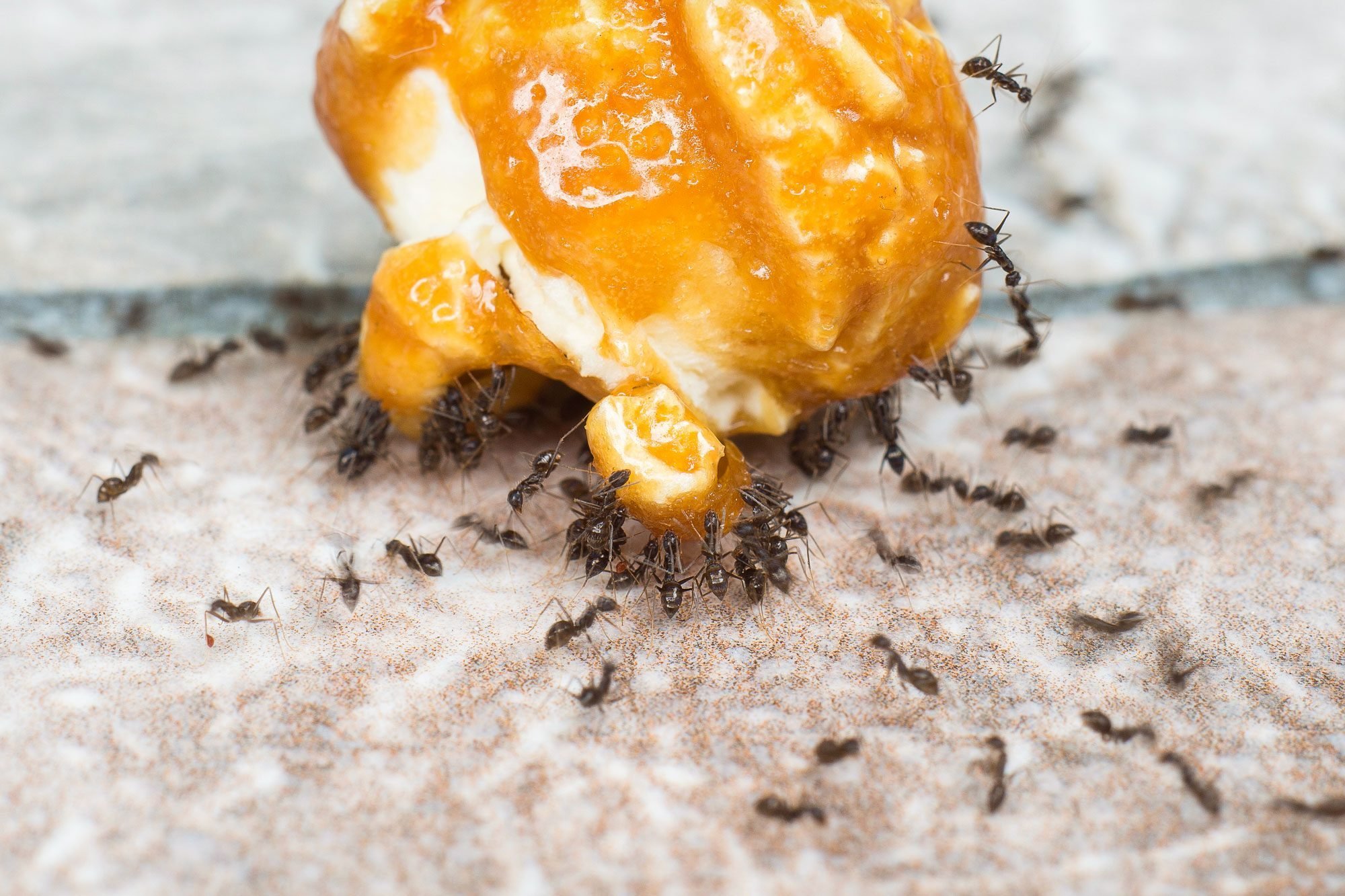

Few things ruin a peaceful morning coffee like looking down and realizing your kitchen counter has become a six-lane highway for ants. One minute you’re buttering toast, the next minute you’re Googling “how to get rid of ants now” while wielding a sponge like a weapon.
The good news? You don’t have to live with an ant invasion, and you don’t have to nuke your home with random sprays either. With a mix of smart prevention, targeted baits, and safe yard strategies, you can kick ants out and keep them from coming back.
Why Ants Love Your Home (and Yard) So Much
Ants aren’t invading out of spite. They’re searching for the basics of life: food, water, and shelter. Crumbs under the toaster, a leaky pipe, or a stack of firewood against your foundation all add up to “luxury real estate” in ant language. Integrated pest management (IPM) experts emphasize that controlling those temptations is the foundation of long-term ant control, indoors and out.
Step 1: Identify Your Ant Problem
You don’t need to become a full-time ant biologist, but knowing the type of ant you’re dealing with helps you choose smarter tactics.
- Small “sugar ants” in the kitchen: Usually nuisance ants following food trails indoors.
- Fire ants in the yard: Painful stings, dome-shaped mounds, and aggressive behavior when disturbed. These need special care.
- Carpenter ants: Larger ants that tunnel in wood; if they’re nesting in your home, that’s a job for a professional.
If you’re unsure, snap a close-up photo and send it to your local cooperative extension office for identification. Many U.S. university extension programs offer free or low-cost ID and guidance.
Step 2: Ant-Proof Your Home Before You Reach for Chemicals
The most “boring” step is also the most powerful: prevention. IPM programs repeatedly stress that if you remove food and water sources and block entry points, you’ll naturally reduce ant pressure over time.
Cut Off Their Food Supply
- Wipe counters and tables after mealsespecially around sugary foods like juice, honey, and fruit.
- Vacuum or sweep crumbs from floors, especially around pet feeding areas and under the dining table.
- Store pantry items like cereal, flour, sugar, and pet food in sealed containers.
- Take out the trash regularly and use bins with tight-fitting lids.
Fix Moisture Problems
Many ant species are drawn to moisture and will nest near leaky pipes, damp wood, or constantly wet soil.
- Fix leaky faucets, pipes, and refrigerator lines.
- Use exhaust fans in kitchens and bathrooms to cut humidity.
- Make sure outdoor gutters and downspouts direct water away from your foundation.
Block Their Entry Points
Once you’ve cleaned up, it’s time to make your home look like a fortress from an ant’s perspective.
- Seal cracks and gaps around windows, doors, utility lines, and baseboards with caulk or weatherstripping.
- Repair damaged window and door screens.
- Trim tree branches, shrubs, and vines so they don’t touch your houseplants can act as ant “bridges.”
Step 3: Control Ants Indoors Start Gentle, Then Go Targeted
Erase the Ant Trail First
Ants follow invisible scent highways called pheromone trails. If you just squish the visible ants and move on, the trail remains, and their buddies will be back.
To break the trail:
- Wipe the trail with soapy water or a 50/50 mix of white vinegar and water. Vinegar helps dissolve the scent trail so future ants can’t follow it.
- Follow the line as far as you canoften along baseboards or behind appliancesand clean the whole route.
Why Baits Beat Sprays Inside
The big secret to effective ant control in your home: let some of them livelong enough to carry poison home.
Contact sprays will kill the ants you see, but they rarely reach the queen or the nest. Ant baits, on the other hand, use the ants’ own foraging behavior against them. Workers carry the bait back, share it with the colony, and eventually the queensolving the problem at the source.
Look for indoor ant baits (gel, liquid, or pre-filled stations) with active ingredients commonly used in household ant control, such as:
- Boric acid or borate
- Fipronil
- Hydramethylnon or avermectin
Tips for using ant baits indoors:
- Place baits along trails, near entry points, or where you see activitynot randomly in the middle of the floor.
- Don’t spray insecticide around the bait; you’ll kill the workers before they can return to the nest.
- Be patient. You may see more ants at first as they recruit nestmates to the bait. That’s actually a good sign.
- Keep baits away from children and pets; use enclosed bait stations in high-traffic households.
Natural Ant Control Options Indoors
If you’d rather start with lower-toxicity approaches, several natural or “softer” methods can helpespecially when combined with cleaning and sealing.
- Diatomaceous earth (DE): A fine powder made from fossilized algae. Food-grade DE can be sprinkled in dry, hidden spots (under appliances, along baseboards) where ants travel. It works by damaging their exoskeleton and dehydrating them. Keep it away from kids’ play areas and avoid breathing the dust.
- Vinegar and lemon juice: Great for wiping trails and discouraging ants from returning to the same area.
- Essential oils: Peppermint, citrus, tea tree, or clove oils in water can be used as light deterrent sprays around cracks and baseboards. Test on surfaces first and keep away from pets that may be sensitive to oils.
These options are better at discouraging ants and disrupting trails than wiping out established coloniesbut they’re useful tools in a layered approach.
Step 4: How to Get Rid of Ants in Your Yard
Your yard is ant central. Not every ant outside is a problemin fact, many species help aerate soil and recycle organic matter. The goal isn’t to create a sterile ant-free zone; it’s to control nuisance and stinging species and keep them away from high-use areas like patios, play spaces, and foundations.
Make Your Yard Less Attractive to Ants
- Keep grass mowed and trim dense groundcovers near the house to reduce nesting sites.
- Rake up leaf litter, wood piles, and debris piles where ants like to nest.
- Control honeydew-producing insects (like aphids and scale) on shrubs and trees; ants “farm” them for sugary secretions.
- Keep mulch a few inches away from your foundation and avoid very thick mulch layers right next to the house.
Dealing with Ant Hills in Lawns and Garden Beds
When ant hills make mowing tough or pop up in the middle of your garden path, it’s time for targeted control.
Common non-chemical yard tactics include:
- Flattening or disturbing the mound: Repeatedly raking or lightly tilling new mounds can discourage some species over time.
- Flooding with water: Running a hose at the base of the mound can collapse tunnels. This may require several rounds for larger colonies.
- Boiling water: Pouring several gallons of boiling water into small mounds can kill many ants, but it will also kill surrounding grass or plants and must be done very carefully to prevent burns.
- Borax or boric acid baits: Using borax mixed with sugar in enclosed outdoor bait stations can help eliminate colonies over time. Keep these away from kids, pets, and non-target wildlife.
Fire Ants: Handle with Extra Caution
Fire ants deserve their own warning label. Their stings are painful and can trigger serious allergic reactions in some people. In the southern United States especially, experts recommend a more systematic strategy.
Extension and pest-management resources often suggest:
- Broadcast baits: Granular baits applied over a wide area using products labeled for fire ants can reduce the overall population, especially when applied in cooler parts of the day when ants are actively foraging.
- Individual mound treatments: Certain mound drenches or dry treatments with active ingredients like bifenthrin or similar can target specific mounds, killing the queen and colony quickly when used correctly.
Always follow label directions, wear protective clothing, and consider calling a professional if you have multiple mounds in a small area or if anyone in your household is sensitive to stings.
Step 5: Keep Ants Away for Good
Once you’ve wrestled your ant situation under control, keep the momentum going:
- Do a quick weekly “crumb patrol” in kitchens, dining rooms, and kids’ snack zones.
- Inspect common entry points and re-seal any gaps as your home shifts or ages.
- Refresh outdoor baits or natural repellents as directed, especially after heavy rain or irrigation.
- Maintain your lawn and landscaping to prevent new nesting hotspots.
When to Call in a Professional Exterminator
DIY methods are great, but there are times when bringing in reinforcements is the safest and most efficient choice:
- You suspect carpenter ants are nesting in your walls or structural wood.
- You see winged ants (swarmers) indoors repeatedly, suggesting a hidden colony.
- Large numbers of fire ant mounds are in high-use areas like play zones, dog runs, or patios.
- You’ve tried baits and basic IPM tactics consistently without success.
Licensed pros have access to specialized products and application methods, and they’re trained to minimize risks to people, pets, and the environment.
Extra : Real-Life Experiences with Getting Rid of Ants
Story 1: The Never-Ending Kitchen Ant Parade
One homeowner kept waking up to a fresh line of tiny black ants marching straight to a smear of jelly on the countertop. She tried the classic “spray and wipe” routineants died on contact, but by the next day, the line was back, as punctual as a commuter train.
After reading up on ant behavior, she shifted strategies. She started by:
- Doing a deep clean, pulling out the toaster, microwave, and countertop appliances to vacuum crumbs.
- Storing bread, cookies, and cereal in airtight containers instead of original packaging.
- Wiping ant trails with a vinegar and water solution every time she saw them.
Then she placed liquid ant bait stations right along the trail where ants entered near the windowsill. For a couple of days, the problem actually looked worsethere were more ants clustered around the bait, which felt horrifying. But that’s exactly what the bait is meant to do. Within a week, the lines started to thin, and by the end of the second week, she noticed…nothing. No ants, no trails, just a clean windowsill.
The key takeaway from her experience? Baits plus consistent cleaning beat random spraying every time, especially when you understand that a temporary spike in ant traffic often means the colony is taking the bait home to the queen.
Story 2: The Backyard BBQ vs. Fire Ants
Another family in a warm Southern state discovered several fire ant mounds scattered across their lawn right before hosting a big barbecue. Their first instinct was to kick the mounds apart (do not recommend) and douse them with whatever spray they could find in the shed.
After a few painful stings and still-active mounds, they decided to follow extension-service advice instead. They switched to a two-step method:
- Broadcasting a fire ant bait across the lawn in cooler morning hours, using a spreader and carefully following the label.
- A week or so later, spot-treating any surviving mounds with a labeled mound treatment, applied gently around the mound rather than directly on top to avoid driving the colony sideways.
Over the next several weeks, they saw a dramatic drop in fire ant activity. They still kept an eye out and repeated bait applications seasonally, but the yard became usable again for kids, pets, and grill nights. Their experience highlights that rushing in with random products is less effective than following a system designed for fire ants.
Story 3: Pet Parents and Safe Ant Control
A couple with two dogs and a cat discovered ants in the laundry room near the pet food storage bin. They were nervous about using strong insecticides around curious animals. After reviewing reputable health and pest-management sources, they settled on a pet-conscious combination:
- Transferring dry pet food to sealed containers and cleaning up spilled kibble daily.
- Placing a few enclosed ant bait stations behind an appliance where pets couldn’t reach them.
- Using food-grade diatomaceous earth in cracks behind the washer and dryer, away from pet paws and noses.
They also started wiping the floor regularly with a mild soapy solution to erase scent trails. The ant issue cleared up within about two weeks, and they didn’t have to worry about their pets stepping in something they shouldn’t.
Story 4: The Community Garden and “Friendly” Ants
In a community garden, volunteers noticed ant hills popping up around raised beds. Some members wanted to destroy every hill immediately, but others pointed out that many ants were aerating soil and cleaning up organic debris.
The gardeners chose a balanced approach:
- They left harmless ant colonies alone in out-of-the-way areas.
- They flattened and occasionally flooded mounds that appeared on paths or near seating areas.
- In persistent problem spots, they used boric-acid-based baits placed in tamper-resistant stations outside the beds, away from kids and pets.
The result was a garden that was comfortable for people but still supported beneficial insects and healthy soil. Their big lesson: not every ant is an enemy. Target the troublemakers and protect the spaces you use most.
Across all of these experiences, one pattern stands out: the people who succeed against ants don’t just attack the insects they seethey think like an ant, manage food and water, protect the spaces that matter, and use baits and treatments strategically rather than randomly.
The Bottom Line
Getting rid of ants in your house and yard isn’t about one magic spray or home remedyit’s about a layered strategy. Clean up food and water sources, seal entry points, use baits smartly indoors, treat troublesome ant hills and fire ants in the yard, and keep up simple maintenance habits over time.
Do that, and the only lines you’ll be watching in your kitchen are the ones on your favorite recipenot a marching army of ants.