
Blisters are basically your skin’s emergency “bubble wrap” protective, slightly dramatic, and always showing up right when you’re trying to look cool
in new shoes. The good news: most blisters heal on their own. The better news: you can help them heal faster (and hurt less) with simple, natural,
at-home care that doesn’t involve “just pop it” energy.
This guide focuses on the most common type: friction blisters (from shoes, tools, sports, or repetitive rubbing). If your blister is from a
burn, chemical exposure, frostbite, or keeps coming back for no clear reason, treat it as a different situation and
consider checking in with a healthcare professional.
What a blister is (and why your body made it)
A blister is a small pocket of fluid that forms under the outer layer of skin. Think of it as your body’s way of saying, “Hey, that spot is getting damaged
I’m putting a cushion here before things get worse.”
Common blister types
- Friction blister: Clear fluid from rubbing (shoes, sandals, tight socks, rowing, lifting, gardening).
- Blood blister: Looks darker/red-purple because tiny blood vessels got pinched or injured (often from pressure or a hard pinch).
- Burn blister: Can happen after heat, sunburn, or hot surfaces.
- Infection-related blisters: Sometimes appear in clusters or with other symptoms (needs medical evaluation).
Before you try any home remedy: a 60-second blister check
Use this quick checklist to decide if you can confidently do home care or if you should get help.
Home care is usually fine if:
- The blister is small to medium and not extremely painful.
- The skin “roof” is still mostly intact.
- There’s no spreading redness, warmth, pus, or fever.
- You can reduce rubbing (different shoes, padding, a rest day).
Get medical advice sooner if:
- You have diabetes, poor circulation, nerve damage, or a weakened immune system.
- The blister looks infected (increasing redness, warmth, swelling, pus, foul odor, worsening pain).
- You have a fever, multiple unexplained blisters, or blistering that keeps recurring.
- The blister is from a serious burn, chemical burn, or covers a large area.
Should you pop a blister?
In general: no. The unbroken skin over a blister is a built-in barrier that lowers infection risk and protects the tender new skin underneath.
Popping it “because it’s satisfying” is the medical equivalent of removing a helmet mid-bike ride because it messes up your hair.
If a blister is large, extremely painful, or likely to burst in a dirty environment (hello, sweaty hiking boot), some medical sources note that draining may be
considered but it’s best done with proper hygiene and, ideally, guidance from a clinician. If you’re not sure, don’t DIY a procedure; go with protection and
pressure relief instead.
If the blister breaks on its own
- Wash hands first (because your hands have been places).
- Clean gently with mild soap and water, then pat dry.
- Don’t peel off the skin roof unless it’s dirty, torn, and hanging it’s still protective.
- Cover with a clean nonstick bandage. Change it daily (or sooner if wet/dirty).
- Watch for infection for the next couple days.
How to get rid of a blister: 5 natural home remedies
The goal is simple: protect the blister, keep it clean, reduce friction, and calm the irritation. These five remedies are “natural” in the sense
that they’re gentle, commonly available, and focused on supporting your skin’s own healing process.
1) The “leave it alone + protect it” method (nature’s original bandage)
If your blister is intact and not screaming in pain, the best remedy is often the least exciting: let it heal under its own protective roof.
Your job is to reduce rubbing and keep the area clean.
- Cover it loosely with a clean bandage to reduce friction.
- Use a “donut” pad (a ring of padding around the blister) to take pressure off the center.
- Swap the culprit: different shoes, thicker socks, gloves, or a grip adjustment for tools.
- Take a short break from the activity that caused it. Blisters love repeat performances.
Why this works: reducing friction stops the ongoing damage so your skin can reabsorb the fluid and rebuild the area underneath.
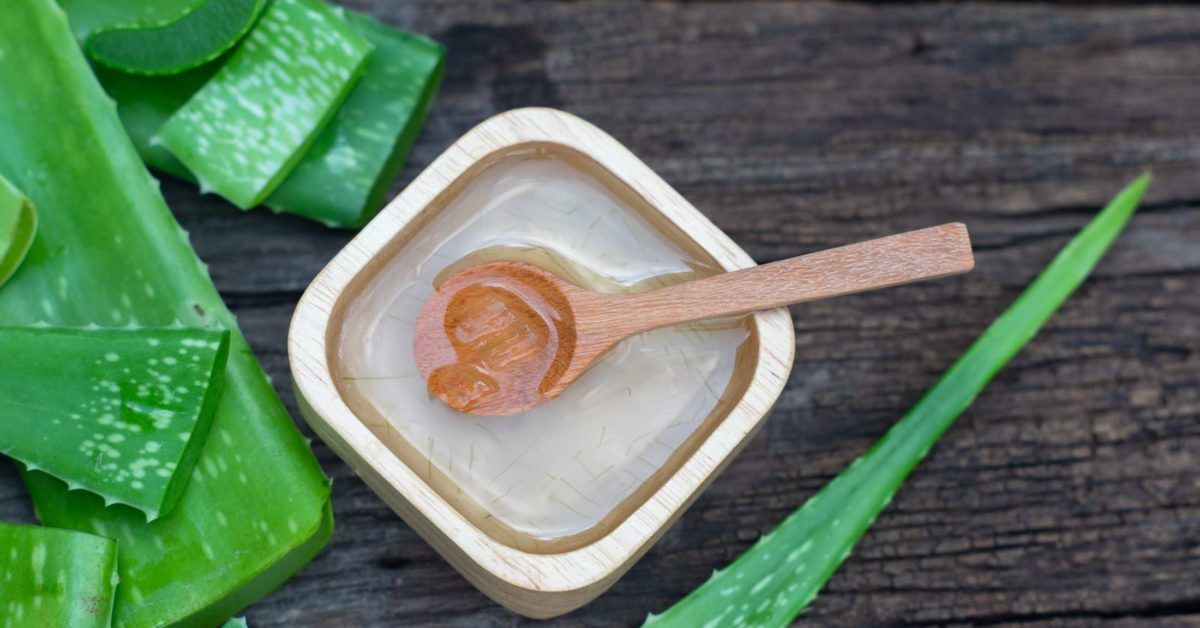
2) Aloe vera gel (the calm-down plant)
Aloe vera is a classic for irritated skin especially when heat, rubbing, or dryness is making everything feel extra sensitive. It can be soothing around a
blister and may help you resist the urge to “mess with it.”
How to use it:
- If the blister is intact: apply a thin layer of pure aloe gel around the blister (not aggressively rubbing over it).
- If the blister has opened: clean first, then apply aloe lightly to the surrounding irritated skin (avoid slathering inside an open wound).
- Patch test if you have sensitive skin. “Natural” doesn’t always mean “no reaction.”
Pro tip: chilled aloe gel feels especially good on hot, irritated skin like a spa day for your foot, minus the cucumber water.
3) A cool compress (fast relief without the drama)
If your blister is throbbing, puffy, or tender, a cool compress can reduce discomfort. This isn’t about freezing your skin it’s about calming inflammation.
How to use it:
- Wrap ice or a cold pack in a clean cloth (never put ice directly on skin).
- Apply for 10–15 minutes, then take a break.
- Repeat a few times a day as needed.
This is especially helpful for blisters on hands after workouts or tools when you still need your hands for normal human activities like opening snacks.
4) Green tea compress (gentle, simple, surprisingly soothing)
Green tea isn’t just for productivity TikToks. A cooled green tea bag compress can feel soothing on irritated skin. It’s mild, low-risk, and a good option when
you want comfort without putting random chemicals on already-angry skin.
How to use it:
- Steep a green tea bag in hot water for a few minutes, then let it cool completely.
- Place the cool tea bag on the irritated area for 10 minutes.
- Pat dry and cover the blister to protect it from friction.
Keep it clean: if the blister is open, prioritize soap-and-water cleaning and a clean dressing over any compress.
5) Medical-grade honey dressing (for opened blisters with smart precautions)
Honey has a long history in wound care, and modern medical-grade honey dressings exist for a reason. The key phrase is medical-grade:
it’s processed and sterilized for use on wounds. Your kitchen honey is delicious, but it isn’t made to be a sterile dressing.
When this can make sense: the blister has popped, the area is clean, and you want a gentle dressing approach.
How to use it safely:
- Choose a medical-grade honey product intended for wound care if you can.
- Apply to a clean nonstick pad or gauze (not directly from a jar), then cover with a bandage.
- Change daily (or sooner if it gets wet/dirty).
- Avoid if you have a known honey/bee allergy, and don’t use on signs of infection without medical guidance.
Do blisters heal faster when you cover them?
For most friction blisters, covering helps because it reduces rubbing and protects the skin roof. Many people like blister pads or hydrocolloid
bandages (those cushy, gel-like patches) because they create a protective seal and cushion. They’re not “natural,” but they’re simple and widely used.
Best practice:
- If you’ll be walking/working: cover and cushion the area.
- If you’re resting at home: you can briefly let the skin “breathe” if it’s intact and not at risk of rubbing but re-cover before activity.
- If it’s open: keep it clean and covered with a nonstick dressing to reduce contamination and friction.
How long does a blister take to heal?
Many friction blisters improve in a few days, but it’s common for a blister to take up to 1–2 weeks to fully heal depending on size, location,
and whether you keep irritating it. If it’s not improving, keeps refilling, or becomes more painful, that’s your cue to reassess.
Blister prevention: the “don’t let it start” checklist
Blisters are easier to prevent than to treat like taxes, awkward group photos, and that one friend who always chooses the spiciest restaurant.
Foot blister prevention
- Wear shoes that fit: too tight = pressure; too loose = sliding friction.
- Break in new shoes gradually (short wear sessions before an all-day mission).
- Choose moisture-wicking socks (cotton tends to hold moisture and increase rubbing).
- Protect hot spots early: tape, blister pads, or a small moleskin donut before you feel a “rub.”
- Keep feet dry: change socks if they get sweaty; consider foot powder if moisture is a big issue.
Hand blister prevention
- Gloves for gardening, lifting, or repetitive tool work.
- Adjust your grip: death-gripping a handle is basically inviting friction to a party.
- Take micro-breaks during long sessions (rowers, lifters, musicians, DIY heroes).
FAQ: quick answers you actually want
What if it’s a blood blister?
Treat it like a friction blister: protect it, reduce pressure, and don’t pop it. Blood blisters can be more tender, so cushioning matters. If it’s very painful,
keeps expanding, or you’re unsure of the cause, get it checked.
Can I put essential oils on a blister?
Be careful. Many essential oils can irritate skin especially broken skin. If your blister is open, skip it. If it’s intact and you want to try something,
talk to a clinician first or stick with low-risk options like protection, aloe, and cool compresses.
What’s the biggest mistake people make?
Two things: popping it too early and keeping the same friction going. Even the best remedy won’t help if the blister is
getting re-injured all day long.
Real-world experiences: of “yep, that happened” blister moments
Blisters are rarely random. They’re usually the predictable result of one tiny decision and then your skin sends you an invoice.
Here are a few common, real-life scenarios and what typically works best.
The “new shoes at the worst possible time” scenario
Someone buys fresh shoes for an event (wedding, conference, job interview you know, the moments when you’d prefer not to limp). The heel starts rubbing,
but they push through because “it’s fine.” Four hours later: a blister big enough to have its own ZIP code.
The fix here isn’t heroic toughness it’s early intervention. The people who suffer least are the ones who slap a protective pad on the first hint of rubbing
and switch shoes when possible. Once the blister forms, the fastest path to feeling normal is usually a donut pad plus a bandage, paired with a day or two of
lower-friction footwear. The funny part? The blister’s favorite snack is denial.
The runner/walker who thinks one more mile won’t matter
Long walks and runs are blister factories because friction and moisture team up like villains in a superhero movie. A common pattern: the first “hot spot”
appears around mile two, and by mile five it’s a full blister. People who do best often carry a tiny blister kit: a couple blister pads, tape, and a small piece
of moleskin. When the hot spot shows up, they stop, dry the area, cover it, and keep going. It feels dramatic in the moment (“I am pausing my run!”), but it’s
far less dramatic than hobbling for a week.
The DIY/gardening weekend warrior
Hands get blisters when you go from “mostly typing and scrolling” to “today I am a person who builds a deck.” The classic mistake is skipping gloves because
they feel bulky. The second classic mistake is gripping the tool like it owes you money. People who avoid blisters tend to: wear gloves, loosen the grip a bit,
take short breaks, and use a cool compress afterward if the hands feel inflamed. If blisters appear, they protect them for a few days and suddenly Monday
doesn’t feel like punishment.
The kitchen burn blister
A quick splash of hot oil or a brush against a pan can lead to a burn blister. In these cases, people often want to pop it because it’s tender and in the way.
But leaving it intact and covering it gently is usually the safer play, especially while the skin underneath is vulnerable. Aloe gel (used thoughtfully) can feel
soothing on surrounding irritated skin, but cleanliness and protection matter most. If the burn is more than minor or covers a larger area, that’s a “get medical
advice” situation, not a “let me test a dozen home hacks” situation.
The lesson most people learn (eventually)
The “best” blister remedy isn’t a secret ingredient it’s a strategy: protect the skin roof, reduce friction, keep it clean, and let time do its job.
When people follow that plan, blisters usually calm down fast. When they don’t, blisters tend to become a multi-episode series with unnecessary plot twists.