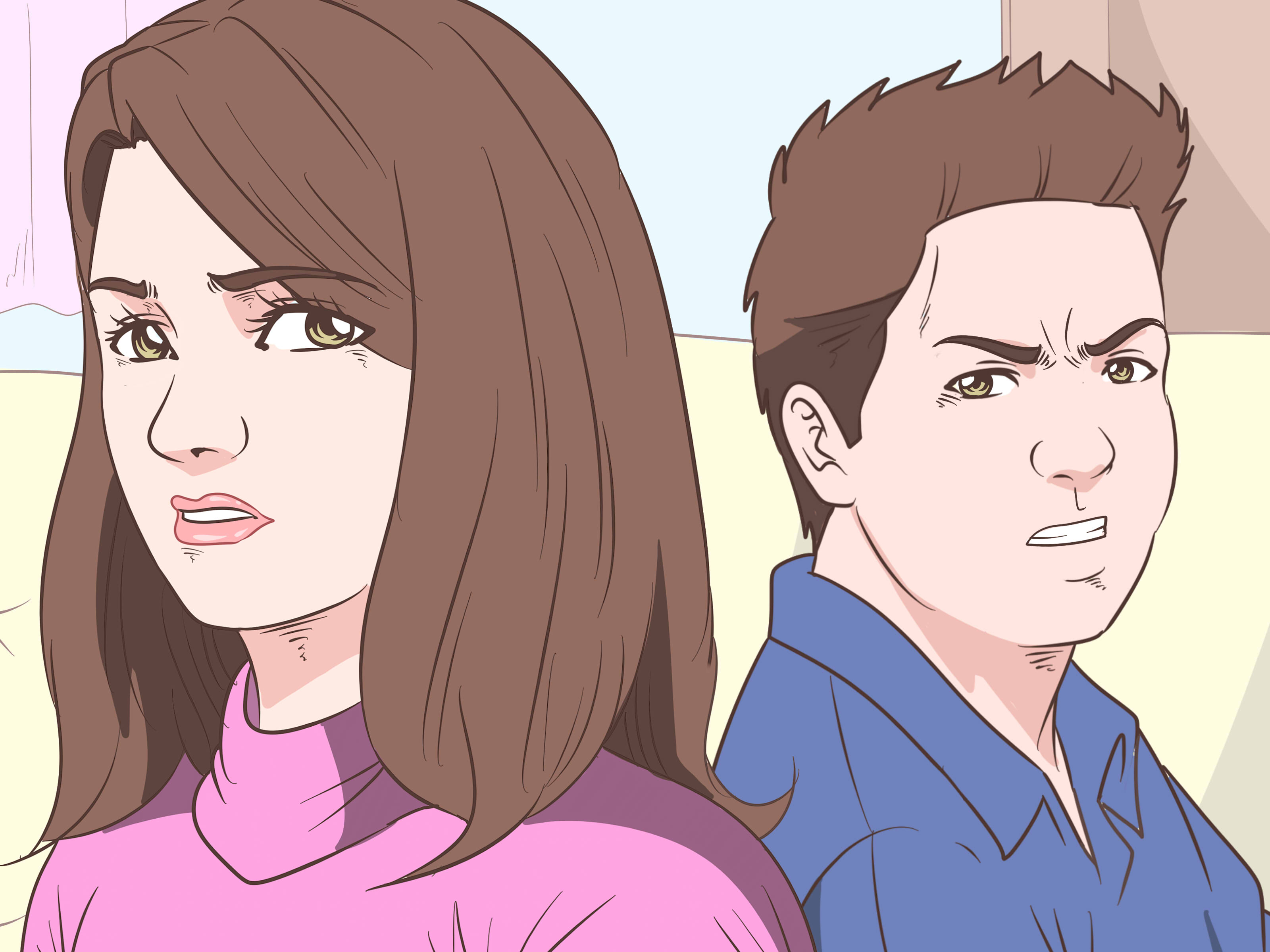

Messing up in a relationship feels awful. One minute you are texting heart emojis, and the next you are staring at your phone like it personally betrayed you. If you hurt a guy you care about, the big question is not just, “How do I get him to forgive me?” It is, “How do I make this right in a real, respectful, grown-up way?”
That distinction matters. Forgiveness is not a vending machine where you insert one apology and receive instant emotional closure. Real forgiveness usually comes after honesty, accountability, patience, and changed behavior. In other words, this is less “send three sad-face texts and hope for the best” and more “show emotional maturity like the main character you claim to be.”
This guide breaks down 15 practical steps to help you apologize sincerely, rebuild trust, and handle the situation with grace. Whether you snapped during an argument, broke a promise, lied about something, shared something private, or acted out of jealousy, these steps can help you move from damage control to actual repair.
Before You Try to Fix It
First, a reality check: you cannot force forgiveness. You can create the best possible conditions for healing, but he still gets to decide what he feels, how fast he moves, and whether he wants to continue the relationship. That is not punishment. That is emotional autonomy.
Also, the size of the hurt matters. Forgetting to text back after school is not the same as repeated lying. A thoughtless comment is not the same as humiliating someone in front of friends. The more serious the damage, the more time, humility, and proof of change will be needed.
15 Steps to Help Him Forgive You
1. Calm down before you reach out
If you are panicking, crying, rage-texting, or mentally writing a 47-slide defense presentation, pause. A good apology is hard to deliver when your nervous system is sprinting. Take a walk, breathe, journal, or sit with your thoughts for an hour. You want to approach him to repair the relationship, not to unload your anxiety onto him.
2. Get brutally honest with yourself about what you did
Do not apologize in a blurry, vague way. Name the actual behavior. Did you lie? Ignore him? Flirt with someone else to make him jealous? Make fun of him in front of other people? Read his messages without permission? The clearer you are with yourself, the more sincere your apology will sound. Fuzzy apologies usually signal fuzzy accountability.
3. Understand the impact, not just your intention
One of the biggest apology mistakes is hiding behind, “I didn’t mean it like that.” Intent matters, but impact matters more when someone is hurt. Maybe you meant your comment as a joke, but he felt embarrassed. Maybe you thought you were protecting him by hiding something, but he felt deceived. If you want forgiveness, show that you understand how your actions landed.
4. Reach out at the right time
Timing matters. If he is still very angry, trying to force a deep conversation immediately may backfire. If too much time passes, your apology can feel delayed or performative. A simple message such as, “I know I hurt you, and I’d really like to apologize when you’re ready,” can be a respectful middle ground. It shows maturity without cornering him.
5. Apologize clearly and directly
Say the words. Not the discount version. Not “Sorry you feel that way.” Not “Sorry if you got upset.” And definitely not “I’m sorry, but…” A real apology sounds more like this: “I’m sorry I lied to you about where I was. That was wrong, and I understand why it hurt your trust.” Clean, clear, no smoke machine, no plot twist.
6. Take responsibility without making excuses
Explaining is not always bad, but explanations should never erase responsibility. If your apology turns into a TED Talk about stress, your friends, your childhood, Mercury retrograde, and his tone of voice, you have wandered off course. Own your choice. You can explain context later if needed, but the first job is accountability.
7. Let him talk, and do not interrupt
If he decides to tell you how he feels, listen. Really listen. Do not jump in with corrections, counterarguments, or “That’s not what happened.” This is not a debate club event. If he says he felt embarrassed, ignored, or disrespected, your job is to hear him out. Many people forgive more easily when they feel fully heard.
8. Validate his feelings
Validation is not the same as agreeing with every detail. It means acknowledging that his emotions make sense from his perspective. Try phrases like, “I get why you’re upset,” or “You have every right to feel hurt.” These statements reduce defensiveness and show empathy. Empathy is often the bridge between apology and forgiveness.
9. Ask what would help repair the damage
Do not assume you know what he needs. Ask. Maybe he wants space. Maybe he wants more honesty. Maybe he wants you to correct a rumor, return something, or stop repeating a behavior that keeps hurting him. Repair is not just emotional. Sometimes it is practical. If your mistake created a mess, help clean it up.
10. Give him space if he asks for it
This step is hard because guilt makes people clingy. But if he says he needs time, respect it. Do not send hourly “just checking in” texts disguised as care. Do not recruit friends to campaign on your behalf. Do not post sad lyrics like you are auditioning for a breakup montage. Space can be part of healing, and respecting it can actually rebuild trust.
11. Make amends, not just promises
Words matter, but action is where apologies either grow legs or fall flat on the floor. If you broke trust, be more transparent. If you forgot something important to him, show more thoughtfulness. If you embarrassed him publicly, own it publicly. The goal is not grand gestures for drama points. It is matching your actions to the wound you caused.
12. Change the behavior that caused the problem
If the same issue keeps happening, forgiveness gets harder every time. Repeated apologies without changed behavior do not feel sincere. They feel like a subscription service nobody signed up for. If jealousy caused the problem, work on jealousy. If impulsive texting caused the blowup, stop responding while emotional. If dishonesty caused the hurt, practice telling the truth sooner, even when it is uncomfortable.
13. Be patient while trust rebuilds
Even if he accepts your apology, trust may not snap back in one afternoon. He may be quieter. He may need reassurance. He may watch to see whether your new behavior lasts longer than 48 hours. That does not automatically mean he is punishing you. Trust often returns through consistency, not one perfect speech.
14. Do not pressure him to forgive you
A lot of people ruin a decent apology by demanding emotional closure right away. “Are we good now?” “So you forgive me, right?” “I said sorry, what else do you want?” None of that helps. Forgiveness is a gift, not a receipt. The more you pressure him, the more your apology starts to sound like it was for your comfort, not his healing.
15. Accept the outcome and learn from it
Sometimes the relationship recovers. Sometimes it changes. Sometimes it ends. Being mature means understanding that forgiveness cannot be controlled. But growth can. Even if this situation does not go the way you hoped, learning how to apologize well, respect boundaries, and take responsibility will make every future relationship healthier.
What a Good Apology Actually Sounds Like
Here is a simple framework you can use:
“I’m sorry for what I did. I know it hurt you because ______. I was wrong, and I take responsibility for it. You did not deserve that. I want to make it right by ______. I understand if you need time.”
That kind of apology works because it includes the essentials: clarity, remorse, accountability, empathy, repair, and patience. No excuse pile. No emotional blackmail. No sneaky attempt to make him comfort you while you are apologizing to him.
Common Mistakes That Make Forgiveness Harder
Saying “I’m sorry, but…”
The word but is a tiny wrecking ball. It often cancels out everything that came before it. If you need to explain context, do it later, after you have taken full responsibility.
Making yourself the victim
“I already feel terrible, so can we move on?” is not repair. That is emotional shortcutting. Feeling guilty is normal, but guilt does not erase the need to make things right.
Over-apologizing
Apologizing once with sincerity is powerful. Apologizing twelve times in a row can start to sound panicked and self-focused. Say it well, then let your actions support it.
Trying to fix everything with gifts
A thoughtful gesture can help, but gifts are not a substitute for accountability. If trust is broken, flowers alone will not perform a miracle. This is not a romantic comedy with a soundtrack and perfect lighting.
Expecting instant normal
Even when people forgive, they may still need time to feel safe again. Let the relationship breathe. Healing is rarely fast, and it is almost never perfectly tidy.
When You May Need to Step Back
If the issue involved repeated betrayal, cruelty, manipulation, or a pattern of hurting each other, forgiveness may not be the only question. The bigger question may be whether the relationship is healthy enough to continue. Sometimes the most respectful thing you can do is apologize sincerely, stop pushing, and let both people move on.
Also, if he says he does not want contact, respect that. A sincere apology should never turn into chasing, guilt-tripping, or trying to wear someone down. Respect is part of repair.
Extra Experience Section: What This Usually Feels Like in Real Life
In real life, asking for forgiveness is messy, awkward, and way less glamorous than social media makes it look. Most girls do not wake up one day and think, “Today seems ideal for emotional accountability.” Usually, it starts with a dumb decision, a heated moment, or a misunderstanding that snowballs because pride gets involved.
One common experience is saying something sharp during an argument and then realizing later that the words landed much harder than intended. Maybe you brought up something personal, mocked him in front of friends, or hit below the belt because you wanted to win the moment. At first, it is tempting to defend yourself. You tell yourself he was being annoying too. But later, when the adrenaline fades, the truth shows up wearing uncomfortable shoes: you crossed a line. Girls in this situation often discover that the apology goes better when they stop trying to prove they were partly right and start admitting they were clearly wrong in that moment.
Another common experience is breaking trust in a small-but-not-small way. Maybe you told a friend something he shared privately, checked his phone, or flirted with someone else to make him jealous. These things can seem minor while you are doing them, especially if you are hurt, insecure, or trying to get attention. But afterward, they create a very specific kind of damage. He may not just feel mad. He may feel unsafe, exposed, or foolish for trusting you. Girls who go through this often learn that forgiveness does not come from saying, “It was not a big deal.” It comes from admitting that it was a big deal to him.
There is also the experience of apologizing too fast for the wrong reason. Sometimes you are not apologizing because you fully understand the hurt. You are apologizing because you hate the distance, the silence, the unread messages, and the possibility that the relationship might end. That fear is human, but it can make the apology sound rushed. Many girls realize, after a failed first attempt, that a better apology happens when they slow down, reflect, and come back with less panic and more clarity.
And then there is the humbling part: changed behavior. This is where the real work lives. It is one thing to cry and say you are sorry. It is another thing to stop repeating the pattern when you are stressed, jealous, embarrassed, or angry. Girls who successfully rebuild trust usually have one thing in common: they stop treating the apology as the finish line. They treat it as the starting point. They become more honest, more thoughtful, less reactive, and more careful with the other person’s feelings.
The biggest lesson most people learn is simple but powerful: forgiveness cannot be controlled, but character can. You cannot force a guy to move on before he is ready. You cannot argue him into feeling safe again. But you can become the kind of person who owns mistakes, repairs harm, and grows from uncomfortable moments. And honestly, that lesson is bigger than one relationship. It is the kind of growth that follows you into every friendship, every dating situation, and every future version of yourself.
Conclusion
If you want a guy to forgive you, the best approach is not dramatic, manipulative, or overly polished. It is sincere. Own what you did, apologize clearly, listen without defending yourself, make amends, and show through consistent behavior that the mistake will not become a pattern. That is how trust begins to come back.
And if he needs time, give it. If he forgives you, appreciate it. If he does not, learn from it. Either way, the strongest move is the same: be honest, be humble, and grow up a little from the experience. Painful? Yes. Useful? Also yes. Character development rarely arrives with confetti.