
Most questions do not require genius. They require a better search strategy, a calmer brain, and the courage to admit, “I may not know this yet, but I know how to find out.” That is good news, because nobody is born knowing how to replace a sink cartridge, decode a medical bill, choose a used car, understand a legal term, identify a bird that keeps yelling at 5 a.m., or figure out why the printer has decided to become a decorative sculpture.
Learning how to find the answer to most questions is one of the most practical skills in modern life. The internet gives us search engines, academic databases, forums, videos, government pages, library archives, maps, digital books, and expert communities. Offline, we still have librarians, teachers, mechanics, neighbors, field observation, printed manuals, workshops, and plain old trial and error. The trick is knowing which route fits the question.
This guide explains how to find reliable answers online and offline without drowning in tabs, rumors, or confidently wrong advice. Think of it as a compass for curiositywith fewer inspirational quotes and more useful steps.
Start by Defining the Real Question
Before searching, slow down and ask: “What exactly am I trying to know?” A vague question creates vague results. “Best laptop” is a rabbit hole with a charger. “Best laptop for video editing under $1,200 with good battery life” is a research path.
Turn confusion into a searchable sentence
Good research starts with a clear question. Try filling in one of these patterns:
- “What is the difference between X and Y?”
- “How do I fix X when Y happens?”
- “What evidence supports X?”
- “Who is responsible for X?”
- “What are the risks, costs, and alternatives to X?”
For example, instead of asking, “Why is my plant sad?” ask, “Why are the lower leaves of my indoor pothos turning yellow after watering twice a week?” Now the internet has something to work with. Your plant may still be dramatic, but your question is finally useful.
Use Search Engines Like a Pro, Not Like a Panicked Raccoon
Search engines are powerful, but they are not mind readers. They respond best when you give them clean clues. A smart search query can save you twenty minutes of scrolling through pages that almost answer your question but mostly want you to subscribe to a newsletter.
Use exact phrases
Put quotation marks around a phrase when the exact wording matters. Searching “how to find the answer to most questions” looks for that phrase instead of loosely related words scattered across a page.
Exclude irrelevant results
Use a minus sign to remove meanings you do not want. If you search jaguar speed -car, you are more likely to get the animal, not a luxury vehicle with leather seats and attitude.
Search a specific site
Use site: when you trust a source or want a specific domain. For example, site:nih.gov sleep study caffeine narrows results to NIH pages. For laws, taxes, health, safety, and consumer protection, government and university websites can be better starting points than random blog posts written by someone named “TruthWizard88.”
Try different keywords
Experts may use different terms than beginners. If “stomach pain after eating” is too broad, try “postprandial abdominal pain.” If “old house smell” is not helping, try “musty odor causes home moisture mold.” Good researchers translate everyday language into technical language and back again.
Choose the Right Type of Source
Not every question needs the same kind of source. A recipe question can survive a friendly blog. A medical question should not depend on a comment thread from 2012. A legal question needs jurisdiction. A historical question may need primary sources. A product question needs recent reviews, specs, warranty details, and perhaps a human who has actually used the thing.
Use official sources for rules and requirements
For tax deadlines, visa rules, building codes, school policies, and government benefits, go to the official agency or institution first. Summaries are useful, but rules change. The official source is the scoreboard; everything else is sports commentary.
Use academic and library sources for deeper learning
University libraries, research guides, academic journals, textbooks, and reference works help when you need background, context, and careful explanation. These sources are especially useful for science, history, public policy, literature, business research, and technical topics.
Use forums carefully for lived experience
Forums can be excellent for practical troubleshooting. If twenty people explain the same dishwasher error and three describe the exact fix, you may have found a clue. But forums are best for leads, not final verdicts. Treat them like a group of helpful strangers in a hardware store: useful, colorful, and occasionally certain about something wildly wrong.
Evaluate Online Information Before You Trust It
The internet has reliable knowledge, outdated knowledge, biased knowledge, jokes, scams, recycled content, marketing disguised as advice, and “facts” that were apparently assembled during a lightning storm. Evaluation is not optional. It is the seatbelt.
Check authority
Ask who created the information. Is the author qualified? Is the publisher known? Does the organization explain its mission? A university, government agency, established news outlet, professional association, or recognized expert is usually easier to verify than an anonymous page with no author and six pop-ups.
Check purpose
Why does the page exist? Is it informing, selling, persuading, entertaining, or collecting your email address in exchange for a “free guide” that is somehow 80% sales pitch? A source can still be useful if it sells something, but you should read it with that incentive in mind.
Check evidence
Reliable answers point to evidence. Look for citations, data, original documents, expert review, transparent methods, or clear examples. Be cautious with dramatic claims, miracle cures, guaranteed results, and headlines that make your eyebrows climb your forehead.
Check date and context
Some answers age quickly. Software instructions, product recommendations, medical guidelines, legal rules, statistics, prices, and travel information can become outdated fast. Other information, such as basic geometry or how to boil an egg, is less fragilethough the egg community may still argue.
Use the SIFT Method for Fast Fact-Checking
When a claim looks suspicious, use a simple verification habit: stop, investigate the source, find better coverage, and trace the claim back to its origin. This approach helps you avoid being fooled by a polished page, viral screenshot, or confident social media post.
Stop before sharing
If a claim makes you angry, thrilled, terrified, or smug, pause. Emotional content is often engineered to travel faster than truth. The more a post screams “share immediately,” the more you should make it sit in the corner and think about what it has done.
Investigate the source
Search the name of the website, organization, author, or account. Are they known for expertise? Are they transparent? Do other credible sources recognize them? A professional-looking page is not proof. Anyone can buy a domain name and a serious font.
Find independent confirmation
Look for the same claim from multiple reliable sources that are not simply copying one another. If only one site reports a huge discovery, either it is an exclusive scoopor it is a digital raccoon wearing a lab coat.
Trace the original
Find the original study, court filing, announcement, video, interview, or dataset whenever possible. Summaries can distort details. Original sources reveal what was actually said, measured, promised, or proven.
How to Find Answers Offline
Online research is convenient, but offline research still matters. Some answers live in people, places, objects, and hands-on experience. A plumber may diagnose a leak faster than a hundred search results. A librarian may find a local history record that search engines ignore. A grandmother may know the recipe step that every online version forgot because “everyone knows that.” Everyone does not know that, Grandma. Please write it down.
Ask experts better questions
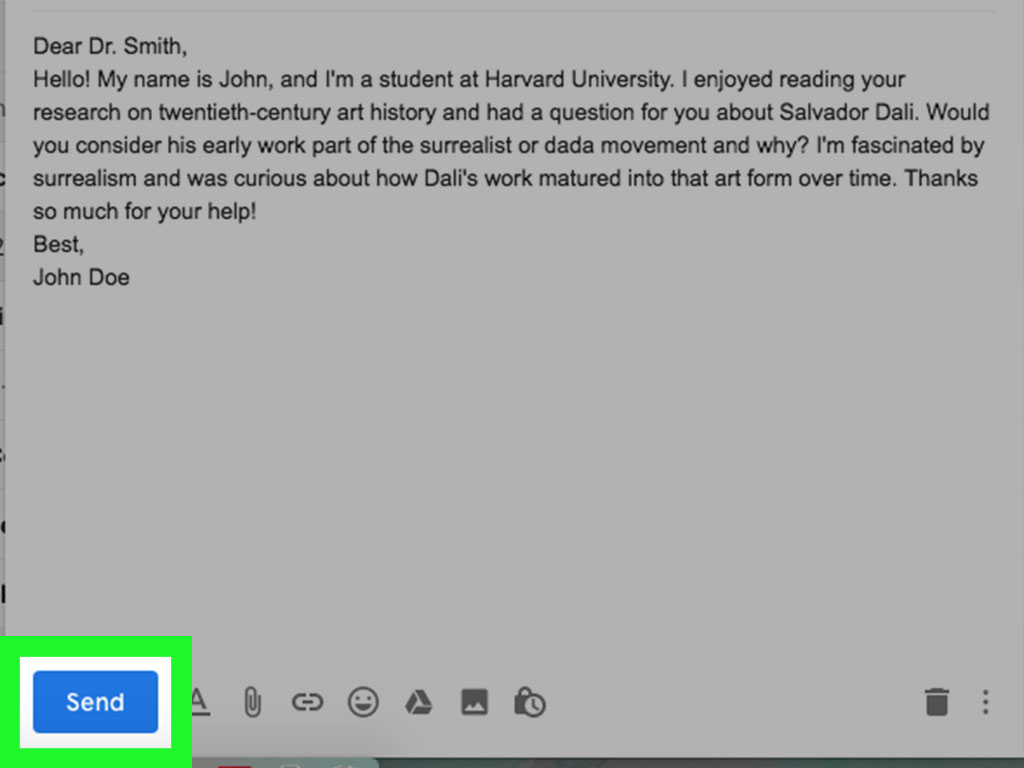
When asking a person for help, provide context. Instead of “My car is making a noise,” say, “My car makes a grinding sound when braking at low speed, especially after rain, and the front pads were replaced six months ago.” Better input gets better answers.
Visit libraries and archives
Libraries are not just quiet buildings where printers develop mysterious emotional problems. They are research power tools. Librarians can help you refine a question, choose databases, locate books, access newspapers, find government documents, and avoid wasting hours in the wrong place.
Observe directly
Some questions are best answered by looking. If you want to know when a store is busiest, visit at different times. If you want to understand a neighborhood, walk it. If you want to know why a process fails, watch the process from start to finish. Reality is a primary source.
Run small tests
When safe and appropriate, experiment. Try one variable at a time. If your sourdough is flat, do not change the flour, water, temperature, starter feeding, baking vessel, and moon phase all at once. Change one thing, record the result, and let the bread be the judge.
Match the Question to the Best Answer Strategy
For “how-to” questions
Use videos, manuals, diagrams, manufacturer instructions, and step-by-step guides. Compare several sources before acting, especially if the task involves electricity, plumbing, tools, money, health, or anything that can explode. “It worked for me” is not the same as “It is safe for you.”
For health questions
Start with reputable medical institutions, government health resources, academic hospitals, and clinician-reviewed pages. Look for balanced information, dates, author credentials, and references. Use online research to prepare better questions for a health professional, not to replace one.
For money and consumer questions
Check official consumer protection agencies, product documentation, warranties, independent reviews, and complaint patterns. Be skeptical of urgent messages asking for passwords, payment, gift cards, cryptocurrency, or personal data. Real companies rarely need you to panic-click anything before lunch.
For local questions
Use maps, local government pages, community boards, phone calls, and direct visits. Search engines may not know that a business changed hours last week or that a local office has a sign on the door saying, “Back at 2:00.” The sign, inconveniently, is the truth.
Take Notes Like a Detective
Finding an answer is only half the job. Keeping track of what you found prevents you from researching the same thing again tomorrow with the haunted feeling that you have lived this moment before.
Record the source
Write down the title, organization, author, date, and where you found it. For offline sources, record the person, place, date, and key details. Your future self will thank you, possibly with snacks.
Separate facts from interpretation
A fact is “The manual says the filter should be replaced every three months.” An interpretation is “The machine is probably overheating because the filter is clogged.” Both may be useful, but they are not the same.
Keep a decision log
For important questions, write what you decided and why. This is helpful for repairs, purchases, business decisions, medical appointments, school projects, and family debates that mysteriously become court cases over Thanksgiving dinner.
Know When to Stop Searching
Research can become procrastination wearing glasses. At some point, you need to decide whether you have enough information to act. The goal is not infinite certainty. The goal is a responsible level of confidence.
You may be ready to stop when reliable sources agree, the remaining uncertainty is small, you understand the risks, and more searching is unlikely to change the decision. You are not ready to stop when all your sources quote the same original article, the topic is high-stakes, or the answer depends on personal circumstances you have not considered.
Common Mistakes That Make Answers Harder to Find
Using only one source
One source can be wrong, incomplete, biased, outdated, or misunderstood. Cross-checking is the difference between research and wishful clicking.
Searching only in your own words
If your search fails, borrow vocabulary from better sources. Look at headings, technical terms, and related phrases. The right word can unlock the right answer.
Trusting design over credibility
A beautiful website can be wrong. An ugly PDF from a government office can be correct. Beauty is not evidence, although it does make the wrong answer look more expensive.
Ignoring offline clues
If the answer involves a place, object, process, or person, do not rely only on screens. Call, visit, inspect, measure, ask, and observe. The world is still out there, refusing to be fully indexed.
Experience Notes: What Actually Works in Real Life
Over time, the most useful research habit is not memorizing search tricks. It is learning how to move between online and offline evidence without getting emotionally attached to your first answer. The first answer is often a doorway, not the destination.
For example, when researching a household repair, I usually start with the model number. That one detail changes everything. Searching “dishwasher leaking” produces endless advice. Searching the exact brand, model, and symptom often reveals the manual, parts diagram, recurring issue, and videos from people who fixed the same problem. Then I compare the advice with the manufacturer’s instructions. If the task involves water, gas, electricity, or structural damage, I treat online advice as preparation for calling a qualified professional, not as a dare.
For health questions, the best experience is to write down symptoms, timing, medications, and questions before reading too much. Online information can help you understand vocabulary, but it can also make a normal headache feel like a documentary series. Reliable medical sources are useful because they explain warning signs, likely causes, and treatment options without promising magic. The offline steptalking to a licensed clinicianis where general information becomes personal guidance.
For buying decisions, I have learned to distrust both perfect five-star praise and furious one-star reviews unless patterns appear. One angry review may be bad luck. Fifty reviews mentioning the same broken hinge, terrible battery, hidden fee, or impossible return process are not “just vibes.” They are evidence wearing a tiny consumer-protection hat. The best method is to compare official specs, professional reviews, owner reviews, warranty terms, and return policies before spending money.
For learning a complex topic, nothing beats layering sources. Start with a beginner explanation, then read a stronger guide, then check original sources, then ask someone knowledgeable to challenge your understanding. If you cannot explain the answer simply, you may have collected words rather than knowledge. That is normal. Keep going. Understanding often arrives after the third explanation, not the first.
Offline, the most underrated research tool is a well-framed question asked politely. “Can you help me understand where I should start?” often works better than pretending you already know everything. Librarians, technicians, teachers, clerks, nurses, local officials, and experienced hobbyists can save hours because they know the terrain. They also know which “common knowledge” is nonsense, which is a public service we should celebrate with cake.
The final lesson is simple: good answers come from combining curiosity with discipline. Search widely, verify carefully, ask humans, observe reality, take notes, and update your conclusion when better evidence appears. That is how you find the answer to most questionsonline, offline, and in the awkward middle where your Wi-Fi is weak but your determination is strong.
Conclusion
Finding answers is not about knowing everything. It is about building a repeatable process: define the question, search with precision, choose the right source, evaluate credibility, compare evidence, ask experts, observe directly, and keep useful notes. Whether you are researching a school assignment, solving a household mystery, checking a health claim, buying a product, or trying to understand the world without falling into the swamp of misinformation, the method is the same. Be curious, be skeptical, and be organized. The answer is usually out there. Your job is to make it prove itself.