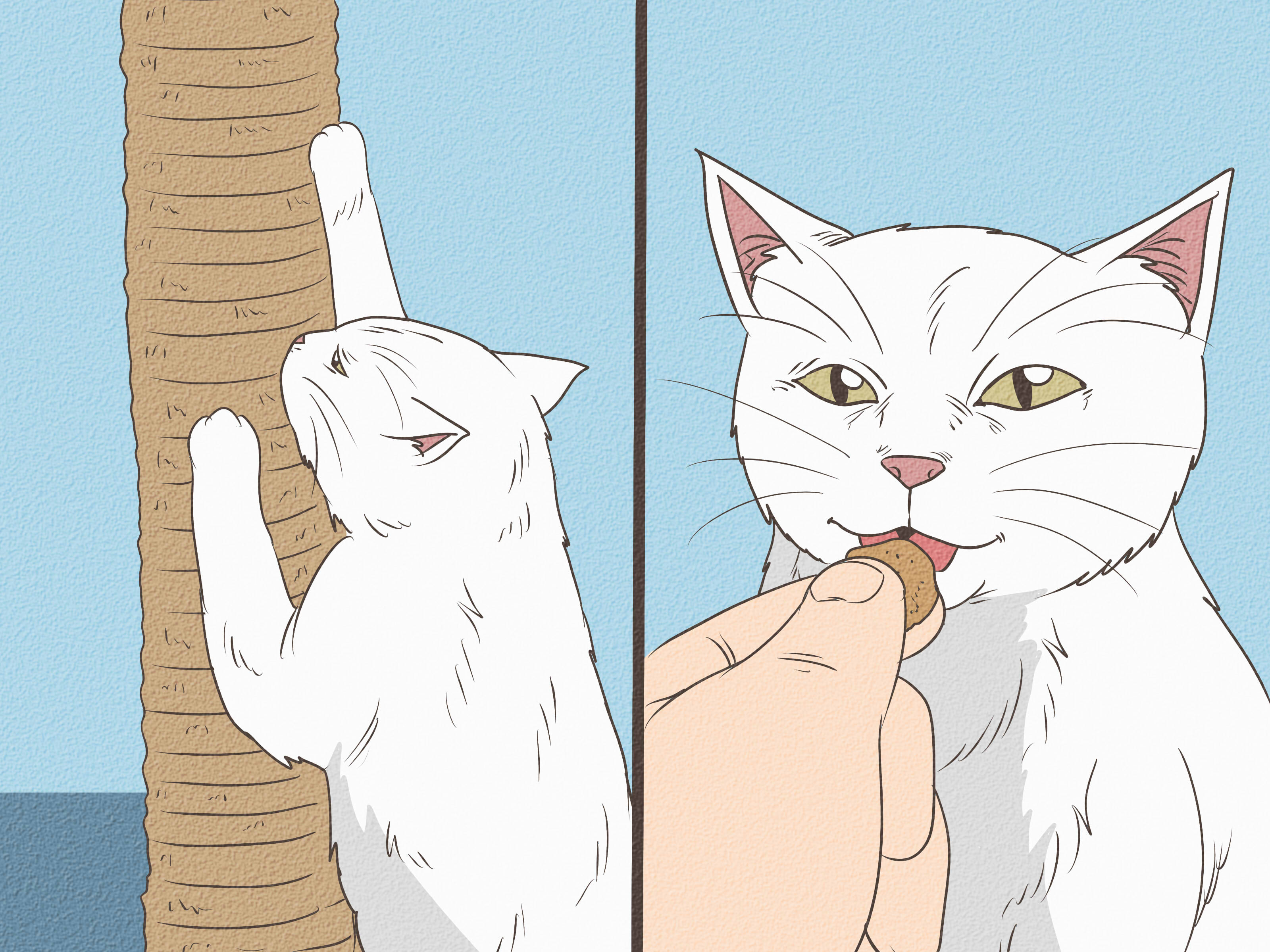

Let’s clear up the biggest misunderstanding in cat parenting: “discipline” doesn’t mean “punish.” Cats don’t connect a delayed scolding with a past action the way humans imagine they do. They connect your sudden loud voice with you. And now you’re the weird, unpredictable roommate who yells near the sofa. (Not ideal for building trust. Also not ideal for your blood pressure.)
Real cat discipline is more like coaching: prevent the problem when you can, interrupt it early when you must, and teach the behavior you want your cat to repeat. The goal is a house where your cat can be a catscratch, climb, hunt, and explorewithout turning your curtains into confetti.
Below are 8 practical steps to “discipline” a cat or kitten in a way that actually worksespecially for the greatest hits: scratching furniture, biting hands, counter surfing, nighttime chaos, and litter box “surprises.”
Step 1: Redefine “Discipline” as Teaching (Not Payback)
If your cat could talk, they wouldn’t say, “I did this to spite you.” They’d say, “This feels good,” or “I’m stressed,” or “I’m bored,” or “I smell a crumb you missed from 2019.” Cats repeat behaviors that are rewardingwhether that reward is food, attention, a great view, a satisfying scratch, or a successful ambush of your shoelaces.
Why punishment backfires
- It increases fear and anxietyand fear makes behavior problems worse, not better.
- It damages trust, so your cat becomes sneakier (the behavior continues… just not in front of you).
- It can escalate aggression because a scared cat will defend themselves.
So your “discipline mindset” should be: What is my cat trying to accomplish, and how do I give them a better option? When you solve the need behind the behavior, you stop the behavior without starting a feud.
Step 2: Catch It Early and Interrupt Calmly
Timing is everything. If your cat is already mid-scratch on the couch, you’re latebut you can still interrupt. If your cat is stalking the couch like it owes them money, you’re on time.
What a “calm interrupt” looks like
- Short sound (a quick clap or a light “ah-ah”)not shouting, not a lecture.
- Neutral body languageno looming, no chasing.
- Then immediately redirect (Step 3), so your cat learns what to do.
Think of it like tapping someone on the shoulder, not setting off a car alarm. Your job is to break the “momentum” without making your cat afraid of you.
Step 3: Redirect to a “Yes” Behavior (And Make It Ridiculously Easy)
Cats do best when you replace “no” with “yes.” If you only remove options, your cat will invent new hobbies. And those hobbies may involve houseplants, blinds, or your laptop charger.
Common redirects that work
- Scratching furniture → move your cat to a sturdy scratching post or board nearby.
- Climbing curtains → provide a cat tree, wall shelves, or a window perch.
- Biting hands → swap hands for wand toys, kicker toys, or a rolling chase toy.
- Counter surfing → provide a legal “up high” spot (cat tree near the kitchen, sturdy shelf, perch).
Pro tip: place the “yes” option exactly where the “no” behavior happens. If the couch is the scratching hotspot, the scratching post should be next to the couch at first. Once your cat uses the post reliably, you can slowly move it to a more convenient locationlike a civilized person.
Step 4: Reward What You Want to See Again (Yes, Even When They’re Being Normal)
Your cat is always training you. (That 6 a.m. meow? A carefully designed experiment.) You can train your cat back using positive reinforcement: reward the behaviors you want repeated.
Rewards that count
- Treats (tiny piecescats don’t need a full buffet per good decision).
- Play (especially for kittens and energetic young cats).
- Affection (if your cat likes itsome prefer love from a respectful distance).
- Access (open a door, invite them onto the cat tree, let them perch by the window).
The secret sauce is immediacy: reward within a second or two of the behavior. If you’re rewarding “four paws on the floor,” treat while paws are still on the floornot after your cat has already launched onto the counter like a furry gymnast.
Try the “Catch Them Being Good” game
For one week, reward your cat for doing things you like: using the scratching post, playing with toys, calmly sitting near you, approaching guests without swatting, or going into the carrier without dramatic monologues. You’ll be shocked how fast “good manners” become a habit.
Step 5: Manage the Environment So Bad Choices Don’t Pay Off
If your cat gets a reward from a behavior, that behavior gets stronger. So don’t let the “bad choice” be profitable. This isn’t mean. It’s strategy.
Simple, humane management tools
- For scratching: cover furniture with a throw, use double-sided tape on target areas, or use a plastic cover temporarily.
- For counters: keep food put away, wipe surfaces, and use non-harmful deterrents like foil or sticky tape if needed.
- For chewing: put cords in protective covers and offer chew-safe alternatives.
- For trash raids: use a lidded can or keep trash behind a closed door.
Management is especially important for kittens because they learn fastand they learn whatever works. If climbing the table consistently leads to crumbs, attention, and a front-row seat to dinner prep, your kitten will major in Countertop Studies with a minor in Chaos.
Step 6: Meet the Need Behind the Behavior (Most “Bad” Behavior Is a Missing Outlet)
Many discipline problems disappear when cats get more of what they naturally need: hunt-play, climbing, scratching, and predictable routines.
Use the “Hunt, Catch, Eat” rhythm
Cats are wired for short bursts of hunting. A great daily pattern (especially for energetic cats) is: 5–10 minutes of play → a small meal or treat → rest. This can reduce nighttime zoomies, nipping, and general mischief.
Stress is a behavior fuel
Stress can show up as hiding, aggression, house soiling, overgrooming, or extra vocalizing. Common stress triggers include moving, schedule changes, new pets, conflict between cats, or even a litter box that’s inconvenient or unpleasant. When stress drops, “problem behaviors” often drop with it.
Step 7: Use These Mini “Discipline Scripts” for the Most Common Problems
Here are specific, no-drama ways to respond in the momentso you’re not improvising while holding a spatula and trying to protect a houseplant.
Problem A: Scratching furniture
- Interrupt early with a calm sound.
- Redirect to a scratching post placed right next to the target furniture.
- Reward the post use immediately.
- Make the couch less rewarding temporarily (double-sided tape, cover, or blocker).
- Upgrade the scratcher: sturdy, tall enough for a full stretch, and a material your cat loves (sisal/cardboard/etc.).
Problem B: Kitten biting and rough play
- Never use hands as toysteach “hands are for gentle touch, toys are for biting.”
- If biting starts, freeze and stop interaction for a moment (boring is educational).
- Redirect to a wand toy or kicker toy.
- Reward gentle play and calm behavior.
- Schedule daily play sessions to burn off the “tiny tiger” energy.
If your kitten bites during petting, watch for body language: twitching tail, skin rippling, ears turning back, sudden stillness. That’s your warning label. Stop before the “chomp.”
Problem C: Jumping on counters
- Give a legal high place nearby (cat tree or shelf) and reward them for using it.
- Remove the payoff: clean counters, store food, don’t leave exciting items out.
- Use passive deterrents if needed: foil or sticky tape on the counter edge for a short period.
- Practice “off”: lure down with a treat, reward when paws hit the floor, then reward again on the approved perch.
Problem D: Litter box accidents
This one is less “discipline” and more “detective work.” Don’t punish. Instead:
- Rule out medical issues with your vetpain and urinary problems can change litter habits fast.
- Fix the setup: one box per cat plus one, accessible on every level of the home if needed.
- Make it appealing: scoop daily, wash regularly, choose a box size your cat can comfortably enter and turn around in.
- Location matters: quiet, easy to reach, not next to scary machines (like the washer that turns into a rocket ship).
- Clean accidents correctly using an enzymatic cleaner so “the bathroom smell” doesn’t linger.
If accidents started after a big change (new pet, move, routine shift), assume stress plays a role. Reduce conflict, increase safe spaces, and keep routines predictable.
Step 8: Know When It’s Not Trainingand Get Help
Some behavior issues are signals, not “attitude.” A few red flags to take seriously:
- Sudden aggression in an otherwise social cat
- New litter box avoidance or straining to urinate
- Excessive hiding, panic reactions, or persistent anxiety
- Destructive behavior that escalates despite enrichment and management
Start with your veterinarian to rule out medical causes. If the issue is behavior-based, ask for a referral to a qualified behavior professional (a veterinary behaviorist is ideal for complex cases). The right help can save your bond with your catand your couch.
Conclusion: Calm, Consistent, and Kind Wins (Every Time)
If you remember one thing, make it this: cats learn faster from good outcomes than from scary moments. Discipline that works is calm and predictable: interrupt early, redirect to a better option, reward the “yes,” and remove the payoff from the “no.”
Your cat doesn’t need you to be a drill sergeant. They need you to be a clever environment designer, a snack distributor with excellent timing, and the manager of a home where cat instincts have appropriate outlets. (Yes, that’s a lot of hats. At least none of them are made of shredded curtains.)
Real-Life Experiences: What “Disciplining” a Cat Actually Feels Like at Home
Most cat parents start with the same emotional arc: “Aww!” → “Huh.” → “Why are you like this?” → “Okay fine, I’ll buy the expensive scratching post.” If that’s you, welcome to the club. Here are a few common real-world moments (and what tends to work) so you feel less like you’re failing and more like you’re running a tiny, adorable research lab.
The kitten who thinks hands are chew toys. Many people accidentally teach biting by letting kittens wrestle fingers because it seems harmless. Then the kitten grows, the jaw strength upgrades, and suddenly your hand is a squeaky toy in a horror movie. What helps is making a clear rule: hands don’t play. The first week can feel sillyconstantly swapping your hand for a wand toybut kittens learn quickly when the “fun” only happens with toys. A bonus discovery many owners make: adding two short play sessions a day dramatically reduces random ankle ambushes.
The counter surfer who wants the best view in the house. Cats love height. Kitchens are busy, smell amazing, and contain endless interesting sounds. If you only say “no,” you’ll repeat yourself forever. Owners often see progress when they add a legal high perch near (but not on) the kitchen, reward the perch heavily for a while, and keep counters boringno food, no dirty pans, no “free samples.” Some people use foil or sticky tape briefly, but the long-term win usually comes from giving the cat a better “up high” option that still lets them supervise dinner.
The couch scratcher who ignores your fancy scratch tower. This is common because many scratch posts are wobbly, too short, or the wrong texture. Owners often turn things around by (1) placing the scratcher directly beside the couch corner that’s getting shredded, (2) choosing a sturdier post that allows a full-body stretch, and (3) rewarding the post like it’s a five-star restaurant. A little catnip can help too. The funniest part is how fast cats will “prefer” the legal scratcher once it’s in the right spotlike the couch was a temporary job and they just got promoted.
The litter box mystery that feels personal (but isn’t). When accidents happen, it’s easy to feel offendedespecially if it’s on laundry. But owners who solve the problem usually treat it like troubleshooting: rule out medical issues, improve the box setup, and reduce stress triggers. Adding an extra box in a quiet location, scooping more often, and using an enzymatic cleaner for accidents are surprisingly powerful changes. Many people also realize their cat was “voting” against a hooded box, scented litter, or a location next to a loud appliance. Once the setup matches what the cat prefers, the problem often fades.
The big emotional shift: the most successful cat discipline stories usually involve the owner stopping the power struggle. When you switch from “How do I make my cat stop?” to “How do I make the right behavior easier and more rewarding?” everything gets simpler. Your cat becomes less like a tiny villain and more like a fuzzy teammate who needs clearer rules and better equipment. And honestly, that’s a pretty good deal for a species that still believes the red dot is an enemy soldier.