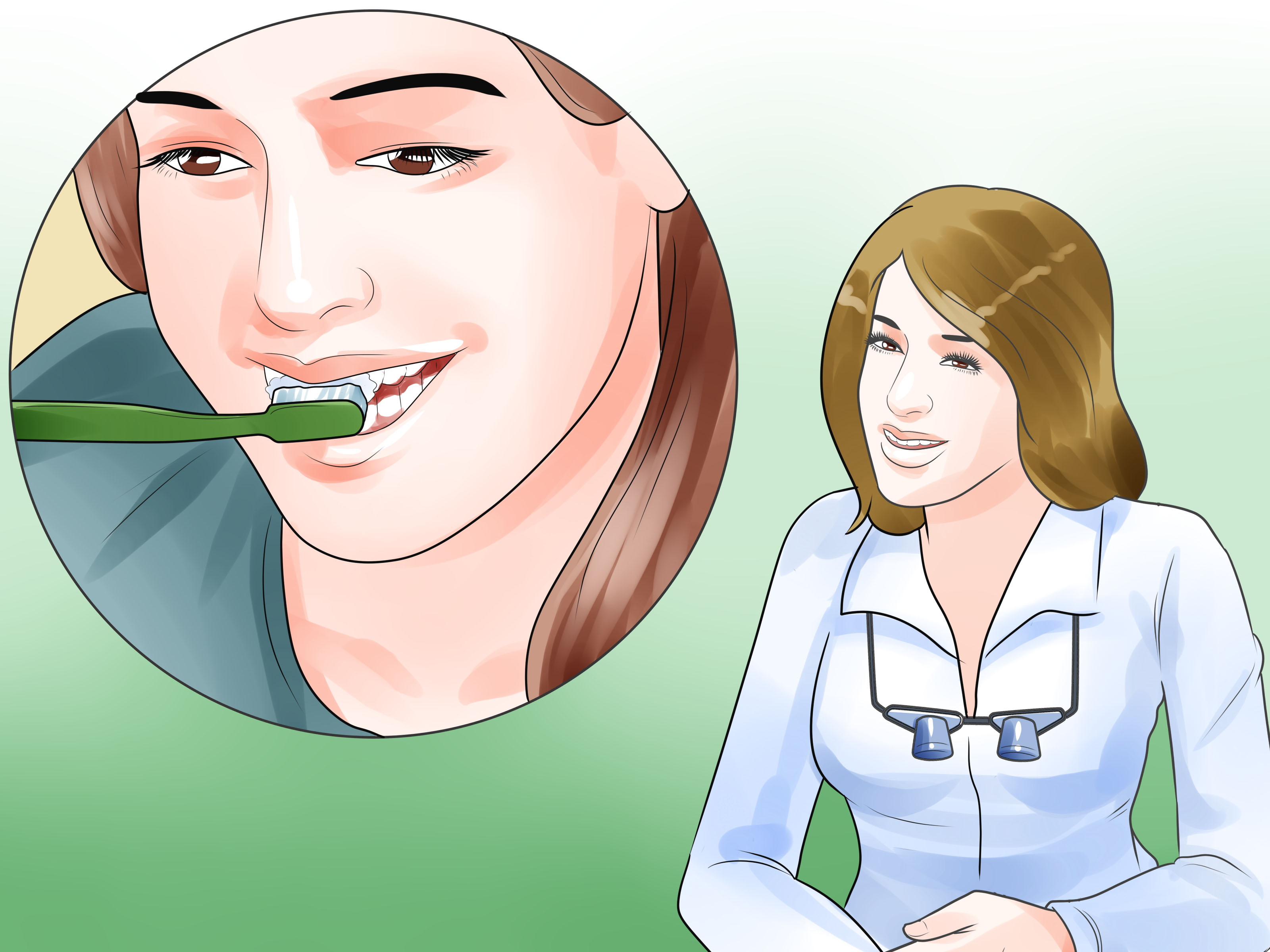

Not every crooked tooth needs a full metal soundtrack in your mouth. But if your teeth feel crowded, your bite feels “off,” or flossing has turned into a daily obstacle course, you might be a good candidate for braces (or another type of orthodontic treatment). The trick is learning the difference between a harmless quirk and a bite problem that can snowball into wear, gum trouble, or jaw discomfort.
This guide breaks down the most common signs you may need braces, what an orthodontist actually looks for, and how to decide your next stepwithout playing amateur dentist in the bathroom mirror. (We’ll still use the mirror. We’ll just use it responsibly.)
Quick note: This article is for general information and can’t diagnose you. The “final boss” is always a dentist or orthodontist, because they can measure your bite, check your jaw alignment, and look under the hood with imaging.
What Braces Really Fix (It’s Not Just About Straight Teeth)
Braces are designed to correct orthodontic problemsmost commonly malocclusion (a misaligned bite) and teeth that don’t have enough space to line up properly. That can include:
- Crowding (overlapping, rotated, or “stacked” teeth)
- Spacing (gaps that trap food or affect bite contact)
- Bite issues like overbite, underbite, crossbite, open bite, deep bite, and overjet
- Jaw-tooth mismatch (your teeth might look okay, but your upper and lower jaws don’t meet well)
Orthodontic treatment can be cosmetic, sure. But it’s also about function: how your teeth meet, how evenly they wear, how well you chew, and whether you can keep everything clean without needing circus-level flossing skills.
A Simple (But Useful) Self-Check: The “Bite & Mirror” Review
Here’s a low-drama way to spot clues that you might need braces. You’re not diagnosing anythingjust collecting evidence like a dental detective.
Step 1: Close Your Teeth Like You Normally Do
In the mirror, gently close your mouth until your teeth touch. Don’t force it into a “perfect” positionuse your natural bite.
Step 2: Look for Bite Mismatches
Some overlap is normal, but major mismatch can be a sign you’d benefit from orthodontic care.
- Overbite / deep bite: Upper front teeth cover too much of the lower front teeth.
- Overjet: Upper front teeth stick out forward more than usual (sometimes called “protruding” front teeth).
- Underbite: Lower front teeth sit in front of the upper front teeth.
- Crossbite: Some upper teeth bite inside the lower teeth (front or back).
- Open bite: Front teeth don’t touch when you bite down, leaving a gap.
Step 3: Check Alignment and Spacing
- Crowding: Teeth overlap, twist, or look squeezed.
- Gaps: Spaces between teeth, especially if food gets trapped or speech feels affected.
- Midline mismatch: The center of your top teeth doesn’t line up with the center of your bottom teeth (not always a problem, but worth checking).
If you’re seeing one of these patterns, it doesn’t automatically mean you need bracesbut it’s a strong hint that a professional evaluation could be helpful.
7 Big Signs You May Need Braces (Beyond “My Teeth Look Crooked”)
Some signs are obvious. Others show up as annoying little problems that you didn’t realize were connected to your bite.
1) You Can’t Floss Normally (Or You Avoid It Like a Chore You “Forgot”)
Crowded teeth can make flossing tough, which can raise the risk of plaque buildup between teeth. If floss regularly shreds, snaps, or just won’t fit in certain spots, crowding may be part of the story.
2) You Bite Your Cheeks or Tongue More Than You’d Like
Accidentally biting your cheek once in a while is normal. But if it happens often, your teeth may not be lining up in a way that protects the soft tissue inside your mouth.
3) Chewing Feels Awkward, Uneven, or Tiring
If you naturally chew on one side, feel like your teeth don’t “mesh,” or find yourself avoiding certain foods because biting feels weird, that can point to a bite alignment issue.
4) You Notice Tooth Wear, Chipping, or Flattened Edges
Teeth are meant to contact in specific ways. When the bite is off, some teeth may take too much forceleading to uneven wear, tiny chips, or flattened biting edges over time. (Teeth shouldn’t need to be “sanded down” by life.)
5) Your Jaw Clicks, Pops, or Feels Sore
Jaw clicking or discomfort can have multiple causes, but bite problems sometimes contribute by putting extra strain on the jaw muscles and joints. If you notice jaw pain, headaches tied to chewing, or frequent clicking, it’s worth mentioning during an orthodontic evaluation.
6) Your Lips Don’t Close Comfortably at Rest
If your mouth tends to hang open or you have to “work” to keep lips closed, it can sometimes relate to tooth position, jaw growth patterns, or bite issues. This doesn’t always mean braces, but it’s a useful clue.
7) Speech Sounds or Tongue Placement Feel “Off”
Some people notice a lisp or certain sounds feel tricky because the tongue doesn’t have the usual space or tooth contact points. Speech concerns should be evaluated broadly, but orthodontics can be part of the solution when tooth/jaw alignment contributes.
Kids, Teens, and Adults: When to Get Checked
For kids: An early orthodontic screening is often recommended around age 7. That doesn’t mean every 7-year-old needs bracesit means there’s enough development happening that an orthodontist can spot emerging issues and decide whether early treatment could help or whether it’s best to wait.
For teens: This is the classic braces window because many permanent teeth are in, and growth can make tooth movement more efficient.
For adults: Braces aren’t just for teenagers with yearbook photos. Adult orthodontics is common, and options may include traditional braces, ceramic braces, and clear aligners depending on the case. The difference is that adults may have additional factorslike gum health, restorations, and jaw structurethat affect the plan.
Common Bite Problems (In Plain English)
Orthodontists classify bite issues in detailed ways, but here’s the practical versionwhat it can look like and why it matters.
Overbite / Deep Bite
If the upper front teeth cover too much of the lower front teeth, the lower teeth may bite into the roof of the mouth or the upper teeth may take extra force. A deep bite can also contribute to tooth wear.
Overjet
This is when the upper front teeth angle forward too much. Besides appearance, a larger overjet can make front teeth more vulnerable to chipping with falls or sports injuries.
Underbite
Lower front teeth sit in front of the upper front teeth. Depending on the cause, underbites can involve jaw growth patterns and may require more complex orthodontic planning.
Crossbite
One or more upper teeth bite inside the lower teeth. Crossbites can be in the front or the back and may contribute to uneven wear or shifting bite function.
Open Bite
Front teeth don’t touch when you bite down, leaving a gap. This can affect biting into foods (hello, sandwiches) and sometimes relates to habits like prolonged thumb sucking or tongue thrusting.
Habits and History That Can Signal a Need for Braces
Sometimes the clue isn’t your teeth todayit’s the pattern that got you here.
- Thumb sucking or prolonged pacifier use: If it continues beyond early childhood, it can affect tooth position and bite development.
- Early loss of baby teeth: Teeth can drift into empty space, reducing room for permanent teeth later.
- Delayed eruption: Adult teeth coming in late or out of sequence can impact alignment.
- Family patterns: Crowding, underbites, and other bite patterns often run in families.
- Past dental work: Missing teeth, implants, crowns, or bridges can influence spacing and orthodontic options.
Braces vs. Clear Aligners: Do You “Need Braces,” Specifically?
Sometimes people say “braces” when they really mean “orthodontic treatment.” You may need orthodontics, but the best tool could be:
- Traditional braces: Great for complex movement and precise control.
- Ceramic braces: Similar mechanics, less noticeable.
- Clear aligners: Removable trays that work well for many cases, but not all (especially some complex bite corrections).
- Other appliances: Expanders, spacers, or early interceptive devices for growing kids.
The “right” option depends on your bite, tooth movement needs, and daily habits (because aligners only work if they’re worn as directedyour teeth don’t move on vibes).
What Happens at an Orthodontic Evaluation (So You Know What You’re Signing Up For)
If you’re trying to determine if you need braces, the evaluation is where everything becomes clear. A typical orthodontic consult may include:
- Medical and dental history (including jaw symptoms, habits, past dental work)
- Clinical exam of teeth, gums, bite, and jaw movement
- Photos (face and teeth) and digital scans or impressions
- X-rays to see tooth roots, jaw structure, and hidden issues (like impacted teeth)
- A treatment plan outlining goals, timeline, and options
You’ll usually leave with answers to the big questions: Do I need braces? If yes, why, what are the options, and what happens if I do nothing?
When You Might Not Need Braces (And That’s Totally Fine)
Sometimes you have minor crowding or a small gap that doesn’t affect function or oral health. In those cases, you might consider:
- Monitoring (especially in kids, where growth changes things)
- Limited orthodontic treatment (shorter, focused alignment)
- Cosmetic options (in select situations, guided by a dentist)
Also, orthodontics isn’t always step one. If gum disease is present, providers often focus on gum health first. The foundation mattersbecause no one wants to renovate a house while the ground is moving.
Questions to Ask Your Orthodontist (Because You’re the CEO of Your Mouth)
- What specific problem are we fixingalignment, bite, crowding, jaw relationship, or all of the above?
- What happens if I don’t treat it?
- Am I a candidate for clear aligners, or is braces the better choice?
- How long will treatment likely take, and what could make it longer?
- Will teeth need to be removed to create space, or can space be managed another way?
- What will retention look like after treatment (retainers, wear schedule, long-term plan)?
When to Book an Appointment Soon
Make a point to get evaluated sooner rather than later if you notice:
- Rapidly worsening crowding or shifting teeth
- Jaw pain, frequent clicking, or difficulty opening/closing comfortably
- Chewing problems or a bite that feels unstable
- Significant tooth wear, chipping, or gum irritation in hard-to-clean areas
- Kids: early crossbite, very protrusive teeth, or habits affecting bite development
Conclusion: The Best Way to Determine if You Need Braces
To determine if you need braces, focus on two things: what you can see (crowding, gaps, crooked teeth, bite mismatch) and what you can feel (chewing difficulty, jaw discomfort, repeated cheek biting, flossing trouble, uneven wear). If any of those show up consistently, an orthodontic evaluation is the smartest next move.
And if the orthodontist says you don’t need braces? Congratsyou’ve just won the rarest prize in healthcare: peace of mind.
Real-World Experiences Related to “How to Determine if You Need Braces” (An Extra )
Once people start paying attention to their bite, a funny thing happens: they realize they’ve been “compensating” for years. Not in a dramatic, movie-monologue waymore like subtle habits that felt normal until someone pointed them out. Here are common experiences patients often describe when they’re figuring out whether braces are needed.
The “I Chew on One Side… Wait, Why Do I Chew on One Side?” Moment
A lot of people notice they automatically chew on one side because the other side feels like the teeth don’t meet comfortably. They may not have painjust a mild sense that chewing on the other side is inefficient or awkward. Once they test it (usually after reading an article like this), they realize they’ve been avoiding certain tooth contacts for a long time. That’s often a helpful clue to bring up during a consult: “I chew mostly on the rightdoes my bite explain that?”
Flossing Drama: The Daily Mini-Battle
Another classic experience is realizing floss has become a daily argument with your own mouth. People describe floss snapping, shredding, or refusing to slide between certain teethespecially in the lower front area where crowding is common. Some notice they’ve been subconsciously skipping those tight spots (because who has time for floss that fights back?). When an orthodontist explains that crowded teeth can trap plaque and make cleaning harder, it’s often the first time the “straight teeth” conversation feels like a health conversation.
The Mirror Check Spiral (But Make It Productive)
Many people do a mirror check and immediately start seeing everything: a slightly tilted tooth, a midline that’s not centered, a little overlap. The helpful shift is learning to separate minor quirks from functional problems. Patients often say the deciding factor wasn’t appearanceit was function: frequent cheek biting, uneven wear, jaw fatigue, or a bite that felt unstable. The mirror check becomes useful when it leads to specific notes (not panic): “My front teeth don’t touch when I bite,” or “One side hits first,” or “My lower teeth overlap and I can’t floss there.”
The “I Thought Braces Were Only for Teens” Surprise
Adults often report feeling weirdly late to the partylike braces have an age limit. Then they learn adult orthodontics is common, and that options like ceramic braces or clear aligners may fit their lifestyle depending on the case. A common experience is realizing the goal isn’t perfection; it’s a healthier, more stable bite and teeth that are easier to care for long-term. Many also say that once they understood why a bite issue matteredwear, gum strain, uneven forcesthe idea of treatment felt more practical and less cosmetic.
The Consultation Relief
Finally, one of the most consistent experiences: relief after a professional evaluation. Even when the answer is “You don’t need braces,” people feel better having clarity. And when the answer is “Yes, braces (or aligners) would help,” it often feels validatinglike the small annoyances they noticed were real and explainable. If you’re on the fence, that’s the biggest takeaway: the consult isn’t a commitment. It’s information. And information is always a good look.