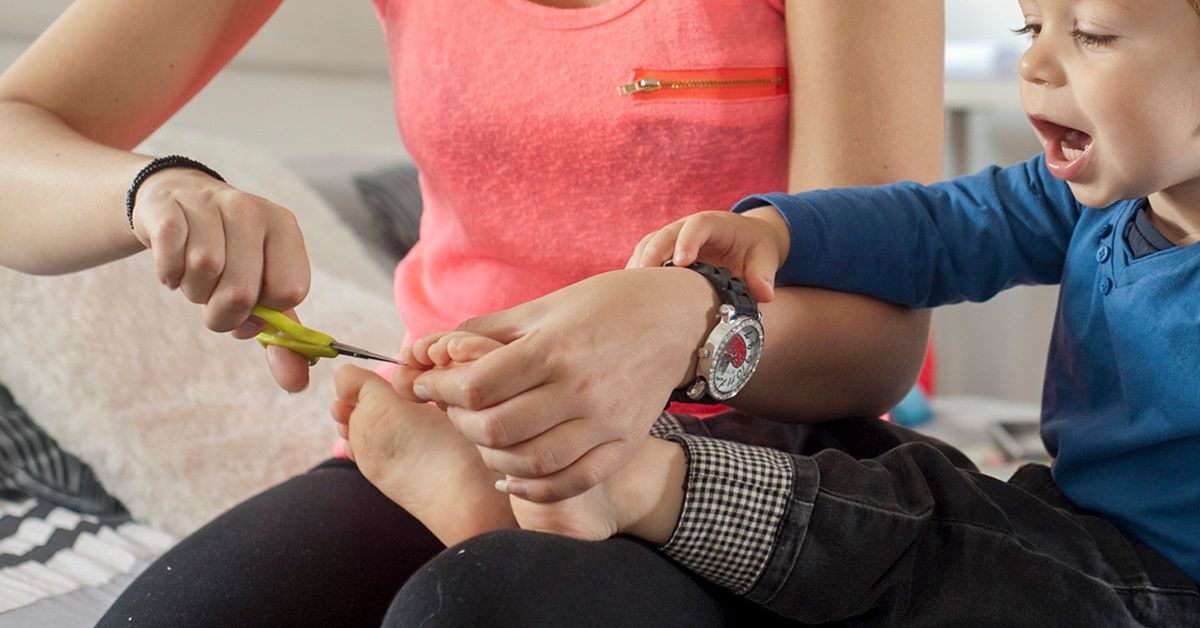

Cutting your toenails seems like one of those basic life skills everyone just magically knows… until you nick your skin, end up with an ingrown toenail, or your big toe suddenly looks like it needs its own ZIP code. The good news? With a few simple techniques and the right tools, you can trim toenails safely, comfortably, and in a way that helps prevent problems like pain, infection, and ingrown nails.
This step-by-step guide walks you through how to cut toenails properly, when not to DIY, and smart tips from podiatrists and dermatologists to keep your feet healthy for the long haul.
Why Cutting Toenails Correctly Matters
Toenails are more than decorative keratin. They protect the tips of your toes, help with balance, and act as a barrier against injury. When you cut them too short, at odd angles, or with dull tools, you can:
- Increase your risk of ingrown toenails, where the nail edge digs into the skin
- Cause small cuts that may lead to infections
- Make it easier for fungus to get under the nail
- Trigger soreness that makes walking or wearing shoes uncomfortable
Health organizations like Mayo Clinic and podiatry associations consistently recommend cutting toenails straight across and not too short to help prevent ingrown toenails and other problems.
Before You Start: Prep and Tools
Soften and Clean Your Feet
Soft nails are easier and safer to cut. That’s why many dermatologists suggest trimming your nails after a shower or foot soak.
- Wash your feet with soap and warm water. Pay attention to the areas between your toes.
- Soak your feet for 5–10 minutes if your nails are thick or hard.
- Dry thoroughly, especially between the toes, to reduce moisture that can promote fungal growth.
Choose the Right Tools
That random kitchen scissors? Hard pass. Using proper tools helps you get a clean, controlled cut and lowers your risk of injury.
- Straight-edged toenail clippers: Ideal for cutting toenails straight across.
- Nail nippers: Helpful for very thick or tough nails.
- Nail file or emery board: For smoothing sharp corners after trimming.
- Clean towel or paper towel: To dry and support your foot.
Always make sure your tools are clean. Wash them with soap and water, and if possible, wipe the blades with rubbing alcohol before and after trimming to reduce the risk of infection.
How to Cut Toenails: Step-by-Step Instructions
Ready to trim? Here’s a simple, podiatrist-approved routine you can follow at home.
Step 1: Get Into a Comfortable Position
Find a spot where you can easily reach your toes without twisting like a yoga instructor:
- Sit in a sturdy chair with your foot resting on a low stool or another chair.
- Make sure there’s good lighting so you can clearly see what you’re doing.
Step 2: Inspect Your Toenails and Skin
Before you start cutting, take a quick look at each toe. Check for:
- Redness, swelling, or warmth around the nail
- Thickened, discolored, or crumbly nails (possible fungal infection)
- Painful skin where the nail edge meets the toe (could be an ingrown toenail)
If you notice significant pain, obvious infection, or you have conditions like diabetes or poor circulation, it’s safest to see a doctor or podiatrist before trimming.
Step 3: Start at One Corner and Work Across
This is where the “how to cut toenails” magic happens.
- Hold the clippers straight. Align them with the nail so you’re cutting straight across, not at an angle.
- Make small cuts. Instead of trying to chop off the entire nail in one big “click,” make several small, straight cuts from one side to the other. This helps prevent splitting and gives you more control.
- Follow a straight line. The goal is a flat edge that’s perpendicular to your toenot rounded, not V-shaped, not “I’ll just tuck this corner a bit.”
Think of it as creating a mini “platform” across the end of your toe. Uneventful-looking, yesbut far less likely to become an ingrown toenail.
Step 4: Don’t Cut Too Short
This is where many people get into trouble. Toenails should be:
- Not longer than the tip of the toeso they don’t press into your shoes
- Not so short that the corners dip below the skin, which can cause ingrown nails
A good rule of thumb (or toe): leave a thin, even line of nail past the skin. Health sources recommend trimming so the corners of the nail lie loosely against the skin, not buried in it.
Step 5: Smooth the Edges
Once you’ve cut straight across:
- Use a nail file to slightly smooth sharp edges.
- File in one direction rather than “sawing” back and forth if your nails are delicate.
- Resist the urge to aggressively round the cornersjust enough to remove sharpness, not enough to change the basic straight shape.
Step 6: Clean Up and Moisturize (Optional)
Brush or rinse away nail clippings and any dust from filing. If your skin is dry, apply a light, non-greasy moisturizer to the tops and bottoms of your feetbut skip between the toes, where excess moisture can lead to fungal issues.
How Often Should You Cut Your Toenails?
Toenails generally grow more slowly than fingernails, so you won’t need to trim them as often. Many podiatrists suggest trimming every 3–4 weeks, depending on how fast your nails grow and the kind of shoes you wear.
If your nails start hitting the inside of your shoes, snagging socks, or making that awful “thunk” against the front of your running shoes, it’s time for a trim.
Special Situations: Thick Nails, Kids, and Older Adults
Thick or Fungal Toenails
Thickened toenailsoften due to age, trauma, or fungal infectioncan be harder to cut safely. To make trimming easier:
- Soak your feet in warm water for 10–15 minutes to soften the nail.
- Use strong, high-quality nail nippers designed for thick nails.
- Take small, straight cuts rather than trying to force the tool through.
If the nail is extremely thick, curved, or painful, it’s best to have a podiatrist trim it and evaluate for fungus or other issues.
Cutting Children’s Toenails
Kids’ toenails tend to grow quickly, and they’re often barefoot or in tight shoes, which can increase the risk of ingrown nails.
- Trim after bath time when nails are soft.
- Use smaller, easy-to-control clippers.
- Explain what you’re doing so they don’t jerk or pull away mid-cut.
- Again, cut straight across and not too short.
Older Adults or People With Limited Mobility
As we age, nails often get thicker, and flexibility decreasesreaching your toes safely can become a challenge. For older adults or anyone with balance issues:
- Avoid awkward positions where you might slip or fall.
- Consider asking a family member to helpwith clean tools and good lighting.
- Regular professional nail care from a podiatrist can be safer and more comfortable.
When You Should Not Cut Your Own Toenails
DIY toenail trimming is fine for many peoplebut not for everyone. Talk with your doctor or podiatrist before cutting your toenails if you:
- Have diabetes
- Have poor circulation in your feet
- Have nerve damage or reduced feeling in your feet
- Notice persistent redness, swelling, drainage, or severe pain around a nail
- Suspect a fungal infection you’ve never had checked
People with diabetes or circulation problems are often advised to let a foot care specialist or podiatrist handle nail trimming, because even small cuts can turn into more serious wounds if not managed properly.
How to Help Prevent Ingrown Toenails
Even if you follow all the right steps, some people are simply more prone to ingrown toenails due to their nail shape or genetics. But you can still dramatically lower your risk with a few simple habits:
- Cut toenails straight across. No deep rounded corners, no V-notches, no “just a little shorter on this side.”
- Don’t cut them too short. Let them extend slightly past the tip of the toe.
- Wear shoes that fit. Avoid narrow, tight, or pointy toe boxes that squeeze the nails into the skin.
- Protect your toes. Try not to drop heavy objects on your feet (your toes really hate that), and wear proper shoes for sports.
- Seek help early. If a nail starts to curve into the skin or becomes consistently sore, see a professional before it worsens.
FAQs About Cutting Toenails
Should I cut a “V” in the middle of the toenail?
No. That’s a persistent myth. Cutting a V in the center doesn’t change how the nail grows at the sides and won’t fix or prevent ingrown toenails. It just creates a weird-looking toenail.
Is it okay to get pedicures instead of cutting my own toenails?
Yeswith conditions. If you’re healthy and don’t have diabetes, circulation problems, or a high risk of infection, professional pedicures can be fine as long as the salon follows strict hygiene practices. But always ask the technician to trim your nails straight across, not rounded or extremely short.
Can I pull or rip off part of my nail?
Hard no. Ripping nails can leave jagged edges, damage the nail bed, and greatly increase your infection risk. If a nail is damaged or partially torn, see a healthcare provider to handle it properly.
What if my toenail already seems ingrown?
If you have mild soreness, no signs of infection, and no major health conditions, your provider may suggest warm soaks and gentle care at home. But if there’s significant pain, pus, spreading redness, or if you have diabetes, get medical care promptlydon’t try to “dig it out” yourself.
Real-Life Experiences and Practical Tips (Extra )
Learning how to cut toenails properly often comes from a mix of good advice and “Well, I’ll never do that again” experiences. Here are some common real-life scenarios and the lessons people usually take away from them.
The “Weekend Warrior” Ingrown Toenail
Picture this: someone trims their toenails super short on Friday so they’ll “look neat” in sandals, then spends the weekend hiking in tight boots. By Monday, the side of the big toe is red, swollen, and feels like it’s pulsing in time with their heartbeat.
What went wrong? The combo of:
- Nails cut too short
- Edges slightly rounded into the corners
- Pressure from shoes during activity
That triple threat is a classic recipe for ingrown toenails. The takeaway: before long hikes, runs, or sports, trim your toenails a few days in advance and keep them straight and just above toe-tip length. That gives your toes time to settle, and you can spot any early irritation before lacing up.
The “Salon Surprise”
Another common story: someone who rarely has nail issues decides to treat themselves to a pedicure. The technician trims the nails deeply into the corners to make them “nice and round.” Everything looks greatuntil a week later, when the nail edge begins growing into the skin. Hello, ingrown toenail.
This is why most medical sources recommend that even during pedicures, you ask for straight-across trimming and avoid overly short or curved cuts. You can absolutely still enjoy the foot soak, scrub, and polishjust take charge of how the nails are cut.
The “I Can’t Reach My Feet Anymore” Phase
For a lot of people, there comes a time when bending down to trim toenails feels like trying to fold a lawn chair that doesn’t want to fold. This can happen with age, weight changes, mobility issues, or joint pain.
At this point, toenail trimming often becomes either “I ignore it and hope for the best” or “I rush and just snip what I can see.” Both choices can backfire. Long, untrimmed nails may catch on socks or bedding, while rushed cuts can catch skin or cause jagged edges.
Practical options include:
- Using a long-handled nail clipper tool designed to reduce bending
- Asking a trusted family member for help and showing them how to cut toenails straight across
- Scheduling regular visits with a podiatrist or foot care nurse for safe, professional trims
Many older adults find that once they outsource toenail care, they walk more comfortably and worry less about accidental cuts.
The “Thick Toenail Mystery”
Another real-life scenario: someone notices that over time, one toenail becomes thicker, more yellow, and hard to cut. They start attacking it with tiny household scissors or even try to file it way down. It feels like carving a small piece of wood.
Thick nails may be due to repeated trauma (like from tight shoes or stubbing toes), fungal infections, or just aging. Rather than fighting the nail with the wrong tools, it’s more effective to:
- Soak the foot first
- Use sturdy nail nippers rather than basic clippers
- Trim in small, straight cuts
- Talk with a healthcare provider about whether treatment for fungus or other causes is needed
Once the underlying issue is addressed, trimming usually gets easier and safer.
The “New to Self-Care” Routine
Finally, many people only start paying attention to foot care when something hurts. But once they build a simple routinewash, dry, trim every few weeks, choose shoes that fitthings change. Walking feels better. Socks last longer. And they spend less time worrying about random toe pain.
A good toenail care routine doesn’t have to be fancy. In fact, the best routines are boringly consistent: trim straight across, don’t rush, don’t overcut, and watch for changes. Paired with occasional professional checkups when needed, this approach keeps your toes out of trouble and your feet ready for whatever your day demands.
The bottom line: learning how to cut toenails properly is a small skill with a big payoff. Your future selfwalking comfortably, wearing your favorite shoes, and not scheduling emergency appointments for angry toenailswill thank you.
Conclusion
Toenail trimming may seem like a minor task, but doing it the right way protects your toes, prevents painful ingrown nails, and keeps your feet healthier overall. Cut straight across, avoid cutting too short, use clean tools, and pay attention to any changes in your nails or skin. If you have medical conditions like diabetes, thick or curved nails, or persistent pain, involve a podiatrist or healthcare provider instead of going it alone.
Good toenail care doesn’t have to be complicated or glamorousbut your feet will definitely notice the difference.