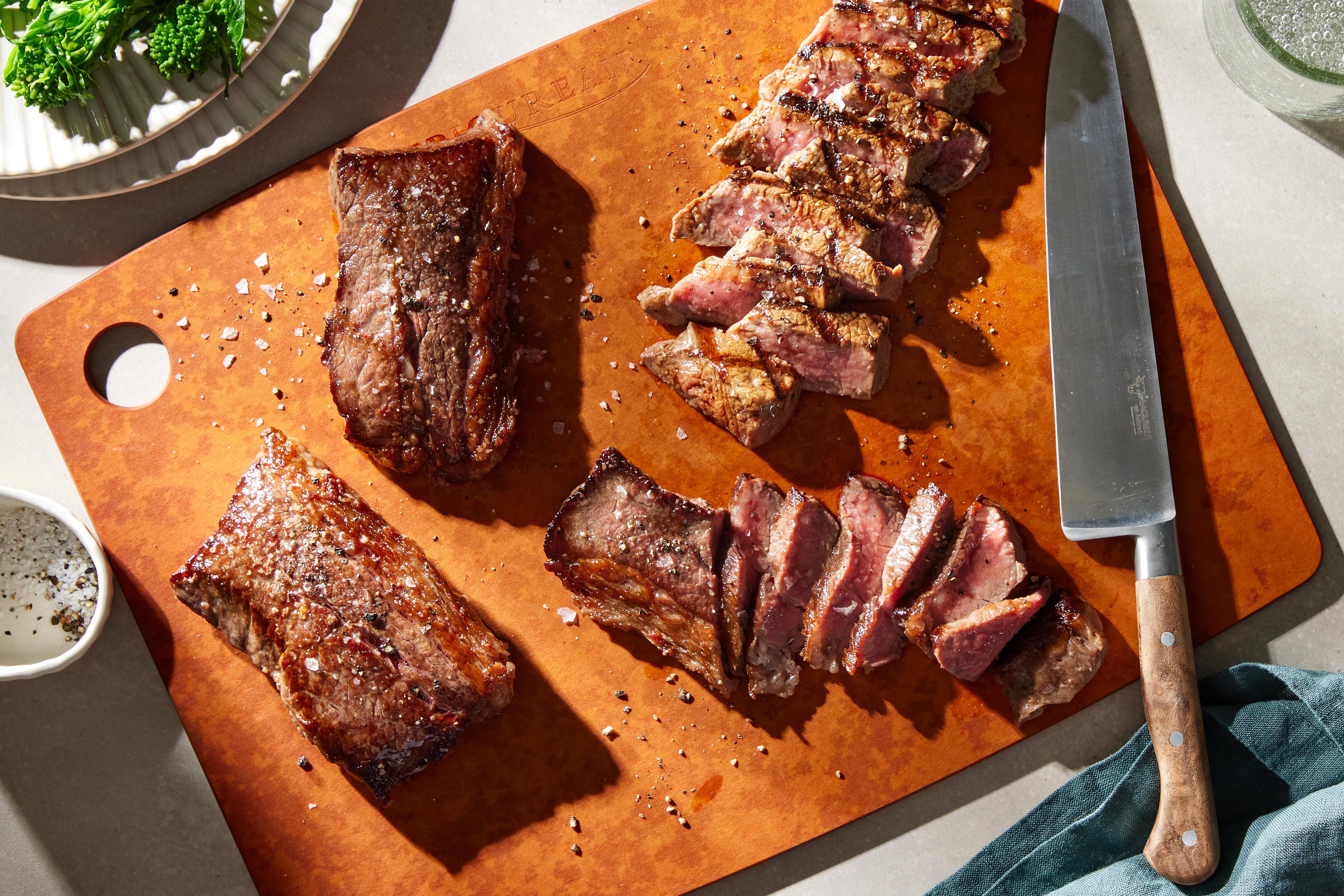

Tri-tip is the overachiever of the beef case: flavorful, fairly tender, and often cheaper per pound than the “fancy” steaks that act like they pay rent. It’s also sneaky-versatileyou can treat it like a roast, cook it like a thick steak, or smoke it for weekend bragging rights. The best part? One tri-tip can feed a crowd (or feed you now and future-you in sandwiches).
In this guide, you’ll learn three reliable ways to cook tri-tipoven reverse-sear, Santa Maria–style grilling, and smoke-then-searplus how to season it, what temperatures to aim for, and the one step that separates “wow” from “why is this chewy?” (Spoiler: it’s slicing.)
What Is Tri-Tip, Exactly (and Why Is It a Budget Hero)?
Tri-tip is a triangular cut from the bottom sirloin area. It’s known for a beefy flavor and a texture that stays tender when you don’t overcook it. The cut is especially associated with California “Santa Maria” barbecue, but it’s available in many supermarkets and butcher shops nationwidesometimes labeled as tri-tip roast, Santa Maria roast, or triangle roast.
Why it works for an inexpensive entrée:
- Big payoff, modest price: It can feel “special occasion” without the special-occasion bill.
- Feeds 4+ easily: A 2–3 pound tri-tip can serve a family with leftovers if you slice it thin.
- Leftovers are elite: Think tacos, grain bowls, steak salads, and cold sandwiches that make lunch jealous.
Tri-Tip Basics: Seasoning, Temperature, and the “Two Grains” Situation
Seasoning: Keep it simpleor go bold
Tri-tip can handle basic seasoning like a champ. At minimum, use kosher salt + black pepper. Add garlic powder, smoked paprika, or a steak rub if you want more drama. You can also marinate it, but you don’t have totri-tip has enough flavor to stand on its own.
Quick dry-brine option (highly recommended): Salt the tri-tip all over and let it rest uncovered in the fridge for 4–24 hours. This helps season the meat deeper and encourages a better crust. If you’re short on time, even 30–45 minutes at room temperature after salting helps.
Temperature: Doneness targets (and the safe minimum)
Tri-tip eats best around medium-rare to medium. A thermometer is your best friend herecolor alone can be misleading.
- Medium-rare: pull around 125–130°F, rest, and you’ll land roughly 130–135°F
- Medium: pull around 135–140°F, rest, and you’ll land roughly 140–145°F
- Food safety note: Many official guidelines list 145°F with a rest as the safe minimum for whole cuts. If you’re cooking for anyone pregnant, immunocompromised, or just prefer well-done, aim for that range.
Slicing: The #1 tenderness hack
Tri-tip has a quirk: the grain often runs in two different directions. If you slice it wrong, it can seem tougher than it really is. The fix is simple:
- Let it rest.
- Find where the grain changes direction (often near the center).
- Cut the tri-tip into two sections at that grain intersection.
- Slice each section thinly against the grain.
Method 1: Oven Reverse-Seared Tri-Tip (Steakhouse Results, No Grill Required)
If you want maximum control and a gorgeous crust, the reverse-sear is the move. You cook the tri-tip gently at a low temperature first, then finish with a hot sear. This method is famously forgiving and tends to produce evenly cooked meat from edge to center.
What you’ll need
- Oven + sheet pan (ideally with a rack)
- Instant-read thermometer (or probe thermometer)
- Cast-iron skillet (optional but excellent) or broiler
Step-by-step
- Season: Pat dry. Season generously with salt and pepper (and optional garlic powder or rub).
- Low roast: Heat oven to 225–250°F. Place tri-tip on a rack over a sheet pan. Roast until the thickest part hits 110–115°F (for medium-rare finish). This often takes around 45–90 minutes depending on size and shape.
- Rest (briefly): Pull it out and rest for 10 minutes while you heat your searing surface.
- Sear: Heat a cast-iron skillet until very hot (a drop of water should sizzle instantly). Add a small amount of high-heat oil. Sear 1–2 minutes per side until deeply browned. If you don’t have a skillet, use the broiler: place the tri-tip close to the broiler and brown each side, watching closely.
- Final temp + rest: Stop searing when the center reads 125–130°F for medium-rare (or higher for your preferred doneness). Rest 10–15 minutes.
- Slice correctly: Split where the grain changes and slice thinly against the grain.
Budget-friendly serving ideas
- Steakhouse plate: sliced tri-tip + roasted potatoes + simple salad
- Weeknight upgrade: serve over rice with chimichurri or a quick pan sauce
- Leftover plan: reserve 1/3 for sandwiches (a little mayo + horseradish = magic)
Troubleshooting
- Not browning? Your skillet isn’t hot enough or the surface is wet. Pat the meat dry before searing.
- Too done? Pull earlier next time. Tri-tip is lean enough that overcooking shows up fast.
Method 2: Grill It Santa Maria–Style (Two-Zone Heat, Big Flavor)
This is the classic approach: sear over direct heat, then finish over indirect heat. It’s how you get that smoky, char-kissed crust while still keeping the inside juicy.
What you’ll need
- Charcoal or gas grill set up for two-zone cooking
- Tongs
- Thermometer
Classic Santa Maria-inspired seasoning
Traditional versions often lean on a simple rubsalt, pepper, and garlicsometimes with paprika or onion powder. You can keep it minimal and still win dinner.
Step-by-step
- Preheat and set zones: Build a hot direct side and a cooler indirect side. On a gas grill, one side high, the other medium-low or off.
- Season: Pat dry; season well.
- Sear: Place tri-tip over direct heat. Sear 3–5 minutes per side until a deep brown crust forms.
- Move to indirect: Slide to the cooler side, close the lid, and cook until the center hits:
- 125–130°F (pull for medium-rare), or
- 135–140°F (pull for medium)
- Rest: Rest 10–15 minutes.
- Slice thin against the grain: Remember the two-grain tricksplit, then slice each half correctly.
Easy “cheap but impressive” side dishes
- Charred corn + lime
- Grilled onions and peppers (instant fajita vibes)
- Garlic bread (the budget “sauce sponge”)
- Simple beans or potato salad
Grill pro tips
- Don’t chase timechase temperature: Tri-tip thickness varies, so rely on a thermometer.
- Keep the lid closed on indirect: You’re roasting with grill heat, not just waving meat at fire.
- Slice thin: Thin slices feel more tender and stretch servings further.
Method 3: Smoke-Then-Sear Tri-Tip (Weekend Mode, Maximum Compliments)
If you have a smoker or pellet grill, tri-tip is a smart “inexpensive entrée” play: it delivers smoky, brisket-adjacent satisfaction in a fraction of the time. The best approach is often smoke low to build flavor, then sear hot for a crust.
What you’ll need
- Smoker or pellet grill (or a kettle grill set for indirect smoking)
- Wood choice: oak is classic; hickory or mesquite can be stronger (use a lighter hand)
- Thermometer
- Very hot grill grate or cast-iron skillet for searing
Step-by-step
- Season: Use salt and pepper plus your favorite rub. Optional: a thin layer of mustard or oil helps the seasoning stick.
- Smoke: Heat smoker to about 225°F. Smoke tri-tip until it reaches 110–115°F internal for a medium-rare finish (or a little higher if you want medium).
- Rest (short): Rest 10 minutes while you crank up heat for the sear.
- Sear: Sear over very high heat (or in a ripping-hot cast iron) about 60–90 seconds per side until browned.
- Final temp + rest: Stop searing when the center reads 125–130°F for medium-rare (or higher for medium). Rest 10–15 minutes.
- Slice: Split at the grain intersection, then slice each half against the grain.
Smoked tri-tip serving ideas that stretch your budget
- Taco night: thin slices + salsa + onions + cilantro
- BBQ bowl: rice + beans + corn + tri-tip + a creamy sauce
- Sandwiches: pile onto rolls with pickles and a quick slaw
How to Make Tri-Tip Feel Like a “Full Meal” Without Spending More
Tri-tip already does the heavy lifting. Your job is to pair it with sides that are cheap, fast, and satisfying.
Pick one starch + one veg = dinner
- Starch options: roasted potatoes, rice, tortillas, pasta salad, crusty bread
- Veg options: bagged salad, grilled zucchini, quick sautéed green beans, coleslaw
Simple sauces that upgrade everything
- Chimichurri: parsley, garlic, vinegar, olive oil, chili flakes
- Garlic butter: butter + minced garlic + lemon
- Pan sauce (oven method): deglaze the skillet with broth or wine, whisk in butter
Extra Experiences: What Cooking Tri-Tip Is Really Like (and How to Win Every Time)
Here’s the truth nobody puts on the label: tri-tip is easy to love, but it’s also the kind of cut that teaches you a few things about heat, patience, and the emotional rollercoaster known as “carryover cooking.” If you’ve ever pulled a beautiful tri-tip off the heat, felt like a confident food genius, and then sliced into it only to think, “Wait… why does this feel a little chewy?”welcome to the club. The good news is that most tri-tip “problems” are actually simple cause-and-effect moments that you can fix forever.
Experience #1: The shape messes with your instincts. Tri-tip is thicker at one end and thinner at the other, which means the thin tip can race toward doneness while the thick side is still warming up. The first time you cook it, you might panic and flip it too often, or keep moving it around like it’s going to escape. What usually works better is accepting that you’ll get a natural gradient: thinner end more done, thicker end more pink. If you want more even doneness, position the thickest part closer to the gentler heat (indirect side of the grill or the cooler area of the smoker), and don’t be afraid to rotate once or twice during the indirect phase.
Experience #2: The “rest” feels optional until you skip it. When you’re hungry, resting meat sounds like a prank. But tri-tip rewards resting more than people expect. If you slice immediately, juices run out, and the meat can seem drier and tougher. Resting 10–15 minutes helps the juices redistribute and gives you cleaner slices. The funny part? The rest is also when you can throw together a quick sauce, warm tortillas, or toss a saladso dinner finishes itself while you pretend you planned it that way.
Experience #3: The thermometer becomes your best friend (and your quiet flex). Tri-tip is one of those cuts where time estimates can be wildly inaccurate because size and thickness vary. Once you cook with a thermometer, you stop guessing and start landing your doneness on purpose. You’ll also notice how quickly temperature can climb during a hard sear. The “smoke-then-sear” and “reverse-sear” methods feel almost magical because the gentle cooking phase gives you a wide target, and the sear is just the finishing move. After a couple of runs, you’ll start pulling the meat a few degrees early without overthinking it, because you’ll recognize that carryover heat is real and it shows up right after you take it off the fire.
Experience #4: Slicing is where the whole story changes. Tri-tip’s grain direction can shift, and that’s the moment it becomes a teaching cut. The first time you slice it wrong, it might taste like you accidentally bought “chewy-tip.” Then you learn the two-section trickfind the grain intersection, split it, then slice each half against the grainand suddenly it eats like a different cut. This is also why thin slices matter: you can stretch servings for a budget meal, and every bite feels more tender. It’s a win for texture and a win for your grocery bill.
Experience #5: Leftovers are where tri-tip becomes a lifestyle. A lot of budget entrées feel like “good enough tonight, sad tomorrow.” Tri-tip is the opposite. Cold slices make incredible sandwiches, especially with something punchy like horseradish sauce, mustard, pickles, or a quick slaw. Warm leftovers reheat best when you go gentlelow heat in a skillet with a splash of broth, or briefly in the microwave at lower powerso you don’t accidentally cook it into toughness. Once you’ve had tri-tip tacos the next day, you’ll start cooking tri-tip on purpose for the leftovers, which is basically the adult version of planning ahead.
Conclusion: Your Tri-Tip Game Plan
If you want tri-tip to stay tender and taste like it cost more than it did, remember the three rules: use a thermometer, don’t skip the rest, and slice against the grain (in two sections if needed). Choose your method based on your day: reverse-sear for maximum control, Santa Maria grilling for classic backyard flavor, or smoke-then-sear when you want compliments that last longer than the leftovers.