
Silver-plated stuff is the overachiever of the home world: it looks fancy, it photographs like a celebrity,
and it absolutely refuses to stay shiny for more than five minutes. One dinner party, one humid week,
or one innocent “I’ll deal with it later” andboomyour platter is wearing a moody gray sweater of tarnish.
The good news: you don’t need a chemistry degree or a drawer full of specialty products to get silver plate
looking bright again. The slightly trickier news: silver plate is not the same as solid silver, so you can’t
treat it like a cast-iron pan and “scrub until you feel something.” (That “something” is usually the plating
coming off. Sad trombone.)
Below is a safe, household-ingredient approach that cleans silver-plated flatware, trays, candlesticks,
serving pieces, and décor with minimal dramaplus prevention tips so you can spend less time polishing and
more time doing literally anything else.
Before You Start: What Silver Plate Is (and Why It’s Extra)
Silver-plated items are made from a base metal (often nickel silver, brass, copper, or similar)
coated with a very thin layer of real silver. That outer layer is what you seeand what you’re trying to protect.
Unlike sterling silver, the “good part” is only skin-deep, so aggressive scrubbing or frequent abrasive polishing
can wear through and expose the base metal underneath.
Tarnish is typically a chemical reaction between silver and sulfur-containing compounds in air.
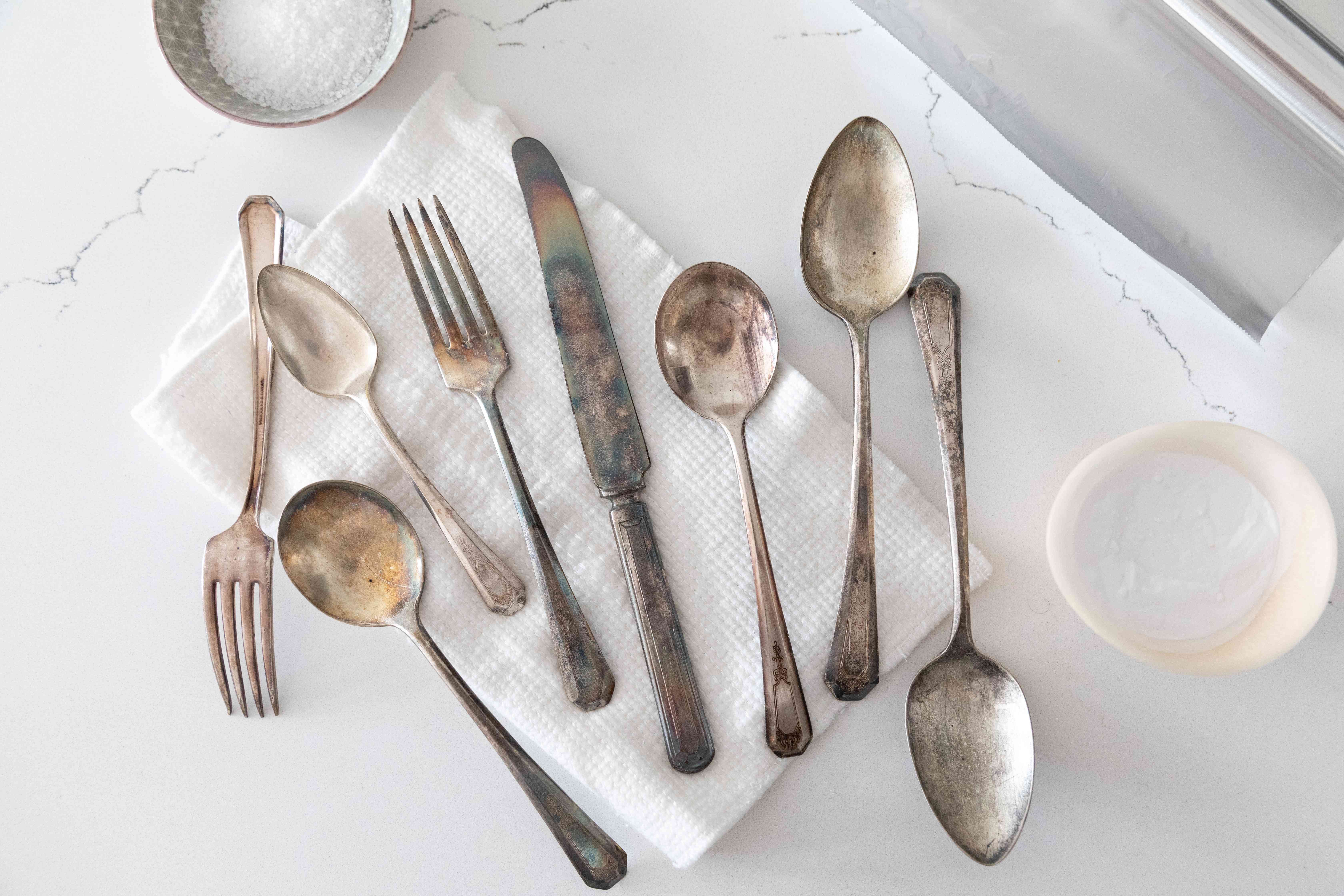
It starts as yellowing, then turns gray, brown, or black. Tarnish looks scary, but it’s usually removableespecially
if you catch it before it gets heavy and stubborn.
Quick ID tip
Many silver-plated pieces are marked with clues like EP, EPNS, Silverplate,
or brand patterns. Sterling is often marked “Sterling” or “925.” If you’re unsure,
assume it’s plated and clean gentlybecause that’s the safer bet.
The “Don’t Regret This Later” Safety Rules
- Start with the gentlest method. You can always level up, but you can’t un-scratch silver plate.
- Never use steel wool, scouring pads, or abrasive powders. They can permanently damage the finish.
- Be cautious with pastes. Baking soda paste can be mildly abrasiveuse lightly and infrequently.
-
Don’t soak items with glued parts, hollow handles, or mixed materials.
Moisture can seep in and cause problems you can’t easily dry out. - Avoid harsh chemicals. Bleach, strong ammonia solutions, and some “miracle” cleaners can pit or discolor.
- Test a small area first. Especially on antiques, ornate pieces, or anything with sentimental value.
Household Supplies You’ll Need
Pick what matches your situation. You do not need all of this at once.
- Mild dish soap
- Warm water
- Soft microfiber cloths (or soft cotton cloths)
- Soft sponge (non-scratch)
- Soft toothbrush (for crevices)
- Baking soda
- Table salt
- Aluminum foil
- White vinegar (optional, for specific spot-cleaning scenarios)
- Olive oil (optional, for water spots and final buffing)
- Plastic or silicone tongs (optional but handy)
- A glass/ceramic baking dish or heat-safe bowl (for the foil bath method)
Step 1: Wash Off Grime First (The Method Everyone Skips)
Tarnish removal works best when you’re not trying to remove “tarnish + gravy + mystery cabinet dust” all at once.
So start hereeven if the item looks like it came from a pirate ship.
Gentle soap-and-water wash
- Fill a basin or sink with warm water and a few drops of mild dish soap.
- Wipe the item with a soft sponge or cloth. Use a soft toothbrush for grooves and decorative details.
- Rinse with clean water.
- Dry immediately with a soft cloth to prevent water spots.
If your silver-plated item now looks “clean but still dull or dark,” that’s tarnishand it’s time for the
crowd-favorite trick.
Step 2: Remove Tarnish with the Aluminum Foil + Baking Soda Bath
This method is popular for a reason: it can remove tarnish quickly without heavy rubbing.
It works best for evenly tarnished pieces like trays, serving spoons, candlesticks, and many types of flatware.
How it works (quick explanation): Tarnish is often silver sulfide.
When silver touches aluminum in a hot, baking soda/salt solution, a gentle electrochemical reaction helps convert
that tarnish back toward silver while the aluminum takes the hit. Translation: your foil gets gross so your platter
doesn’t have to.
Foil bath instructions (safe, effective, and low drama)
- Line a glass or ceramic dish with aluminum foil (shiny side up is common, but either works).
- Place the silver-plated item in the dish so it touches the foil somewhere.
-
Sprinkle in:
- 1–2 tablespoons baking soda
- 1 tablespoon salt
(Scale up for large pans: you’re making a “tarnish-removal spa,” not a single cup of tea.)
- Carefully pour in very hot water (hot tap water can work for light tarnish; near-boiling is faster).
-
Let it sit for 2–5 minutes. You may see bubbling and smell a faint sulfur odor
(open a window if you’re sensitive). - Use a soft cloth or gloved fingers to gently rub any loosened tarnish.
- Remove the item, rinse thoroughly, and dry immediately.
When not to use the foil bath
- Pieces with intentional dark patina in recessed designs you want to keep.
- Items with glued-on parts, fragile joints, or areas where water could get trapped.
- Silver-plated pieces with inlays, pearls, porous stones, or delicate mixed materials.
- Very valuable antiques where you’d rather be cautious than sorry.
Foil bath troubleshooting
- Nothing happened? Make sure the item is touching the foil and the water is hot enough. Also, wash first.
- Patchy results? Reposition the item so different areas touch the foil, then repeat briefly.
- It looks “yellow” or “warm” in spots? That can be thin plating showing base metal tones. Stop scrubbing and switch to gentler care.
Step 3: Spot-Clean Stubborn Areas (Without Sanding Off History)
If you’ve got small dark spots, tight crevices, or tarnish that clings like it pays rent, use a targeted approach.
The goal is to remove the problemnot the silver layer.
Option A: A very gentle baking soda paste (use sparingly)
- Mix 3 parts baking soda with 1 part water to form a paste.
- Using a soft cloth, apply light pressure and rub only the affected area.
- Use a soft toothbrush gently in crevices (think “massage,” not “scrub”).
- Rinse well and dry immediately.
Important: Because baking soda can act as a mild abrasive, this is best used occasionally and gentlyespecially on silver plate.
If your piece is already worn, skip this and stick to the foil bath + soft wiping.
Option B: Vinegar for small, simple pieces (use caution)
White vinegar can help loosen some tarnish films, but acids can also be risky on worn plating.
If you try this, keep it short and controlled.
- Dampen a cloth with white vinegar (don’t soak the item).
- Wipe the tarnished spot gently.
- Rinse with water and dry thoroughly.
Step 4: Remove Water Spots and “Cloudy Film”
Sometimes silver plate isn’t tarnishedit’s just dull from minerals, soap residue, or water spots.
Before you go full science experiment, try the simple fix.
Quick shine restore
- Wash with mild soap and warm water.
- Rinse thoroughly.
- Dry immediately.
-
For stubborn water spots, buff lightly with a soft cloth that has a tiny amount of olive oil,
then re-wipe with a clean, dry cloth so it doesn’t feel greasy.
What NOT to Do (Your Silver Plate Will Thank You)
- Don’t use toothpaste on silver-plated items. Many toothpastes are abrasive and can wear plating faster than you’d expect.
- Don’t use paper towels for rubbing. They can micro-scratch; use microfiber or soft cotton instead.
- Don’t use bleach or harsh cleaners. They can cause pitting or discoloration.
- Don’t “polish as therapy” every weekend. With silver plate, frequent abrasive polishing = thinner plating over time.
- Don’t leave pieces wet. Drying immediately helps prevent spots and weirdness.
- Don’t assume dishwashers are safe. Heat, detergents, and contact with other metals can dull finishes and speed corrosionespecially at worn spots.
How to Keep Silver-Plated Items Shiny Longer
The easiest way to “clean” silver plate is to prevent the worst tarnish from forming in the first place.
Here’s how to slow the process.
Daily/after-use habits
- Wash shortly after use with mild soap (especially after foods like eggs, onions, and salty dishes).
- Rinse well and dry immediately with a soft cloth.
- Handle with clean hands; oils can speed up tarnish in humid environments.
Storage tips that actually help
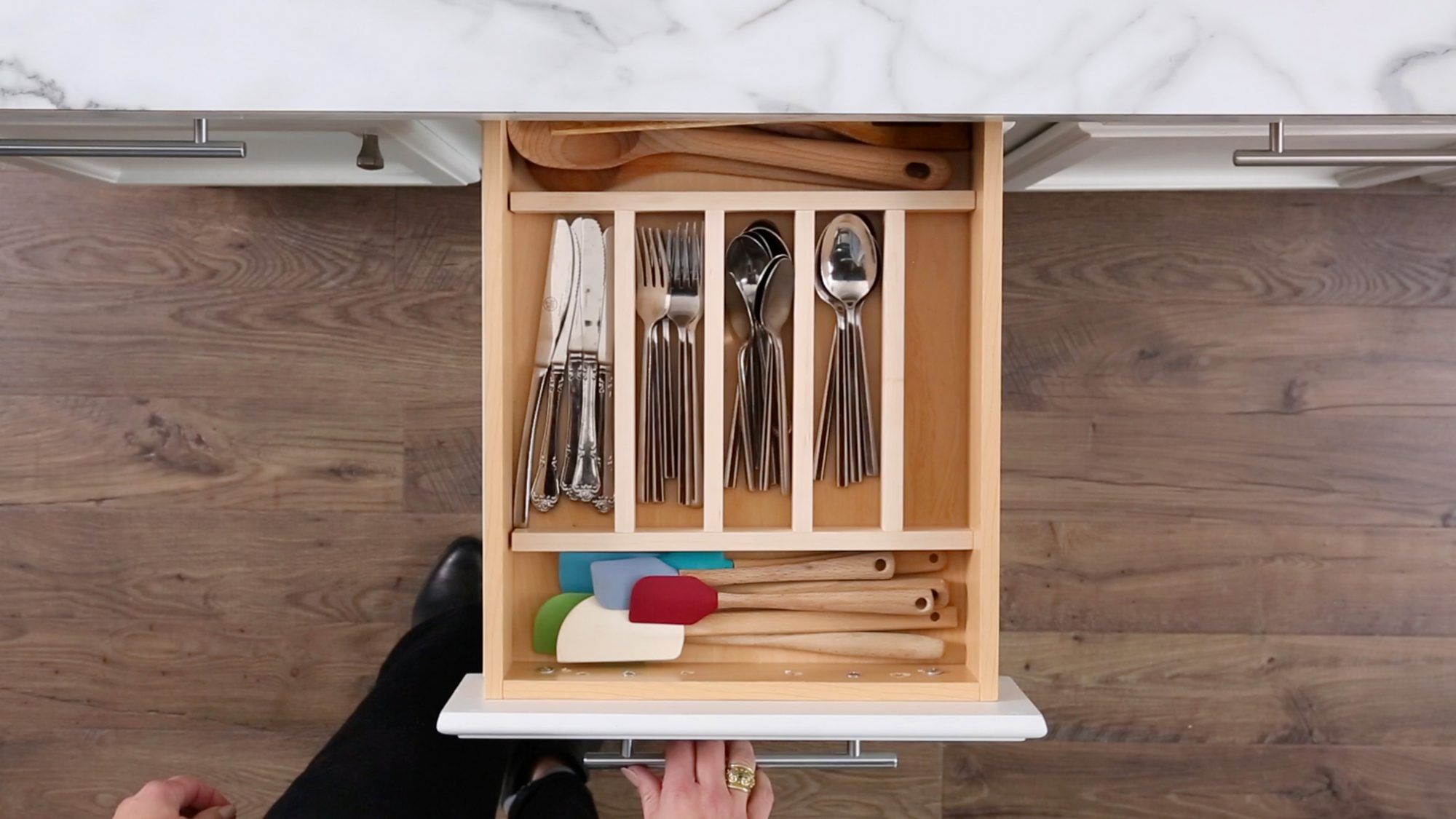
- Store in anti-tarnish cloth or treated flannel bags when possible.
- Keep pieces dry; add silica gel packets to storage bins to reduce moisture.
- Avoid storing silver plate in contact with rubber bands, some papers, or certain fabrics that can release sulfur compounds.
- If you display silver plate, give it a quick soft-cloth wipe now and then to remove oils and dust.
When to Stop DIY and Call in Backup
If you see coppery tones, persistent yellow patches, or base metal peeking through on edges and high points,
your plating may be thin or worn. At that point, harsh cleaning won’t “fix it”it can only remove more.
Gentle washing and careful storage become your best friends, and for special pieces, professional polishing
or replating may be worth considering.
Quick FAQ
How often should I clean silver-plated items?
Wash after use. Do deeper tarnish removal only when needed. Silver plate lasts longer when you clean gently
and avoid frequent abrasion.
Is the foil + baking soda method safe for silver plate?
It’s widely used and often gentler than heavy rubbing, but it’s not perfect for every objectespecially pieces with glued parts,
delicate construction, or finishes you want to preserve. When in doubt, test a small area and keep exposure brief.
Why does it smell a little weird?
Tarnish chemistry involves sulfur compounds. The foil bath can release a mild sulfur odor during the reaction.
Ventilation helpsopen a window and pretend you’re doing “home spa science.”
Real-Life Experiences: Cleaning Silver Plate Without Losing Your Mind (or the Plating)
The first time I cleaned a silver-plated serving tray, I made the classic mistake: I assumed “silver is silver,”
grabbed an old towel (because it was “soft”), and started rubbing like I was trying to erase a bad memory.
The tray got brighter… for about thirty seconds. Then I noticed something unsettling: the high points looked a little warmer,
almost like a faint brass tone peeking through. That’s the moment you realize silver plate is basically a very fancy
sticker. A very expensive, historically significant sticker. And you’re the person with a scrubby sponge.
Lesson one was immediate: friction is not your friend. If you have to press hard, the method is wrong.
That’s what sent me down the household-ingredients rabbit holebecause I wanted clean without the slow-motion tragedy.
The foil-and-baking-soda bath was my “wait, that’s legal?” moment. I lined a glass dish with foil, sprinkled baking soda and salt,
poured in hot water, and watched the tarnish lighten in minutes. The tray didn’t need aggressive rubbingjust a gentle wipe at the end.
The foil, however, looked like it had fought a war. Which is exactly the point.
Lesson two: always wash first. One time I skipped the soap-and-water step and went straight to the foil bath.
The tarnish faded, but I was left with a weird cloudy lookbecause what I actually “cleaned” was tarnish sitting on top of
old grease residue. Silver plate is dramatic, but it’s also very literal: it reflects what you leave behind. Now I do a quick
warm-water wash with mild dish soap, rinse, and dry. Only then do I decide if it needs tarnish treatment.
Lesson three: spot-clean like you’re defusing a bomb. When a candlestick had dark buildup in the crevices,
I tried a baking soda paste and a toothbrush. It workedbut only when I used the gentlest touch. The temptation is to “scrub
until it’s gone,” but that’s how you end up with a crevice that’s clean and a surrounding area that’s… mysteriously less silver.
Now I treat paste as an occasional, targeted tool: a small amount, light pressure, short time, rinse immediately.
Lesson four: some pieces should not be soaked. I once cleaned a vintage handle piece (the kind with seams and joints)
and noticed water kept seeping out long after I thought it was dry. That’s a big hint that moisture can hide inside hollow handles,
seams, or glued sections. These days, if an item seems like it could trap water, I avoid immersion and do careful surface cleaning only.
Finally, lesson five: prevention beats polishing. The biggest improvement wasn’t a new cleanerit was how I stored the pieces.
When I switched from “toss it in a drawer” to wrapping items in soft cloth and keeping them dry, tarnish slowed down dramatically.
Add a quick wipe after handling, and suddenly “special occasion silver” doesn’t look like it’s been buried in a swamp between holidays.
So if you’re staring at a dull silver-plated set right now: start gentle, wash first, use the foil bath for tarnish,
and remembersilver plate isn’t fragile, it’s just picky. Like a cat. A shiny, Victorian-era cat.
Conclusion
Cleaning silver-plated items with household ingredients is mostly about choosing the right level of “help.”
Mild soap and immediate drying handle everyday grime. The foil + baking soda + salt bath tackles tarnish with less rubbing.
Gentle spot-cleaning handles stubborn areas when used carefully. And smart storage keeps you from repeating the whole process
every time you blink.
If you take only one thing away: be kind to the plating. Your future self (and your future serving tray)
will be very grateful.