
A seagrass rug is the home-decor equivalent of that friend who looks effortlessly polished in every photo and then turns out to be a little high-maintenance in real life. It is durable, textured, naturally stylish, and surprisingly good at hiding everyday dust. But when it comes to cleaning, a seagrass rug does not want a dramatic spa day. It wants calm, restraint, and as little water as humanly possible.
If you have been wondering how to clean a seagrass rug without turning it into a warped, blotchy science project, the good news is that the process is simple once you understand the material. The trick is to think “dry first, damp only if necessary, and soaked never.” In this guide, you will learn how to remove dirt, deal with spills, freshen odor, avoid common mistakes, and keep your natural fiber rug looking sharp for the long haul.
Why Seagrass Rugs Need Special Care
Before you grab a carpet shampooer and charge into battle, it helps to know what makes seagrass different. Seagrass is a natural fiber with a smooth, somewhat waxy surface, which is one reason many homeowners love it in busy spaces like entryways, hallways, and living rooms. It does not cling to dirt the way some softer fibers do, and it often handles daily foot traffic like a champ.
Its weakness, however, is moisture. Too much water can cause discoloration, rippling, shrinkage, mildew, or that dreaded “why does my rug look like it survived a shipwreck?” effect. That is why proper seagrass rug cleaning focuses on vacuuming, quick spill response, low-moisture spot treatment, and dry cleaning methods for deeper refreshes.
In other words, your seagrass rug is not begging for a bubble bath. It is begging you to put the steam cleaner down and slowly back away.
What You Need Before You Start
- A vacuum with suction only or a brushless attachment
- Clean white or undyed cloths
- A dull spoon or butter knife for solids
- Baking soda or a dry carpet cleaning powder made for natural fibers
- A soft brush
- A small bowl of lukewarm water
- A tiny amount of mild, pH-neutral detergent if your rug’s care label allows it
- A fan or hair dryer on a cool or low setting
One important note: always check the manufacturer’s care tag first. Some seagrass rugs have borders, backings, or blended fibers that need slightly different treatment. When the label and the internet disagree, the label wins.
How to Clean a Seagrass Rug Step by Step
1. Start With Vacuuming
The best way to clean a seagrass rug is also the least glamorous: vacuum it regularly. Dirt and grit settle into the weave over time, and if they stay there, they grind against the fibers with every step. That slow abrasion is what makes an otherwise sturdy rug look tired before its time.
Use a vacuum without a beater bar, or switch the beater bar off if your vacuum allows it. Go slowly, vacuum from different directions, and use the handheld attachment around the edges and border. If you attack the border with an aggressive vacuum head, you risk fraying, fuzzing, or pulling up fibers. That is not “deep cleaning.” That is “starting a new problem.”
For most homes, once or twice a week is a good baseline. In high-traffic areas, homes with pets, or places where shoes seem to bring in half the neighborhood, more frequent vacuuming makes sense.
2. Tackle Spills Immediately
If something spills, speed matters. Blot the area right away with a dry white cloth or clean paper towel. Press firmly to absorb as much liquid as possible. Do not rub. Rubbing pushes the spill deeper into the weave and can rough up the fibers, which is exactly the opposite of what you want.
Work from the outside edge of the spill toward the center so it does not spread. This matters more than people think. A coffee spill that starts as a small circle can quickly become a modern art installation if you wipe outward like a maniac.
For a fresh liquid spill, blot, blot, and then blot some more. If the mark remains after the moisture is removed, move on to a very light spot-cleaning step.
3. Remove Solids Carefully
If you are dealing with food, mud, or pet mess, first remove the solid material with a dull spoon, butter knife, or similar tool. Lift gently rather than grinding it into the weave. Once the excess is gone, blot the remaining area with a dry cloth.
This step is boring, but it saves you from turning a surface mess into a deeper stain. Think of it as damage control with excellent manners.
4. Spot Clean With Minimal Moisture
Here is where people usually go wrong. They see a stain, panic, and start scrubbing with soap and water like the rug insulted their family. Seagrass hates that approach.
Instead, begin with the gentlest method possible. Lightly dampen a clean cloth with plain lukewarm water and blot the spot. Not wet. Not dripping. Barely damp. If your rug’s care instructions allow mild detergent, add only a tiny drop of pH-neutral soap to the water and test an inconspicuous area first.
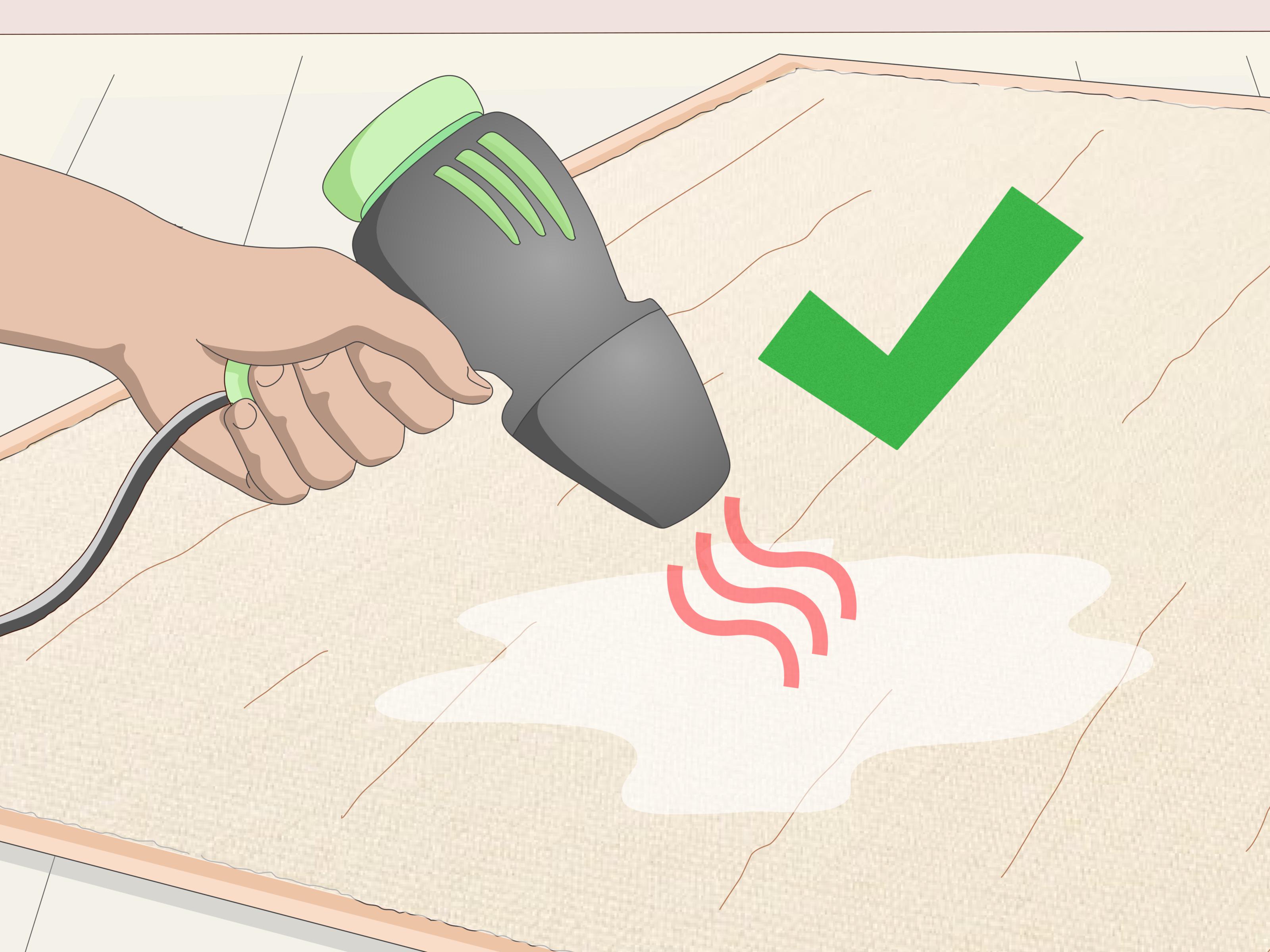
Blot the stain carefully, then follow with a dry cloth to absorb moisture right away. Repeat only if needed. The goal is controlled spot treatment, not saturation. If the area becomes too damp, dry it immediately with a fan or a hair dryer on a cool setting.
If the stain is stubborn and the rug is expensive, custom cut, or has a decorative border, professional cleaning is often the smarter move. Pride is cheaper than replacement.
5. Freshen the Rug the Dry Way
When a seagrass rug looks a little dull or smells a little stale, skip the wet solutions and use a dry refresh. Sprinkle baking soda or a dry carpet cleaning powder designed for natural fibers over the surface. Let it sit for several hours, then vacuum thoroughly.
This method can help with odor and loose dirt without introducing the moisture that causes so many natural fiber headaches. For smaller rugs, taking them outside for a gentle shake can also help knock loose dust that vacuuming misses.
6. Dry Fast if Any Moisture Gets Involved
This step deserves its own spotlight because it is that important. If any part of your seagrass rug gets damp during cleaning, dry it thoroughly and quickly. Use fans, open windows, or a cool hair dryer. Lift the rug slightly if possible so air can circulate underneath.
Leaving moisture in a natural fiber rug is basically sending a written invitation to mildew.
What Not to Do When Cleaning a Seagrass Rug
Some mistakes are so common they deserve a “please do not do this” section.
- Do not steam clean a seagrass rug.
- Do not wet shampoo it.
- Do not hose it down.
- Do not machine wash it.
- Do not scrub aggressively with a stiff brush.
- Do not use bleach, harsh solvents, or highly acidic cleaners.
- Do not leave it damp for hours.
- Do not place it in a damp basement, bathroom, or other moisture-heavy area.
If you remember nothing else, remember this: a seagrass rug is a low-moisture, spot-clean-only kind of personality.
How to Keep a Seagrass Rug Cleaner for Longer
Use a Rug Pad
A rug pad helps reduce slipping, cushions wear, and makes vacuuming easier. It also helps protect the floor underneath. This is one of those unexciting purchases that pays off every day.
Put a Mat at the Door
A walk-off mat catches grit before it reaches the rug. This is especially helpful in entryways where seagrass rugs often shine. Less grit means less wear and fewer cleaning emergencies.
Consider a No-Shoes Rule
If that feels realistic for your home, it is one of the easiest ways to keep a natural fiber rug looking better longer. Outdoor dirt, street grime, and mystery sidewalk residue do not need a permanent address in your living room.
Rotate the Rug
Rotating your rug every few months helps even out wear, sunlight exposure, and traffic patterns. Without rotation, the path from the sofa to the kitchen can become the unofficial “rug aging accelerator lane.”
Trim Loose Fibers Instead of Pulling Them
If you notice a loose strand or a bit of sprouting, do not pull it. Snip it carefully with scissors so it sits level with the surrounding weave. Pulling can make the problem worse and distort the rug’s surface.
Common Seagrass Rug Problems and Smart Fixes
Musty Smell
A musty smell usually means moisture lingered too long. First, dry the rug completely. Then try a dry deodorizing treatment with baking soda. If the odor persists or you see signs of mold, professional help may be needed. In very humid conditions, replacement may be the more realistic solution.
Water Marks
Water marks happen when moisture dries unevenly. The best prevention is quick, minimal-moisture cleaning and rapid drying. Once a pronounced water mark sets, it can be hard to reverse at home, especially on natural fiber rugs.
Flattened Areas
Heavy furniture and foot traffic can flatten sections over time. Rotate the rug, use furniture pads, and vacuum regularly to lift debris and keep the weave from looking crushed.
Lingering Stains
Some stains simply win the home-cleaning battle. Oil, red wine, pet accidents, and large soaked-in marks can be difficult on seagrass. At that point, the best move is a rug-cleaning professional with experience in natural fibers, not a late-night internet experiment involving six mystery ingredients and a toothbrush.
Where a Seagrass Rug Works Best
Seagrass rugs do best in dry, climate-controlled indoor spaces. They are especially popular in living rooms, dining rooms, entryways, and home offices because they add texture without shouting for attention. They also tend to stand up well in high-traffic areas.
Where do they struggle? Bathrooms, damp basements, laundry rooms, and other places where moisture hangs around. Kitchens can go either way. In a dry home with careful cleanup habits, a seagrass runner can work beautifully. In a space where splashes, drips, and spills are basically part of the wallpaper, it may be more trouble than it is worth.
Experience-Based Tips: What People Usually Learn the Hard Way
One of the most common experiences people have with seagrass rugs is realizing that the rug looks tough, so they assume it can handle rough cleaning. That is usually the first wrong turn. Someone spills iced coffee near the sofa, grabs a stack of wet wipes, and starts scrubbing like they are trying to erase evidence from a crime scene. The spill disappears for a moment, everyone feels victorious, and then the area dries with a darker ring around it. That is the classic seagrass lesson: a rugged-looking rug can still be sensitive to moisture.
Another familiar scenario happens in entryways. Homeowners love seagrass there because it hides everyday dirt well and gives the space a crisp, natural look. For weeks, maybe months, it performs beautifully. Then one rainy afternoon arrives, shoes track in water, and the rug gets left damp under a pile of umbrellas, backpacks, and noble intentions. A day later, the smell appears. It is not dramatic at first, just a faint swampy note that says, “Hello, I have made a series of bad choices.” In most cases, the real problem was not the water itself. It was the water sitting too long.
Pet owners have their own version of this story. Many people choose seagrass because it handles traffic well and does not show every little speck. That part is true. But when a pet accident happens, hesitation is expensive. The people who get the best results are the ones who remove solids immediately, blot the area fast, use as little moisture as possible, and dry the spot thoroughly. The people who delay because they are in a meeting, on a call, or pretending not to notice often end up with staining or odor that never quite leaves.
There is also the “I tried to deep clean the entire rug myself” experience, which deserves its own tiny cautionary tale. It usually starts with optimism and a rental machine. It ends with buckling, browning, or a rug that looks oddly tired for something that was supposedly just cleaned. Seagrass rugs often do best when owners resist the urge to overdo it. Regular vacuuming, quick spot treatment, and dry refreshing are what keep them attractive. Not dramatic Saturday cleaning marathons.
On the bright side, many people who learn these lessons end up loving their seagrass rugs even more because the maintenance routine becomes easier once they stop fighting the material. They keep a brushless vacuum attachment nearby, store a few white cloths in a closet, use a rug pad, and treat spills like a fire drill: fast, calm, and with no unnecessary water. Once that habit clicks, the rug stays beautiful with far less effort. The real secret is not a miracle cleaner. It is understanding that seagrass rewards consistency, not aggression.
Conclusion
If you want to know how to clean a seagrass rug properly, the formula is refreshingly simple. Vacuum often, blot spills immediately, use very little moisture, dry fast, and avoid heavy-duty cleaning methods that soak the fibers. Add a rug pad, rotate the rug every few months, and trim loose strands instead of pulling them. That combination will do more for your rug than any wild cleaning hack ever posted on the internet at 1:12 a.m.
Seagrass rugs are stylish, practical, and wonderfully textured, but they are not waterproof superheroes. Treat them with a light hand and a little common sense, and they can stay handsome for years. Treat them like a synthetic outdoor rug and, well, you may soon be shopping for another one.