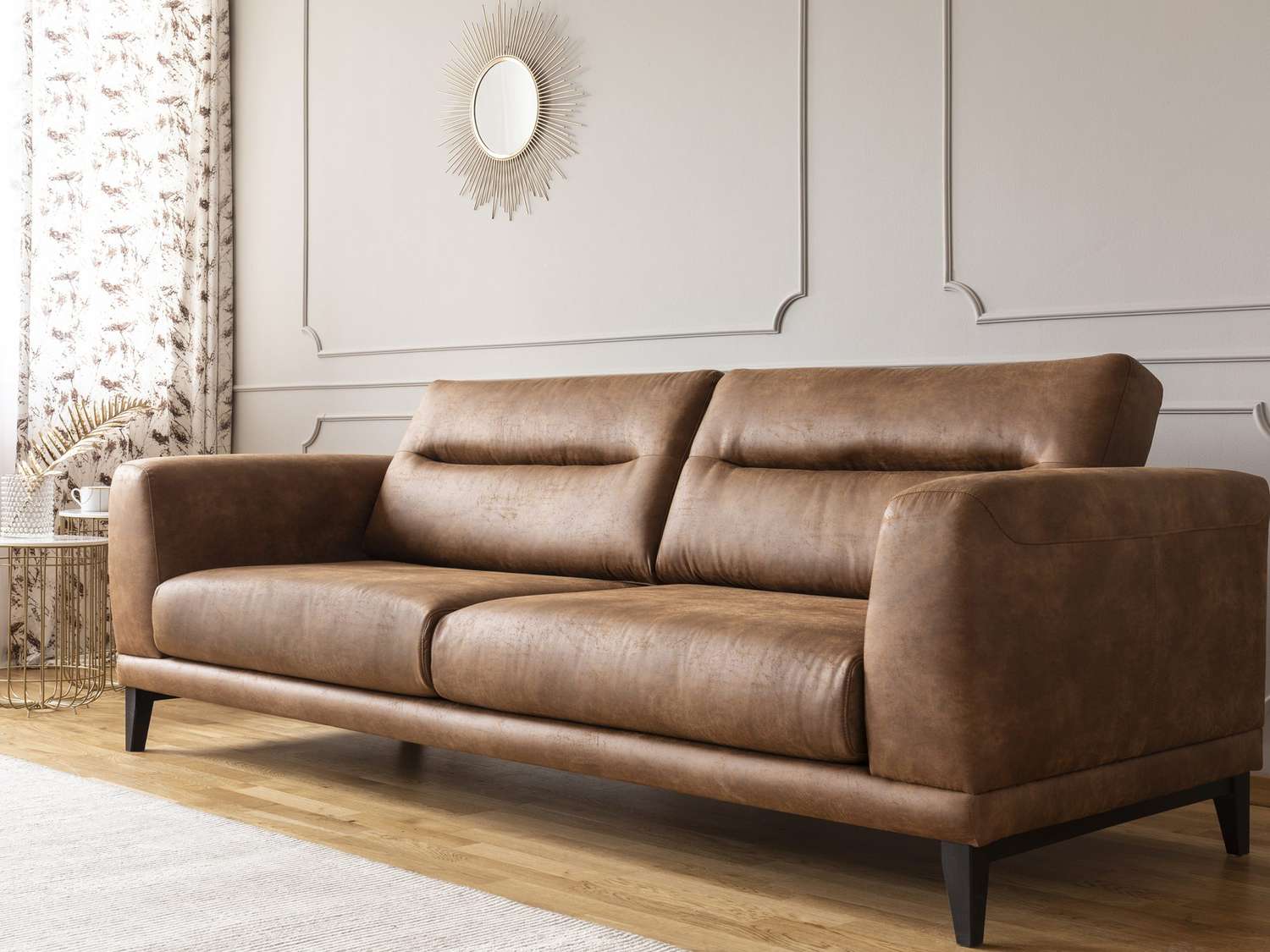

If you’ve invested in a leather couch, congratulationsyou now own furniture that can last for decades, look better with age, and make everything from pizza night to Netflix binges feel just a little more luxurious. The catch? Leather is not a “spray some all-purpose cleaner and hope for the best” situation. Clean it wrong and you can dry it out, discolor it, or crack the finish. Clean it right and it will keep that soft, rich, “fresh from the showroom” look for years.
In this guide, you’ll learn exactly how to clean a leather couch, remove common stains, condition the leather, and build easy habits that keep your sofa looking new without turning you into a full-time butler.
Step 1: Know Your Leather Type Before You Touch a Cleaner
Not all leather is created equal, and the type you have determines how gently you need to treat it. Most leather sofas fall into these categories:
- Protected or pigmented leather: Has a clear coating and even color. It’s the most durable and the easiest to clean for family homes and pet households.
- Semi-aniline leather: Has a light protective coating, so it still feels soft and natural but needs more care than heavily coated leather.
- Aniline leather: Very natural, with visible grain and minimal coating. Gorgeous, but also the most sensitive to stains, water, and harsh cleaners.
- Faux or bonded leather: Not natural hide; these often have different cleaning instructions and may not respond well to leather conditioners meant for real leather.
Look for a tag under the cushions or on the underside of the couch, or check your purchase paperwork or the manufacturer’s website. If the label says “aniline,” “semi-aniline,” or “natural leather,” default to the gentlest methods and avoid DIY experiments with strong household products.
Step 2: Gather the Right Supplies (and Avoid the Wrong Ones)
You don’t need a chemistry lab to clean your leather couch. In fact, the best routine is surprisingly simple. For most everyday cleaning, gather:
- Vacuum with a soft brush attachment or a handheld vacuum
- Soft microfiber cloths (have several on hand)
- Distilled water (recommended to avoid mineral spots)
- A few drops of mild, pH-neutral liquid soap or a dedicated leather cleaner
- A high-quality leather conditioner recommended for furniture
Just as important is what not to use. Many pros and manufacturers warn against the following on real leather couches:
- All-purpose household cleaners or degreasers
- Ammonia- or bleach-based products
- Abrasive powders or scouring pads
- Excess water or soaking the leather
- Frequent use of vinegar or strong DIY acid/alkaline mixes on delicate leather
- Oils and furniture polishes that can leave residue and attract dirt
Think of leather like skin: gentle soap, lukewarm water, and moisturizer are good. Sandpaper, bleach, and boiling water? Not so much.
Step 3: Do a Quick Pre-Clean Before You Wash
Before you even dip a cloth into soapy water, start with a “dry” clean. This keeps grit from acting like sandpaper while you wipe.
1. Vacuum and dust
Use a vacuum with a soft brush attachment to remove dust, crumbs, and pet hair from the surface, seams, and crevices. If you don’t have a suitable attachment, wipe with a dry microfiber cloth, paying close attention to stitching and edges where dust loves to hide.
2. Check for problem areas
Look for stains, sticky spots, or darker patches on headrests and armrests where body oils tend to build up. Make a mental noteyou’ll spot-clean those later.
Step 4: Clean the Whole Couch With Mild Soap and Water
This is your basic “bath day” routine for the leather couch, perfect for monthly or seasonal deep cleans depending on how heavily you use it.
1. Mix a gentle cleaning solution
Fill a bowl or small bucket with warm distilled water and add a few drops of mild liquid soap. Think more along the lines of a gentle dish soap or a pH-neutral cleaner, not heavy-duty degreaser. Stir until it’s lightly sudsy.
2. Dampen, don’t drench, your cloth
Dip a microfiber cloth into the solution and wring it out thoroughly. The cloth should be damp, not dripping. Too much water can saturate the leather and cause damage or water marks.
3. Wipe in sections
Working in small areas, gently wipe the couch using light, even strokes. Start at the top and work your way down so any stray drips don’t land on already-cleaned sections. Frequently rinse and wring your cloth as it picks up dirt to avoid smearing grime around.
4. Rinse off soap residue
When you’ve cleaned a section, switch to a second cloth dampened with plain distilled water. Wipe again to remove any leftover soap film, which can attract more dirt or dry out the surface over time.
5. Dry and buff
Use a clean, dry microfiber cloth to gently buff the leather. This helps remove moisture and brings back that soft, satiny sheen. Let the couch air-dry fully before anyone sits on itno fans or hair dryers, which can overdry the leather.
Step 5: Condition Your Leather Couch to Keep It Supple
Cleaning removes oils and grime, but it can also take some of the leather’s natural moisture with it. That’s where conditioning comes in.
- How often: For most households, condition every 6–12 months. If your couch is in strong sunlight, used heavily, or in a dry climate, aim for the more frequent side.
- What to use: A leather conditioner made specifically for furniture, not for shoes or car interiors, and definitely not random oils from the pantry.
To condition:
- Make sure the couch is completely clean and dry.
- Apply a small amount of conditioner to a soft cloth, not directly on the leather.
- Work it into the leather in light, circular motions, following the directions on the product.
- Allow it to absorb for the recommended time, then buff away any excess with a clean cloth.
Done right, conditioning keeps the leather soft, reduces the risk of cracking, and can even make future stains easier to remove.
Step 6: Spot-Clean Common Leather Couch Stains
Life happenscoffee spills, kids wield markers like swords, and someone inevitably chooses your couch as an unofficial napkin. Here’s how to handle the usual suspects.
Food and beverage spills
- Act fast: Blot (don’t rub) the spill with a clean, dry cloth to lift up as much as possible.
- Follow with mild soap: Use your diluted soap solution and a damp cloth to gently clean the area, then wipe with a clean, water-dampened cloth and dry.
- For sticky spots: Let residue soften with a slightly damp cloth and gently lift it off before cleaning; don’t scrape with hard tools.
Grease and oil stains
Grease stains often show up on armrests, headrests, or where you eat on the couch (no judgment).
- Blot, don’t smear, any fresh grease with a dry cloth.
- Lightly sprinkle baking soda or cornstarch over the stain and let it sit for several hours so it can absorb the oil.
- Gently brush or vacuum away the powder.
- Wipe with mild soap solution, then rinse and dry.
For very delicate or premium leather, check your manufacturer’s recommendations before using powders regularly.
Ink, marker, and dye transfer
Ink and dark denim transfer are among the toughest leather stains, especially on lighter colors.
- Blot fresh ink gently with a dry clothdon’t rub, or you’ll spread it.
- Try mild soap on a damp cloth and work in small circles over the stain.
- If that fails and your leather has a protective coating, some pros use a tiny amount of isopropyl alcohol on a cotton swab as a last resortalways test first in a hidden spot and stop if you see color lifting.
- For older or stubborn ink, or for aniline leather, it’s often safer (and cheaper long-term) to call a leather-care professional who can recolor and reseal the area if needed.
Water spots and rings
Ironically, water can leave marks on leather if it dries in a ring.
- Dampen a cloth lightly with distilled water.
- Gently moisten not just the ring but a slightly larger area around it to even out the moisture.
- Let the area air-dry naturally, then buff with a dry cloth.
Step 7: Everyday Habits That Keep Your Leather Couch Looking New
Think of these habits as the “skin care routine” for your sofasmall, consistent steps that prevent major issues later.
- Dust weekly: A quick once-over with a dry microfiber cloth keeps dust from dulling the finish.
- Clean spills immediately: The faster you blot, the less time a stain has to sink in.
- Rotate cushions: If they’re removable, rotate or flip them occasionally to even out wear and body oils.
- Use throws strategically: Put a stylish throw on the spot where people usually sit with snacks or where pets love to nap.
- Avoid direct sunlight and heat: Sun and radiators can dry and fade leather. If possible, angle the couch away from strong sun or use curtains and shades.
- Enforce a “no harsh cleaners” rule: Make sure everyone in the house knows not to grab glass cleaner or an all-purpose spray for the leather, no matter how tempting.
Step 8: When to Call a Professional
DIY cleaning works for most everyday messes, but some situations are better handled by a pro:
- Large, set-in ink or dye stains
- Deep cracks, peeling, or flaking finish
- Severe fading or discoloration that needs color matching
- Smoke, heavy pet accidents, or major water damage
Professional leather cleaners and repair specialists have specialized products and tools to safely deep-clean, recolor, or refinish leather. It’s often more affordable than replacing the couchand a lot less painful than trying three Pinterest hacks and making the problem worse.
Real-Life Experiences and Extra Tips for Cleaning a Leather Couch
Beyond the “official” steps, there’s a lot you pick up from actually living with a leather couch. Here are some extra insights and experiences that can help you keep yours looking great in real life, not just in a showroom brochure.
The “Sunday reset” routine
Many leather-couch owners find that building a mini ritual into their week makes maintenance feel simple. For example, every Sunday you might:
- Give the couch a quick vacuum or dusting.
- Check for new spots or small stains and deal with them right away.
- Straighten cushions, fluff pillows, and re-fold throws.
This kind of routine takes 5–10 minutes but prevents the slow buildup of body oils and grime that leads to dull, sticky leather over time. It also makes deep cleaning less intimidating because your starting point is never “disaster zone.”
Pets, kids, and real life
If you have kids, pets, or both, you’ll probably notice certain “high-risk zones” on your couch: the corner where the dog always jumps up, the cushion where your toddler insists on eating crackers, the arm where people park their phones and coffee cups. It’s worth giving those areas a little extra attention.
For pet households, a few practical ideas include:
- Using a washable throw where your cat or dog likes to sleep.
- Keeping nails trimmed to reduce scratches.
- Doing more frequent quick wipe-downs of armrests and headrests, where oils and dirt can accumulate faster.
The goal isn’t to keep the couch in a museum; it’s to let your family actually use it while still keeping it in good shape.
The “less is more” lesson with cleaners
A common story from leather owners goes something like this: a spill happens, panic kicks in, and suddenly every cleaner under the sink is on the coffee table. That’s usually when damage occurs. People who’ve lived with leather for years almost always say the same thing: start simple, go gentle, and only escalate if you truly need to.
Most everyday marks respond well to three things: a soft cloth, a tiny bit of mild soap, and patience. Scrubbing harder or grabbing something stronger doesn’t make stains disappear fasterit just raises the odds of dulling or stripping the finish. The best “secret” is consistency rather than aggression.
Conditioning as an insurance policy
If you’ve ever seen an older leather couch that looks cracked and tired, chances are it dried out over time. Owners who condition regularly tend to have a totally different experience. They often report that small spills wipe up more easily, colors stay richer, and the couch ages slowly instead of all at once.
Think of conditioning as insurance: a bit of time and product now saves you from big repair or replacement costs later. Putting a reminder on your calendar every 6–12 months can be the difference between “worn but beautiful” and “ready for the curb.”
Knowing when “good enough” is enough
Finally, it helps to be realistic. A well-loved leather couch will develop a bit of patinasoft creases, subtle darkening in high-contact areas, maybe a tiny scuff or two. That’s part of its charm. The goal of good cleaning and care isn’t to freeze your sofa in time; it’s to help it age gracefully instead of prematurely.
If you keep up with regular dusting, gentle cleaning, and occasional conditioning, your leather couch will keep looking polished and invitingeven if your life isn’t always as tidy as your Instagram feed.
Conclusion
Cleaning a leather couch doesn’t have to be stressful or complicated. Once you know your leather type and stick to gentle, proven methodsvacuuming, mild soap and water, proper drying, and periodic conditioningyou’re already doing what professionals and manufacturers recommend.
Add in smart habits like dealing with spills right away, avoiding harsh cleaners, and protecting high-use areas, and your leather sofa can stay soft, smooth, and impressive for years. In other words: you get to enjoy the comfy, grown-up couch of your dreams without treating it like a fragile museum artifact.