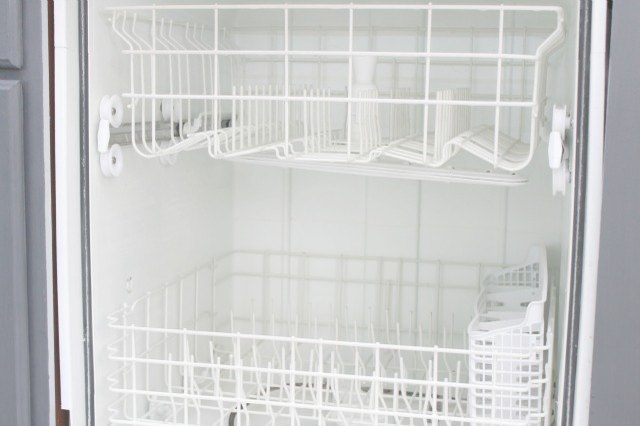

Your dishwasher works hard. It blasts yesterday’s lasagna off plates, politely ignores your “that’ll rinse off” optimism,
and somehow still expects a thank-you note. But here’s the plot twist: dishwashers don’t clean themselves (even though they
feel like they should). Over time, grease, detergent residue, food bits, and hard-water minerals build up in hidden
cornersfilters, spray arms, door seals, and that mysterious trench at the bottom you only notice when something smells… off.
The good news: you can deep-clean most dishwashers with two pantry staplesdistilled white vinegar and
baking sodausing a simple two-cycle method. The even better news: it’s cheap, fast, and oddly satisfying.
Let’s get your dishwasher back to “sparkly helper” status instead of “swampy box of regret.”
What This Method Does (and Why It Works)
Think of this as a one-two punch:
- Vinegar cycle: helps dissolve mineral deposits and loosen greasy buildup while knocking down funky odors.
- Baking soda cycle: deodorizes, lifts light stains, and freshens the interior without leaving a strong scent behind.
Important nerdy-but-useful note: vinegar is acidic and baking soda is alkaline. If you dump them in together for a full wash cycle,
they mostly neutralize each other and can create a foamy “science fair volcano” moment. The smart move is using them
separatelyvinegar first, baking soda second.
Supplies You’ll Need
- Distilled white vinegar (standard 5% acidity)
- Baking soda
- A dishwasher-safe bowl or measuring cup (glass/ceramic)
- Microfiber cloth or soft sponge
- Old toothbrush or small soft-bristle brush
- Optional: toothpick or small pin for spray-arm holes
- Optional: mild dish soap (for filter and gunked-up parts)
Before You Start: Two Safety Rules That Save the Day
- Never mix vinegar with bleach (or bleach-based cleaners). That combination can create dangerous fumes.
- Skip “cleaning vinegar” that’s stronger than 5%. Higher acidity can be harsh on dishwasher parts over time.
Step-by-Step: Deep Clean Your Dishwasher
Step 1: Empty the Dishwasher (Yes, Even the Rogue Fork)
Remove all dishes, utensils, and any random lid you’ve been searching for since 2023. Pull out the bottom rack so you can access the
filter area and drain zone easily.
Step 2: Grab the “Obvious Gross” Stuff First
Look around the bottomespecially near the drainfor food bits, labels, seeds, bone fragments, and anything else that looks like it
tried to start a new life down there. Wipe it out with a paper towel or cloth.
Step 3: Clean the Filter (This Is Usually the Smell)
Most modern dishwashers have a removable filter at the bottom. Many twist out with a gentle turn. Check your manual if you’re unsure,
because some filters don’t remove (and we don’t want to turn “cleaning day” into “parts on the counter day”).
- Remove the filter and rinse it under warm water.
- Soak it in a bowl/sink of warm water with a few drops of dish soap for 5–15 minutes if it’s grimy.
- Use an old toothbrush or soft brush to scrub away stuck-on gunk.
- Rinse well, then reinstall.
Pro tip: If your dishwasher smells like wet dog + old onions, the filter is usually the main suspect.
Step 4: Wipe the Door, Gasket, and Edges (The “Sneaky Slime” Zone)
The rubber gasket around the door and the inner door edges can trap grease and tiny food particles. Wipe them gently with a damp cloth.
If you want extra cleaning power, use warm water with a drop of dish soap.
Vinegar caution: Full-strength vinegar isn’t always recommended for rubber gaskets long-term. If you use vinegar here,
dilute it (and go gentle). When in doubt, soap-and-water is a safe default.
Step 5: Unclog Spray Arms (If Your Dishes Are “Washed-ish”)
If your dishwasher is leaving grit or soap residue, the spray arms might have clogged holes. Spin the arms and check for blocked jets.
Use a toothpick to clear debris. (Don’t use anything that will enlarge the holesyour dishwasher is not a DIY pressure washer.)
Step 6: Run the Vinegar Cycle (The Descale & Degunk Wash)
Place 1 cup of distilled white vinegar in a dishwasher-safe bowl or measuring cup on the top rack.
Run the dishwasher on the hottest cycle you have (or a “heavy”/“pots & pans” style cycle). Do not add detergent.
- Skip heated dry if possible.
- If your tap takes a while to get hot, run the kitchen sink hot for a minute first so the dishwasher starts with hot water.
Why the top rack? It helps distribute vinegar through the wash without funneling it through the detergent compartment.
Step 7: Freshen With Baking Soda (The “Ahh, That’s Better” Cycle)
When the vinegar cycle is done, remove the bowl. Sprinkle 1 cup of baking soda across the bottom of the dishwasher.
Run a short hot cycle (quick/express works well). Again, skip heated dry if you can and let the interior air dry.
You should end with a dishwasher that looks brighter and smells less like “mystery soup.”
Optional Step: When Hard Water Is the Villain
If you see chalky white film, gritty deposits, or cloudy glassware, you’re likely dealing with mineral buildup. The vinegar cycle helps,
but in tough cases you may need to:
- Repeat the vinegar cycle once more (not every weekoccasionally).
- Use a dishwasher cleaner designed for limescale (often citric-acid based) per label directions.
- Consider a rinse aid and check your dishwasher’s salt setting (if your model uses dishwasher salt).
How Often Should You Clean a Dishwasher?
A practical rhythm for most homes:
- After each load: Scrape big food bits off dishes so they don’t end up in the filter.
- Weekly: Quick wipe of the door edges and gasket; peek at the filter area.
- Monthly: Do the vinegar + baking soda deep clean (especially if you run the dishwasher daily).
- More often if: you have hard water, lots of greasy cooking, or persistent odors.
Common Problems and How This Fixes Them
“My Dishwasher Smells Like a Dock”
Usually: dirty filter + greasy biofilm + damp interior. Clean the filter, run the vinegar cycle, then baking soda. After that,
crack the door open after cycles to let moisture escape.
“My Glasses Look Cloudy”
Often: hard-water minerals. Vinegar can help dissolve mineral film inside the machine, and a dishwasher cleaner may help if the scale is heavy.
Also check your rinse aid level.
“There’s Gunk in the Bottom After a Wash”
That’s frequently trapped debris (filter/strainer) or a partially clogged drain area. Remove visible debris, clean the filter,
and make sure the spray arms aren’t clogged.
“My Dishes Still Have Grit”
Filter + spray arms. Clean both. And make sure you’re not overloading so water can actually reach everything.
Mistakes to Avoid (So You Don’t Create New Problems)
- Running vinegar through the detergent compartment: It’s better in a bowl on the top rack.
- Using industrial-strength vinegar: Stick with grocery-store 5% vinegar.
- Overdoing it: Deep cleaning daily/weekly can be unnecessarily harsh over time. Monthly is plenty for most households.
- Bleach in stainless steel interiors: Many sources warn it can damage stainless or dishwasher components.
- Mixing vinegar + baking soda for a full cleaning cycle: You’ll get foam, not magic. Separate cycles work better.
FAQ
Can I clean a dishwasher with vinegar and baking soda at the same time?
For a full wash cycle, it’s best to use them separately: vinegar cycle first, baking soda cycle second. Mixing them together can foam
and reduces the effectiveness of each ingredient.
How much vinegar and baking soda should I use?
A common, reliable combo is 1 cup vinegar (in a bowl on the top rack) and 1 cup baking soda
(sprinkled on the bottom), in separate cycles.
Is vinegar a disinfectant?
Vinegar can help with buildup and odors, but it’s not the same as using an EPA-registered disinfectant. Dishwashers sanitize best through
high heat (and “sanitize” cycles, if your model has one). If you’re dealing with mold-like buildup, consult your manufacturer’s guidance.
Can vinegar damage my dishwasher?
Used occasionally and correctly (standard 5% vinegar in a bowl, not constantly), it’s commonly recommended for cleaning cycles. However,
some experts caution that frequent or high-concentration vinegar can be rough on rubber seals and certain parts over time. If you’re unsure,
follow your dishwasher manual or manufacturer advice.
Real-World Experiences (500+ Words): What People Notice After Doing This
Cleaning advice is great in theory, but kitchens are where theory goes to get spaghetti sauce on it. Here are common “real life” experiences
people run into when they clean a dishwasher with vinegar and baking sodaand what to do about them.
1) The “I Didn’t Know My Dishwasher Had a Filter” Moment
A lot of folks start with the vinegar bowl, run a cycle, open the door…and still get a whiff of something that suggests a damp basement
had a baby with an onion. That’s when the filter reveal happens. Once the filter is removed, it’s often obvious why the dishwasher smelled:
gray slime, soggy rice, pepper flakes, and possibly a sunflower seed that looks like it’s been paying rent. After a proper filter scrub
(warm water, a little dish soap, soft brush), the smell usually drops dramaticallyeven before the vinegar cycle finishes its job.
The lesson: vinegar is helpful, but filter cleaning is the headliner.
2) The Hard-Water House: “Why Is Everything… Chalky?”
In hard-water areas, people often notice white film along the bottom edge, spray arms, or the interior walls. The first vinegar cycle helps,
but it might not erase everything in one go. A common experience is that the dishwasher looks “better” but not “new.” The fix is usually
consistency: doing the monthly clean, using rinse aid, and occasionally using a limescale-focused dishwasher cleaner if deposits are heavy.
Also, folks notice that glassware stops looking as cloudy once mineral buildup is addressed. The lesson: scale isn’t dirtit’s geology,
and it takes a little patience.
3) The Foamy Surprise (a.k.a. “Why Is My Dishwasher Throwing a Party?”)
Many people try to speed-run the process by combining vinegar and baking soda in the same cycle. The result can be a bubbly mess that
looks fun for three seconds, then becomes another cleanup task. Even when it doesn’t overflow, the reaction means you’re not getting the
best of either ingredient. People who switch to separate cycles typically report better odor removal and less residue afterward.
The lesson: two cycles beat one volcano.
4) The “My Dishwasher Smells Worse After I Cleaned It” Panic
This happens when loosened gunk gets redistributed (especially if the filter and drain area weren’t cleared first). The dishwasher may smell
temporarily funky after the vinegar cycle because it’s essentially “lifting” old residue. Running the baking soda cycle afterand wiping the
door edges and gasketusually fixes it. People also find that leaving the door cracked open for an hour helps everything dry out and prevents
that trapped-moisture odor. The lesson: clean, then dry.
5) The “Why Are My Dishes Still Gritty?” Mystery
Some users do everything “right” and still get grit on glasses. In many cases, the spray arms have tiny clogged holes, so water isn’t
blasting effectively. Clearing those holes with a toothpick (gently) often improves cleaning immediatelylike upgrading from a drizzle to a
power shower. The lesson: a clean dishwasher needs clear spray paths.
Overall, the biggest real-world takeaway is that vinegar and baking soda work best as part of a simple routine:
scrape dishes, clean the filter, do a monthly deep clean, and let the machine dry between uses. It’s not glamorous,
but neither is re-washing “clean” plates.