
If you have ever fed a baby at 2:13 a.m. while trying not to make eye contact with the universe, you already know the challenge: your little one finally dozes off, and now you are stuck wondering whether to burp them or accept your fate and wait for the mysterious midnight spit-up. The good news is that burping a sleeping baby is possible. The better news is that you do not need circus-level skills to do it.
Burping helps release the air babies often swallow while feeding. That trapped air can cause fussiness, squirming, arching, hiccups, or a surprise fountain of milk right on your clean shirt. Still, not every baby needs to burp after every feeding, and not every sleepy baby will give you a satisfying cartoon-style belch on command. The trick is to use gentle technique, realistic expectations, and safe sleep habits.
This guide walks you through exactly how to burp a sleeping baby in 10 calm, practical steps. You will also learn when burping matters most, what mistakes to avoid, how to spot signs your baby still has gas, and when it is time to check in with your pediatrician.
Why Burping a Sleeping Baby Can Help
During breastfeeding or bottle-feeding, babies can swallow air along with milk. Bottle-fed babies may take in more air if the nipple flow is too fast, the bottle angle is off, or the nipple is not staying full of milk. Breastfed babies can swallow extra air if the latch is shallow or if milk is flowing quickly. Once that air gets trapped in the stomach, it can make a baby uncomfortable.
That is why some babies settle beautifully after a feed, while others wriggle like they are negotiating with invisible bubbles. A gentle burp can relieve that pressure. It may also reduce spit-up for some babies, especially when paired with calm handling and a brief upright hold after feeding.
That said, a sleeping baby is not a robot that needs the same button pressed every time. Some babies, especially breastfed babies who swallow less air, may not need much burping at all. If your baby regularly feeds, falls asleep, and stays comfortable, you may not need a full burping ritual after every single meal.
How to Burp a Sleeping Baby: 10 Steps
-
1. Get Set Up Before You Lift the Baby
Before you move your drowsy little burrito, place a burp cloth, muslin, or towel within reach. If there is one universal law of parenting, it is this: the moment you think you do not need a burp cloth is the moment gravity and milk team up against you.
Make sure you are seated or standing in a stable position, with enough light to see what you are doing without blasting the room like a football stadium. The less fumbling, the better.
-
2. Lift Slowly and Keep the Head Supported
Slide one hand under your baby’s head and neck and the other under the bottom or back. Lift slowly, keeping the spine aligned and the head supported the entire time. A sleeping baby does not appreciate sudden plot twists.
Your goal is not to wake them fully. It is simply to change the position enough for air to travel upward. Gentle, smooth movement is your best friend here.
-
3. Choose the Least Disruptive Burping Position
For a sleepy baby, the best burping position is usually the one that changes the least while still keeping them upright. Most parents have the best luck with one of these:
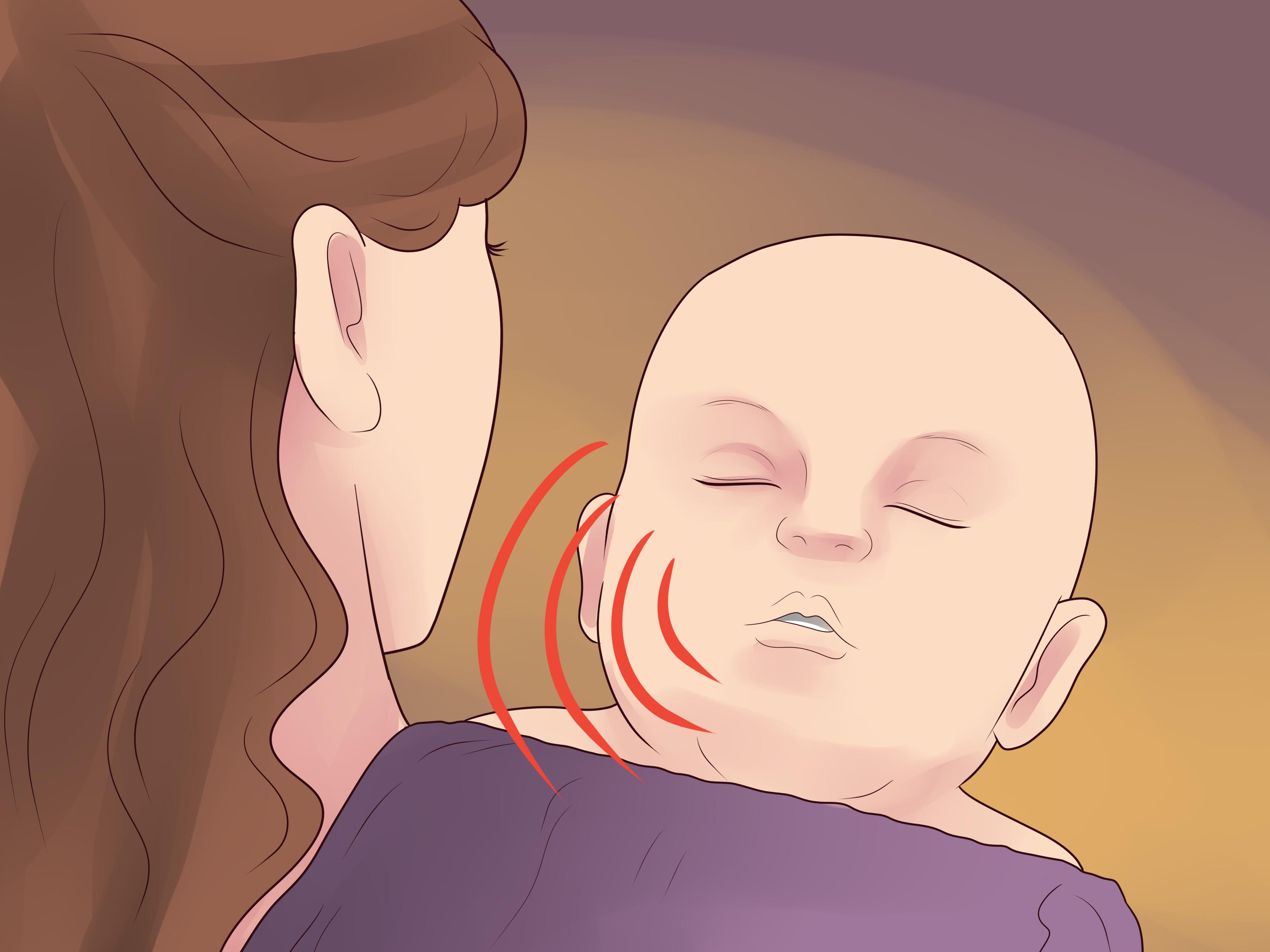
Over the shoulder: Rest your baby’s chest against your upper chest or shoulder, with their head turned to one side so the airway stays clear.
Seated upright on your lap: Support the chin and chest with one hand while the baby leans slightly forward. Do not hold the throat. Think support, not squeeze.
Chest-to-chest upright cuddle: This is great for babies who fall asleep during or right after feeding and do not want a major position change.
-
4. Start With Gentle Back Rubbing, Not Aggressive Patting
This is the moment when restraint wins. New parents sometimes pat like they are trying to reboot a printer. A sleepy baby needs much less drama. Start with gentle upward rubbing or light pats between the shoulder blades.
Many babies respond better to slow, steady rubbing than to sharp taps. Think less “bongo solo,” more “polite spa treatment.”
-
5. Keep the Baby Upright for a Minute or Two
Do not assume a burp must happen instantly. Often, the upright position alone helps air rise. Hold your baby against your shoulder or chest for a minute or two while continuing soft pats or rubs.
If your baby is prone to spit-up or mild reflux, this brief upright pause can be especially helpful. Calm handling matters. Jiggling, bouncing, or enthusiastic rocking right after a feeding can make spit-up more likely.
-
6. Watch for Tiny Signs of Release
Not every burp arrives with a trumpet soundtrack. Sometimes the signs are subtle: a small puff of air, a relaxed body, a less scrunched face, or a baby who suddenly looks much more comfortable. Occasionally, you may get a burp followed by a dribble of milk. Annoying, yes. Normal, also yes.
If your baby seems comfortable and relaxed, you do not need to keep chasing a perfect burp just for emotional closure.
-
7. Try a Position Change if the First One Fails
If you do not get a burp after a minute or two, switch positions once. For example, move from over-the-shoulder to seated on your lap. Sometimes a slight change in angle is all it takes to help trapped air move.
Avoid cycling through every burping pose known to parenthood. Too much handling can wake the baby fully and turn a peaceful transfer into a midnight committee meeting.
-
8. Pause Feeding Earlier Next Time
If your baby regularly falls asleep before burping, the solution may begin during the next feeding. For bottle-fed babies, try pausing every 2 to 3 ounces. For breastfed babies, consider burping when switching breasts or when your baby naturally slows down.
This is especially helpful if your baby gulps, clicks while feeding, arches after feeds, or spits up often. Smaller pauses during the feeding can make the end-of-feed burp much easier.
-
9. Hold the Baby Upright Briefly After the Feed
Even after the burp attempt is over, a short upright hold can help your baby settle. For many babies, especially the spitty ones, keeping things calm and vertical for 20 to 30 minutes after a feeding reduces the odds of milk coming right back up.
You do not need to walk laps around the house unless you want the step count. Just hold your baby quietly against your chest. No bouncing, no tummy time, and definitely no “let’s test gravity” games.
-
10. Put Your Baby Back Down Safely
When it is time to return your baby to bed, place them on their back on a flat, firm sleep surface. That means no wedges, sleep positioners, pillows, or inclined gadgets. Even babies with reflux should sleep on their backs.
If your baby squirms a little when you lay them down, pause with a hand on the chest for a moment. Sometimes that tiny bit of reassurance is enough to preserve everyone’s sanity.
Do You Always Need to Burp a Sleeping Baby?
No. This is one of those parenting questions where the most honest answer is: it depends. Some babies absolutely benefit from burping after most feeds. Others rarely seem bothered by trapped air. If your baby feeds well, sleeps comfortably, and is not especially fussy, gassy, or prone to spit-up, skipping a burp once in a while is not usually a crisis.
Babies who may need more consistent burping include those who:
- Are bottle-fed and swallow air easily
- Feed quickly or gulp eagerly
- Have frequent spit-up or mild reflux
- Seem uncomfortable after feeds
- Hiccup a lot after eating
- Arch the back, squirm, or wake shortly after feeding
On the flip side, some breastfed babies swallow less air and may not need the same amount of burping. If your baby is calm and growing well, there is no prize for pursuing a burp that never comes.
Common Mistakes to Avoid
Burping for too long
If nothing happens after a couple of minutes and your baby is content, let it go. A marathon burping session usually creates more frustration than results.
Patting too hard
Burping should be gentle. Your baby is not a ketchup bottle.
Handling the baby too much after a feeding
Excess motion can turn a peaceful stomach into a milk volcano. Stay calm, upright, and boring. Boring is your secret weapon.
Ignoring feeding technique
If your baby is always gassy, look at the feeding itself. A shallow latch, fast bottle nipple, bottle angle, or overfeeding can all contribute to swallowed air.
Using unsafe sleep products
Sleep wedges, positioners, and inclined sleepers may sound helpful when reflux or spit-up enters the chat, but safe sleep still comes first. Babies should be placed on their backs on a firm, flat surface.
Extra Tips for Babies Who Fall Asleep While Feeding
If your baby dozes off mid-feed like a tiny milk-drunk philosopher, try these practical adjustments:
- Feed a little earlier, before your baby becomes overly sleepy or frantic
- Burp at natural pauses instead of waiting until the very end
- Check latch and bottle flow to reduce swallowed air
- Keep the feeding position slightly upright
- Try smaller, more frequent feedings if overfilling seems to worsen spit-up
- Change the diaper between breasts or midway through the bottle if you need a gentle wake-up
These changes often help more than heroic burping efforts later.
When to Call the Pediatrician
Burping issues are usually just part of normal newborn life, but some symptoms deserve medical attention. Contact your pediatrician if your baby has:
- Forceful or projectile vomiting
- Blood in spit-up or vomit
- Choking, gagging, wheezing, or breathing problems during or after feeds
- Poor weight gain or trouble feeding
- Signs of dehydration, such as fewer wet diapers, no tears, or unusual sleepiness
- Persistent pain with feeding or inconsolable crying
- Vomiting with fever, diarrhea, or a sudden change in behavior
Most spit-up is normal. But when spit-up comes with poor growth, distress, breathing issues, or forceful vomiting, it is time to get expert advice rather than relying on internet folklore and crossed fingers.
Final Thoughts
Burping a sleeping baby is really a lesson in gentle efficiency. Support the head, lift slowly, keep your baby upright, use soft pats or back rubs, and give the process a minute or two rather than a full theatrical production. Sometimes you will get a satisfying burp. Sometimes you will get silence. Sometimes you will get a burp and a warm splash down your shoulder that reminds you parenting is a contact sport.
The big picture is what matters most: reduce swallowed air during feeds, burp when it makes sense, keep post-feed handling calm, and always follow safe sleep practices. Over time, you will learn your baby’s patterns. And once you know whether your little one is a “burp every ounce” baby or a “nah, I’m good” baby, life gets much easier.
Common Parent Experiences: The 2 A.M. Burp Chronicles
Ask enough parents about how to burp a sleeping baby, and you will hear the same theme over and over: the hardest part is not the burping itself. It is the fear of ruining the only decent stretch of sleep anybody has had in six business days. One parent swears their baby could stay asleep through a vacuum cleaner but would wake instantly at the sound of a burp cloth unfolding. Another says their newborn gave one delicate little burp, smiled in their sleep, and then immediately spit up down the back of Dad’s shirt like it was performance art.
A very common experience is the “ninja transfer.” The baby falls asleep while feeding. You lift them slowly, get one perfect burp, and think, I have done it. I am a genius. Then, just as you lower them into the crib, their eyes pop open with the energy of someone who just had an espresso and read a motivational quote. Parents quickly learn that the trick is not speed. It is rhythm. Slow lift, gentle burp, calm upright hold, careful return. Babies, for reasons known only to babies, can apparently detect panic through fabric.
Many parents also notice that their baby has a preferred burping style. Some babies like the classic shoulder position and settle instantly with a few light pats. Others hate being moved that much and do better with a simple upright cuddle against the chest. Some seem to respond best to rubbing instead of patting. This is often the moment parents realize there is no single perfect technique. There is only the technique your baby accepts without filing a formal complaint.
Parents of gassy or reflux-prone babies often describe a learning curve. At first, they may assume every cry after a feeding means hunger and offer more milk, only to discover that overfeeding can make everything worse. Later, they start spotting patterns: the bottle nipple may be too fast, the latch may need work, or the baby may do better with smaller feeds and more frequent pauses. That trial-and-error phase can feel exhausting, but it is also where confidence starts to build.
Another shared experience is the emotional side of nighttime care. New parents often worry they are “doing it wrong” if the baby does not burp, spits up anyway, or wakes after being transferred. In reality, these things happen to almost everyone. Baby care is not a test you pass by achieving flawless silence and zero laundry. It is more like improv with burp cloths. The goal is not perfection. The goal is comfort, safety, and learning what works for your particular child.
Eventually, most parents get better at reading the difference between a baby who truly needs a burp and one who is simply deeply asleep and perfectly content. That knowledge is gold. It turns frantic guessing into calm decision-making. And in the newborn months, calm decision-making feels a lot like winning.