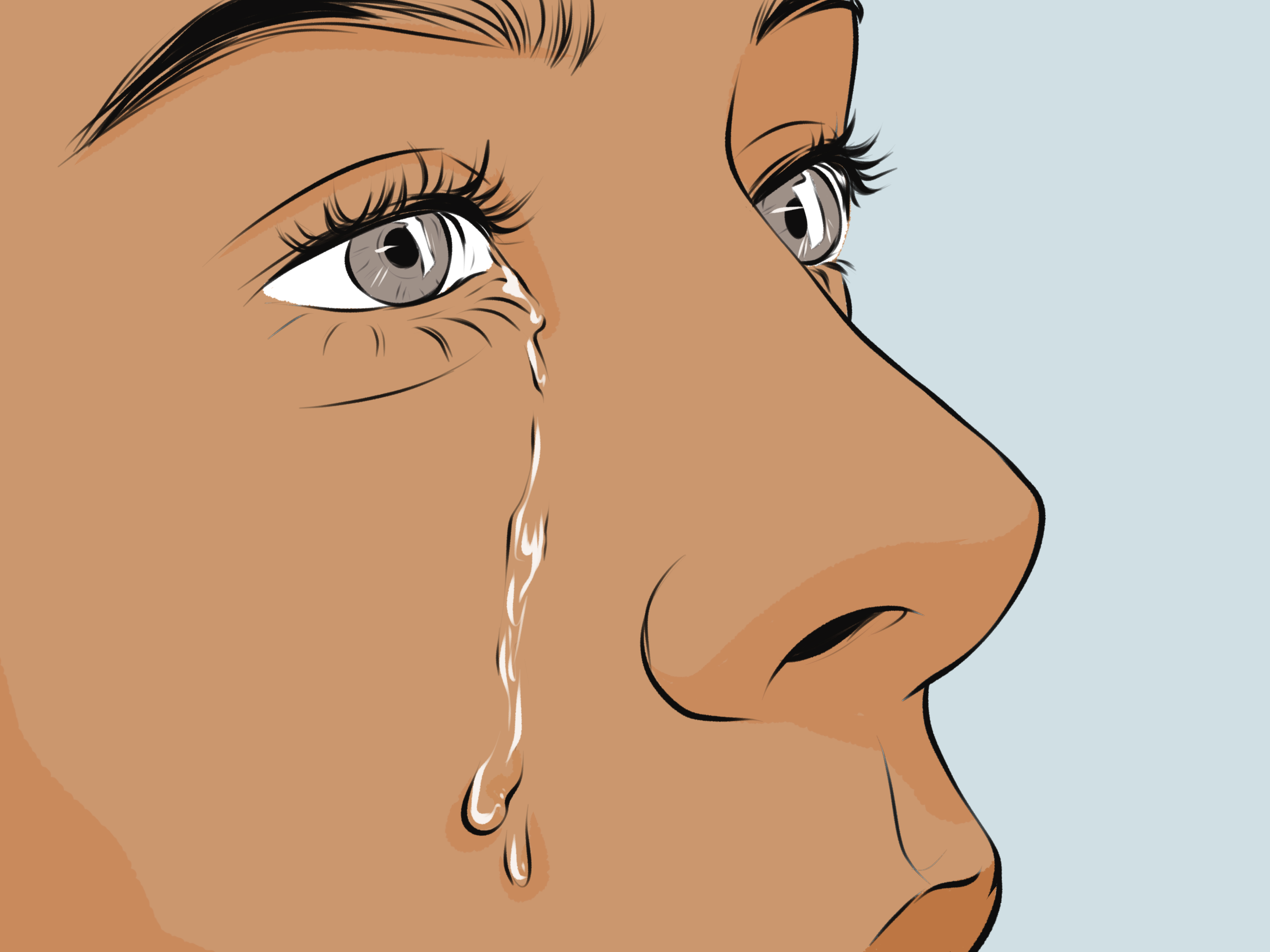

Emotional scenes are the “big game” moments of acting: the lights are bright, the stakes are high, and your brain suddenly forgets what a human face does.
The secret, though, isn’t to feel moreit’s to play better. Truthful emotional acting comes from clear choices: what you want, what’s in your way,
and what you’re doing to get through it.
This guide breaks the process into 14 practical steps you can use for stage or screenwithout forcing tears, copying “sad acting,” or treating your feelings like a vending machine.
You’ll build a repeatable approach that helps emotion show up as a result of the work, not as a miracle you beg for five minutes before “Action.”
Step 1: Read the scene like a detective (not a poet)
First read: ignore performance. Just collect facts. Who are you? Where are you? What just happened? What time is it? What do you need right now?
These are your given circumstances. They’re the “rules of the world” that make emotion logical instead of random.
- Write one sentence: “This scene is about ______.”
- Underline the moment your character’s situation changes (new info, new threat, new hope).
- Note what you’re protecting: pride, love, status, safety, belonging.
Step 2: Choose a clear objective (what you want)
Emotion gets messy when your goal is “be sad.” Replace that with a playable objective: something you can pursue.
Good objectives are active and specific: to keep them from leaving, to get forgiveness, to prove I’m not a failure.
When you chase a real goal, emotion often shows up on its ownlike an uninvited guest who eats all your snacks.
Step 3: Raise the stakes (why it matters right now)
Most emotional scenes aren’t about “feelings.” They’re about consequences. Ask: what happens if I fail?
Maybe you lose a relationship, a job, a chance at freedom, or your sense of dignity. Add a “because” statement:
“I need this because ______.” Stakes make your behavior urgent and keep the scene from turning into slow-motion whining.
Step 4: Identify the obstacle (what blocks you)
If your objective is a door, the obstacle is the lock. It can be external (the other person refuses), internal (shame, fear),
or environmental (time, noise, power dynamics). Emotion often spikes when the obstacle forces you to change strategy.
That change is goldbecause it’s behavior the audience can see.
Step 5: Break it into beats (tiny shifts, big truth)
A beat is a small unit of actionwhen your approach changes because something changes. Mark beat shifts where:
new information lands, the topic flips, power shifts, or your tactic fails. Then give each beat a mini-goal.
This keeps you from playing one long emotion soup from start to finish.
Example: In a breakup scene, Beat 1 might be to charm them back. Beat 2: to guilt them. Beat 3: to bargain. Beat 4: to protect myself.
Notice how the emotional temperature can change naturally as tactics change.
Step 6: Pick tactics you can actually do (verbs, not vibes)
Tactics are how you pursue your objectiveplayable action verbs: to pressure, to soften, to intimidate, to plead, to confess.
When you choose tactics, you stop “acting emotional” and start doing something. If a tactic doesn’t work, switch itlike a GPS rerouting you away from traffic.
Step 7: Build your “way in” (imagination first, always)
Many respected approaches emphasize imagination and circumstances before digging into personal pain. Use “as if” thinking:
“It’s as if this person is the only one who ever understood me.” Create a vivid inner movie: what the room smells like, what you’re holding,
what you’re afraid the other person will say next. Imagination expands your range and keeps you from relying on the same life story every time.
Step 8: Use substitution carefully (connect, don’t self-destruct)
Substitution means swapping in a parallel relationship or situation that helps you respond truthfully. The key word is parallel,
not “most traumatic event of my existence.” Choose something that supports the scene without pulling you under.
If your nervous system feels wrecked afterward, that’s not “good acting”that’s a sign to scale back and use craft, not injury.
Step 9: Add sensory specifics (emotion lives in the body)
When emotion is real, the body behaves: breathing changes, throat tightens, hands go cold, shoulders rise, stomach drops.
Don’t imitate symptomsset up conditions that produce them. Try a simple sensory rehearsal:
hold an object your character might hold (a letter, keys, a jacket), and notice what it makes you do. Sensory detail keeps your performance grounded and specific.
Step 10: Listen like your life depends on it (because it doesyour character’s)
Emotional scenes fail when actors “perform at” each other. Instead, let your partner affect you. React to what you’re actually hearing,
not what you rehearsed hearing. If the other actor pauses longer than usual, let it land. If they soften, your tactic might change.
This is how you get fresh takes that don’t feel copied-and-pasted.
Step 11: Rehearse the scene at multiple intensities
Think of emotion like a dimmer switch, not a light that’s either off or “Oscar clip.” Run the scene at 30%, then 60%, then full.
You’ll discover what’s essential (clear objectives, clean beats, honest listening) and what’s just extra noise. On camera especially,
smaller can be strongermicro-changes often read as huge.
Step 12: If tears are required, aim for truth first (and use safe tools)
Not every emotional scene needs tears. But if the script calls for crying, focus on what causes it: loss, relief, shame, tenderness, overwhelm.
Some actors find physical starters helpfullike yawning or letting the breath catchwhile staying connected to the scene’s stakes.
Hydration matters, too. If a production uses any tear aid products, that’s a conversation for the professional makeup/props teamdon’t DIY weird stuff near your eyes.
Step 13: Protect boundaries (especially in highly exposed or intimate moments)
Big emotions can make actors feel raw. Add nudity or intimacy and you need clear communication, consent, and a planevery time, not just once.
Know your boundaries, use agreed choreography, and don’t “surprise” a scene partner for realism. Professional sets often use protocols and coordinators
to keep performers safe and informed. Your job is to be truthful and to go home okay afterward.
Step 14: Create a reset routine (so you can do it again tomorrow)
Emotional work is still work. Build a “de-role” habit: a breath pattern, a stretch, a quick walk, a shakeout, water, a playlistanything that tells your body,
“Scene is over.” This helps you handle multiple takes and prevents the scene from sticking to you like glitter from a craft project (which, for the record,
is forever).
Quick example: Applying the 14 steps to a breakup scene
Let’s say your character is being dumped. Instead of playing “sad,” you choose:
- Objective: to keep them from leaving
- Stakes: if they go, I lose the only person who makes me feel safe
- Obstacle: they’ve already decided
- Beats: charm → bargain → confess → rage → surrender
- Tactics: to flatter, to guilt, to plead, to attack, to protect myself
Notice how emotion becomes a byproduct of pressure and change, not something you “paste on” with a sad face.
of Real-World Experiences Actors Learn the Hard Way
Here’s what many actors discover after their first few emotional scenesusually right after they’ve over-prepared, under-slept, and eaten something
that absolutely should not have been eaten before a close-up.
First: chasing emotion is exhausting. Actors often report that the harder they try to “feel,” the more numb they getbecause pressure makes the body clamp down.
That’s why objectives and tactics are such a relief. When your brain has a job (“get them to stay”), your feelings don’t have to carry the whole performance
on their backs like a moving couch up three flights of stairs.
Second: your best take is often the one you didn’t “decorate.” In rehearsal, you might plan where the voice cracks or where the tear drops. Then on set,
the timing shifts, your partner says the line differently, and your plan collapses. If you’ve practiced listening and beat changes, you’re freebecause you can
respond honestly. Actors frequently describe this as the moment they stop “acting emotional” and start being in it.
Third: the body tells on youin a good way. Many performers notice that when they’re truthful, their body does tiny, specific things they didn’t invent:
a swallow, a blink pattern, a hand that reaches and then stops, a breath that catches. The trick is not to copy those moments later like a “sadness recipe.”
Instead, recreate the conditions (stakes + obstacle + tactic) and let the body respond againfresh.
Fourth: emotional safety is a professional skill. A lot of actors learn, sometimes too late, that using the most personal or painful memory every time can
backfire. You might get the scene, but feel wrecked for hours. Experienced performers tend to build a toolkitimagination, substitution that’s “close enough,”
sensory specifics, and strong scene workso the performance stays repeatable and healthy. Many also build a reset routine: a breath, a shakeout, a laugh with
the crew, a quiet minute alone, a walk between takes. It’s not “breaking character.” It’s staying functional.
Finally: emotional scenes aren’t only about sadness. Relief, gratitude, shame, joy, pride, regretthese can hit just as hard. Actors often say the most
difficult scenes aren’t the ones where they sob; it’s the ones where they’re trying not to cry, trying not to break, trying to stay composed while the world
slides sideways. That’s where objective-driven acting shines: you’re fighting for something, and the audience feels the cost.
Conclusion
Acting an emotional scene isn’t about turning yourself into a feeling faucet. It’s about storytelling with pressure, change, and clear intention.
When you commit to objectives, beat work, tactics, sensory detail, and real listening, emotion becomes the natural resultrepeatable, truthful,
and strong enough to hold up under rehearsals, close-ups, and the dreaded “one more take for safety.”