
Your toothbrush works hard. Twice a day, hopefully. It battles plaque, sweeps away food debris, and tries its best to keep your mouth from turning into a sugar-fueled theme park for bacteria. But here is the part people forget: toothbrushes do not age like fine wine. They age like bananas left in a hot car. Fast, sad, and no longer very helpful.
So, how often should you change your toothbrush? The short answer is every three to four months for most people. But that is only the headline. The better question is why that timeline matters, what can make you swap sooner, and how to tell whether your brush is still cleaning your teeth or just going through the motions like an employee on a Friday afternoon.
If you want healthier teeth, happier gums, fresher breath, and a brushing routine that actually does its job, this guide breaks it all down in plain English. No scare tactics. No dental drama. Just real, practical advice you can use the next time you stare at your toothbrush and wonder whether it is still useful or quietly plotting against your enamel.
The Short Answer: Every 3 to 4 Months
For most adults and kids, the best rule is simple: replace your toothbrush every three to four months. That same timeline also applies to electric toothbrush heads. If you follow that schedule, you are already doing better than a lot of people who wait until their brush looks like it lost a fight with a lawn mower.
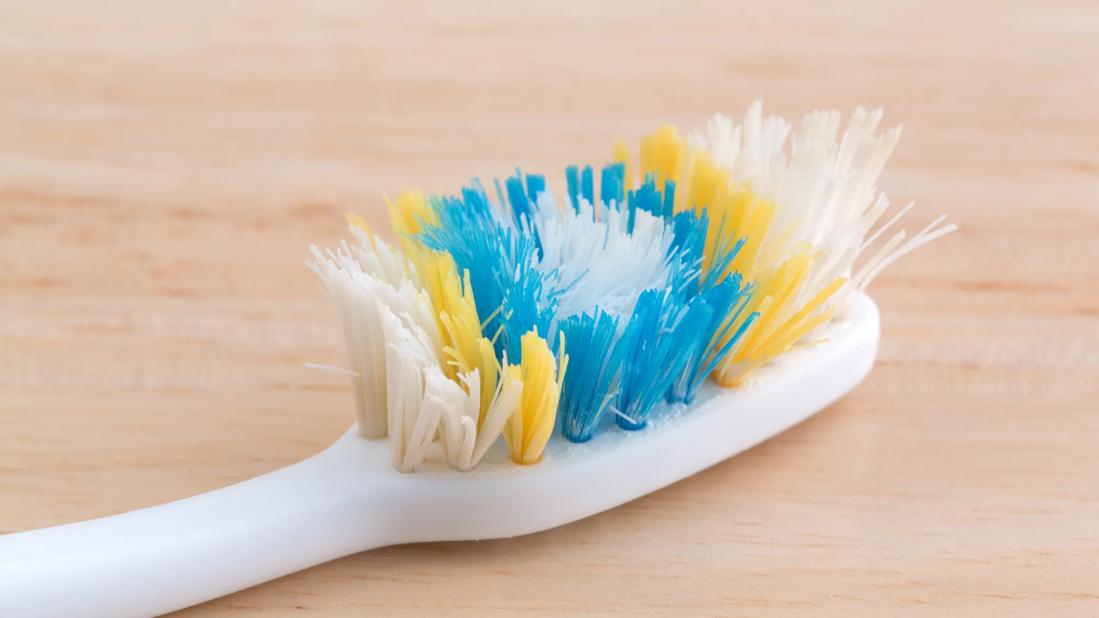
Why three to four months? Because toothbrush bristles wear down with normal use. As they bend, flatten, fray, or flare outward, they become less effective at removing plaque along the teeth and gumline. In other words, the brush may still look like a toothbrush, but it is not brushing like one.
Think of it this way: if the bristles are no longer springy, aligned, and gentle, they are not cleaning your mouth with the precision you want. They are just rubbing around and hoping for the best. Your teeth deserve more professionalism than that.
Why Replacing Your Toothbrush Matters
1. Worn bristles do a worse job
The biggest reason to replace your toothbrush is not aesthetics. It is performance. A brush with worn bristles cannot clean as thoroughly as a new one. Once the bristles are bent or matted, they have a harder time reaching the edges of teeth and the gumline, where plaque loves to hang out like it is paying rent.
Plaque is sticky, sneaky, and annoying. If it is not removed well, it can contribute to cavities, gum inflammation, bad breath, and that fuzzy feeling in your mouth that makes you want to brush again five minutes later. A fresh toothbrush is simply better at plaque removal. That means less buildup, better oral hygiene, and a cleaner-feeling mouth overall.
2. Frayed bristles can be too rough
Here is the irony: old toothbrushes can be both less effective and more irritating at the same time. Once the bristles become rough or splayed out, they can be harder on your gums and may encourage abrasive brushing. That is especially bad news if you already have gum sensitivity, exposed roots, or a tendency to scrub like you are trying to remove graffiti from a brick wall.
A toothbrush should clean your teeth gently. It should not double as sandpaper. That is one reason dentists usually recommend soft-bristle toothbrushes instead of medium or hard ones. Soft bristles do the job while being kinder to gum tissue and enamel.
3. Old brushes can stay damp longer and collect grime
Your toothbrush does not need to be sterile, but it should be clean and properly stored. Over time, a heavily worn brush can hold onto residue more easily, especially if it is not rinsed well or if it lives in a damp, closed container. Toothbrushes should be rinsed after use and stored upright so they can air-dry. A brush that stays wet all day is not living its best life, and neither is your mouth.
Signs You Should Change Your Toothbrush Sooner
Three to four months is the general rule, not a countdown timer carved in stone. Some toothbrushes need to be replaced earlier. Here are the biggest signs it is time to let go.
Bristles are frayed, flattened, or flaring outward
This is the clearest sign. If the bristles are not standing fairly straight anymore, the brush is past its prime. Do not wait for the calendar if your brush already looks exhausted.
You have been sick
After an illness, many dentists recommend replacing your toothbrush, especially if it was used while you were actively sick. This is even more important if multiple toothbrushes are stored close together in the same holder. While not every cold or virus demands a dramatic toothbrush farewell party, changing it after being sick is a simple, low-cost way to reset your routine and avoid sharing germs in the bathroom.
You wear braces or other appliances
Braces, wires, brackets, and some attachments can put extra stress on bristles. If you have orthodontic hardware, your brush may wear out faster than average. Food gets trapped more easily, brushing takes more effort, and the bristles can look tired long before the three-month mark arrives.
Your child chews the toothbrush
Kids are wonderful. Kids are also tiny chaos machines. Some children brush like they are polishing a motorcycle, while others chew the toothbrush head like it is a snack with emotional support benefits. If your child’s toothbrush bristles are bent or mashed down early, replace it sooner.
You brush too hard
Aggressive brushing wears out toothbrushes quickly. If you burn through bristles in a month or two, the problem may not be “cheap toothbrushes.” It may be technique. Gentle pressure is enough. Your goal is to remove plaque, not punish your molars for existing.
Manual vs. Electric Toothbrush: Does It Change the Rule?
Not really. Whether you use a manual toothbrush or an electric one, the replacement timeline is similar: about every three to four months, or sooner if the bristles wear out. Electric toothbrush users sometimes assume the brush head lasts forever because the handle is rechargeable and looks fancy. Nice try. The head still wears down, and it still needs regular replacement.
That said, electric toothbrushes can be especially helpful for people who have trouble with brushing technique, dexterity, or consistency. Some also include timers, which is great because many people think they brush for two minutes when they actually brush for a breezy 34 seconds and call it a day.
If you use an electric brush, check the head regularly. If the bristles are bent, faded, or uneven, swap it out. A high-tech handle cannot save a tired brush head from retirement.
How to Care for a Toothbrush So It Stays Useful
Replacing your toothbrush on time matters. So does basic toothbrush care. A good brush can go downhill fast if it is stored badly or treated like a bathroom survivor in a disaster movie.
Rinse it thoroughly after each use
After brushing, rinse away toothpaste, food particles, and debris. This keeps the brush cleaner and prevents buildup from hardening around the bristles.
Store it upright and let it air-dry
This is one of the most overlooked toothbrush habits. Your brush should dry between uses. Store it upright if possible and let it air-dry in the open. Constant moisture encourages more microbial growth than open-air drying.
Avoid closed containers for everyday storage
Travel caps and cases are fine when you are on the move, but they are not ideal for long-term daily storage while the brush is still wet. If your toothbrush lives under a cap 24 hours a day, it is basically in a tiny humid greenhouse.
Keep brushes from touching each other
If several toothbrushes share one cup, try to keep the heads separated. Toothbrushes should not be shared, and they should not spend their downtime cuddling up against each other either.
Do not share your toothbrush
Ever. Not with a partner. Not with a child. Not in an emergency. Not for “just one quick use.” Sharing a toothbrush can spread microorganisms and bodily fluids. Romance is lovely. Shared plaque is not.
Common Mistakes People Make
Waiting until the toothbrush looks terrible
A lot of people replace a toothbrush only when it becomes visibly tragic. By then, it has probably been underperforming for a while. A toothbrush does not need to resemble a bottle brush before it counts as worn.
Using hard bristles because they feel stronger
Harder does not mean better. It usually means rougher. Soft bristles are the better choice for most people because they clean effectively while reducing the risk of gum abrasion and enamel wear.
Thinking mouthwash makes toothbrush replacement unnecessary
Mouthwash can be helpful in some routines, but it does not magically upgrade an old toothbrush. Mouthwash is not a renovation contractor for frayed bristles.
Forgetting the toothbrush head on an electric brush
People are often excellent about charging the handle and terrible about replacing the head. If the head is old, the brush is old. That is the rule.
A Practical Rule for Different Situations
If you like simple rules, use this cheat sheet:
- Most adults: Every 3 to 4 months.
- Electric toothbrush heads: Every 3 to 4 months.
- Kids: Every 3 to 4 months, often sooner if they chew or mash the bristles.
- Braces or orthodontic appliances: Check more often and replace sooner if wear shows up early.
- After illness: Consider replacing the brush once you recover, especially if it was used while sick or stored close to others.
- Visible fraying at any time: Replace immediately.
Do You Need a Toothbrush Sanitizer?
For most people, a sanitizer is not necessary. Good toothbrush care is usually enough: rinse it well, store it upright, let it air-dry, and replace it on schedule. That routine is simple, affordable, and supported by mainstream oral health guidance.
If you enjoy gadgets, that is your business. But no fancy ultraviolet spaceship is required for basic oral hygiene. Your toothbrush needs good habits more than it needs a special effects budget.
Easy Ways to Remember When to Replace Your Toothbrush
If you never remember when you bought your current toothbrush, welcome to the club. Try one of these simple tricks:
- Replace it at the start of each season.
- Change it every time you swap to a new quarter on your calendar.
- Set a repeating reminder on your phone.
- Replace it after a dental cleaning if the timing lines up.
- Buy toothbrushes or brush heads in multipacks so you always have one ready.
The easier you make the routine, the more likely you are to follow it. Oral hygiene works best when it becomes boring in the best possible way: automatic, easy, and consistent.
Final Verdict
So, how often should you change your toothbrush? In most cases, every three to four months is the sweet spot. Sooner if the bristles are frayed. Sooner if you have been sick. Sooner if braces, aggressive brushing, or kid-level chaos destroy the brush early.
The best toothbrush is not the most expensive one, the trendiest one, or the one with enough features to qualify as a household appliance. It is the one you use correctly, store properly, and replace on time. A fresh toothbrush is one of the cheapest upgrades you can make to your oral care routine, and your teeth will absolutely notice the difference.
In other words, if your toothbrush looks like it has seen things, it is time.
Common Experiences People Have With Toothbrush Replacement
One of the most common experiences people report is realizing they have been using the same toothbrush for far too long without noticing. Life gets busy, the brush sits in the cup every day, and because you see it constantly, you stop really looking at it. Then one morning you catch the bristles from the side and think, “Wow, this thing looks like it just finished basic training.” That moment is more common than you would think.
Another familiar experience happens with people who switch to a new toothbrush after months of using an old one. The first brush with fresh bristles can feel strangely different. Suddenly the brush feels cleaner, softer, and more precise. Many people say their teeth feel smoother right away, even if they have not changed their toothpaste or brushing time at all. That is usually the difference between a brush that is actually cleaning effectively and one that was just going through the daily ritual.
Parents often notice toothbrush wear faster than expected. A child’s toothbrush can go from brand-new to battle-damaged in record time. Some kids brush enthusiastically, some chew on the handle, and some seem to believe brushing should involve the same intensity as scrubbing barbecue sauce off a grill. Because of that, parents are often surprised that a child’s brush may need replacing before the family calendar says it is time.
People with braces frequently describe a similar issue. Orthodontic hardware can make a toothbrush seem old before its time. Bristles catch on brackets, wear down unevenly, and lose shape faster. Many people with braces notice that the brush stops feeling effective long before three months have passed, especially if they are brushing after every meal. In that case, replacing early is not wasteful. It is practical.
There is also the post-illness toothbrush question. A lot of people feel a psychological sense of relief after replacing a toothbrush once they recover from a cold, flu, or another infection. Even when the risk of getting sick again from the same brush may be low for a healthy person, the fresh start feels better. It is one of those small habits that helps people feel like they are closing the chapter on being sick and getting their routine back on track.
Travel creates its own toothbrush problems too. People toss a damp brush into a toiletry bag, cap it, unpack it, forget about it, and then use it for weeks. Later, they realize the brush never really had a chance to dry properly. Frequent travelers often find that keeping an extra toothbrush at home and another in a travel kit makes replacement easier and more hygienic.
Finally, many people discover that the real issue is not remembering the exact date they started using the brush. The real issue is not having a system. Once they connect toothbrush replacement to a routine, like the first day of a season or a phone reminder every three months, it becomes effortless. And that is probably the most relatable experience of all: oral care gets much easier when you stop depending on memory and start depending on a habit.