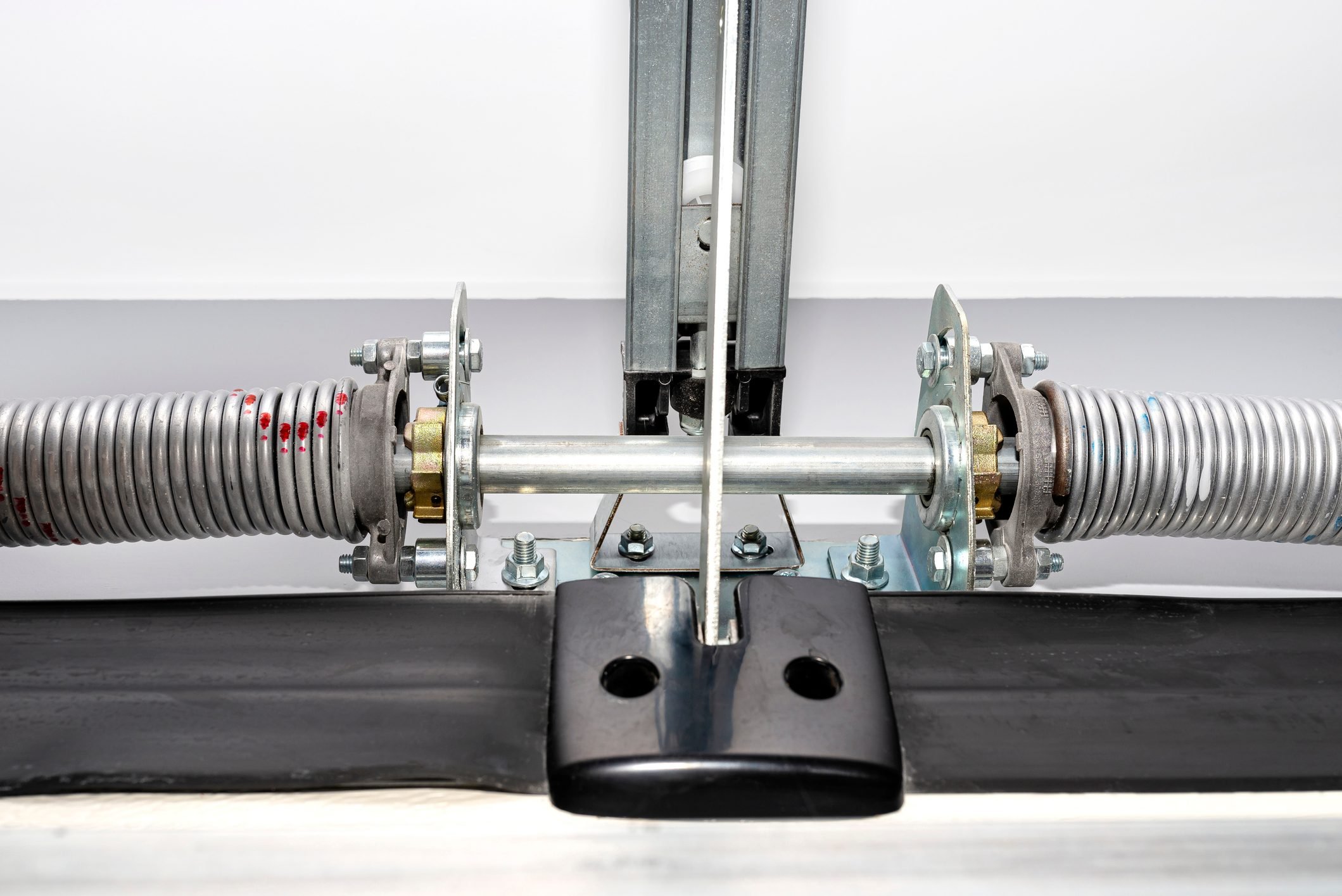

Few things wake you up faster than hitting your garage door opener, hearing a loud bang,
and realizing the biggest moving object in your house is now a very expensive wall.
When a garage door spring snaps, the next question is almost always:
“How much is this going to cost me?”
The good news: in most parts of the United States,
garage door spring replacement typically runs between about $150 and $350,
with a national average around $250 for professional service.
The less-good news: there are plenty of variables that can nudge that price up toward $400 or more,
especially if you have a heavy double door, premium hardware, or emergency after-hours service.
In classic Family Handyman style, let’s break down what really goes into
garage door spring replacement cost, how to know if your quote is reasonable,
and when you might save a little moneywithout turning your weekend into an unsafe DIY adventure.
Average Garage Door Spring Replacement Cost in 2025
Most current U.S. cost guides agree on a fairly tight range for garage door spring replacement
when you hire a pro. Across multiple national estimators and home-services platforms,
here’s the pattern that shows up again and again:
- Typical total cost: $150 – $350 for standard residential doors
- National average: about $230 – $280 per job
- Low end: $120 – $150 (light single doors, no extra parts, off-peak scheduling)
- High end: $350 – $450+ (heavy or oversized doors, premium springs, extra repairs, emergency calls)
Exactly where your quote lands in that range depends on the spring type (torsion vs. extension),
local labor rates, and whether anything else needs attention while the tech is therelike frayed cables
or worn-out bearings.
Cost Snapshot: Typical Spring Replacement
| Item | Typical Cost Range (USD) | Notes |
|---|---|---|
| Extension spring replacement (single door) | $120 – $200 | Older/lighter doors, usually one spring per side |
| Torsion spring replacement (single door) | $150 – $350 | Most modern doors; usually more durable |
| Parts only (per spring) | $30 – $100 | Higher for heavy-duty or high-cycle springs |
| Labor (per visit, typical) | $75 – $150 | Often includes inspection and adjustment |
| Emergency/after-hours surcharge | $50 – $150+ | Evenings, weekends, or holidays |
For a standard 2-car sectional door with a pair of torsion springs, it’s common to see invoices
in the $250–$400 range when both springs, small hardware, and a tune-up are included.
Key Factors That Affect Garage Door Spring Replacement Cost
1. Spring Type: Torsion vs. Extension
The single biggest pricing factor is the type of spring system your door uses:
-
Torsion springs sit on a metal shaft above the door and twist to store energy.
They’re the standard on most modern doors because they operate smoothly and last longer.
Typical replacement cost (parts + labor) runs about $140 – $350 per door. -
Extension springs stretch along the horizontal tracks. They usually cost less,
with typical replacement totals in the $120 – $200 range, but they tend to have
a shorter lifespan and can be noisier.
In general, torsion springs are more expensive up front but deliver more cycles
(often 8–15 years of normal use), while extension springs might be cheaper
but need replacing sooner. If a pro recommends upgrading from extension to torsion,
expect a much higher billoften $400 – $800because the entire system must be converted.
2. Number, Size, and Weight of the Door
A lightweight single 8×7 steel door with one spring is much cheaper to service than
a 16×7 insulated double door with extra reinforcement. Bigger, heavier doors use
larger or multiple springs, which cost more both in parts and in the time it takes
to wind and balance them.
- Single standard door: usually one torsion spring or a pair of extension springs.
-
Double door (2-car): commonly uses two torsion springs; many pros will insist
on replacing both, even if only one has snapped, to keep the door balanced. -
Oversized or heavy custom doors: may require special-order, high-cycle,
or “oil-tempered” springs, which raises the parts cost noticeably.
That’s why your neighbor’s “$200” fix can easily become “$375” on your big wood overlay door.
Same job type, very different loads.
3. Labor Rates and Service Fees
Beyond the steel coils themselves, you’re paying for expertise.
Garage door springs operate under hundreds of pounds of tension,
and professionals bring specialized tools, liability coverage, and experience.
Across the U.S., it’s common to see:
- Service call / trip charge: $50 – $100 (sometimes rolled into the total)
- Labor for spring replacement: $75 – $150 for a typical job
- Emergency or same-day rush fee: $50 – $150+ in some markets
Larger metro areas with higher costs of living tend to sit at the top of those ranges,
while smaller towns may come in closer to the low or middle.
4. Extra Parts and Tune-Ups
Most reputable techs will inspect the entire lifting system while they’re there.
If they spot worn cables, frayed safety cables (on extension systems),
tired end bearings, or bent brackets, they’ll usually recommend replacing those parts
to keep the new springs from being over-stressed.
Common add-ons include:
- Cables: +$40 – $100
- Bearings and center bearing plate: +$30 – $80
- Roller replacements / basic hardware: +$50 – $150
- Full safety and balance tune-up: often bundled into the labor cost
It’s perfectly reasonable to spend up to $300 – $450 on a job
that includes two new springs plus these preventative upgrades, especially on a busy family door
that cycles dozens of times a day.
5. Location and Market Competition
Your ZIP code matters. In regions with higher contractor overhead, licensing costs,
and labor demand, quotes trend higher. In areas where several garage door companies compete hard
for business, you’ll often see more aggressive pricing, coupons, or bundled tune-up deals.
That’s why it’s smart to get at least two or three quotes if your door is still closed
and you’re not stuck with your car inside. You’ll quickly see where the “normal” price range lands in your area.
Parts vs. Labor: Where the Money Really Goes
It’s tempting to look at the cost of a spring online and wonder why the total bill is
two or three times that number. Here’s the breakdown.
Typical Parts Pricing
- Torsion springs: $30 – $100 per spring (standard residential sizes)
- Extension springs: $15 – $45 per spring
- High-cycle or heavy-duty torsion springs: often $60 – $150 each
If you walk through a big-box home center or search online, those numbers will look familiar.
However, pros usually carry a truck full of different lengths and wire sizes so they can match
your door’s balance on the spot. That inventory, plus measurement, winding, and precise setup,
is where labor comes in.
Why Labor Matters So Much
Proper spring replacement isn’t just “swap parts and go.” A good technician will:
- Secure the door safely so it doesn’t slam down unexpectedly
- Unload and remove the damaged spring and hardware
- Measure and select the correct replacement spring(s) for your door’s weight
- Install and wind the new springs to the right tension
- Adjust the door’s balance so it can be lifted by hand without shooting up or crashing down
- Check opener force settings and safety sensors
All of that typically happens in under an hour for a straightforward job,
but it’s an hour of highly skilled, potentially dangerous work.
That’s why the “cheap” online spring that costs $50 can turn into a $250 professional invoiceand
why many homeowners happily pay it.
DIY vs. Professional Replacement
If you’re handy and own a decent set of tools, your inner DIYer may be whispering,
“How hard can it be?” Let’s be honest: plenty of experienced DIYers do replace their own springs.
Parts alone typically run $30 – $100 per spring, and you might buy a complete kit
for under $150.
But there are important caveats:
-
High tension, high risk: Winding torsion springs the wrong way,
loosening set screws at the wrong time, or using the wrong size winding bars
can lead to serious injury or property damage. -
No labor warranty: If you mis-measure or choose the wrong spring,
you may end up redoing the jobor paying a pro anyway. -
Time and tools: You’ll need proper winding bars, vice grips, and
a solid understanding of the procedure. This is not a “figure it out as you go” project.
For many homeowners, the math is simple: saving $100–$150 on labor isn’t worth the risk of a
hospital visit or a damaged door. If you’re not already comfortable working around high-tension
springs, hire a pro and call it a day.
How to Avoid Overpaying for Spring Replacement
Nobody wants to pay more than they should just because their car is trapped.
Here are practical ways to keep the bill reasonable:
-
Get a ballpark price over the phone. Reputable companies will usually give you
a range for your door size and spring type, even if they can’t quote down to the penny. -
Ask for a line-item estimate. Have them separate parts, labor, additional parts,
and any emergency or trip fees so you can see where the costs land. -
Replace both springs if you have a pair. It costs more today but helps avoid
a second service call when the other (same-age) spring fails a few weeks later. -
Schedule non-emergency work during normal hours. If your door is stuck open
but your car is out, waiting for a weekday appointment can save you emergency surcharges. -
Ask about warranties. Many companies offer 1–3 years on parts and/or labor;
high-cycle springs may have longer coverage.
Signs Your Garage Door Springs Need Attention
Not every noisy door means a broken spring. However, these are strong clues
that spring replacement is either necessary or coming soon:
- The door won’t open at all, or only lifts a few inches before stopping
- You hear a sharp bang or snap from the garage, and the door suddenly feels “dead weight” heavy
- The door opens crooked or jerky, especially on extension spring systems
- Visible gap in a torsion spring or stretched-out extension spring coils
- The opener strains, groans, or hums but can’t move the door smoothly
If you notice these signs, unplug the opener and avoid forcing the door.
Forcing a door with a broken spring can burn out the opener or damage the tracks,
which turns a $250 repair into a much more painful bill.
Maintenance Tips to Stretch the Life of Your Springs
While no spring lasts forever, a little basic maintenance can help you get every cycle you paid for:
-
Lubricate moving parts twice a year with a garage-door-safe lubricant
on springs, rollers, and hinges (avoid soaking them, a light coat is enough). -
Test door balance occasionally by disconnecting the opener
and lifting the door halfway. If it shoots up or crashes down, call a pro to adjust the springs. -
Watch your usage. A door used as the main entry can cycle 8–12 times a day;
that burns through a 10,000-cycle spring in just a few years. High-cycle springs may be worth the upgrade. -
Listen for changes. New grinding, popping, or screeching noises are early warnings
that something is binding or wearing out.
These small habits don’t just protect your springsthey extend the life of your opener and hardware, too.
Real-World Cost Experiences: What Homeowners Actually Pay
Cost guides and averages are helpful, but it’s also useful to look at what real homeowners report
paying for spring replacement in different situations. Here are a few typical scenarios
gathered from real-world experiences and service estimates:
Case 1: Standard 2-Car Steel Door, Suburban Setting
A homeowner with a 16×7 insulated steel door loses one torsion spring on a weekday afternoon.
They call a local, well-reviewed garage door company that offers same-day service.
- Service call and labor: $125
- Two standard torsion springs (replacing both): $180
- Basic tune-up and adjustment: included
- Total: about $300–$325
This lines up perfectly with national averages for a “normal” job with no emergency or after-hours fees.
Case 2: Heavy Wood Overlay Door, Large Metro Area
Another homeowner has a big custom wood overlay door in a high-cost city.
When both torsion springs finally give out, it happens on a Saturday morningof course.
- Weekend/emergency service: $125 trip charge
- Two heavy-duty torsion springs: $260
- New cables and bearing plate: $110
- Full hardware inspection and balancing: included
- Total: roughly $450–$500
This bill is higher, but given the door’s weight, premium parts, and timing,
it’s still within a realistic range for a complex job in a large metro market.
Case 3: Budget-Conscious DIYer With a Single Door
A confident DIYer with a standard single steel door decides to tackle the job themselves.
They study detailed instructions, buy a matched torsion spring kit and proper winding bars online,
and set aside a careful afternoon for the work.
- Replacement torsion spring kit: $85
- Winding bars and safety gear: $40
- Personal time investment: half a day
- Total out-of-pocket: about $125
They save roughly $100–$200 versus hiring a pro, but they also accept all the risk.
Many DIYers who’ve done the job successfully will still tell you:
if you’re even a little unsure, pay the technician and keep all your fingers.
Case 4: The “Sticker Shock” Scenario
Occasionally, you’ll hear about quotes in the $700–$900 range for spring replacement,
often with minimal explanation. Sometimes this is justified by very specialized doors,
remote locations, or bundled upgradesbut sometimes it’s just aggressive pricing
aimed at desperate homeowners.
If your quote feels wildly out of line with the $150–$350 “normal” band and there’s
no clear reason (like special-order springs or extensive additional work),
don’t be shy about getting a second opinion. A quick round of comparison calls
can save hundreds of dollars.
Bottom Line: What Should You Expect to Pay?
For most typical U.S. homeowners with a standard residential garage door,
a realistic expectation for garage door spring replacement cost is:
- $150 – $250 for a basic single-door job with extension springs
- $200 – $350 for a 2-car door with torsion springs, including labor and tune-up
- $350 – $500+ for heavy custom doors, high-cycle springs, extra hardware,
or emergency visits
The key is to focus on value, not just the absolute lowest price.
A slightly higher quote from a well-reviewed company that explains its pricing,
uses quality springs, and stands behind the work with a solid warranty is usually
the better long-term deal.
Your garage door is a 150–300 pound moving wall.
When the springs fail, it’s not the right moment for risky shortcuts.
Get a couple of quotes, ask smart questions, and choose a pro you trust.
Your backand your carwill thank you.