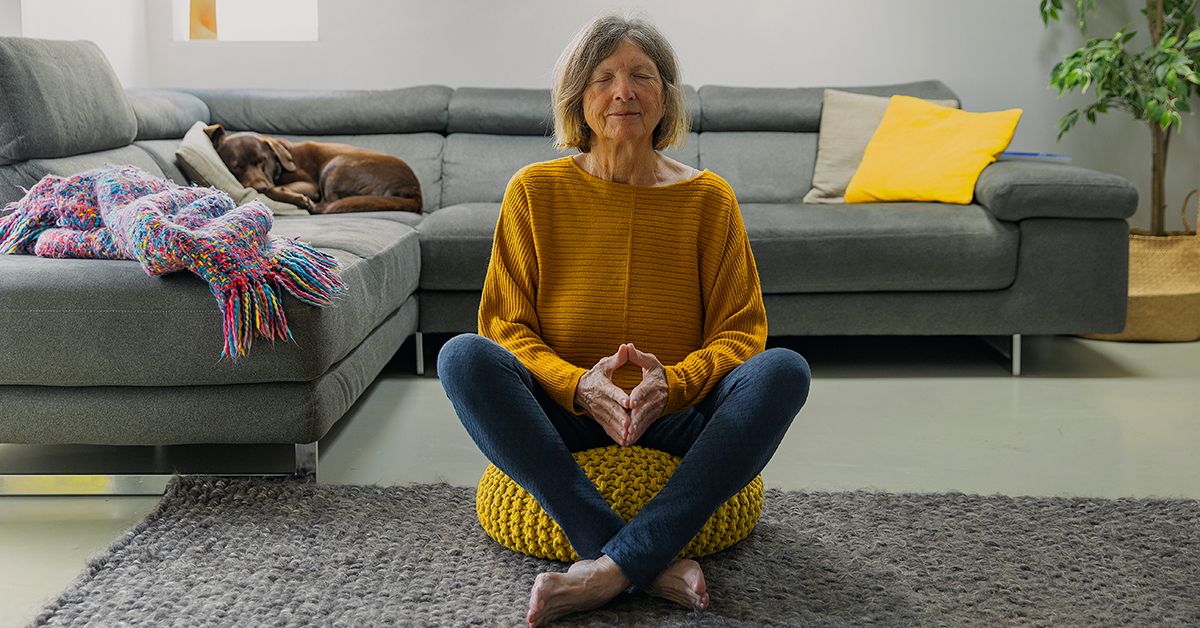
Living with a chronic illness can feel like you’ve taken on a full-time job that doesn’t offer weekends, vacations, or even coffee breaks. Doctor’s appointments, medications, flare-ups, side effects, fatigue, and the mental load of “What will my body do today?” can be exhausting. While there’s no magic “off” switch, one surprisingly powerful tool is completely free, doesn’t interact with your meds, and can be done in pajamas: meditation.
Over the past few decades, researchers and major health organizations have taken meditation seriously, studying how practices like mindfulness-based stress reduction (MBSR), loving-kindness meditation, and simple breathing exercises can support people living with conditions such as chronic pain, heart disease, diabetes, autoimmune disorders, and irritable bowel syndrome (IBS). These studies suggest that meditation can ease symptoms, reduce stress, and improve quality of life when used alongside standard medical care, not instead of it.
In this guide, we’ll unpack what meditation actually does in your body and brain, how it can help manage chronic illness, how to get started safely, and what real-world experiences look like for people using meditation as part of their long-term care plan.
What Is Meditation, Really?
Meditation is not about forcing your mind to go blank or instantly becoming a serene, glowing guru. At its core, meditation is a set of practices that train your attention and your relationship to thoughts, sensations, and emotions. Think of it as physical therapy for your nervous system.
Common Types of Meditation
- Mindfulness meditation: You rest your attention on something simple (like your breath or body sensations) and gently bring it back whenever your mind wanders.
- Body scan: You slowly move attention through the body, noticing tension, pain, and neutral sensations without judging or trying to fix them.
- Loving-kindness (metta): You silently repeat phrases of goodwill toward yourself and others, which can soften self-criticism and loneliness.
- Guided imagery: You follow an audio recording that walks you through calming scenes or healing-focused visualizations.
These practices can be as simple as 5 minutes of guided breathing or as structured as an 8-week MBSR program run by trained instructors.
How Meditation Affects the Body and Brain
For people with chronic illness, the big question is not “Is meditation trendy?” but “Can it actually change how I feel?” Research suggests the answer is yesoften in small but meaningful ways that add up over time.
Calming the Stress Response
Chronic illness and chronic stress are terrible teammates. When you live with ongoing pain, symptoms, or uncertainty, your body’s stress system can get stuck in “on” mode, raising levels of stress hormones like cortisol, increasing blood pressure, and worsening inflammation. Meditation practices have been shown to reduce stress, anxiety, and depression, and to improve sleepespecially in people dealing with health challenges.
By repeatedly shifting the body into a “rest-and-digest” state, meditation can help soften the intensity of stressful thoughts (“What if this gets worse?”) and physical stress reactions (racing heart, tight muscles, shallow breathing). Over time, this calmer baseline can make it easier to cope with flare-ups and medical uncertainty.
Changing the Experience of Pain
Several studies of mindfulness-based stress reduction have found that people with chronic pain report decreases in pain intensity and less interference of pain in daily life after structured meditation programs. Meditation doesn’t magically erase pain signals, but it can change how the brain processes them. Instead of fighting every sensation (“This is unbearable!”), people learn to notice pain with more curiosity and less panic.
Recent research also suggests that mindfulness meditation reduces pain more than placebo and activates different areas of the brain than placebo treatments, meaning it’s not just “wishful thinking.” For someone with arthritis, fibromyalgia, or long-term back pain, even a modest reduction in painpaired with a better sense of controlcan feel life-changing.
Influencing Inflammation and Immune Function
Chronic illness often goes hand in hand with chronic inflammation. Meta-analyses of mindfulness-based interventions show small but significant reductions in inflammatory biomarkers such as C-reactive protein (CRP) and interleukin-6 (IL-6), as well as changes in markers of cell-mediated immunity and biological aging. More recent work continues to support the idea that meditation may modestly improve immune function and inflammatory profiles in people with physical illnesses.
This doesn’t mean meditation replaces disease-modifying drugs or other prescribed treatments. It does mean that reducing stress and improving emotional regulation through meditation may indirectly support the body’s ability to handle chronic disease.
How Meditation Can Help Specific Chronic Conditions
Chronic Pain Conditions
Chronic painwhether from arthritis, migraines, back problems, or neuropathyis one of the most studied areas for meditation. Programs like MBSR have been shown to improve bodily pain scores, health-related quality of life, and psychological symptoms in people with various pain diagnoses.
People often report benefits such as:
- Less catastrophizing (“This pain will destroy my life”).
- More options for coping during flare-ups (e.g., breathing practices, body scans, self-compassion phrases).
- Improved sleep and mood, which indirectly lessen pain’s impact.
Even when average pain scores drop only a bit, the feeling of “I have tools I can use” can be huge.
Irritable Bowel Syndrome and Gut Disorders
The brain–gut connection is real, and it’s chatty. Randomized trials have shown that mindfulness training can significantly reduce IBS symptom severity and improve bowel-related quality of life, including reductions in abdominal pain and distress. Some programs combine meditation with gentle movement and psychoeducation, helping people understand and calm the stress–IBS cycle.
Because IBS and similar conditions are highly sensitive to stress, learning to recognize early stress signals and respond with calming practices can prevent symptom spirals. Meditation also gives people a way to work with food fears, bathroom anxiety, and the embarrassment that often comes with digestive symptoms.
Heart Disease and High Blood Pressure
The American Heart Association has reviewed the evidence on meditation and cardiovascular risk and concluded that meditation may provide a potential benefit as an adjunct to more established therapies for lowering blood pressure and reducing overall cardiovascular risk. Studies suggest that regular meditation can modestly lower blood pressure, improve stress reactivity, and support healthier lifestyle choices like quitting smoking or being more active.
For someone recovering from a heart attack or living with hypertension, adding short daily meditation practices can be a low-risk way to support the heart, calm anxiety, and make it easier to stick with treatment plans.
Autoimmune and Inflammatory Conditions
Autoimmune illnesses like multiple sclerosis (MS), inflammatory bowel disease, and some forms of arthritis often come with fatigue, pain, and mood changes. Recent research in people with MS shows that mindfulness meditation or related practices (like audio-based therapeutic hypnosis) can reduce fatigue, one of the most disabling symptoms of the disease.
Other studies in people with end-stage renal disease and broader chronic illness populations suggest that mindfulness practices can support improvements in inflammatory markers, stress, depression, and anxiety. While these are not cure-all results, they add one more tool to the self-management toolbox for complex conditions.
Type 2 Diabetes and Metabolic Conditions
Stress and blood sugar have a close, slightly toxic relationship. Systematic reviews suggest that mindfulness-based interventions may improve metabolic and psychological health in people with type 2 diabetes, including better self-management and potential improvements in glycemic control. Meditation helps people notice emotional eating triggers, handle diabetes-related anxiety, and stay more engaged with day-to-day tasks like checking blood sugar and taking medications.
Again, meditation doesn’t replace insulin or other diabetes medications, but it can make it easier to live with the daily demands of the condition.
Mental Health Symptoms in Chronic Illness
Almost every chronic condition carries a mental health load: fear of progression, grief for the “old you,” exhaustion, frustration, and sometimes depression or anxiety. Mindfulness and other forms of meditation have strong evidence for reducing stress, anxiety, and depressive symptoms in a range of populations, including those with chronic illnesses. Meditation can also help with insomnia, which is both a symptom and a driver of many chronic conditions.
By helping you recognize thoughts as thoughts (instead of facts), meditation can loosen the grip of stories like “I am my illness” or “I will never have a good day again.” That shift alone can change how you move through treatment, relationships, and daily life.
Important Reality Check: Helpful, Not Magical
It’s worth being honest: many studies find small to moderate effects from meditation, and not everyone responds in the same way. Some people notice big changes in how they experience pain, fatigue, or anxiety. Others feel only a subtle increase in calm or resilience. Reviews also point out that some studies are small or have methodological limitations.
The takeaway? Meditation is best viewed as a supportive, low-risk tool that you layer onto your existing care plannot a miracle cure or a reason to stop medications or ignore medical advice.
How to Get Started Safely With Meditation When You Have a Chronic Illness
Step 1: Talk With Your Healthcare Team
Before starting any new practice, especially if it involves posture changes, breathwork, or strong emotional processing, it’s smart to check in with your doctor or specialist. Ask:
- Are there any positions I should avoid (e.g., sitting on the floor, lying flat)?
- Is breath-holding safe for me, or should I stick to gentle breathing?
- Are there mental health concerns (like PTSD or severe depression) that mean I should work with a trained therapist or instructor?
Most providers are supportive of meditation as long as it’s clearly framed as a complement to your treatment, not a replacement.
Step 2: Choose a Style That Fits Your Energy
When you’re dealing with fatigue, pain, or mobility limits, not every meditation style will fit. Options include:
- Supine body scans you can do lying down, ideal for fatigue or pain flare days.
- Five-minute breathing practices you can do in a waiting room or during an infusion.
- Guided meditations for pain, sleep, or anxiety via apps or online recordings.
- Mindful movement (like chair yoga or gentle stretching) for those who feel restless sitting still.
Start with what feels doable on your worst days, not your best ones. That way, you’re more likely to stick with it.
Step 3: Start Small and Be Consistent
You don’t need a 30-minute silent retreat in a forest. Try this simple starter plan:
- Pick a time of day when your symptoms are usually most manageableoften after meds kick in or after a meal.
- Set a timer for 5 minutes.
- Gently focus on your breath or the feeling of your body supported by the chair or bed.
- When your mind wanders (which it will), notice it and bring your attention back without scolding yourself.
Think of each “lost in thought → come back” moment as a mental push-up. That’s the training.
Step 4: Integrate Meditation Into Everyday Life
On days when formal practice feels impossible, you can still weave mindfulness into daily tasks:
- Taking three slow breaths before you swallow a pill.
- Doing a one-minute body scan while waiting on hold with your insurance company (bonus points if you stay calm).
- Noticing tastes, textures, and smells during one bite of each meal.
These micro-moments build the same skills as longer sessions, just in bite-sized pieces.
Tips for Sticking With Meditation When You Don’t Feel Great
- Drop the perfectionism. A wobbly 3-minute practice is better than a perfectly imagined 30-minute session you never start.
- Track symptoms gently. Jot down how your pain, fatigue, or mood feels before and after short practices for a couple of weeks. Look for patterns, not miracles.
- Use tech wisely. Meditation apps and YouTube channels can provide free, tailored content (e.g., “meditation for chronic pain” or “guided body scan for insomnia”).
- Find community. Online groups, local classes, or condition-specific support communities that include meditation can make practice feel less lonely.
- Be kind to yourself. On days when symptoms are rough, your “meditation” might just be two mindful breaths. That still counts.
When Meditation Might Not Be the Right Tool (Or Needs Support)
Meditation is generally low risk, but it isn’t a perfect fit for everyone:
- If you have a history of severe trauma, some practices can stir up difficult memories or emotions.
- If you live with psychosis or certain severe mental health conditions, meditation should only be done under professional guidance.
- If focusing on bodily sensations makes you feel overwhelmed, dissociated, or panicky, you may need gentler, externally focused practices or a therapist’s support.
If any meditation practice makes you feel significantly worse, stop and talk with a healthcare professional or mental health provider. There are many ways to support your nervous system; meditation is just one option.
Real-Life Experiences: How People Use Meditation to Manage Chronic Illness
Research is great, but lived experience is what you actually wake up with. Here are three composite stories, drawn from common experiences of people who’ve integrated meditation into life with chronic illness.
1. Emma and the “Spiral” of Chronic Pain
Emma is 42 and has lived with chronic low back pain for nearly a decade. Before meditation, pain flare-ups almost always triggered a mental spiral: “I won’t be able to work. I’ll lose my job. My life is over.” Those thoughts made her tense up, sleep badly, and reach for extra pain meds more often.
At her physical therapist’s suggestion, Emma tried an eight-week online mindfulness course. At first, sitting still felt impossible. Her back ached, and her mind was a constant “to-do list plus worst-case scenarios” mashup. But she kept showing up for 10-minute guided practices, mostly lying down with a heating pad.
Over a few months, Emma noticed that the pain didn’t always change dramaticallybut her reaction did. On bad days, she started saying to herself, “Okay, pain is loud today. Let’s breathe with it for a few minutes and see what else is here.” Instead of automatically canceling everything, she experimented: Could she still take the call if she lay on the floor? Could she stretch between emails? Meditation didn’t cure her back, but it gave her a way to relate to her pain without letting it rule the entire day.
2. Marco, Multiple Sclerosis, and Crushing Fatigue
Marco, 35, has relapsing-remitting MS. His biggest complaint isn’t numbness or weakness but bone-deep fatigue. No matter how much he sleeps, he often wakes up feeling like he’s already run a marathon. Medications help some, but there’s no quick fix.
After reading about research on mindfulness and fatigue in MS, Marco started listening to 10–15 minute audio recordings each afternoon during his scheduled rest. Some days he did a body scan, other days a simple breath-focused practice. The point wasn’t to feel instantly energized; it was to stop wrestling with fatigue for a moment.
Over time, Marco noticed two shifts. First, he felt slightly less resentful of his rest periodsthey became an intentional practice, not a defeat. Second, he became better at pacing: instead of pushing through until he crashed, he used mindfulness to notice early signs of exhaustion and adjust his day. His fatigue didn’t vanish, but his life felt less like a constant tug-of-war with his energy levels and more like a series of choices he could actually influence.
3. Dana, Type 2 Diabetes, and Food Anxiety
Dana, 54, has type 2 diabetes and a complicated relationship with food. Every meal feels like a test she might fail. She oscillates between rigid control and “I blew it, so nothing matters,” which leads to blood sugar swings and a lot of guilt.
Working with a diabetes educator and a therapist, Dana began experimenting with mindful eating. Once a day, she chose one snack or meal to eat without her phone or TV. She took a few breaths, noticed the colors and smells, and tried to pay attention to taste and fullness cues. When judgmental thoughts showed up (“You shouldn’t be eating this”), she practiced labeling them as “just thoughts” and returning to the experience.
Slowly, Dana’s meals became less about self-criticism and more about information. She could see more clearly how certain foods and portions affected her blood sugar and mood. Instead of reacting from guilt, she made changes from curiosity: “What happens if I add more protein here?” Meditation didn’t replace her medication or nutrition plan, but it transformed how she engaged with them.
Bringing It All Together
Meditation won’t erase chronic illness, but it can change the way it lives in your body and your life. By calming the stress response, shifting how you experience pain, supporting emotional health, and possibly nudging inflammation and immune function in a healthier direction, meditation offers a realistic, evidence-informed way to reclaim a bit more control in an unpredictable situation.
You don’t need perfect posture, silence, or a mountain retreat to begin. You just need a few minutes, a willingness to be curious, and the understanding that this is a practice, not a performance. Start small, be kind to yourself on the messy days, and let meditation become a supportive teammate alongside your doctors, medications, and other treatments.