
When the power goes out, the freezer suddenly becomes the most suspenseful appliance in the house. It sits there quietly, pretending everything is fine, while you stand in the kitchen wondering whether that pricey ribeye is still dinner or has become a science experiment with ambition. The good news is that frozen meat usually lasts longer than most people think during an outage. The less cheerful news is that “longer than you think” is not the same thing as “forever, probably.”
If you have ever asked, how long will meat last in the freezer without power, the real answer depends on a handful of practical details: how full the freezer is, whether the door stays shut, how cold the food remains, and whether the meat still contains ice crystals when power returns. In other words, this is not a vibes-based decision. It is a temperature-based one.
This guide breaks down exactly how long frozen meat can stay safe in a powerless freezer, how to decide what to keep and what to toss, and what to do before, during, and after an outage. You will also get practical examples, common mistakes to avoid, and a longer experience-based section at the end that turns food safety advice into real-life kitchen survival.
The Short Answer: How Long Meat Lasts in a Freezer Without Power
For most households, the rule of thumb is simple:
- A full freezer will usually keep food at a safe temperature for about 48 hours if the door stays closed.
- A half-full freezer will usually keep food safe for about 24 hours if the door stays closed.
- Meat can often be refrozen if it still has ice crystals or if it is still at 40°F or below.
- If thawed meat has been above 40°F for more than 2 hours, it should be discarded.
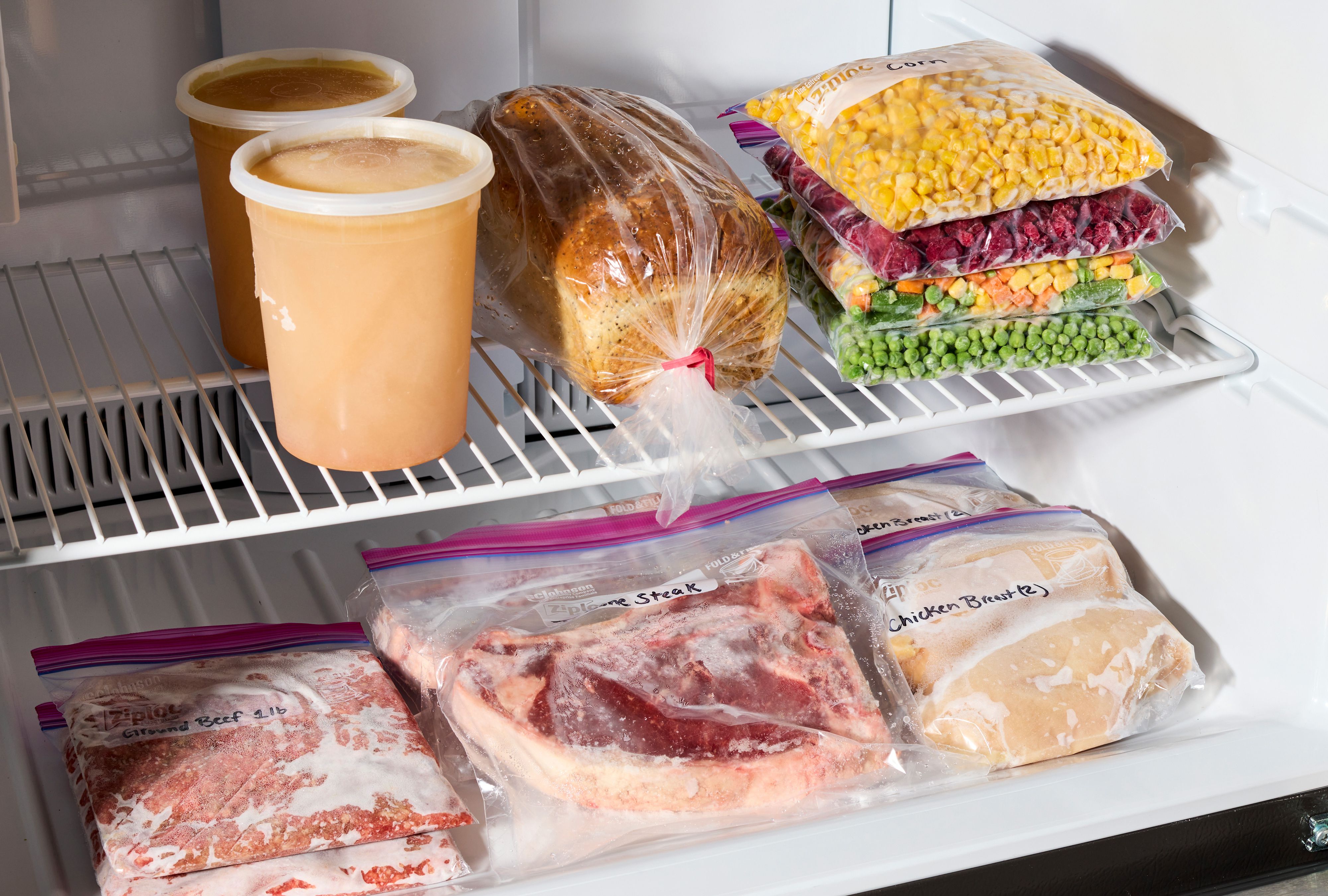
That means frozen meat does not instantly become unsafe the moment the lights go out. A freezer is basically a heavily insulated cold vault, and a full one performs best because the frozen food inside helps keep everything else cold. Think of it as teamwork, but with pork chops.
What Really Determines Whether Meat Is Still Safe?
1. How Full the Freezer Is
A packed freezer stays colder longer than an almost-empty one. Frozen items act like built-in ice blocks, slowing the rise in temperature. That is why a freezer stuffed with chicken breasts, frozen soup, and enough mystery leftovers to start a museum tends to hold safe temperatures better than a freezer containing one lonely bag of peas and an unopened loaf of garlic bread.
2. Whether the Door Stays Closed
Every time the door opens, warm air rushes in and cold air rushes out. During a power outage, curiosity is not your friend. Opening the freezer “just to check” is like opening the oven every 90 seconds while baking cookies. It feels productive. It is not productive.
3. The Internal Temperature
The most important number is 40°F. If meat remains at 40°F or below, it can generally be refrozen or cooked safely. If it rises above that temperature for too long, foodborne bacteria may begin multiplying fast enough to create a genuine safety issue.
4. Whether the Meat Is Still Frozen or Partially Thawed
If meat still has ice crystals, that is a very good sign. It means the food has likely stayed cold enough to remain safe. Texture and quality may drop after refreezing, but safety comes first. A steak that loses some tenderness is annoying. A steak that gives everyone a miserable night is worse.
How to Tell Whether Frozen Meat Is Safe After the Power Comes Back
Once power is restored, do not rely on smell alone. Spoilage bacteria and dangerous bacteria are not always courteous enough to send an aroma-based warning.
Use this simple decision process:
- Check the freezer thermometer, if you had one inside before the outage.
- If the freezer is 40°F or below, the meat is generally safe and may be refrozen.
- If there is no thermometer, check each package.
- If the meat still contains ice crystals or feels refrigerator-cold, it can usually be refrozen or cooked.
- If the meat is fully thawed and has been above 40°F for more than 2 hours, throw it out.
- Never taste meat to decide if it is safe.
That last point matters. “I’ll just cook it really well” is not a reliable rescue plan for meat that has been too warm for too long. Heat kills many bacteria, but it does not magically reverse every food safety risk created by prolonged time in the danger zone.
How Long Different Types of Meat Usually Last in a Freezer
Power-outage safety is one issue. Normal freezer quality is another. Even when meat stays frozen safely, it still has best-quality windows. These do not tell you when meat becomes unsafe if it stays continuously frozen at 0°F, but they do help explain why freezer-burned chicken from last year tastes like sadness.
- Ground meat: best quality for about 3 to 4 months
- Steaks, chops, and roasts: best quality for about 4 to 12 months
- Whole chicken or turkey: about 1 year
- Chicken or turkey pieces: about 9 months
- Cooked meat leftovers: about 2 to 6 months
- Fish: varies widely, often 2 to 8 months depending on type
These storage times matter because older frozen meat may still be safe after a brief outage, but the texture, color, and flavor may already be on the decline. So yes, that freezer is a safety tool, but it is not a time machine.
What About Raw Meat, Cooked Meat, and Leftovers?
Raw Beef, Pork, and Lamb
Roasts, chops, steaks, and similar cuts can usually be refrozen if they still have ice crystals or stayed at 40°F or below. If they thawed completely and warmed up for too long, they are not worth the gamble.
Ground Meat
Ground beef, ground turkey, and other ground meats deserve extra caution. Because grinding spreads bacteria through the product, ground meat is less forgiving than an intact roast or steak. If it is fully thawed and you are unsure how warm it became, tossing it is often the safest move.
Poultry
Chicken and turkey are highly perishable. If still icy or below 40°F, they can be refrozen or cooked. If not, discard them. This is one category where “probably okay” is a sentence best avoided.
Seafood
Fish and shellfish spoil quickly and should be treated conservatively. If seafood is still frozen or very cold with ice crystals, it may be refrozen. If it is mushy, warm, or fully thawed for too long, let it go.
Cooked Meat, Soups, and Stews
Frozen leftovers such as chili, stew, taco meat, or shredded chicken also follow the same rule: keep if icy or 40°F or below, toss if they have been above 40°F for more than 2 hours. This can be painful, especially if you were emotionally attached to that homemade brisket chili. Grief is normal.
How to Make Meat Last Longer During a Power Outage
Keep the Freezer Closed
This is the number-one strategy. A closed freezer buys time. A frequently opened freezer burns time.
Use Appliance Thermometers
A freezer thermometer removes guesswork. Instead of standing in the kitchen trying to interpret “feels pretty cold,” you can make a decision based on an actual temperature.
Freeze Water Containers Ahead of Time
If storms or grid problems are common in your area, keep containers of frozen water or gel packs in the freezer. They fill empty space, help the freezer stay colder longer, and can be moved to a cooler if needed.
Use Dry Ice or Block Ice for Longer Outages
If an outage looks like it may last more than a day, dry ice can extend the life of your freezer contents. A common rule is that 50 pounds of dry ice can keep an 18-cubic-foot, fully stocked freezer cold for about 2 days. Handle dry ice with gloves, keep the area ventilated, and never store it in an airtight container. Dry ice is extremely useful, but it also deserves respect. It is not fancy regular ice. It is frozen drama.
Move Refrigerator Meat to a Cooler if Needed
If power has been out for 4 hours and you have a cooler plus ice, move refrigerated raw meat there to keep it at 40°F or below. This will not help the freezer stay cold, but it can save fresh meat that was stored in the refrigerator section.
Big Mistakes to Avoid
- Do not taste meat to test it. Foodborne illness is not a fun surprise side dish.
- Do not keep opening the freezer. The internal temperature climbs faster than many people realize.
- Do not assume winter weather makes your porch a safe freezer. Outdoor temperatures fluctuate, sunlight matters, and animals exist.
- Do not trust appearance alone. Dangerous bacteria do not always announce themselves.
- Do not try to save money by risking questionable meat. Replacing groceries is annoying. Replacing your weekend plans because of food poisoning is worse.
Quick Keep-or-Toss Guide for Frozen Meat After a Power Outage
Here is the practical version:
- Keep or refreeze: meat that still has ice crystals, is still frozen solid, or measures 40°F or below
- Cook soon: meat that thawed slightly but stayed at 40°F or below and will be used quickly
- Toss: meat that fully thawed and stayed above 40°F for more than 2 hours
- Toss immediately: meat with an unusual texture plus clear evidence it spent too long warm
Practical Examples
Example 1: The Overnight Outage
Your power goes out at midnight and returns at 8:00 a.m. Your freezer was packed, and nobody opened it. In most cases, frozen meat is still safe. Check for ice crystals and temperature, then refreeze if appropriate.
Example 2: The 30-Hour Outage
Your half-full garage freezer loses power during a storm, and the outage lasts into the next day. That is where risk rises. Some meat may still be safe if icy or at 40°F or below, but fully thawed meat should be discarded.
Example 3: The “We Opened It Six Times” Scenario
The outage lasted only 12 hours, but everyone kept checking the freezer and pulling out popsicles. Unfortunately, the safety window shrinks when warm air keeps entering. Time without power matters, but so does behavior during the outage.
Experiences and Lessons from Real-Life Power Outages
One of the most useful things about this topic is that nearly everyone learns it the same way: not from a calm afternoon of meal planning, but from a storm, a blown transformer, or a neighborhood outage that turns dinner into a strategy meeting. In real life, people do not ask, “What is the thermal retention profile of my upright freezer?” They ask, “Is my chicken still okay, and why is my phone battery at 11%?”
A common experience goes like this: the power fails at night, everyone goes to bed assuming it will be back by morning, and then sunrise reveals an oddly silent kitchen. No hum from the fridge. No coffee maker. Just a freezer full of meat and a rising sense of responsibility. In these moments, the households that do best are usually the ones that stay organized. They keep the freezer shut, avoid panic-cooking random items, and use a thermometer instead of guesswork.
Another familiar story happens after summer thunderstorms. Someone opens the freezer repeatedly because they are “just checking,” another person moves items around trying to estimate what is safest, and by the time power returns, nobody remembers how long anything sat out or what thawed first. The lesson is simple: during an outage, every unnecessary freezer opening is a tiny act of sabotage. It feels helpful in the moment, but it makes later decisions harder.
Families in storm-prone regions often develop smart habits over time. They freeze containers of water to fill empty freezer space. They keep a cooler ready. They label meat clearly, so they know what to cook first if things start thawing. Some people even group expensive meats together on one shelf so they can monitor them quickly when power returns. That is the kind of practical home strategy that saves both food and stress.
There is also a very human emotional side to freezer outages. People get attached to what is in there. Maybe it is bulk beef from a warehouse sale, salmon bought for a special dinner, or freezer meal prep for a brutally busy week. Throwing out meat can feel wasteful and frustrating, especially when grocery prices are high. But experienced homeowners tend to say the same thing after going through a few outages: replacing food is cheaper than dealing with food poisoning. That is not dramatic. That is just wisdom earned the hard way.
And then there is the classic winter mistake: using the outdoors as a backup refrigerator. It seems logical until the sun comes out, temperatures swing, or wildlife decides your porch cooler is now community property. People remember this lesson fast. A freezer is controlled cold storage. The backyard is weather. Those are not the same thing.
In the end, real-life experience teaches a few durable truths. Keep the freezer closed. Trust temperature, not optimism. Use ice crystals as evidence, not luck. Plan before storm season, not after. And remember that the goal is not to heroically save every package of meat. The goal is to keep your household safe, reduce waste where you can, and avoid turning a power outage into a food safety regret with a side of spoiled pot roast.
Conclusion
So, how long will meat last in the freezer without power? In most homes, the safe window is about 48 hours for a full freezer and about 24 hours for a half-full freezer, as long as the door remains closed. After that, the decision comes down to evidence: ice crystals, internal temperature, and how long the food may have been above 40°F.
The safest rule is also the least glamorous one: when in doubt, throw it out. It is not catchy because it sounds fun. It is catchy because it keeps people out of trouble. A little preparation, a thermometer, and a calm plan can make a huge difference the next time the power drops and your freezer starts auditioning for a suspense movie.